
As renewable energy becomes more accessible for homeowners, devices such as solar panels, home batteries, energy-efficient appliances and smart home systems are increasingly common in UK households. Many people wonder how these technologies affect everyday life — not only in terms of energy savings, but also in relation to comfort, wellbeing and overall health. Below is a clear, evidence-based overview of what we currently know about the human-health impacts of the most common renewable energy devices used at home.
Improved Indoor Air Quality Through Cleaner Energy Use
One of the strongest positive effects of renewable energy in homes is the improvement in indoor air quality. Traditional heating methods — such as wood stoves, older gas heaters, and outdated boilers — can produce indoor pollutants like smoke, particulates or fumes.
Renewable systems help in several ways:
- Solar-powered homes rely less on combustion heating
- Heat pumps do not burn fuel inside the home
- Energy-efficient ventilation systems improve airflow
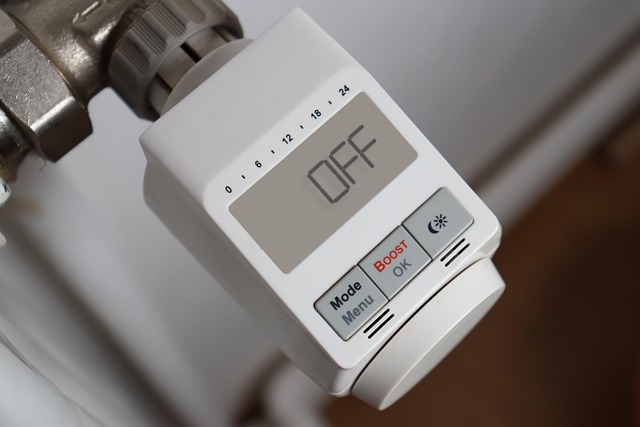
- Smart thermostats maintain healthier temperature and humidity levels
Cleaner indoor air can contribute to better comfort and overall wellbeing, especially for individuals sensitive to poor air quality.
Lower Noise Levels Compared to Traditional Systems
Many renewable systems operate quietly, which can positively influence daily comfort. Heat pumps, for example, generally produce less noise than older gas boilers or air-conditioning units.
Small wind turbines can create noticeable sound, but residential-scale units used in suburban homes are typically designed with noise reduction in mind. Most are no louder than household appliances when installed correctly and at proper distance from living areas.
Balanced Temperature and Humidity for a Healthier Home Environment
Renewable energy devices often improve the stability of indoor environments:
- Heat pumps offer steady, even heating
- Smart home energy systems reduce overheating or sudden temperature drops
- Modern insulation and renewable-powered ventilation help maintain balanced humidity
Stable indoor temperatures can support better sleep, comfort and everyday wellbeing.

Reduced Exposure to Fumes and Combustion By-Products
Homes that switch from fossil-fuel heating (like oil or coal heaters) to renewable systems eliminate many indoor by-products associated with combustion.
This means:
- No fuel storage indoors
- No fumes or fuel odours
- No carbon monoxide risk from combustion heating
- Less dust and soot
While renewable systems are not medical devices, they contribute to a cleaner, safer indoor environment that supports general comfort and quality of life.
Electromagnetic Fields (EMF): What Research Currently Says
All electrical devices — phones, microwaves, routers, batteries, solar inverters — produce some level of EMF. Renewable energy systems fall into this same category.
Current observations:
- EMF levels around solar panels, inverters, batteries and smart devices are usually low and comparable to everyday household electronics.
- These systems must comply with UK and international safety standards before installation.
- Distance significantly reduces EMF exposure. Devices like inverters are typically installed in garages, utility rooms or lofts, naturally limiting proximity.
There is no evidence that renewable home systems produce unusually high EMF levels compared to other common household technology.
Battery Storage: Safety and Everyday Use
Modern home battery storage systems (such as lithium-ion units) are engineered with:
- Temperature control
- Fire-resistant casings
- Automatic shut-off protections
- Ventilation and monitoring systems
Correct installation, regular maintenance, and proper placement (usually in garages or utility spaces) help ensure safe operation. These systems are designed primarily for energy reliability, but an indirect benefit is reducing reliance on diesel generators or older devices that may emit fumes.
Psychological and Lifestyle Benefits
Beyond physical factors, many homeowners report lifestyle-related benefits when using renewable energy:
- Feeling more in control of energy use
- Reduced energy bills leading to less stress
- Increased satisfaction from contributing to sustainability
- A quieter, more modern home environment
These effects vary by person, but they are among the most commonly mentioned advantages.
Conclusion
Renewable energy home devices generally contribute to a cleaner, quieter, more efficient and more comfortable living environment. While they are not health treatments, they can support everyday wellbeing by reducing indoor pollutants, improving home comfort, and lowering reliance on older combustion-based systems.
As the technology continues to grow, understanding how these devices influence daily life helps homeowners make informed choices about their home energy future.