
If you’re starting to get curious about harnessing solar power at home, understanding solar battery storage systems can be really helpful. Having a handle on the basics means you’ll know what to expect and how to get the most out of your investment. I’ll cover what solar battery storage is, how it actually works, what setups are available in the UK, costs to expect, pros and cons, and a few real-world examples based on my own experience and research.
What is a Solar Battery Storage System?
Solar battery storage systems let you save the excess electricity your solar panels generate, so you can use it later when the sun isn’t shining. For most people, this means using solar-generated electricity at night, or during a power cut. It’s a pretty clever way to make sure you use as much of your own solar power as possible, instead of sending extra energy back to the grid for a lower rate.
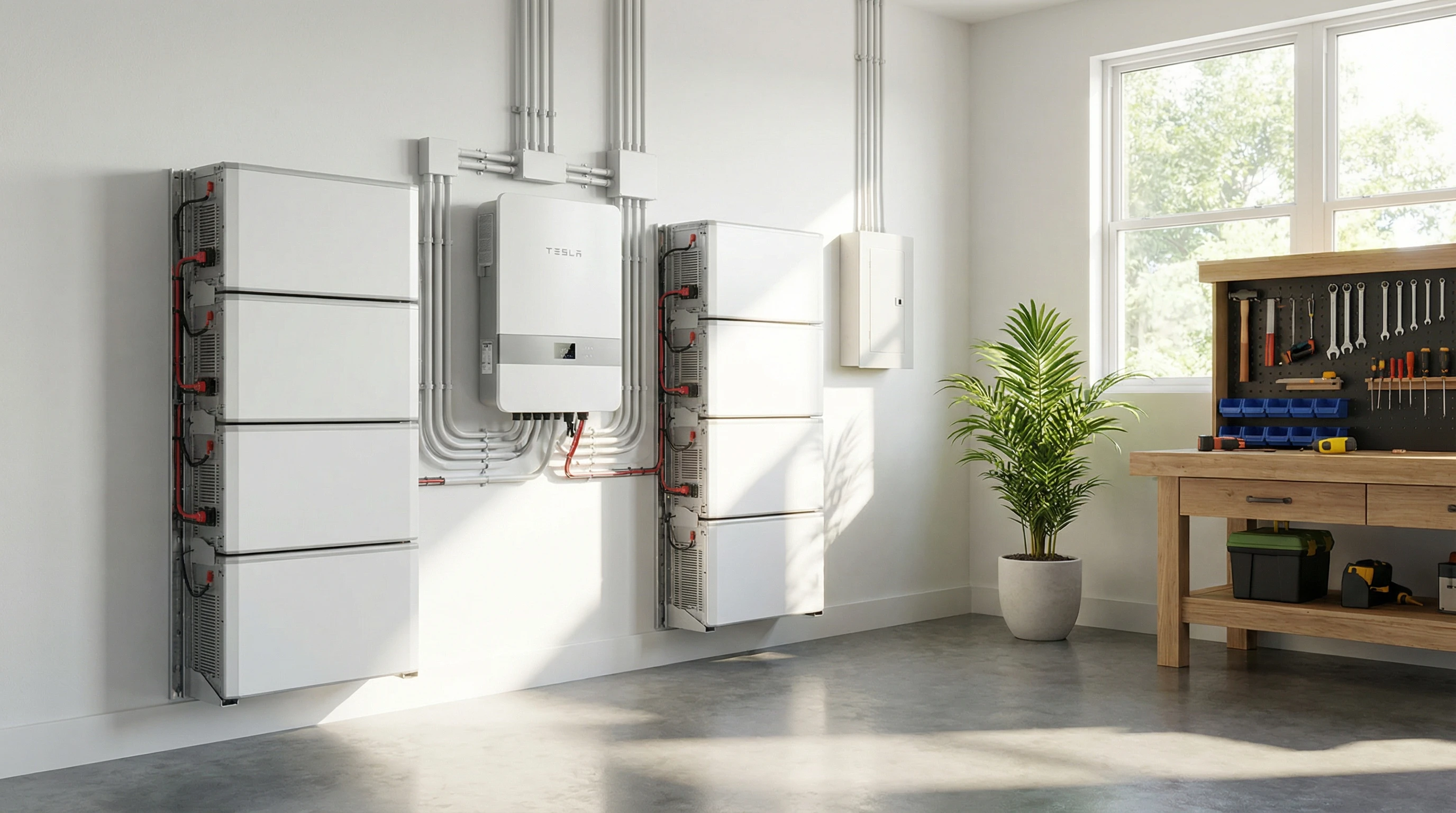
When people talk about solar battery storage, they’re usually referring to a setup of solar panels, an inverter, and at least one battery module. The battery can sometimes look like a minifridge or wallmounted box, and it quietly does its job without much fuss. The technology in these systems has improved rapidly over the past decade, leading to longer battery lifespans and smarter management software.
How Does a Solar Battery Storage System Work?
Here’s the basic process: solar panels absorb energy from the sun and convert it into direct current (DC) electricity. A solar inverter then transforms this into alternating current (AC), which powers nearly everything in your home. If you generate extra energy, the battery stores it for use when sunlight is scarce or your electricity demand goes up.
- Charge: The system charges the battery whenever excess solar power is available.
- Discharge: At night or on cloudy days, the battery releases stored electricity so your home keeps running smoothly.
- Grid connection: If your battery runs out, you can still draw electricity from the grid as usual.
The whole system is pretty hands-off after installation. Sophisticated monitoring apps that come with most batteries now let you track storage levels, usage patterns, and even tell the battery when to charge or discharge depending on time-of-use tariffs. With new systems, in-depth analytics allow you to spot trends in your power consumption, which can help you adjust your habits for greater efficiency in the long run.
Costs of Solar Panels and Battery Storage
Cost is always the big question. Solar battery storage systems can range from a few thousand pounds to well over £10,000, depending on the battery size, brand, and whether you’re adding batteries to an existing solar array or starting from scratch with panels and inverter. The price also depends on the capacity—the bigger the battery (measured in kWh), the more it costs.
As a rough guide, in the UK:
- Standalone solar batteries for homes typically run £3,000–£7,000 for 5–10 kWh capacity.
- Complete kits (solar panels plus battery storage) can be £6,000–£15,000.
It’s worth checking with your energy provider, as some, like Octopus and EDF, offer discounts, finance options, or special tariffs for customers using solar battery storage. Some local councils occasionally offer grants or low-interest loans to make solar investment more accessible, so it pays to check local schemes too.
Solar Battery and Inverter: The Heart of the System
The inverter is a key piece. This device doesn’t just convert DC to AC, it also manages the flow of power between your panels, battery, home, and grid. Some inverters are built specifically for battery systems, while older solar installations may need an upgrade (or an additional inverter) if you want to add storage later.
Not all batteries and inverters are compatible with every kind of solar panel, so talking to a local installer about your current setup can help avoid headaches later on. Some well-known brands in the UK like Eon, EDF, and Octopus make this a lot more straightforward with their all-in-one packages.
Popular Solar Battery Brands and Kits in the UK
The UK market has a good selection of battery brands, with varying sizes and technology types. Here are a few to keep an eye out for:
- Eon Solar Battery: Good for integrating with Eon’s solar plans and smart home technology.
- EDF Solar Battery: Built specifically for EDF Energy customers with tailored support.
- Octopus Solar Panel Battery Storage: Known for smart tariffs and integration with flexible energy plans.
Plenty of general battery storage kits let you customize for your needs. Some come with just the battery and inverter, while others are bundled with panels. If you’re new to the world of solar, an allinone kit can make installation and compatibility simpler. Many of these brands offer support lines that answer questions about system design, helping you pick what fits your home and budget.
Solar Battery Storage Price UK: What to Expect
In the UK, prices have been coming down as technology improves and more homeowners invest. Current battery-only installations average £4,500 to £7,000 for a setup that can handle daily home needs. Installation, cabling, and technical support are usually rolled into the price if you work with a certified installer. If you already have panels, adding a battery could be less expensive.
The payback time depends on how much of your solar-generated electricity you’re using yourself. If you use almost all your home-grown power (and avoid buying costly peaktime electricity), you could see returns in 7–10 years, sometimes less with a good tariff or when paired with an electric car charging setup. Of course, this all depends on your usage and local energy prices.
How Long Will a 200W Solar Panel Charge a 100Ah Battery?
This is one of those questions I get a lot, and it’s a great way to get a feel for system sizing. Here’s a quick calculation for a 12V, 100Ah battery (which equals 1.2 kWh of storage):
- A 200W solar panel, in good sunlight, will generate roughly 1.0–1.2 kWh per sunny day in the UK.
- This means it would take just over one full day of sunshine to charge a 100Ah battery from empty to full, assuming you’re not pulling power from it during charging.
Real-life results depend on things like cloud cover, shading, the time of year, and system losses during charging. An installer can help you size your system to make the math line up with your daily usage. Always consider factors like roof orientation and panel angle, as they directly impact how much sunlight your panels receive.
Is Solar Battery Storage Worth It?
The answer depends on your energy usage and pricing. If you’re often at home during the day using appliances, you may use most of your solar directly, and a battery pays back slower. If you’re out during the day but home in the evenings, a battery can really help you maximize your self-consumption and lower your bills. For homeowners working from home or running businesses on-site, batteries can provide that extra reliability. Also, with energy prices going up and power cuts becoming more of a concern for some, battery systems look more attractive every year.
Pros and Cons of Solar Battery Storage
- Pros:
- Use more of your own solar energy (boosts self-consumption).
- Backup power during outages (for some setups).
- Can help future-proof your home against rising energy prices.
- Smart tariffs and grid-sharing schemes save even more.
- Potential to connect with home automation and smart home systems for enhanced control.
- Cons:
- High upfront cost.
- May take a while to see payback if your consumption is low.
- Batteries have a lifespan—most last 8 to 15 years before replacement.
- Recycling and disposal of old batteries still presents environmental challenges.
Solar Battery Storage Reviews and Real-World Usage
Most reviews I’ve seen from real users are pretty positive, with many folks enjoying smaller bills and the feeling of energy independence. A few things to keep in mind from people’s stories:
- Getting batteries sized correctly is important. Too small, and you might drain them too soon. Too large, and you’re paying extra for capacity you won’t use.
- Pairing with an EV or heat pump can make the math work out even better.
- Monitoring apps are great for seeing your usage, but they take a bit of getting used to.
- Regular system checks and keeping software updated can avoid unexpected hiccups down the line.
Some reviewers suggest waiting for battery tech to get even cheaper, but others feel the peace of mind and savings make it worthwhile now, especially as energy prices rise. It’s clear from both positive and critical feedback that doing your homework and choosing reliable installers and brands makes a big difference.
Free and Subsidized Solar Battery Storage
There aren’t many totally free options, but some energy providers and local councils occasionally run pilot programs or special offers. For example, Octopus and EDF sometimes provide battery storage discounts or lease deals if you join their grid flexibility schemes. It’s always smart to check with your local energy suppliers and keep an eye out for community energy projects. Some housing developments are now including batteries and panels as standard in new homes, reflecting increased demand for green solutions.
Frequently Asked Questions
Question: Can I go off-grid with solar battery storage?
Answer: Completely disconnecting from the grid is tricky in the UK climate unless you go big with batteries and panels. Most people use batteries to minimize, not eliminate, grid use.
Question: How long do batteries last?
Answer: Home batteries generally last 8–15 years before you notice a drop in performance. Keeping them in a cool, dry space and using smart charging modes can help extend their life.
Question: Are there government grants or incentives for solar battery storage?
Answer: At the moment, incentives are limited, but it’s always worth checking gov.uk and local council websites for pop-up schemes or upcoming grants.
Solar Battery Storage Systems Explained: Wrapping Up
Solar battery storage can be a smart addition to a home solar panel system if you’re looking to cut down on bills, have more reliable power, or just make the most out of your renewable energy. Prices are getting more accessible, systems are becoming easier to monitor and control, and many energy companies offer support or deals to help you get started. If you’re interested, a good first step is to talk with a certified installer and read reviews from people who’ve already made the leap—real-world experience counts for a lot. By making informed choices, you can step into solar with confidence and potentially enjoy peace of mind and lower energy bills for years to come.