
Picking the right solar panels for your home sounds like a huge job, especially if you’re new to solar energy. I’ve been researching this for a while, and trust me, I’ve seen that it’s not just about grabbing the first option you find. There are a few practical things to keep in mind, from efficiency and cost to whether you’re eligible for grants. In this article, I’ll break down everything I’ve learned, step by step, to help you steer through all the choices and end up with solar panels that really suit your home and your budget.
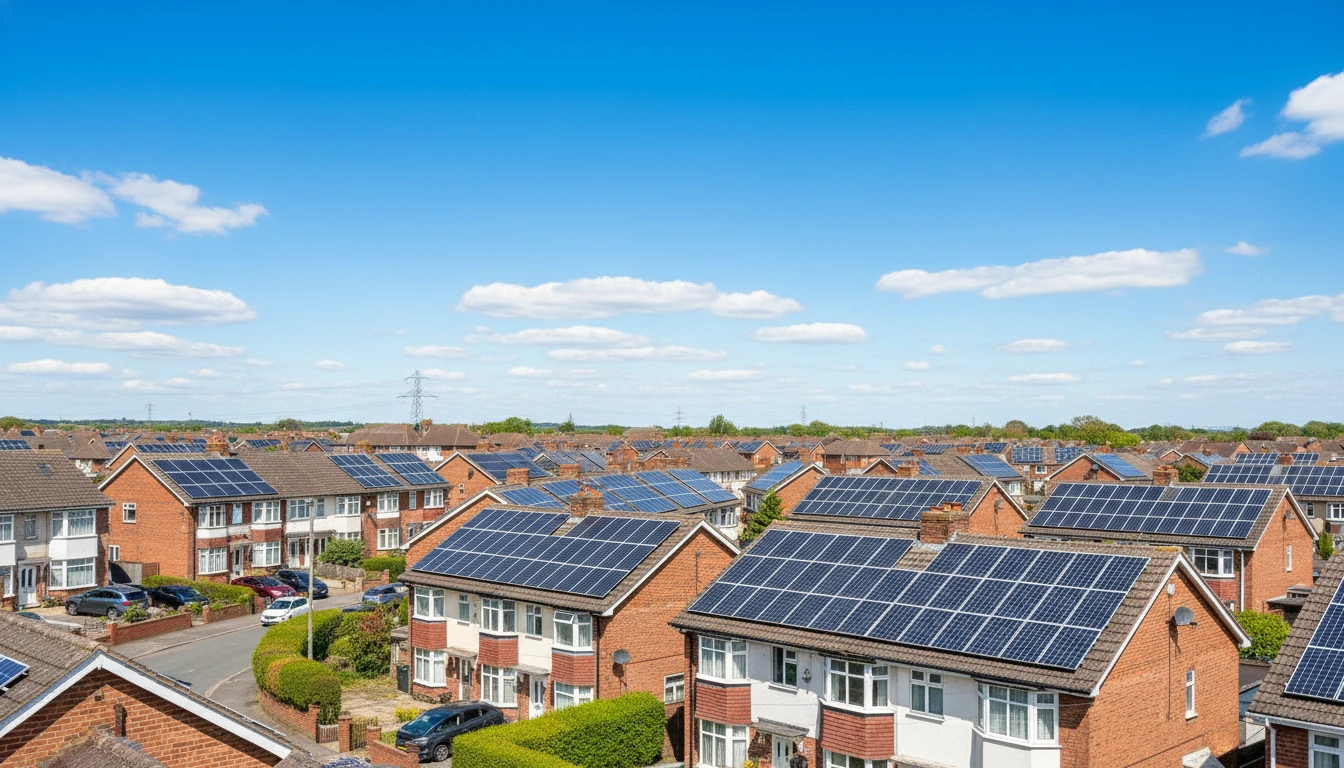
Getting Clear on How to Choose the Right Solar Panel for Your Home
Stepping into the world of solar panels opens up a pile of choices. It’s easy to get lost in technical terms, but it all boils down to a few key ideas: how well the solar panel performs (efficiency), how much roof space you’ve got, your typical electricity use, and your overall budget.
Solar panels are measured by how many kilowatt-hours (kWh) they produce and how efficient the panels are at converting sunlight into usable electricity. UK homes generally use between 2,900 and 4,600 kWh per year, so you’ll want enough panels to cover that or at least knock a big chunk off your monthly electric bills.
After a lot of research and chats with homeowners who’ve gone solar, I’ve realized it’s really important to work out your home’s exact needs before buying. Checking recent energy bills and using a UK solar calculator online can help figure out what size system fits your lifestyle and roof. If possible, consider the potential for future energy needs, especially if you plan on buying an electric vehicle or adding new energy-hungry appliances. This forward-thinking approach will prevent you from outgrowing your solar setup too quickly.
How Do I Know Which Solar Panel to Buy?
No two solar panels are exactly alike, so picking the right type takes a bit of comparison shopping. Here are the main things I look for when browsing:
- Panel efficiency: This figure tells you how well the panel turns sunlight into electricity. Most home panels range from 18% to 22%, and higher efficiency means you get more energy from the same roof space.
- Type of panel: Monocrystalline panels are usually the most efficient and blend in nicely on dark roofs, while polycrystalline cost less but take up a bit more room for the same output. Thinfilm panels exist too, but they’re less common in the UK home market.
- Warranty: Standard warranties run from 10 to 25 years. A longer warranty is always a good sign as it shows the company stands behind its product.
- Reputation of the supplier/installer: Checking for good reviews and MCS certification helps you avoid dodgy companies.
I also recommend talking to neighbours who have solar panels if they’re happy with their systems. Most of them mention practical stuff like how their installers handled roof layouts and handled local weather, so getting their experiences is invaluable. Consider reading online forums where homeowners share ongoing performance updates, as this can offer real-world insight into product reliability over time.
Using a Solar Panel Calculator: Sizing and Costs in the UK
An online solar calculator is pretty handy for getting a rough idea of what you’ll need and how much it might cost. You just enter your postcode, your average monthly bill, and the size of your roof, and the calculator spits out a recommended system size along with an estimated price and potential savings.
As of 2024, the cost per watt for panels has come down quite a lot, so a typical 4kW system (which covers the average UK home) costs between £5,000 and £7,000, including installation. Some calculators also include battery options if you want to store extra energy, which makes sense if you want to use solar power at night or on cloudy days. Including a battery can raise your upfront cost by £2,000 to £6,000, depending on the size and manufacturer, but it provides added flexibility and greater independence from the grid.
Most tools give you realistic savings forecasts, but they’re based on averages. Actual results can be higher or lower depending on how much sun your roof gets or how much electricity your household uses during the day. For a more customised estimate, it’s worth digging into calculators on installer websites, or from reliable sources such as the Energy Saving Trust. These tools typically update their information regularly and factor in the latest tariffs and incentives.
How Much Do Solar Panels for My Home Cost in the UK?
The upfront cost is a big factor when choosing solar panels, and it helps to get a ballpark figure before you go to the next step. Right now, the price of an average 3 to 4kW solar panel system in the UK (enough for most family homes) usually falls between £5,000 and £7,000, as I mentioned earlier. This includes panels, inverter, and standard installation. Larger homes or houses with higher energy use might need bigger systems, which means the total can reach £8,000 to £10,000.
Some extra costs may also appear. For example, if your roof needs repairs before the panels can go on, or if you want to add a battery system, that will make the price go up. On the plus side, installing batteries lets you save extra solar power for use in the evenings or during power outages. There are even solar panel only and solar panel with battery packages, giving you flexibility based on your needs.
Don’t forget the potential for increased home value. Many buyers actively look for energy saving features like solar, and panels can make your property stand out if you ever sell. Factor this into your overall budget when considering the long-term benefits.
Government Grants and Incentives for Solar Panels in the UK
One of the best ways to bring down the cost of solar panels is by looking into government grants and incentives. The UK government runs several schemes, and though they change from time to time, a few have stuck around and are really worth checking out:
- Zero VAT on solar panels: As of 2024, installing solar panels on your home is VAT-free. You don’t need to add the usual 20% tax to your bill.
- SEG (Smart Export Guarantee): This scheme pays you for any extra electricity you export back to the grid, which helps speed up your payback period.
- ECO4 and Local Grants: Some low-income households may qualify for support under the ECO4 scheme or similar grants, especially if you’re upgrading the energy efficiency of your home at the same time. Local council websites often list their available grants, so it’s worth checking there.
The Energy Saving Trust (energysavingtrust.org.uk) is a solid place to start for updates on the latest grants and for advice on finding reputable installers. It’s important to keep an eye out for new schemes, as requirements and funding can switch up from year to year.
What’s the Average Monthly Electric Bill with Solar Panels in the UK?
How much you’ll save on your electric bill varies depending on how much solar power you use as it’s generated. The more you match your energy use to sunlight hours, the better your savings. For UK homes with a typical 4kW solar system, many people see a reduction of £400 to £600 per year from their electricity bills, and sometimes more if energy prices are high or if you combine solar panels with a home battery.
After the panels are installed, you’ll find some months where your bill is really low, especially from April to September when days are longer. In winter, your savings may dip but you’ll still see a difference throughout the year. Over the long haul, most UK homeowners find their panels pay for themselves after about 8 to 12 years, and as electricity prices rise, savings often grow over time. Some homeowners also see a rise in their home’s value, as more buyers appreciate clean energy features.
Solar Panels for Home Use in the UK: Practical Buying Tips
Choosing panels is only half the story. You also need to think about where they’ll go and who’s going to install them. Here are some practical pointers that I keep in mind:
- Roof orientation: Southfacing roofs get the most sun, but east and west can work well too. Avoid shady areas caused by trees or nearby buildings.
- Installer certification: Look for installers who are MCS-certified (the UK quality mark for renewable energy installers), and ask to see a portfolio of finished jobs, so you can spot the quality of their work.
- Panel aesthetics: Some modern panels are truly eye-catching! If you care about appearances, choose blackframe or all-black finish options for a smarter, tidier look.
It’s smart to get a few quotes and avoid installers who try to pressure you into quick decisions or who make over-the-top promises about savings. Trustworthy companies will offer a site survey and take the time to answer your questions thoroughly. Consider asking how long the installation will take, what guarantees or after-sales support is provided, and what the process is if you have an issue down the road.
Are Solar Panels Worth It? Common Myths and Honest Drawbacks
I’ve heard plenty of rumours about solar panels being “not worth it.” It’s true that for some homes, solar might not deliver massive savings right away. If your roof is very shaded, you don’t use much power during sunlight hours, or you’re planning to move soon, then the payback period may not match up with your goals.
But for most people, solar panels really do make a difference—not just to bills, but also to your home’s resale value and carbon footprint. Breaking even takes some time, but even with the UK’s cloudy skies, I’ve seen that solar panels work year-round and keep producing even on grey days. Myths about poor winter performance or constant maintenance are largely outdated. Advances in solar technology have made today’s panels more resilient, efficient, and lower maintenance than ever.
If you want absolute independence from the grid, remember that adding a home battery is helpful but adds cost. However, pairing solar panels with batteries increases your energy independence and boosts savings in the long run. Be aware of your region’s weather patterns and consult local installers who can assess how shade, roof angle, or building orientation might affect the output at your exact location.
Tips on Finding the Best Solar Panels in the UK
The “best” solar panel brand depends on your needs—maybe you prize efficiency, price, warranty, or looks. Leading brands in the UK include REC, JA Solar, Jinko, and LG (though LG have exited the market, there are still some panels available). Homeowners also rate panels from SunPower, Q CELLS, and Canadian Solar. My tip is to compare spec sheets, check warranties, and stick with well-reviewed brands installed by MCS-certified professionals. Pay attention to the kind of after-sales support offered by both manufacturers and installers, as this can make a big difference if you ever run into problems.
For battery options, companies like Tesla Powerwall, GivEnergy, and Sonnen are strong contenders if you want to add energy storage to your setup. Research battery warranties, cycle lifespans, and integration with solar inverters before choosing.
Frequently Asked Questions About Solar Panels for UK Homes
How do I know if my roof is suitable for solar?
Your roof should be in decent condition, have good sun exposure, and not be shaded most of the day. A local installer can assess this for you and help sketch out your system options.
Do I need planning permission to install solar panels?
Most properties in the UK don’t need planning permission unless you live in a listed building or conservation area. Always check with your local council to be sure, as requirements can differ in some areas.
Can solar panels work on cloudy days?
Yes. Modern panels still generate electricity in cloudy weather, though not at full power. The UK’s long summer days help balance out the lower winter output.
What’s the maintenance like?
Most panels are nearly maintenancefree. Routine checks and occasional cleaning, especially for debris or bird droppings, keep everything working at its best. Some installers offer annual service plans for extra peace of mind.
Taking the time to research, plan, and compare helps buyers make smart decisions and get maximum value from solar panels on their homes. Solar doesn’t just lower bills—it helps move us towards a cleaner, greener future for the UK. If you’re considering going solar, make sure to connect with experienced installers, ask plenty of questions, and keep these tips close. You’ll be setting yourself up for a smooth shift to renewable energy and years of savings ahead.