
Heating my home efficiently and sustainably has become more important than ever, especially with rising energy prices and growing environmental concerns. That’s why geothermal home heating really caught my attention. It’s often described as one of the most efficient and eco-friendly alternatives to traditional systems, with the potential to save money while reducing carbon emissions.
If you’re curious about how geothermal heating works and whether it might suit your home, here’s a clear breakdown based on research and real-world examples.
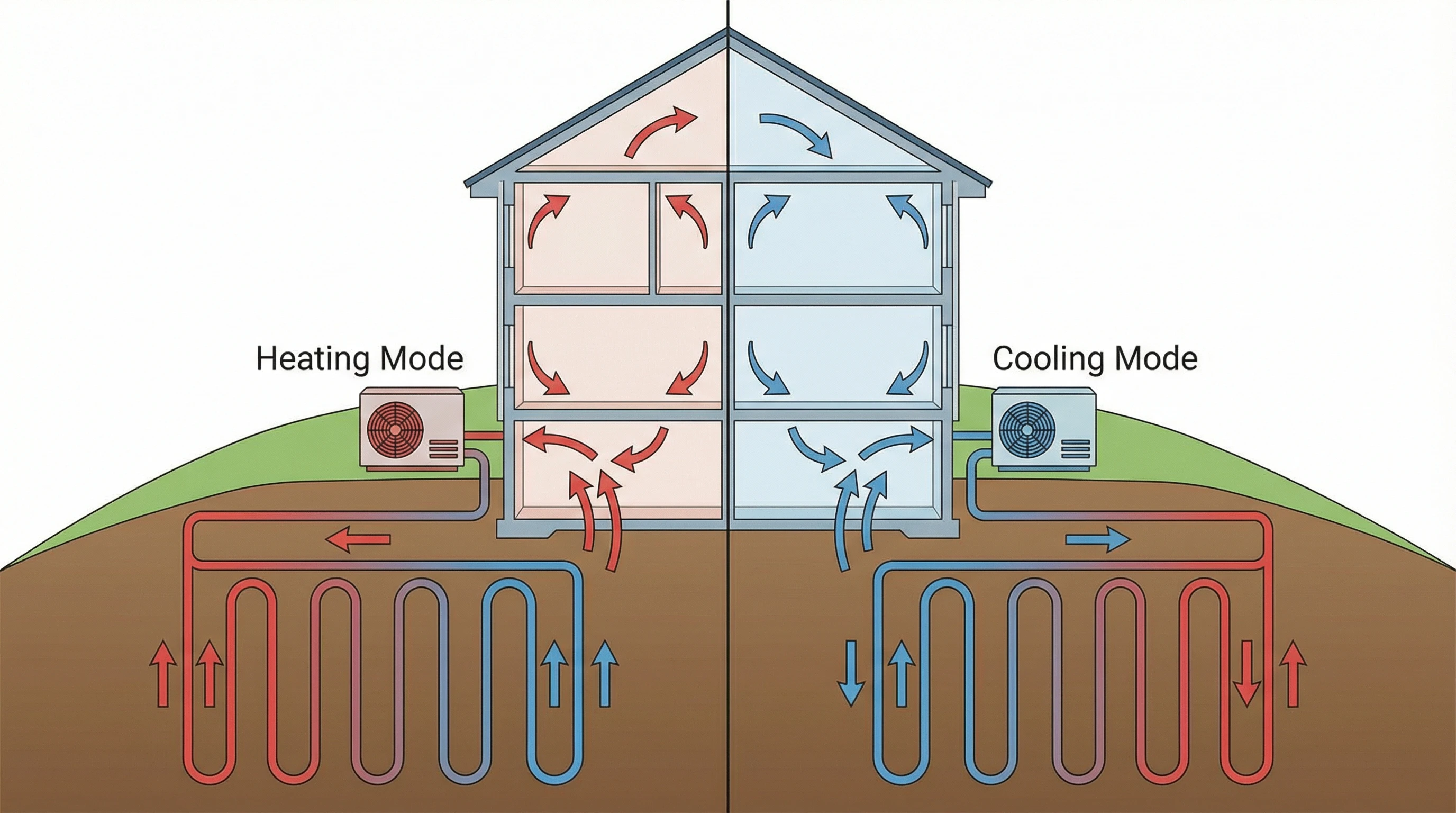
How Geothermal Heating Works
Geothermal heating uses the stable temperature found just below the earth’s surface to heat and cool your home. While outdoor air temperatures fluctuate throughout the year, the ground a few feet down usually stays between 7°C and 24°C (45°F–75°F) all year round.
A geothermal system transfers heat between your home and the earth using three main components:
- Ground Loop: A network of pipes buried underground filled with water or antifreeze solution.
- Heat Pump: Installed inside your home to move heat in or out.
-
Distribution System: Ductwork or underfloor heating to circulate warm or cool air/water.
In winter, heat is drawn from the ground and transferred indoors.
In summer, the process reverses, moving heat out of your home and into the ground.
Everything runs quietly, with no combustion and no fuel deliveries – just steady, efficient temperature control.
Getting Started With Geothermal Heating at Home
Installing a geothermal system requires careful planning. The ground loop can be installed in two main ways:
-
Horizontal loops: Cheaper but require more land
-
Vertical loops: Ideal for smaller gardens but cost more to drill
Professional installers assess:
- Soil type
- Available land
- Home size
-
Local regulations
Although the upfront cost is higher than traditional systems, government incentives and low running costs can offset this over time.
In areas with rocky ground or limited space, drilling may increase costs, but it often results in very stable long-term performance. Many installers offer savings projections compared to gas or oil systems, which helps you make an informed decision.
Geothermal Heat Pump Explained
The geothermal heat pump is the heart of the system. It works similarly to a fridge – but in reverse:
- Absorbs heat from the ground loop
- Compresses it to raise temperature
-
Releases heat into your home
Some systems can also heat water for taps and showers, further reducing energy bills.
Modern heat pumps include:
- Variable-speed fans
- Smart thermostats
- Remote app control
Some even learn your habits and adjust automatically for better efficiency and comfort.
Monthly Costs And Potential Savings
One of the biggest advantages is long-term savings. According to energy studies:
- Up to 65% savings vs electric heating
-
Around 45% savings vs air-source heat pumps
Typical running costs for a 3-bedroom home can range between £30–£70 per month, depending on insulation and electricity prices.
Maintenance is minimal:
- Annual servicing
- Filter changes
-
No outdoor unit exposed to weather
Ground loops often last 50+ years, while heat pumps last 20–25 years.
Benefits Of Geothermal Home Heating
- Extremely energy efficient
- Lower monthly bills
- Very quiet operation
- Long lifespan
- Reduces carbon emissions
- Provides heating + cooling in one system
-
Increases property value
Many buyers now actively look for eco-friendly features, making geothermal a strong selling point.
Advantages And Drawbacks
Pros
- Consistent comfort year-round
- Low maintenance
- Quiet and safe
- Reduced emissions
-
Boosts resale value
Cons
- High upfront cost
- Installation requires digging
- Not suitable for every property
- Professional installation needed
-
Payback takes time
Despite the drawbacks, most homeowners find the long-term benefits outweigh the initial cost.
Geothermal Heating Around The World
Iceland leads the way – over 90% of homes use geothermal heating thanks to volcanic activity.
Other adopters include:
- USA
- New Zealand
- Italy
- Germany
- Netherlands
In the UK, adoption is growing slowly due to older housing stock and limited garden space. However, vertical loops and community heat banks are changing that.
Cooling And Year-Round Comfort
Geothermal systems provide:
- Winter heating
- Summer cooling
- Balanced indoor temperatures
-
Less dry air
This makes them ideal for:
- Allergy sufferers
- Families with children
-
Quiet home environments
What To Consider Before Installing
- Garden size
- Soil type
- Budget
- Available grants
- Long-term plans
-
Installer experience
Many companies offer free site assessments, which are worth taking advantage of.
Frequently Asked Questions
How does geothermal heating work?
It transfers heat between your home and the ground using a heat pump.
How much can I save?
30–65% on heating and cooling bills on average.
Does it work in cold climates?
Yes. Ground temperature stays stable even in winter.
Is geothermal suitable for the UK?
Yes, especially for new builds and properties with garden space.
Final Thoughts
Geothermal home heating offers:
- Reliable comfort
- Predictable energy costs
-
Low environmental impact
While installation requires planning, the long-term rewards make it a smart option for anyone looking to future-proof their home.