
Interest in wind energy for homeowners is definitely picking up as more people look for cleaner, more independent ways to power their homes. With electricity bills always on the rise and all the buzz around sustainability, it’s no wonder folks are curious whether wind turbines could make a real difference at home. While solar panels get most of the spotlight for home energy, wind energy aims for the same clean energy goals but works differently and comes with its own perks and roadblocks. So, the real question is: are small wind turbines for homes truly practical, or do they just sound cool on paper?
How Wind Energy Works (Simple Explanation)
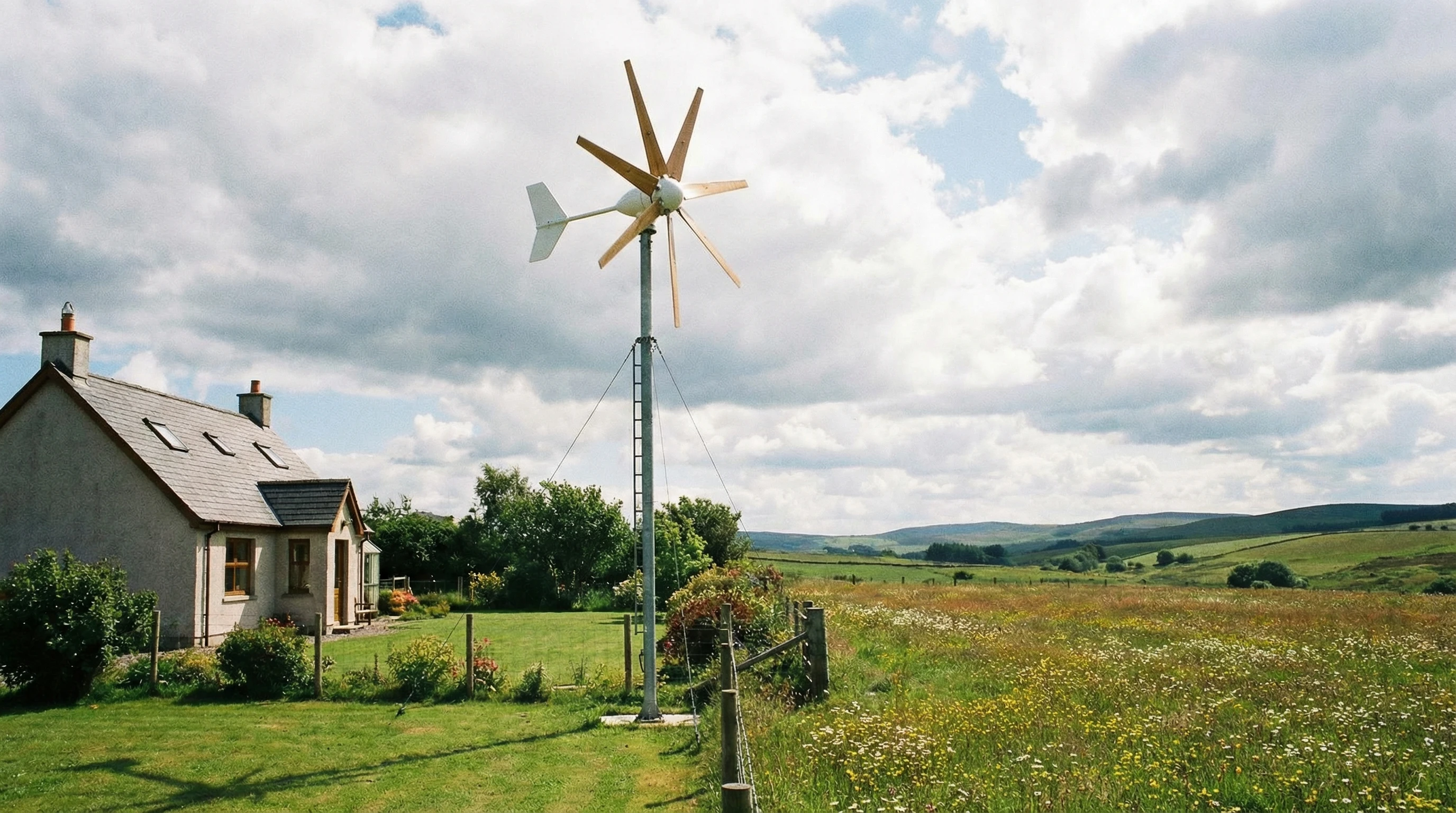
Wind energy is pretty straightforward. Wind moves the blades of a turbine, which spins a shaft that turns a generator and produces electricity. Small wind turbines for homes use the same basic idea as the giant wind farms, just at a much smaller scale. The key difference is that residential wind power systems are sized for single homes or maybe a few buildings nearby.
There are two main ways to use wind energy at home: either connected to the main utility grid—which means your system can feed extra power back to the grid if you generate more than you use—or as a standalone offgrid setup, often paired with batteries. Offgrid systems make sense for remote properties where running utility lines doesn’t make sense, while gridconnected systems can help lower your power bill or even earn some credits through net metering.
Types of Wind Turbines for Home Use
Picking out a home wind turbine means figuring out which style works best for your property and local rules. The two main types you’ll see are:
- Horizontalaxis wind turbines: These are the classic windmill shape, with long blades spinning on a tall tower. They tend to be more efficient and are the most common for home setups with enough space.
- Verticalaxis wind turbines: These look a bit like egg beaters and can work with wind from any direction. They’re usually smaller and a bit less efficient but sometimes handle gusty, urban winds better.
Most home turbines are groundmounted on a small tower (anywhere from 30 to 100 feet tall), but some companies make rooftop models. Rooftop turbines save yard space, but rooftops rarely offer strong, smooth wind. Turbulence from the house can reduce their performance a lot.
If you’ve got a big, open rural property, a horizontalaxis groundmounted turbine is usually the top pick. In suburbs or dense neighborhoods, the options are fewer, and local rules might not allow big installations at all.
Pros of Wind Energy for Homes
There are a few things that make residential wind energy pretty appealing for the right homeowner:
- Clean, renewable electricity: Wind energy doesn’t create pollution while running, just clean power from the breeze.
- Works day and night: Unlike solar, wind turbines can generate electricity any time there’s wind, even after sunset.
- Can reduce electricity bills: If your location has enough wind, you can save some cash on your monthly energy bill, or sometimes even spin your meter backward during windy spells with a good gridtied system.
- Pairs well with solar: Hybrid systems, meaning wind plus solar, give you more reliable energy since you’re not relying on just one source. On cloudy, windy days, your turbine keeps working when solar panels slow down.
Cons & Limitations of Residential Wind Energy
There are also real drawbacks and limits to using wind turbines at home, and it’s important to know them upfront:
- Noise: Even small wind turbines make some noise, and it’s noticeable in quiet rural areas. Not everyone minds, but it’s something to think about, especially if you have close neighbors.
- Zoning and permit restrictions: Many cities and towns have rules about wind turbines: height limits, minimum lot sizes, and setbacks from property lines. Getting approval can be a headache in some neighborhoods.
- Wind resource needs: Not every location gets enough wind. Most experts say you’ll want a yearly average wind speed of 10 to 12 mph at 30 feet or higher. Less than that, and your investment won’t really pay off.
- Visual impact: Some folks don’t like the look of turbines. If your property is in a scenic area or you have picky neighbors, they may push back.
- Upfront costs: Home wind turbines aren’t cheap, with higher initial costs than most home solar systems. Plus, installation (especially tall towers and foundations) adds up fast.
Wind Energy vs Solar Energy for Homes
Comparing wind energy and solar energy comes down to a few practical points. Solar panels tend to be easier, with fewer moving parts, less effort to permit, and a lot more predictable if your area gets decent sunlight. Most homes have at least some roof space for solar, but only some have good wind.
Wind energy can work better than solar during winter or stormy, cloudy weather, provided your site is windy enough. Ongoing maintenance is a bigger deal with wind turbines since they have moving parts, while solar panels mostly need a cleaning once in a while. Wind turbines also tend to have more noticeable visual and noise impacts, which can influence your decision.
Costs for solar have dropped steadily, and there are lots of installers that make going solar pretty hasslefree. On the flip side, wind works best on large, open properties where tall towers are allowed, and regular strong wind is available. Hybrid setups, with both wind and solar, are helpful for folks living offgrid because they provide more consistent power through different seasons.
Is Wind Energy Practical for Urban, Suburban, or Rural Homes?
The practicality of wind energy for homeowners really depends on where your house is located:
- Rural homes: These work best because there’s plenty of open space, fewer rules, and stronger, more steady wind. If you’ve got several acres in a windy spot, a home wind turbine might genuinely cut your grid use.
- Suburban homes: It gets trickier. Lots tend to be too small, rules get stricter, and wind is usually blocked by other houses or trees. It’s possible, but reliability drops and permits are tougher.
- Urban homes: Don’t expect much. Buildings create swirling, turbulent wind that small turbines struggle to use. Rooftop turbines in cities rarely pay off, and zoning almost always gets in the way.
It pays to have realistic expectations; wind turbines at home are not a fit for everyone.
Costs, Maintenance & Lifespan
The total cost of a residential wind power system depends on location, system size, and local regulations, but residential wind systems typically cost between $10,000 and $70,000 installed. Prices may vary significantly outside the U.S. Taller towers and remote locations can push that higher. Unlike solar panels, which can last 25 years or more with little attention, wind turbines have moving parts that wear over time, so regular maintenance—checking bolts, lubricating components, monitoring bearings, and replacing parts occasionally—is required. Most small turbines last 15 to 25 years with proper care, though homeowners should budget for some repairs and ongoing maintenance.
For example, you might need to replace the blades or generator after several years, depending on the local wind conditions and how much you use the turbine. Hiring a professional for an annual inspection is smart to prevent major problems. Also, take into account that warranties on small wind turbines often last less than those for solar panels, so unexpected costs can pop up.
It’s helpful to calculate the payback period for your system. This is how long it takes for your savings on electricity bills to cover your upfront investment. In windy areas, the payback can be under ten years; in less windy spots, it may stretch out much longer and not return the full investment.
Who Should Consider Wind Energy at Home?
Based on what I’ve seen, home wind energy tends to work best for:
- People living on large, open properties (1 acre or more) with few trees or buildings nearby
- Homes that measure average wind speeds of at least 10 to 12 mph at the planned tower height
- Offgrid or semi-offgrid households needing more yearround power than solar alone can provide
- Homeowners who already have solar but want to cover windy, cloudy days or boost battery charging in winter
If your place checks these boxes, it’s definitely worth checking out small wind turbines to see if a pro assessment backs up the investment. Tracking down a reputable installer or reaching out for a wind site survey is the smart move before buying anything. If your property doesn’t meet these conditions, investing in solar or efficiency upgrades often delivers better returns.
Common Myths About Wind Energy at Home
- “Wind turbines are too noisy for homes.” Small turbines do make some noise, usually a gentle “whooshing,” but most aren’t loud enough to annoy if you have at least a couple hundred feet between your home and the tower.
- “They only work when it’s really windy or stormy.” Actually, well-designed turbines start generating at moderate wind speeds. But super light breezes don’t cut it, and some systems even brake themselves to avoid damage in high winds.
- “They’re just for giant farms.” Wind turbines are way more common on farms, but small residential wind turbines are specifically designed for single homes and come in many sizes.
Plenty of info online is either outdated or based on huge commercial turbines, so it’s important to look at the facts as they apply to homes. Checking with local installers or homeowners using wind energy can provide real-world advice.
So… Is Wind Energy Worth It for Homeowners?
For folks with big, windy rural properties who are motivated by clean energy or want to get off the grid, small wind turbines can be pretty handy. Combining wind and solar can give a more reliable, steady supply of power through all sorts of weather. But for most folks in cities or suburbs, it’s pretty tough to make wind energy work. Between zoning, weak wind, and higher costs, solar usually fits better.
Walking around your property with an anemometer (wind meter), checking average speeds, and talking to a local installer are worthwhile steps. Getting a wind site assessment will help avoid costly mistakes before buying anything. Remember, the best sites are free of obstructions, with consistent winds during much of the year. If your site is borderline, it might be smarter to put extra money into energy efficiency or a larger solar array instead.
Frequently Asked Questions
Is residential wind energy noisy?
Small wind turbines do make some noise, a bit like a low “whooshing” or a fan, but with some distance from the house it’s not super disruptive for most people. Your neighbors, however, might notice it if homes are really close together.
How much wind is needed for a home turbine?
You’ll want a yearly average of at least 10 to 12 mph at the turbine’s height. Less than that, and your wind turbine won’t pay off over its life.
Can wind energy power a whole house?
Yes, in the right spot with enough wind and the right size turbine, you can cover most (or sometimes all) of your energy needs, especially if you’re using energysaving appliances or pairing with solar.
Is wind energy cheaper than solar?
Most of the time, solar is cheaper up front and easier to install. Wind has higher initial costs and ongoing maintenance but can balance solar in windy, cloudy regions.
Can wind and solar be combined?
Absolutely! A hybrid system offers the most reliable clean power through all seasons, especially for offgrid homes.