
Some of the links on this page are affiliate links, which means I may earn a small commission if you make a purchase through them, at no extra cost to you. This helps support the site and allows me to continue creating helpful content.
Home wind turbines can reduce electricity bills and provide renewable power, but they only work well on the right property. The best home wind turbine is not simply the biggest or cheapest model — it is the one that matches your average wind speed, energy needs, tower height, budget and local rules.
For most homes, a 5–10 kW horizontal-axis wind turbine is the most realistic option if the site has strong, consistent wind. Smaller 400W–1000W kits can be useful for cabins, RVs, boats or testing wind power, but they are usually not enough to power an average house.
This guide compares practical home wind turbine options for 2026, explains realistic costs and output, and helps you decide whether wind power is actually worth considering for your property.
👉 Want to see real home wind turbine kits and current prices?
👉 Check current prices and availability of the best home wind turbines here.
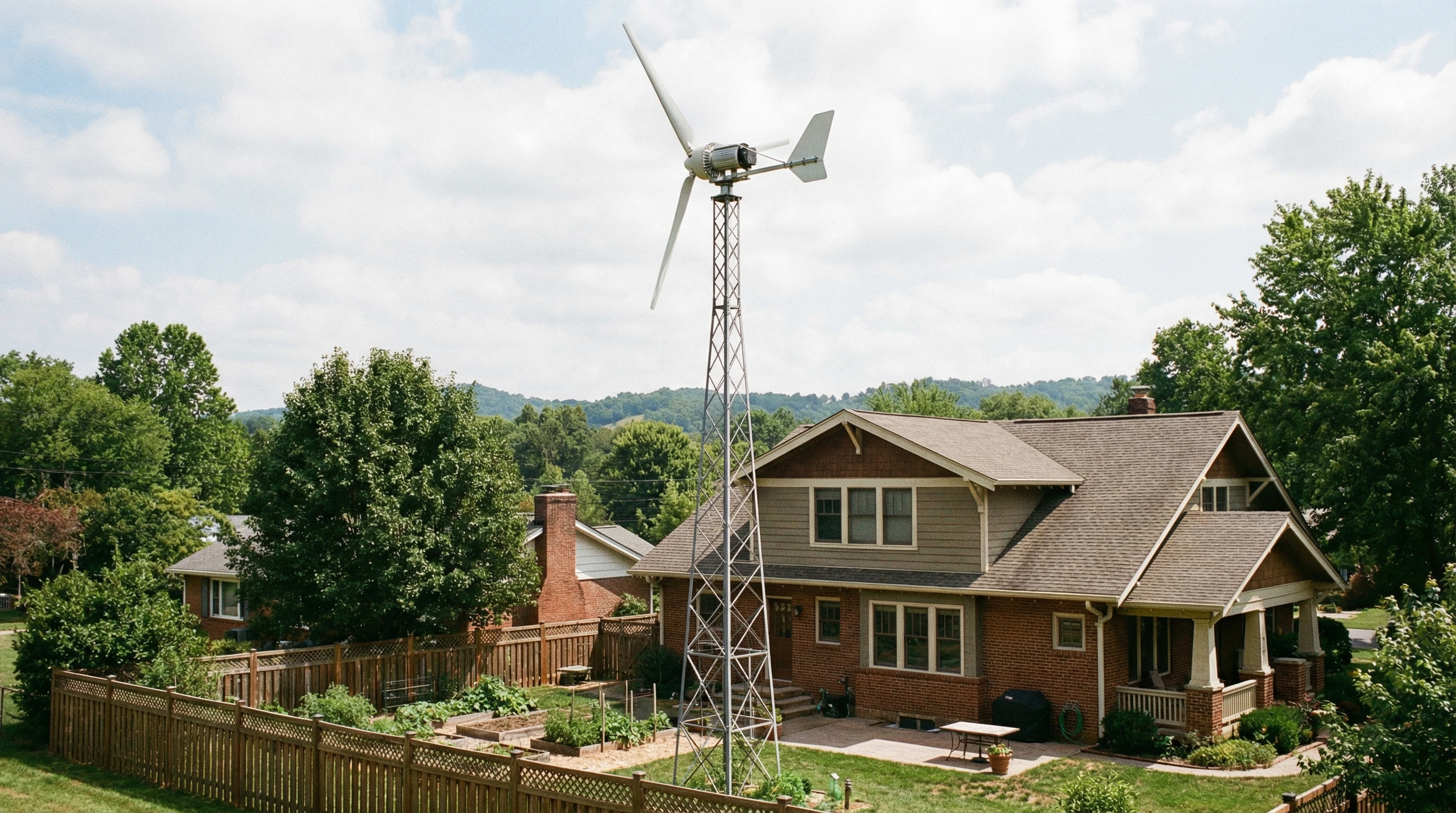
Quick Answer: What Is the Best Home Wind Turbine in 2026?
For a full residential setup, a reputable 5–10 kW horizontal-axis wind turbine is usually the best choice for homes with strong average wind speeds and enough open space. Bergey-style systems are better suited to serious residential installations, while smaller 400W–1000W kits are better for cabins, RVs, boats, backup charging or learning how wind power works.
For most suburban homes, solar panels or a solar-plus-battery setup may be more practical than a wind turbine because solar is easier to install, has fewer moving parts and works in more locations.
👉 Compare current home wind turbine kits and prices: Check current wind turbine options here.
| Option | Best For | Typical Size | Realistic Use |
|---|---|---|---|
| Large residential turbine | Rural homes, off-grid properties | 5–10 kW | Serious home energy production |
| Small wind turbine kit | Cabins, RVs, boats, testing | 400W–1000W | Charging batteries or small loads |
| Vertical-axis turbine | Turbulent wind areas | Varies | Limited residential use |
| Wind + solar hybrid | Backup and off-grid setups | Mixed | More reliable year-round power |
| Solar panels instead | Most suburban homes | Varies | Easier, lower-maintenance option |
What Is the Best Home Wind Turbine for Homes?
The best home wind turbine depends on your wind speed, property size, and energy needs. For most average households, a 5–10 kW horizontal-axis wind turbine from a reputable manufacturer offers the best balance of performance, durability, and long-term return on investment.
How to Choose the Right Home Wind Turbine for Your Home
Not every property is a fit for a residential wind turbine. Before you get things rolling, here are some must-know fundamentals:
- Average Wind Speed: You need a steady breeze; most small wind turbines work best where the average wind speed hits 10 to 12 mph (16–19 kph). If you haven’t measured this on your property, it’s wise to get a simple wind speed test. Measuring wind speed at your site helps you dodge a poor investment.
- Energy Consumption: Check past utility bills to see your monthly kilowatt-hour (kWh) use. This tells you what size wind turbine your home needs.
- Property Size & Clearance: Wind turbines need to be mounted at least 30 feet above anything within 300 feet, so most towers stand 40 to 80 feet tall. A sizable open stretch with few trees or buildings is helpful for good performance.
- Grid-Tied or Off-Grid: Decide if you want to send power back to the grid for credits or enjoy full independence with batteries, which is common for remote homes. Check the installation options for a breakdown of each setup.
Types Of Residential Wind Turbines
Home wind turbines generally fall into two main designs; your property layout will likely steer you toward a clear winner:
- Horizontal Axis Wind Turbines (HAWT): These classic, windmill-like turbines have blades spinning perpendicular to the wind. HAWTs offer the most energy and are the most efficient, especially with reliable wind. They need to be raised high and work best in open or rural settings.
- Vertical Axis Wind Turbines (VAWT): These spin like a giant eggbeater and are not fussy about wind direction. While not as efficient as HAWTs, VAWTs fare better in gusty, shifty winds—handier for urban yards or spots with lots of obstacles.
Quick Comparison: Best Home Wind Turbines
- Best Overall: Bergey Excel 5–10 kW
- Best For Small Homes: Primus Air 40
- Best Budget Option: Eco-Worthy 500W Kit
Note: Larger systems like this are typically installed through certified installers rather than purchased online.
Best Small Wind Turbine Kits Available Online
Labufiz – 1000W Wind Turbine Generator Kit, 12V/24V 5-Blade Windmill for Home, RV, Boat & Camping.
👉 Latest Labufiz turbine prices on Amazon
Istabreeze – model i-500 – 24 V AC – 500 W Power Windrad.
👉 Check latest price on Amazon
Generic – Wind Turbine Generator 1000W.
👉 Check Generic prices on Amazon
Pikasola – 400W Wind Turbine Generator AC 12Volt
👉 Check best budget option on Amazon
Most small wind turbine kits sold online are not designed to power an average home by themselves. They are better suited for battery charging, cabins, sheds, RVs, boats, small off-grid projects or learning how wind energy works. Always check real-world reviews, rated wind speed, controller quality, tower requirements and warranty before buying.
That’s why it’s important to focus on realistic expectations and choose models with reliable reviews and proven performance.
Best Home Wind Turbine Models (Real Picks)
Bergey Excel (5–10 kW) – Best Overall
Best for: Large homes, off-grid systems
Why: Proven reliability, strong output, long lifespan
Downside: High upfront cost
Primus Air 40 – Best for Small Setups
Best for: Cabins, small homes
Why: Easy setup, decent output in moderate wind
Downside: Not enough for full home use
Eco-Worthy Kits – Budget Option
Best for: Beginners / testing wind setups
Why: Affordable, widely available
Downside: Lower efficiency and durability
Do You Need Permission for a Home Wind Turbine?
Before buying a residential wind turbine, check local zoning, planning permission, tower height limits and neighbor restrictions. Rules vary widely by country, state, county and local authority. Even if a turbine is technically suitable for your property, permission and setback rules can affect whether you can install it legally.
Home Wind Turbine Cost By System Size
Pricing varies with brand, height, and where you live. Here’s a snapshot of what to expect (including the wind turbine, tower, needed electronics, and a basic install):
| System Size | Typical Cost | Good For |
|---|---|---|
| 1–3 kW | $5,000–$15,000 | Cabins, tiny houses |
| 5 kW | $20,000–$40,000 | Average households |
| 10 kW | $40,000–$80,000 | Off-grid or large homes |
These costs usually factor in the turbine, tower, inverter, and labor for a straightforward install. Plan for some maintenance expenses over time, such as lubricating components or changing out blades. For a deeper cost breakdown, check out this wind turbine pricing guide.
Expected Energy Output By Turbine Size
Wind turbine output (in kWh) depends a lot on wind speed. A 1 kW turbine in a breezy location might generate 100 to 200 kWh monthly. For 5 kW systems, figures can reach 500 to 900 kWh each month—enough to offset much of a typical home’s needs. A 10 kW turbine in prime conditions often surpasses 1,200 kWh a month.
If your site rarely tops 10 mph winds, a turbine will struggle. Location really matters. For in-depth data, check the Small Wind Turbines For Homes guide.
Reality Check: Do Home Wind Turbines Actually Work?
Most homeowners expect wind turbines to fully power their homes — but in reality, many systems only supplement energy usage.
Wind turbines work best when:
- 10–12 mph average wind speed
- tower height matters
- roof-mounted small turbines are often weak
- suburban turbulence hurts performance
Roof-mounted wind turbines often look convenient, but they usually perform poorly because buildings create turbulent wind. They may also add vibration, noise and structural concerns. For serious output, a properly installed tower in open wind is usually a better option.
In average suburban conditions, performance is often disappointing — which is why many homeowners combine wind with solar systems instead.
Wind Turbine vs Solar (Quick Comparison)
| Feature | Wind Turbine | Solar |
|---|---|---|
| Reliability | Depends on wind conditions | More predictable (sunlight) |
| Cost | Higher upfront cost | Moderate upfront cost |
| Maintenance | Moderate (moving parts) | Low (no moving parts) |
| Best For | Rural / windy areas | Most homes |
👉 If you’re looking for a simpler setup, you can explore solar generator options here.
Grid-Tied vs Battery Systems
Home wind setups generally fall into these two categories:
- Grid-Tied: Turbines feed extra power to your utility; you draw what you need and earn credits for surplus. Lower upfront investment and no battery costs, but won’t supply power if the grid goes down. Reliability is tied to the broader network.
- Battery-Based: Excellent for off-grid or backup needs. Extra energy gets stored for calm days or overnight, though batteries add to the price tag and need regular checkups.
If you’re curious about setup options, see Wind vs Solar comparisons.
If you’re unsure about installation, see my full wind turbine installation guide.
Common Mistakes When Buying A Home Wind Turbine
Plenty of buyers jump in without thinking through every detail. Here are some stumbling blocks to avoid:
- Improper Sizing: Don’t get wowed by a sky-high max rating—focus on what the turbine actually produces at your measured wind speeds.
- Skipping Wind Assessment: Failing to measure wind could leave you with disappointing results. A simple assessment can save big money long term.
- Neglecting Maintenance: Wind turbines can last 15 to 25 years, but they need periodic attention. Choose a model with easy-to-find replacement parts.
- Picking Uncertified Models: Bargain-brand or uncertified turbines may falter quickly and could present hazards on your property.
Are Home Wind Turbines Worth It For Most Homes?
In breezy, rural, or open areas—especially where electricity costs are high—residential wind turbines are a smart investment. Urban dwellers or those whose yards have heavy tree cover usually get better results from solar panels, which tend to be less fussy and easier to maintain. However, combining wind and solar provides year-round backup. For more on making this call, check the Wind vs Solar review.
Good wind power candidates include:
- Expansive rural properties
- Hilltops or ridges exposed to wind
- Areas where solar panels don’t perform well due to clouds or snow
👉 If you’re serious about installing one, it’s worth comparing real models and prices before deciding.
See the small wind turbines guide for realistic online kit expectations
Who Should Not Buy A Home Wind Turbine?
Home wind turbines are not ideal for:
• Urban properties with limited space
• Areas with average wind speeds below 9 mph
• Homeowners unwilling to maintain moving equipment
• Small suburban lots with zoning restrictions
In these situations, solar panels are usually a more practical option.
Final Thoughts
Choosing the best home wind turbine means matching the model to your wind resource, energy habits, land, and wallet. Doing your homework and collecting local wind data are the keys to getting more from your investment. For installation and planning pointers, see the Home Wind Turbine Installation Guide as well as the in-depth look at Wind Turbine ROI.
👉 Ready to choose a system that actually works?
Compare residential wind turbine options before choosing a system
Frequently Asked Questions
What is the best home wind turbine for residential use?
The best home wind turbine for residential use is usually a properly sized horizontal-axis turbine installed on a suitable tower in an area with strong, consistent wind. For serious home energy production, many homeowners look at systems in the 5–10 kW range, but the right size depends on your wind speed, energy use, property layout, budget and local rules.
Small 400W–1000W wind turbine kits can be useful for cabins, sheds, boats, RVs or battery charging, but they are usually not enough to power an average home by themselves.
How big of a wind turbine do you need to power a house?
Many homes would need a wind turbine in the 5–10 kW range to make a meaningful contribution to household electricity use. Larger homes, rural properties or off-grid setups may need more capacity, while smaller homes with lower energy use may need less.
However, turbine size is only part of the picture. Average wind speed, tower height, open space, system efficiency and local installation conditions all affect how much electricity a home wind turbine can actually produce.
How much does a home wind turbine cost in 2026?
A small wind turbine kit may cost a few hundred to a few thousand dollars, but these smaller systems are usually designed for light-duty use, battery charging or small off-grid projects.
A serious residential wind turbine system can cost much more once you include the turbine, tower, inverter, batteries if needed, wiring, installation, permits and maintenance. For many homes, a professionally installed system can cost thousands to tens of thousands of dollars, depending on size and site conditions.
Are small wind turbines worth it for homes?
Small wind turbines can be worth it for cabins, remote buildings, boats, RVs, farms or battery charging in windy locations. They are less likely to be worth it for a typical suburban home with low wind speeds, nearby buildings, trees or limited space.
If your property does not have strong and consistent wind, a small turbine may produce much less electricity than expected. In many suburban areas, solar panels are often more practical than small wind turbines.
Do home wind turbines work in suburban areas?
Home wind turbines can work in some suburban areas, but they often face major limitations. Houses, trees, fences and nearby buildings create turbulent wind, which reduces performance and can increase noise, vibration and wear on the turbine.
For most suburban homes, a roof-mounted or very small turbine is unlikely to produce enough power to make a major difference. A proper tower in an open, windy location usually works much better, but local rules and space limits may make that difficult.
Do you need permission to install a home wind turbine?
In many places, yes, you may need planning permission, zoning approval or a local permit before installing a home wind turbine. Rules can vary by country, state, county, local authority and neighborhood.
Before buying a turbine, check local height limits, setback rules, noise restrictions, building codes and grid connection requirements. It is also worth considering how close the turbine would be to neighbors, roads, trees and buildings.
Is a home wind turbine better than solar panels?
A home wind turbine can be better than solar panels on the right property, especially in open rural areas with strong wind and enough space for a tower. Wind can also produce power at night or during cloudy weather if conditions are good.
For most suburban homes, solar panels are often easier to install, easier to maintain and more predictable. The best option depends on your location, average wind speed, sunlight, available space, budget and energy goals.