
Some of the links on this page are affiliate links, which means I may earn a small commission if you make a purchase through them, at no extra cost to you. This helps support the site and allows me to continue creating helpful content.
Wind energy sounds like a perfect solution: clean, renewable, and powered by nature. But when it comes to real-life use—especially for homeowners—the reality is a bit more complicated. Some people save money and gain energy independence with wind turbines. Others end up with expensive systems that barely produce enough power to justify the cost.
So is wind energy actually worth it in 2026?
In this guide, I’ll break down the real pros and cons of wind energy, based on how it performs in everyday situations—not just theory. Most homeowners don’t realize that wind energy only works well in very specific conditions — and in many cases, it simply doesn’t pay off.
👉 Not sure if wind energy is actually worth it for your home?
Compare the best home wind turbine systems and real prices here before making a decision.
If you’re considering installation, see my step-by-step wind turbine installation guide.

Quick Answer: Is Wind Energy Worth It?
Wind energy is worth it if:
- You live in a consistently windy area
- You have enough land or open space
- You’re aiming for long-term energy savings
- You’re willing to invest upfront
It’s usually NOT worth it if:
- You want a simple, plug-and-play solutionHow Does Wind Energy Work?
- Wind speeds are low or inconsistent
- You live in a city or built-up area
- You’re looking for a quick return on investment
Here’s a quick comparison to help you decide:
Wind Energy Pros and Cons at a Glance
| Feature | Wind Energy | Solar Energy |
|---|---|---|
| Reliability | Depends on wind conditions | More predictable (sunlight) |
| Installation Cost | High | Medium |
| Maintenance | Moderate (moving parts) | Low (no moving parts) |
| Noise | Can be noticeable | Silent |
| Space Needed | Requires open land | Works on rooftops |
| Efficiency | High in windy areas | Consistent in most regions |
| Best For | Rural / windy locations | Most homes |
| Ease of Setup | Complex | Easy / plug-and-play options available |
| Payback Time | 8–15 years (variable) | 5–10 years |
For most homeowners, solar is the simpler choice — but wind can outperform it in the right conditions.
👉 Want a simpler setup? Explore solar generator options for home backup here.
The Real Advantages of Wind Energy
1. Clean and Renewable Power Source
Wind energy produces electricity without emissions, making it one of the most environmentally friendly energy sources available.
Once installed, your system generates power without fuel, pollution, or ongoing environmental impact.
2. Low Operating Costs
After the initial installation, maintenance costs are relatively low compared to traditional energy systems.
There’s no fuel to buy, and modern turbines are designed to run efficiently for years with minimal intervention.
3. Potential for Energy Independence
A properly sized wind system can reduce—or even eliminate—your reliance on the grid.
This is especially valuable in rural areas or places with unreliable electricity supply.
4. Works Well in Remote or Off-Grid Locations
Wind turbines can be a great option where solar isn’t always reliable, especially in regions with:
- Frequent cloud cover
- Long winters
- Strong, consistent wind
The Downsides You Shouldn’t Ignore
1. Highly Location-Dependent
This is the biggest issue.
Wind energy only works well if your location has consistent wind speeds (usually at least 10–12 mph / 16–19 km/h).
In many residential areas, wind conditions simply aren’t good enough.
2. High Upfront Costs
Installing a home wind turbine can cost thousands (or even tens of thousands) depending on system size.
Compared to solar, the barrier to entry is usually higher—and less predictable in terms of ROI.
3. Space and Installation Requirements
Wind turbines need:
- Open space
- Height clearance
- Proper positioning
This makes them impractical for:
- Apartments
- Urban homes
- Small properties
4. Noise and Visual Impact
Modern turbines are quieter than older models, but they still produce noise.
Some homeowners also don’t like the visual appearance or the impact on property aesthetics.
5. Maintenance and Mechanical Wear
Unlike solar panels (which have no moving parts), wind turbines:
- Spin constantly
- Experience mechanical stress
- May require periodic maintenance
→ See the best home wind turbine options here
Most wind turbines available online are entry-level systems.
Many are manufactured by the same factories and sold under different brand names.
That’s why it’s important to focus on realistic expectations and choose models with reliable reviews and proven performance.
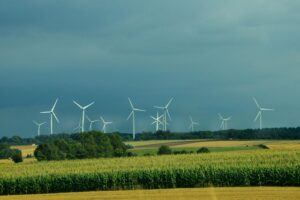
Wind Energy vs Solar: Which One Is Better for Homes?
For most homeowners in 2026:
👉 Solar is more reliable and beginner-friendly
But wind can outperform solar in the right conditions.
Choose wind energy if:
- You have strong, consistent wind
- You live in a rural or open area
- You want to complement a solar setup
Choose solar if:
- You want predictable performance
- You live in a typical residential area
- You prefer a simpler installation
👉 In many cases, the best solution is actually a hybrid system (wind + solar).
Thinking about installing one?
See my full guide on small wind turbines for homes.
How Much Can You Actually Save?
Savings depend heavily on:
- Wind conditions
- System size
- Installation cost
- Local electricity prices
In ideal conditions, a wind turbine can:
- Offset a large portion of your energy use
- Pay for itself over time
But in poor conditions:
👉 It may take years longer to break even—or never fully pay off
Who Should Seriously Consider Wind Energy?
Wind energy makes the most sense for:
- Rural homeowners with open land
- Off-grid setups
- People already using solar who want backup generation
- Long-term planners (5–15 year horizon)
Is Wind Energy Worth It For Homeowners?
Who Should Probably Avoid It?
You’re better off skipping wind energy if:
- You live in a city or suburb
- You have limited space
- You want fast ROI
- You prefer low-maintenance solutions
Final Verdict: Is Wind Energy Worth It in 2026?
Wind energy can be incredibly effective—but only in the right conditions.
It’s not a universal solution like solar. Instead, it’s a specialized option that works best for certain homes and environments.
If you have the space, wind, and long-term mindset, it can be a powerful addition to your energy setup.
If not, you’re likely better off starting with solar or a hybrid system.
If you need backup power alongside wind, see the best solar generators for home backup.
👉 Many homeowners combine wind with solar for more stable energy.
Compare hybrid-ready wind turbine systems and prices here.
Next Step: Explore Your Options
If you’re thinking about building a home energy system, these guides can help you decide:
👉 Best Home Wind Turbines (2026 Guide)
👉 Wind Turbine ROI & Payback Explained
👉 Solar vs Wind for Home Backup Power
👉 If you’re serious about installing one, the next step is to compare real turbine options and costs.
See the best home wind turbine systems here before making a decision.
Frequently Asked Questions About Wind Energy
Is wind energy cheaper than solar in 2026?
In most cases, no. Solar energy is usually cheaper and more predictable for homeowners. Wind energy can be cost-effective only in areas with strong and consistent wind, but installation costs are often higher and returns less predictable.
How much wind speed is needed for a home turbine?
Most home wind turbines require average wind speeds of at least 10–12 mph (16–19 km/h) to be effective. Below that level, energy production drops significantly.
Can a wind turbine power an entire house?
Yes, but only under the right conditions. A properly sized turbine in a windy area can generate enough electricity for a household, but many setups are used to supplement energy rather than fully replace grid power.
How long does a home wind turbine last?
Most modern home wind turbines last 15–25 years, depending on usage, maintenance, and environmental conditions.
Do wind turbines require a lot of maintenance?
Compared to solar panels, yes. Wind turbines have moving parts, which means they may require periodic inspections, lubrication, and occasional repairs over time.
Is wind energy reliable for everyday use?
Wind energy is less predictable than solar because it depends entirely on weather conditions. That’s why many homeowners combine wind with solar or battery storage systems.
Are home wind turbines noisy?
Modern turbines are relatively quiet, but they still produce some noise. The impact depends on turbine size, placement, and distance from living areas.
Can I install a wind turbine in a city or suburban area?
In most cases, no. Urban and suburban environments usually don’t provide enough consistent wind, and there may also be zoning restrictions or height limits.
Is wind energy good for the environment?
Yes. Wind energy is one of the cleanest energy sources available, producing no emissions during operation. However, like any infrastructure, it has some environmental impact during manufacturing and installation.