
Measuring wind speed at your property before buying a small wind turbine is one of those steps that gets overlooked way too often. Just because you hear the wind whip around every now and then doesn’t mean your spot is actually a strong candidate for home wind power. If you want your investment to be a smart one, taking wind measurements is a step you really shouldn’t skip. Here’s a straightforward guide on how to check wind speed at your place, and make sense of what you find. In this guide, you’ll learn how to measure wind speed properly, how long to test, what tools to use, and how to know if a turbine will actually work on your property.
Why Accurate Wind Speed Measurement Is So Important
Small wind turbines only work if you have consistent, strong wind at your actual site. The difference between a 9 mph and a 12 mph average wind speed is bigger than it sounds: the power you get from wind increases quickly as speeds rise. That isn’t just marketing hype, it’s basic physics. If your average winds aren’t high enough, even the best turbine won’t deliver much energy or savings.
On top of that, wind speeds can change a lot over short distances depending on trees, buildings, hills, and other obstacles. That’s why measuring wind at your exact turbine location, and at the right height, is really important before spending money on equipment. Ignoring this can lead to false hopes, which is why a little preparation can save you a lot of trouble.
Getting the Big Picture: Start With Regional Wind Data
The first step is to track down if your area, in general, gets enough wind for a turbine. Regional wind maps and wind resource databases can give you a ballpark idea.
- Government wind maps: Tools like the U.S. Department of Energy’s Wind Resource Center and similar apps in other countries show average wind speeds over big areas. DOE Wind Maps is a solid place to start.
- Renewable energy planning tools: Sites like NREL’s Wind Prospector show long-term average wind speed estimates in detail.
- Local meteorological data: Some weather stations publish wind averages, though usually at airports or on tall towers in open spaces.
While these resources help you get a general sense of your region’s potential, they can’t replace real measurements from your own backyard. It’s common for local wind patterns to be much different than what regional maps suggest, especially in hilly, wooded, or urban spots. So, after you check the big picture, moving to on-site measurement is crucial.
Measuring On-Site: Tools and Practical Steps
Once you’re sure your general area isn’t already ruled out, it’s time to measure wind speed at your own property. Handheld and fixed anemometers are the main tools for this job.
- Handheld anemometer: Inexpensive digital devices let you take quick readings on breezy days. They’re easy to use, but only give snapshots—not long-term data you need for real planning.
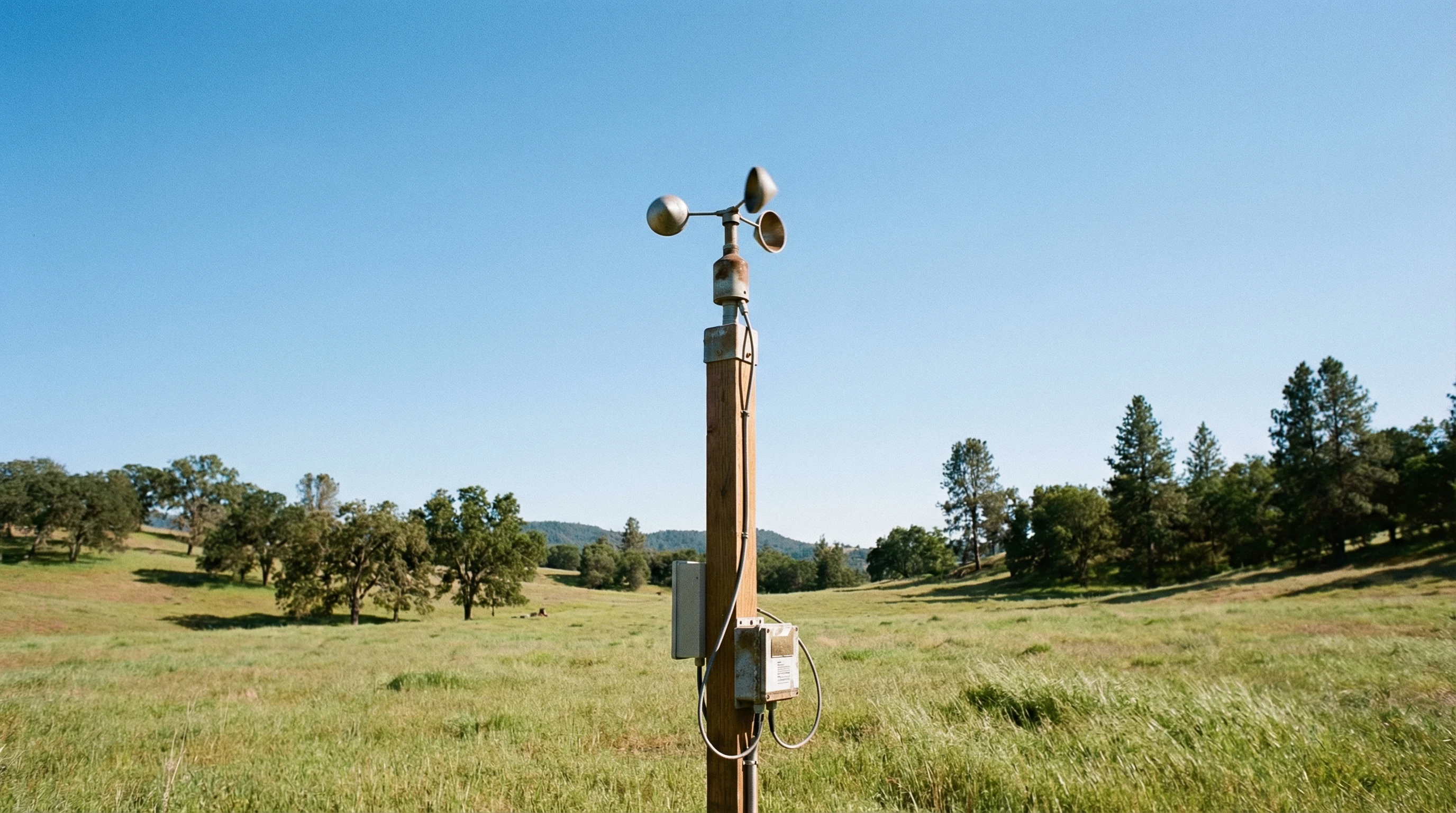
- Fixed anemometer with data logger: The more reliable option is to mount a weatherproof anemometer and keep it running for weeks or months. This gives you a much better average because it catches both daily and seasonal fluctuations. Kits for small wind test projects are worth checking out if you want quality data.
Whatever you use, make sure to:
- Mount the anemometer at the same height where you plan to put your wind turbine hub (usually 30 to 100 feet up). Wind speeds increase as you go higher, so groundlevel readings just aren’t good enough.
- Avoid mounting near large obstacles, such as buildings or tall trees, which block or channel wind in unpredictable ways.
- Record data as often as possible. Some setups track wind every few seconds, storing info you can review later for patterns.
Quick Wind Measurement Checklist
- check regional wind map
- measure at turbine height
- collect data at least 3 months
- avoid obstacles
- compare with turbine power curve
How Long Is Long Enough?
It’s easy to get excited and take a week of readings, but wind speed changes a lot with weather fronts, seasons, and small local changes. Getting an accurate average means tracking wind over at least three months, ideally a full year if you want to be absolutely sure of your seasonal patterns.
- Short-term measurements (under a month): Only provide a rough ballpark for fun or experimentation.
- Three to six months: Capture some seasonal swings but might miss big extremes if you measure only in one part of the year.
- Full year: Offers the best average and can really show if a turbine will work at your place long term.
If you want to speed things up, try to measure during seasons you think are windiest and also during calmer parts of the year. You’ll get a clearer sense of your wind averages this way. Matching your measurement period to the natural ups and downs in your local weather helps you avoid bad guesses.
How to Avoid Local Wind Speed Killers
Turbines need smooth, steady wind, not just fast gusts or stormy days. Trees, buildings, and hills break up wind flow and cause turbulence that can lower output and even damage your equipment over time.
- Mount the turbine at least 30 feet above any obstacle within 300 feet of your tower location.
- Avoid spots just behind a row of trees, or directly in the shadow of your house or barn. Wind often gets really choppy in those areas.
- Don’t trust measurements from somewhere far from your planned turbine site—even a small hill or a bunch of trees can totally mess up your local wind flow.
- If you’re in a valley or in a neighborhood boxed in by buildings, your wind potential drops fast.
This extra step helps you stay close to the real wind conditions your turbine will face, and it helps you avoid disappointment down the road. A clear, open spot with steady wind is always the best choice.
Crunching the Numbers: What Wind Speed Do You Really Need?
Once you’ve got your wind data, start comparing your results to what manufacturers recommend. Most small turbines only produce meaningful electricity at average wind speeds between 9 and 12 mph (roughly 4 to 5.5 m/s). But higher averages almost always mean greater output.
- Take your average wind reading—let’s say you measure 10.5 mph at your chosen height.
- Check the power curve for the turbine model you’re considering. Power curves show how much energy you can expect at different wind speeds.
- Use the turbine’s power curve chart to estimate output at your measured average wind speed, then calculate expected annual energy production.
You can use online calculators from resources like NREL or plug numbers straight into turbine manufacturer calculators. Compare potential output to your actual annual electricity use to see if wind is a good financial move for your home. Getting these calculations right is crucial for good planning.
Real-World Obstacles and Common Pitfalls
The most common mistakes that homeowners make with wind power are surprisingly simple to sidestep if you stay alert:
- Measuring wind speed at ground level, which is always too low for a real turbine estimate.
- Thinking readings from a nearby airport or weather app are a good match for your backyard.
- Getting excited by big gusts or storms, which rarely affect yearly averages by much.
- Ignoring the effects of trees, roofs, and sheds on local wind direction and speed.
- Taking turbine marketing claims at face value, instead of checking real-world power curves based on your spot’s actual wind speed.
Letting wishful thinking take over can cost thousands and end with a wind turbine that’s just a fancy lawn ornament. Fact-based measurements make all the difference when deciding where to put your money.
Professional Wind Site Assessments: Are They Worth It?
If you’re considering a big investment (or want to apply for incentives or grants), hiring a professional might be well worth the cost. Professional wind assessors can install calibrated equipment, record long-term data, and crunch the numbers on your site’s real wind resource. Their reports can also help if you want to convince a lender, a business partner, or a utility company about your project’s potential.
These services often deliver super detailed reports and help you figure out if wind or another renewable makes the most sense for your property. If you’re not sure your measurements are robust enough, getting a pro’s advice could save you from costly mistakes later on.
Alternatives and What to Do If Your Site Isn’t Windy Enough
Sometimes, no matter how hard you check, the numbers just don’t look good for wind power at your place.
- If your measured average is less than 10 mph, it’s usually smarter to look at solar panels instead, as they deliver better returns in low-wind areas.
- Boosting home energy efficiency often repays investments much faster than a turbine in places with only modest wind.
- Hybrid systems could still be a fit for properties that get wind part of the year and plenty of sun at other times.
By knowing early on what your local wind actually does, you can mix it up with your plans and put your money where it pays off best. Flexibility is key—sometimes, switching from wind to another option is just the right call.
Wind Measurement FAQs
Here are quick answers to some common wind speed measurement questions from people checking out home turbines:
How long do I need to measure wind at my property?
Three months is the minimum if you want a basic idea, but a full year shows you the patterns best. If you’re short on time or budget, pick periods when you expect both high and low winds.
Can I trust wind speed from a weather app or local TV?
No, those readings are usually from airport monitors or weather stations, which can be miles away and set at different heights. They rarely reflect your exact spot or match where your turbine will be operating.
Is it possible to use a drone to measure wind speed?
You can use a drone to get a reading by flying it up to hub height with a portable anemometer, but it’s best for one-off measurements rather than for long-term data collection.
I measured only 8 mph, should I still get a turbine?
It’s likely not worth it unless you use very little electricity, have an especially efficient turbine, or want to team up wind with other renewables. For most homes, this wind speed is just too low to pay off.
When Wind Measurement Shows It’s Worth It
- Average wind above 10 mph
- Open land with few obstacles
- Year-round consistency
-
Space for tall tower
If these boxes aren’t checked, solar usually delivers better returns.
Final Word
Measuring wind speed at your property is a step that saves time, money, and frustration. Real on-site data helps you figure out whether wind power could actually pay off for you, or if your energy dollars are better spent elsewhere. Going through this process puts you in a much better spot to make smart, informed renewable energy choices for your home.