
If you own a home in the country or are dreaming of energy independence, you might have wondered about small wind turbines. The idea of harnessing the wind to power your daily life sounds appealing and even liberating. It’s easy to picture zero bills and some climate-friendly bragging rights. But the reality often turns out different from what most people expect. Many homeowners end up disappointed because what works well in theory rarely lines up with real-world results. Before investing in a small wind turbine, it’s really important to understand where they shine, where they fall short, and who actually benefits from them.
What Is a Small Wind Turbine?
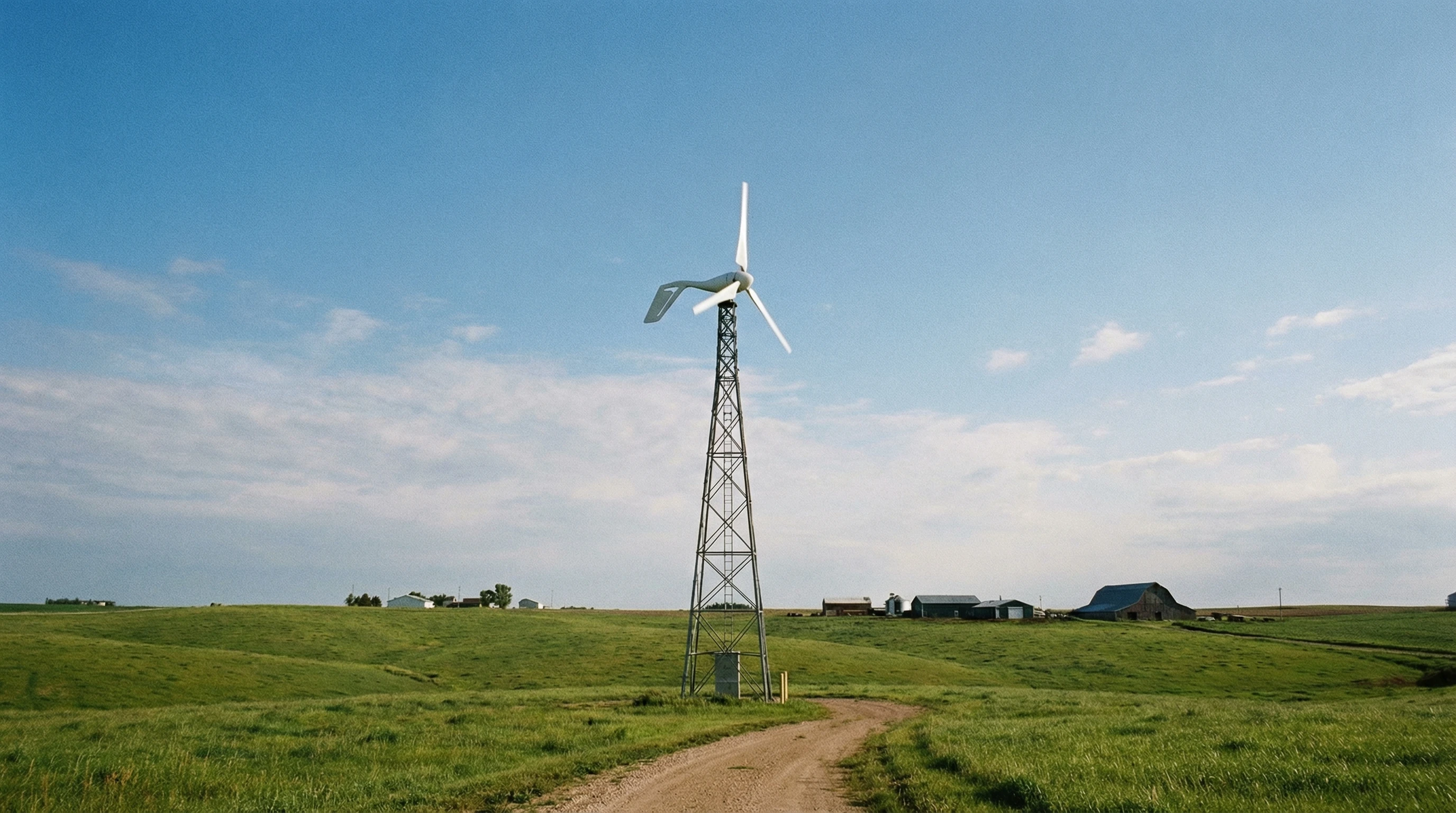
Small wind turbines are machines that convert wind energy into electricity for your home. They’re much smaller than the giant turbines you see in wind farms. Most residential wind turbines stand on towers between 30 and 100 feet tall. Their output usually ranges from around 400 watts to 10 kilowatts, but most homes would need at least a 5 kilowatt system to see noticeable savings. The key difference between residential and commercial turbines is scale. Commercial versions can deliver hundreds or thousands of kilowatts and serve entire communities, while residential models aim to supplement or cover a single home’s energy needs. You’ll often find these turbines marketed toward rural homeowners who want to cut their dependency on the grid. Worldwide, many off-grid cabins use small wind turbines blended with other renewable energy sources.
Types of Small Wind Turbines
The classic, spinning blade design you probably picture is called a horizontalaxis wind turbine. These are the most common and also the type most likely to deliver usable power if sited correctly. Verticalaxis wind turbines are another option and often get pitched for rooftops or small yards because they look less intimidating. I’ve found that in most residential situations, verticalaxis models rarely deliver much energy, especially when compared to their horizontalaxis counterparts. Sometimes companies describe these as “urban wind” solutions, but real-life data often shows lackluster performance for home use.
When it comes to where to place them, groundmounted wind turbines on tall towers almost always perform better than rooftop ones. Rooftop models run into problems with turbulence and vibration, and the wind up there just isn’t steady or strong enough in most places. For neighbors and your own family, vibration and noise can also be a downside, especially in areas with fluctuating wind direction. So, while rooftop wind power sounds convenient, it just doesn’t work as well as a proper tall tower out in the open.
What Conditions Are Needed For Wind To Work
Wind turbines need lots of wind—a lot more than most people realize. Most small wind turbines require average wind speeds of 9 to 12 miles per hour or higher to be worth the investment. The higher and more open your turbine site, the better. Tall towers help get the blades up above trees and buildings that block or slow down wind. Even a few tall trees or a building nearby can drop the usable wind by a lot. That’s why living where “it feels breezy” on your porch is not the same as having the right wind resource. Careful measurement is key. For most homeowners interested in residential wind energy, checking historical wind data from sources like the National Renewable Energy Laboratory (NREL) can offer a helpful first step. To get the best idea of your site’s potential, professional wind assessments that use anemometers—devices that measure wind speed at different heights over several months—are ideal, especially before spending significant money.
Realistic Energy Production (What You Can Expect)
Even in good wind locations, the average home wind turbine system delivers less electricity than people hope. You can expect average outputs between 1,000 and 10,000 kilowatt hours per year from a typical residential wind turbine in strong wind areas. This usually covers only a part of a home’s energy use, unless you have superlow electricity needs or combine wind with other sources like solar. Wind is unpredictable. Some months may be windy and others barely turn the blades. Adding batteries for storage helps, but it also raises the upfront cost and adds more complexity. Most people will still need the grid or a backup generator for days, or sometimes weeks, when the wind isn’t enough.
It’s also worth considering that wind power is a cube function—double your wind speed, and you can get up to eight times as much energy. That’s why a small change in siting, obstacles, or even seasonal shifts can have huge effects on your actual output. Tracking or logging your turbine’s production over time gives you a much better idea of what to expect year after year.
Common Problems Homeowners Face
- Underperforming Turbines: Many buyers find their turbine produces much less electricity than promised. This can be due to wrong site selection, not enough wind, low tower height, or simply overestimated claims from manufacturers.
- Noise Complaints: Some wind turbines create a noticeable hum or swooshing noise. This can become annoying for you or your neighbors, especially if the turbine is too close to the house.
- Maintenance Surprises: Unlike solar panels, wind turbines have moving parts. Bearings wear out, blades need checking, and electrical systems can break down in storms. Keeping a residential wind turbine running takes regular attention, and replacement parts aren’t always easy to find.
- Permit and Zoning Issues: Not all towns or neighborhoods allow tall towers. Getting the right approvals can be a slow and expensive process, and setback requirements might block you from installing a turbine at all.
- Overpromised Marketing Claims: Some companies greatly exaggerate what their home wind turbine can do. Always look for independent reviews and realworld owner stories before making a decision.
Other issues can sneak up on wind turbine owners, too. Lightning strikes can damage sensitive electronics; icy conditions can lead to dangerous blade throw if they are not properly monitored. In very cold climates, ice buildup can increase maintenance and risks. Not every manufacturer provides quick support, so consider how far you are from service centers before buying.
Who Small Wind Turbines Actually Make Sense For
I recommend small wind turbines for a few specific situations. They fit best for rural property owners with lots of open land, far from neighbors and trees. If you’re offgrid or looking to run a cabin, hunting lodge, or remote homestead, they might be a good solution, especially when paired with solar. Wind makes the most sense if your area has steady, documented winds above 10 mph on average and you don’t mind climbing a tower or keeping up with mechanical maintenance. If you love tinkering and want a backup to the grid or generator, wind can be a fun and useful project. For those who want a clean energy lifestyle in a rural or semirural setting, small wind turbines can sometimes be a great fit. This is especially true if you’re conscious of peak energy usage and looking for a way to blend renewable sources to cover varied seasonal demands.
Who Should Avoid Small Wind Turbines
If you live in a city or crowded suburb, wind turbines are usually not practical. Rooftop units usually disappoint, and most neighborhoods have zoning that won’t allow the tall towers you really need. Even with moderate wind, buildings and trees ruin the airflow right where you’re hoping to catch it. Homeowners who want a system they can ignore after install or aren’t interested in regular checkups will also find wind frustrating. Wind power for homes makes the most sense for people who can place turbines well away from houses, roads, and trees, and who don’t mind a bit of regular work to keep things running smoothly. If your location has gusty, inconsistent winds or isn’t very spacious, solar panels usually make a lot more sense. In those settings, the low profile, high reliability, and almost maintenancefree nature of modern solar panels easily beat small wind turbines in user satisfaction and payback.
Before You Buy: A Simple Reality Check
Before investing in a small wind turbine, make sure you can confidently answer yes to these points:
- You’ve confirmed average wind speeds above 10 mph at turbine height
- Local zoning allows tall towers and required setbacks
- The turbine can be placed far from trees, buildings, and neighbors
-
You’re comfortable with ongoing maintenance and inspections
If any of these boxes are unclear, wind energy may underperform—and solar or efficiency upgrades are often the smarter first step.
Small Wind Turbines vs Solar Panels (Quick Reality Check)
Solar panels have become the goto choice for most homeowners interested in renewable energy. They’re reliable, almost silent, and require little maintenance once set up. In most parts of the country, solar energy produces more consistent results than wind for homes. The cost per kilowatt hour is usually lower for solar than for a comparable wind system, especially once you factor in maintenance and repairs. Solar panels can work for both sunny suburbs and wideopen rural land, while wind almost always requires great location. For most, especially if you’re in a less than perfect wind spot, starting with solar makes more sense you get better predictability and far less hassle. Additionally, state and federal incentives for solar can make the payback period even shorter compared to wind. This makes residential solar a better fit for the majority of homes.
Is a Hybrid Wind + Solar System Better?
If you’re offgrid, or your area has long cloudy winters but plenty of wind, combining wind and solar can offer better yearround coverage. Solar works best in sunny weather, and wind often picks up in the evenings or stormy periods when there’s less sun. This gives you the chance to balance out the times when one source isn’t producing much. For true offgrid setups where backup power is really important, hybrid systems can reduce the size and use of fuelpowered generators. This setup is most helpful on rural properties with space for both a solar array and a wellsited wind turbine. Hybrid systems can also stretch out battery life, since each energy source compensates for the other’s downtime, making them a great fit for people who like to experiment and track system performance throughout the year.
Final Thoughts
Small wind turbines can work for homes, but only in certain places. If your property has lots of space, very steady winds, and you’re comfortable getting hands-on with upkeep, home wind power might be for you. Careful site assessment by a qualified professional is a good way to avoid expensive mistakes. For most people, especially in town or in spots where the wind is unpredictable, residential wind energy often disappoints compared to solar. If wind isn’t realistic for your site, energysaving upgrades or installing solar panels is a smart move for a quieter, lower maintenance path to lower bills. In the end, picking the right technology for your landscape and willingness to maintain the system makes all the difference for your renewable energy success. If you’re set on wind, be ready to check references, read up on user experiences, and talk to local installers who understand your region’s weather patterns.
Frequently Asked Questions
Are small wind turbines worth it?
For rural homes with steady, proven high winds and plenty of open land, small wind turbines for homes can help bring down energy bills. In most other cases, they tend not to perform as well as people expect.
Can rooftop wind turbines work?
Rooftop wind turbines usually produce very little usable electricity. Turbulence and weak wind at roof level mean they’re rarely a good choice for residential wind energy.
How much wind is enough?
Your location should have average wind speeds above 10 mph at turbine height to make wind energy for rural homes practical. Anything less, and the system won’t deliver enough energy to make the cost worthwhile.
Do small turbines increase home value?
Most buyers see wind turbine systems as a specialty item. Unlike solar, which can add value and is easy to maintain, wind systems don’t usually raise home value unless the new owner is looking for exactly that type of energy system.