
Some of the links on this page are affiliate links, which means I may earn a small commission if you make a purchase through them, at no extra cost to you. This helps support the site and allows me to continue creating helpful content.
Installing a home wind turbine is a serious project, not just a simple plug-in upgrade. Before choosing a turbine, you need to check your wind speed, property layout, tower height, permits, utility rules, installation costs and long-term maintenance needs. For most homes, the full process can take several months from the first wind assessment to final inspection. Small off-grid turbines may be simpler, but a full residential wind system usually requires professional installation, electrical work, local approval and a realistic budget.
This guide explains how to install a home wind turbine step by step, including site checks, permits, equipment choices, foundation work, grid or battery setup, costs, timeline and common mistakes to avoid.
👉 Before you install anything, it’s worth comparing real home wind turbine systems and prices.
Check the best home wind turbine options here to avoid choosing the wrong setup.
Quick Answer: What Does Home Wind Turbine Installation Involve?
Installing a home wind turbine usually involves a wind site assessment, local permits, zoning approval, turbine selection, tower and foundation work, electrical installation, grid connection or battery integration, final inspection and ongoing maintenance.
A small off-grid turbine may cost a few thousand dollars, but a full residential wind turbine system can cost much more once tower work, wiring, permits, batteries, labor and inspections are included. For many homeowners, the process takes 3–6 months from planning to final approval, depending on location and local rules.
|
System Type |
Rough Cost Range |
Best For |
|---|---|---|
|
Small off-grid turbine |
$5,000–$15,000 |
Cabins, sheds, small backup |
|
Medium residential system |
$15,000–$40,000 |
Rural homes with good wind |
|
Larger home setup |
$40,000+ |
High-use homes, off-grid or hybrid systems |
👉 Want to compare real wind turbine systems and installation costs? Check available options here.
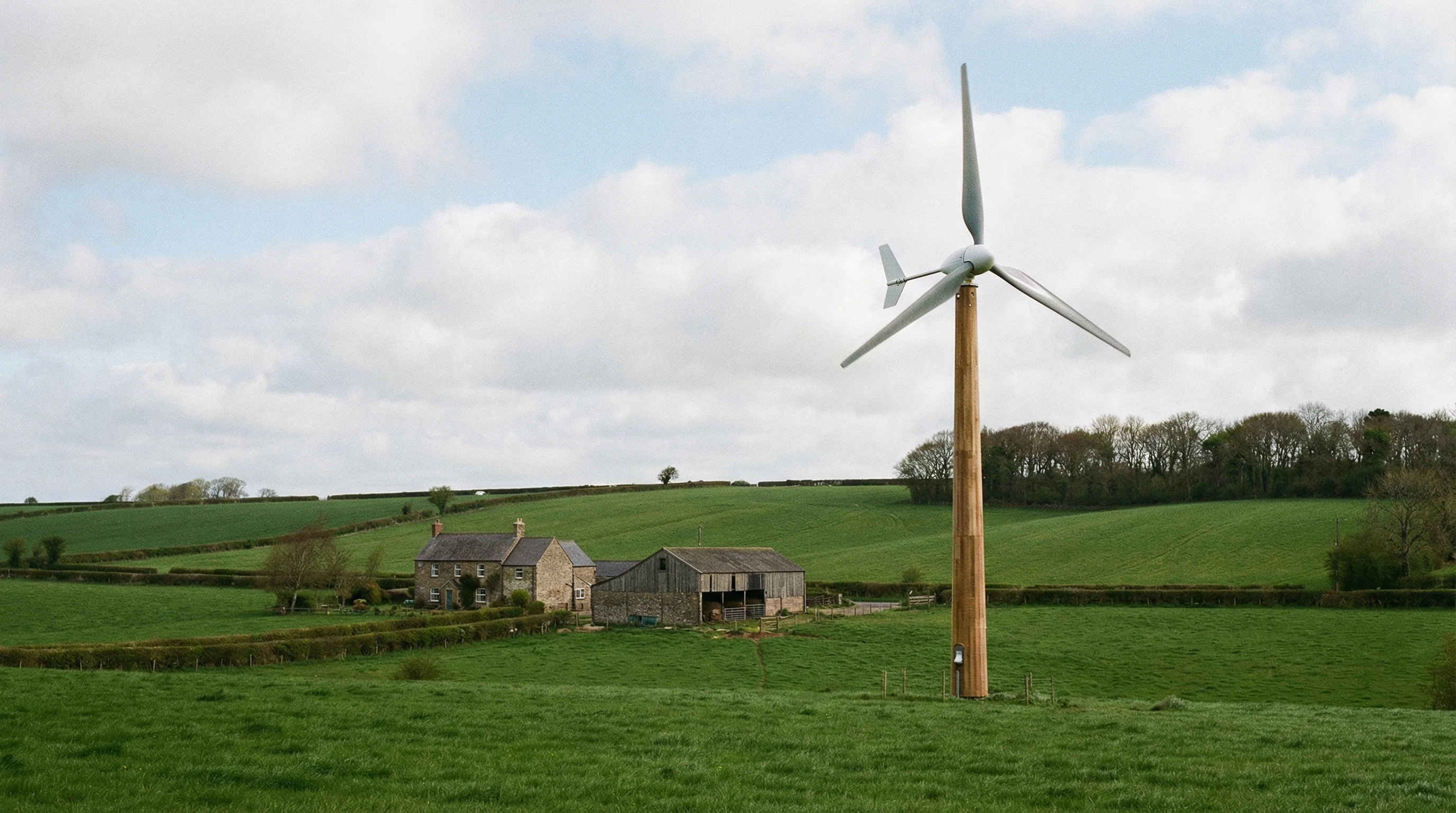
Quick Overview: Cost, Timeline and Property Requirements
- Typical total cost: $20,000–$50,000
- Installation time: 3–6 months start to finish
- Space required: Many residential wind systems work best on open rural properties with plenty of setback distance. One acre may be a starting point for smaller setups, but larger towers often need more space depending on local rules, tower height and safety setbacks.
- Ideal wind speed: Many residential wind projects need average wind speeds around 10–12 mph or higher at turbine height to make sense, but the exact threshold depends on the turbine, tower height, electricity prices and installation cost.
- Best for: rural or off-grid properties
- ROI timeline: Payback can vary widely. In strong wind areas with good incentives, the economics may look better, while low-wind or high-installation-cost sites may never pay back as expected.
Is Your Property Ready for a Home Wind Turbine?
Before thinking about brands or prices, checking if your property even qualifies for a home wind turbine is important. Many homeowners get excited about renewable energy before realizing that a wind turbine may not work well on their property. Wind systems need open space, enough average wind speed, suitable tower height and local approval before they make financial or practical sense.
Where Home Wind Works Best
Best locations:
✓ rural properties
✓ hilltops
✓ coastal areas
✓ open plains
Poor locations:
✗ dense suburbs
✗ wooded areas
✗ valleys
✗ small city lots
- Space requirements: Most home wind turbines need a couple acres or at least plenty of open space, especially for larger models. Setbacks from property lines, roads, and buildings are usually required by local rules to ensure safety.
- Wind speed: Wind turbines work best where average wind speeds hit at least 10–12 mph year round. Anything less, and the payoff really drops. Checking detailed wind maps or hiring a professional to measure your actual wind conditions removes much of the guessing here.
- Zoning and height rules: Towns often have strict height limits for towers and might ban turbines in certain neighborhoods. Rural and remote properties tend to have fewer restrictions, but it’s something to confirm before spending any money.
- Grid connection: Grid-tied systems require access to utility power, while off-grid homes might pair a turbine with batteries. Some properties just don’t have a good route for connecting to the grid.
It’s pretty rare for city or suburban homes to meet all these checks. Most wind turbine owners live out in rural areas.
Step 1: Measure Wind Speed and Assess the Site
The very first step is figuring out exactly how much wind your property gets and where to place the turbine. Professional site assessment really makes a difference, but there are some lower-cost, DIY options if you’re patient.
- Wind measurement: Professionals use anemometers on tall masts (think 30 feet or higher) and monitor wind speeds over months to get a real average. DIYers can try smaller, temporary anemometers to get a rough idea, but the data might not be as reliable. Online wind maps help, but local stuff like nearby trees or slopes can mess with readings.
- Best location: The ideal location is away from obstructions like trees, hills, and buildings, ideally on a gentle rise. Even a small group of trees 100 feet away can knock down your output.
- Tower height: The higher the better, but that comes with extra costs (think more materials, taller cranes, possibly tougher permits). Most residential towers range from 60 to 120 feet.
If your wind isn’t at least 10 mph on average at tower height, generating enough electricity for your needs may be tough. This step really decides if a turbine makes sense for you at all.
Before choosing a turbine, measure your property’s real wind speed.
→ Read: How To Measure Wind Speed At Your Property Before Buying A Turbine
Step 2: Check Permits, Zoning and Utility Rules
Every home wind project runs into paperwork. Rules aren’t just about noise or safety; they also protect neighbors and local wildlife. Getting this right avoids expensive headaches later on.
- Building permits: Most towns require building permits for the tower and base. You might also need environmental assessments, especially if you’re somewhere with sensitive wildlife.
- Noise/setback limits: Some areas limit noise levels (measured in decibels) and require turbines to be set back a certain distance from property lines or buildings.
- Utility approval: If you plan to connect to the power grid (so you can sell excess electricity or use net metering), your electricity company will have their own applications and technical standards.
- HOA and other restrictions: Many Homeowners Associations (HOAs) ban or restrict turbines outright, even on rural land. Always check these before signing anything.
Plan on a few weeks to several months for permits, depending on where you live. Delays are pretty common, especially if you’re the first in your area to try this. Some towns may require community meetings, environmental reviews, or further documentation before giving the green light.
Step 3: Choose the Right Wind Turbine System
Picking a turbine isn’t just about splurging on the biggest one you can find. There’s a balance between price, output, and reliability, plus a few technical choices to sort out before buying.
If you want a breakdown of the best models, see my full guide on the best home wind turbines.
- Turbine size: Residential wind turbines usually range from 1 kW (for cottages or small cabins) to 10 kW (for larger homes). Estimate your yearly electricity use, then match that to average wind speeds—manufacturers offer calculators, or you can check with a renewable energy consultant. Reviewing your energy bill and considering seasonal changes helps you make a realistic system plan.
- Horizontal vs vertical axis: Horizontal-axis turbines are the classic spinning-blade design you see in fields. Vertical-axis turbines look more like egg beaters and can do better with turbulent or shifting winds, but generally produce less power overall. Some homeowners prefer the simpler look and quieter operation of vertical-axis models, especially near residential buildings.
- Certified equipment and installers: Only use tested, certified turbines and towers (the Small Wind Certification Council is one group to track down). Reliable installers matter; many utilities and rebate programs only work with professionals who know the ropes.
- Grid-tied vs battery storage: If you have access to the utility grid, grid-tied setups often cost less upfront and have fewer moving parts but may not work well during power outages unless you add a battery bank. Battery-based systems are pricier and take more maintenance.
- Manufacturer support: Customer service and warranty terms are really important; wind turbines have moving parts and are more exposed than solar panels, so things do break over time. It’s smart to ask about tech support, parts availability, and in-person troubleshooting options before buying.
👉 Not sure which system fits your setup?
Compare Home Wind Turbine Options
• Eco-Worthy Wind Turbine Kits
• Pikasola Wind Generators
Most small wind turbines sold online are entry-level systems. They may be useful for cabins, sheds, boats, RVs or learning projects, but they are usually not enough to power an average home by themselves. For a serious residential setup, focus on certified equipment, proper tower height, realistic wind data and professional installation.
Many small wind turbine kits sold online can look very similar, even when they are sold under different brand names. That is why it is important to compare real reviews, rated wind speed, controller quality, warranty terms and realistic output expectations before buying.
Step 4: Prepare the Site, Foundation and Wiring
Once plans are in, the real digging starts. Prepping for the tower and wiring adds a chunk to your timeline and budget, but makes everything safer and more reliable for the long haul.
- Foundation: Most residential turbines need a poured concrete foundation several feet deep. This keeps the tower upright in heavy winds and prevents settling over time.
- Electrical prep: Trenches might need to be dug from the turbine site back to your home or breaker box for power cables and signal wires.
- Crane and delivery access: Towers and turbine parts are heavy, so you’ll need clear paths for equipment like cranes and delivery trucks. Extra care is needed in rainy or muddy seasons to avoid delays.
- Safety and structural checks: Inspection at this stage ensures the site meets all specs. Some insurance plans also want to see photos or reports before issuing coverage. A third-party inspector or structural engineer may be required for larger towers.
This phase usually takes several days, depending on the ground conditions (rocky soil can add time). Weather can slow things, too, so project schedules often build in an extra buffer.
Step 5: Install the Tower and Turbine
This is where the pieces come together out in the yard. Most of the actual assembly is handled by professionals unless you’ve got serious mechanical and electrical experience.
- Raising the tower: Towers are either assembled on the ground and tilted up with a crane, or built section by section if there’s not enough space. Guy wires or anchors keep everything stable against strong winds and storms.
- Blade and generator setup: The generator and blades are mounted, then checked for alignment and tightness. It’s a detailed process—balance matters for safe and efficient operation.
- Electrical hookup: Turbine output lines run into an inverter or charge controller, then tie back to your home’s panel or battery bank. Safety interlocks get tested here, too.
- Inspection and testing: A final safety and systems check ensures everything works under load and emergency conditions. This step may include spin tests, electrical safety checks, and verification with monitoring systems.
Depending on the weather and crew experience, this work can go quickly or take extra days. Local regulations might require a sign-off from building inspectors at this point.
Step 6: Connect to the Grid or Battery Storage
Whether you’re feeding excess power back to the grid or storing it in batteries, the final setup round is where your new wind system actually delivers energy for your home.
- Utility connection: For grid-tied systems, this usually means a utility inspection and an official go-ahead to flip the switch. Net metering setups let you sell surplus power back to the utility at a set rate. It’s best to coordinate with your utility early to schedule inspection promptly.
- Battery installation: Off-grid systems need a bank of deep-cycle batteries plus a charge controller and (often) a backup generator for calm days. Batteries are typically stored indoors or in protected sheds to avoid weather damage.
- Backup systems: Even with a turbine, most homes keep another power source handy for windless periods—usually solar, a generator, or a hybrid combo.
Final system tests, safety checks, and transferring to regular operation can take anywhere from a few hours to several days, depending on the setup complexity.
How Long Does Home Wind Turbine Installation Take?
The full process—starting from that first wind check—takes months, not days. Here’s a realistic breakdown:
- Wind study and planning: 1 to 6 months (depending on how much measuring you do and what data is needed for permits)
- Permits and utility approval: 2 to 12 weeks, but delays are common if extra info or hearings are needed
- Site work and install: 3 to 7 days for tower, foundation, and wiring, but bad weather can postpone work
- Final inspections and grid approval: Another few days to a week
It’s smart to expect at least a season from start to finish. Weather, permit snags, and equipment lead times all slow things down more than most people expect. Keeping all parties in close contact helps speed things up a little and avoids surprises.
How Much Does Home Wind Turbine Installation Cost?
Here’s the realistic breakdown on what you’ll pay—not just for the turbine, but the whole package:
|
Cost Item |
Rough Cost Range |
Notes |
|---|---|---|
|
Turbine |
$1,000–$15,000+ |
Depends on size and brand |
|
Tower and foundation |
$3,000–$8,000+ |
Higher towers cost more |
|
Installation labor |
$5,000–$10,000+ |
Remote or difficult sites cost more |
|
Electrical work and permits |
$1,000–$5,000+ |
Varies by utility and local rules |
|
Annual maintenance |
$200–$500+ |
Repairs can cost more |
Expect total costs for a typical home system to land somewhere between $20,000 and $50,000. Prices are lower for small setups and much higher for big, custom jobs. There may be federal or local incentives or rebates, so it’s worth checking what’s available in your area before making any deals.
Real-World Cost Insight
Residential wind turbine installation costs can vary widely depending on system size, tower height, site conditions, permits, grid connection and labour costs.
As a rough guide, many full residential wind turbine installations can fall somewhere in the $15,000–$50,000+ range, while larger or more complex systems may exceed $70,000. UK-based cost guides such as MyBuilder and Checkatrade also show that installed costs can vary significantly depending on the property and project scope.
- UK home wind turbine installation cost guides
- MyBuilder wind turbine installation cost guide
- Checkatrade renewable energy installation cost estimates
Use these figures as planning estimates, not fixed prices. Always get local quotes before deciding whether a home wind turbine makes financial sense for your property.
Factoring in maintenance, possible upgrade costs, and the value of any power sold back to the grid helps you figure out the long-term savings or payback period. Don’t forget to budget for unexpected repairs over the years, too. Tip: Always get at least 3 installation quotes. Prices vary dramatically depending on terrain, tower height, and grid connection complexity.
For a full cost and return breakdown, check the wind turbine ROI guide.
Professional Installation vs DIY: What Is Realistic?
Full residential wind turbine systems are usually not realistic DIY projects. Tower work, foundations, high-voltage wiring, grid connection and inspections should normally be handled by qualified professionals.
Here’s what to think about:
- Safety: Tower construction and high-voltage wiring have serious accident risks.
- Warranties: Self-installation almost always voids the manufacturer warranty. If you do it yourself, you may be responsible for future repairs or damages.
- Insurance: Home insurance might not cover any damages unless professionals do the work. Always consult your insurance agent first.
- DIY exceptions: Smaller turbines (under 1 kW) can sometimes be set up by skilled hobbyists, but full-size home systems are a job for the professionals.
What To Expect After Installation
Once your turbine’s running, things settle into a regular rhythm, and a few surprises pop up along the way.
- Noise and visual impact: Wind turbines aren’t exactly silent, and you’ll notice the whoosh of the blades, especially on gusty days. Some people grow to like it, while others want quieter distance.
- Energy monitoring: Most modern systems include online dashboards or monitors, so you can track output and catch issues early. Checking regularly for any unusual dips helps keep things running smooth.
- Maintenance: Yearly checkups keep things spinning. Lubricate moving parts, tighten bolts, and look out for signs of wear or corrosion, especially after big storms or in coastal areas.
- Performance: Production varies month to month. Don’t expect consistent output. Monitoring over a full year gives the best sense of average performance.
Is Installing A Home Wind Turbine Worth It?
Installing a home wind turbine may be worth it in 2026 if you live in a rural area with consistent wind speeds and plan to stay long-term. It shines where solar isn’t a good fit (like cloudy northern areas) or as part of a hybrid system for off-grid living. For most city and suburban homeowners, solar panels usually come out ahead on value, less hassle, and ROI. Still, if you’re out where the wind blows and you’ve done your homework, a home turbine can chip away at energy bills and shrink your carbon footprint.
Think about long-term plans and local weather shifts. If you plan to stay in your home for at least 10–15 years , the investment has a better chance to pay off. And as energy costs rise, generating your own can give solid peace of mind.
If you’re unsure whether wind or solar is better, see the full wind vs solar comparison.
Quick Verdict
– ✔ Worth it → rural homes, strong wind, long-term plans
– ❌ Not ideal → urban areas, low wind, short-term stay
For most homeowners, solar is still the easier and more predictable option — but wind can outperform in the right conditions.
Most homeowners regret not sizing their system correctly — comparing options before buying can save thousands long-term.
Common Installation Mistakes to Avoid
Some installation mistakes are especially common and can become expensive quickly:
- Skipping proper wind assessment (or trusting maps instead of real data)
- Guessing at turbine size instead of calculating what your home actually needs
- Forgetting about zoning or HOA rules
- Buying from unknown brands or skipping certification, which can hurt performance and warranty support
- Not budgeting for extras like electrical work, maintenance, or upgrades down the line
- Ignoring regular upkeep such as checking blade balance and tower bolts, leading to early wear or failures
Frequently Asked Questions
How much does it cost to install a home wind turbine?
A small off-grid wind turbine may cost a few thousand dollars, but a full residential wind turbine installation can cost much more once you include the turbine, tower, foundation, wiring, permits, labor and inspections. Many serious home systems fall somewhere in the tens of thousands of dollars, depending on size, site conditions and local rules.
How long does it take to install a home wind turbine?
The physical installation may take only a few days, but the full process often takes several months. Wind assessment, permits, zoning approval, utility paperwork, equipment lead times and final inspections can all add time before the turbine is fully operational.
Do you need permission to install a home wind turbine?
In many places, yes. Home wind turbines often require building permits, zoning approval, tower height approval, setback checks and sometimes utility permission for grid connection. Rules vary widely, so local requirements should be checked before buying any equipment.
Can you install a home wind turbine yourself?
Small off-grid turbine kits may be possible for skilled DIY users, but full residential wind turbine systems usually require professional installation. Tower work, foundations, electrical wiring, grid connection and safety inspections can create serious risks if handled incorrectly.
How much wind do you need for a home wind turbine?
Many residential wind projects need average wind speeds around 10–12 mph or higher at turbine height to make sense, but this depends on the turbine, tower height, local electricity costs and total installation price. A proper wind assessment is strongly recommended before buying.
Is a home wind turbine worth installing?
A home wind turbine may be worth installing on rural, open or exposed properties with strong consistent wind and enough space for a proper tower. For many suburban homes, solar panels are often easier, cheaper and more predictable.
Final Thoughts
Installing a home wind turbine can be a worthwhile project, but only for the right property. Open space, strong average wind speed, suitable tower height, local permission and a realistic budget all matter more than simply choosing a turbine that looks powerful online.
For many suburban homes, solar panels may still be the easier and more predictable option. But for rural, coastal or exposed properties with strong wind, a properly planned wind turbine system can become a useful part of a long-term renewable energy setup.
Ready to move forward?
Compare Home Wind Turbine Systems and Current Pricing