
Energy-efficient appliances are often discussed in terms of lower electricity bills and reduced environmental impact. While these benefits are well known, their influence on household health and everyday comfort is talked about far less. In reality, the appliances we use every day—such as refrigerators, washing machines, heating systems, and air conditioners—can quietly shape the indoor environment we live in.
This article explores how energy-efficient appliances can affect comfort levels, indoor air quality, noise, and overall living conditions at home, helping households create healthier and more pleasant spaces without major lifestyle changes.
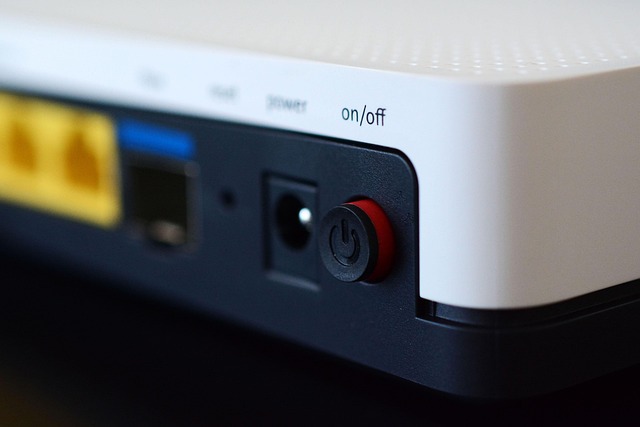
How Energy-Efficient Appliances Work Differently
Energy-efficient appliances are designed to perform the same tasks as conventional models while using less electricity or water. They achieve this through improved motors, better insulation, smarter sensors, and more precise control systems.
Instead of running at full power constantly, many modern appliances adjust their output based on actual demand. This leads to smoother operation, less waste, and fewer sudden temperature or humidity changes inside the home.
Improved Indoor Comfort Through Stable Temperatures
One noticeable benefit of energy-efficient appliances is greater temperature consistency. Modern heating, cooling, and refrigeration systems are built to maintain steady conditions rather than cycling aggressively on and off.
This stability can improve comfort by:
- Reducing sudden hot or cold spots
- Preventing rapid temperature swings
- Supporting more balanced indoor humidity levels
A home with stable indoor conditions often feels calmer and more comfortable, particularly during extreme seasonal weather.
Reduced Noise and a Quieter Living Environment
Older appliances are often louder due to inefficient motors and outdated mechanical components. Energy-efficient models typically use advanced motor technology and better insulation, which leads to noticeably quieter operation.
Lower noise levels can improve household comfort by:
- Reducing background disturbance during sleep or work
- Creating calmer living spaces
- Minimizing constant low-level appliance noise
In shared living environments or smaller homes, this quieter operation can make a meaningful difference in day-to-day comfort.
Energy Efficiency and Indoor Air Quality
Some energy-efficient appliances indirectly support better indoor air quality. For example:
- Modern ventilation systems improve airflow without excessive energy use
- Energy-efficient cooking appliances produce less excess heat
- Advanced washing machines and dryers reduce moisture buildup
By managing heat and moisture more effectively, these appliances can help maintain a more balanced indoor environment and reduce conditions that lead to discomfort.
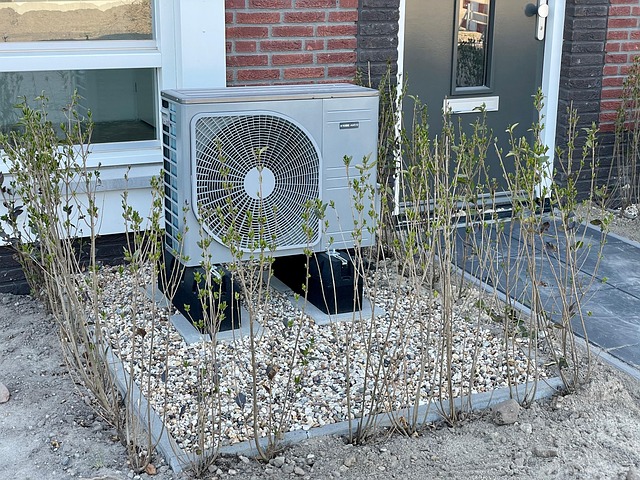
Lower Heat Output and Reduced Indoor Stress
Inefficient appliances often release excess heat into living spaces, especially during long operating cycles. Energy-efficient models tend to generate less waste heat, which can help prevent overheating—particularly in kitchens, utility rooms, and small apartments.
This reduction in unnecessary heat can:
- Improve overall thermal comfort
- Reduce reliance on additional cooling
- Support more pleasant indoor conditions year-round
Energy-Efficient Appliances and Everyday Well-Being
Comfort at home is closely linked to how appliances operate in the background. Smooth, quiet, and predictable appliance performance can reduce daily disruptions and make living spaces feel more controlled and pleasant.
Energy-efficient appliances contribute to:
- More predictable indoor conditions
- Reduced need for constant adjustments
- A calmer and more organized home environment
While these benefits may seem subtle, they can add up over time and shape how comfortable a home feels on a daily basis.
Environmental Benefits That Extend Indoors
Although energy efficiency is often framed as an environmental issue, its benefits are not limited to reducing emissions. Lower energy use also means:
- Less strain on local power systems
- Reduced demand during peak hours
- Fewer sudden power fluctuations
These broader system-level improvements can contribute to more stable energy delivery, indirectly supporting reliable household comfort.
Choosing Energy-Efficient Appliances for Better Comfort
When selecting energy-efficient appliances, comfort-related features are worth considering alongside efficiency ratings. Look for:
- Quiet operation certifications
- Smart temperature or load-sensing features
- Energy labels indicating optimized performance
Balancing efficiency with comfort-focused design helps ensure appliances support both sustainable living and everyday quality of life.
Frequently Asked Questions
Do energy-efficient appliances improve indoor comfort?
They can help maintain steadier temperatures, reduce noise, and manage heat and moisture more effectively, contributing to improved comfort.
Are energy-efficient appliances quieter than older models?
Many modern energy-efficient appliances are designed to operate more quietly due to improved motors and insulation.
Can energy-efficient appliances affect indoor air quality?
Indirectly, yes. Better heat and moisture control can support a more balanced indoor environment.
Final Thoughts
Energy-efficient appliances offer more than lower energy bills and environmental benefits. By operating more smoothly, quietly, and consistently, they can contribute to improved household comfort and a more balanced indoor environment.
As technology continues to evolve, energy efficiency is becoming an essential part of creating homes that are not only sustainable but also comfortable places to live.