
Choosing the right heating system is a big decision, especially if you want to save money and cut your carbon footprint. Geothermal heating – also known as a ground‑source heat pump – taps into the steady temperature underground to keep your home warm in winter and cool in summer. Below, you’ll find out how it works, what it costs, and whether it’s the right fit for your home.

How Geothermal Heating Works
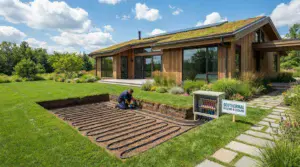
Geothermal systems use a network of pipes buried outside your home to move heat between the ground and your living space. In winter, they pull warmth from the soil and deliver it indoors. In summer, they reverse the process to provide cooling. Because the ground stays at a consistent temperature a few metres down, these systems operate efficiently all year.
There are three main types of ground loops—horizontal, vertical and pond/lake systems—plus compact borehole options for small gardens. For a detailed overview of the technology and benefits, see our introduction to geothermal home heating.
Geothermal Heating Costs & Payback
Ground‑source heat pumps have higher installation costs than conventional boilers or air‑source heat pumps. In the UK, expect to spend £15 000–£30 000 depending on loop type, soil conditions and house size. Most of that expense comes from drilling or trenching for the underground pipes.
Running costs are much lower, though, because these systems deliver 3–4 times more heat energy than the electricity they use. With current energy prices, many homeowners save £500 or more per year. Government incentives like the Boiler Upgrade Scheme can significantly reduce the upfront bill and shorten the payback period. For a deeper dive into the numbers, check our guide to geothermal heat pump installation costs and payback period.
Ground Source vs Air Source Heat Pumps
Air‑source heat pumps are cheaper to install (£7 000–£13 000) and easier to retrofit, but their efficiency drops in freezing weather because they rely on outside air. Ground‑source systems stay efficient year‑round thanks to stable underground temperatures. They’re also quieter and longer‑lasting, but they require more space and upfront investment. Our head‑to‑head comparison of geothermal vs air‑source heat pumps covers installation, efficiency and maintenance in detail.
Pros of Geothermal Heating
- Low running costs: High efficiencies mean lower energy bills.
- Low carbon footprint: Uses renewable heat from the ground.
- Quiet operation: Most components are underground or indoors.
- Long lifespan: Ground loops can last 50 + years; heat pumps 20–25 years.
- Dual heating & cooling: Provides comfortable temperatures in every season.
-
Low maintenance: Few moving parts and no external condenser to frost over.
Cons of Geothermal Heating
- High upfront cost: Installation ranges from £15 000–£30 000.
- Installation disruption: Drilling or trenching can tear up gardens and driveways.
- Space requirements: Smaller plots may need costly borehole systems.
- Not for every home: Poor insulation reduces efficiency; some listed properties face planning restrictions.
-
Costly repairs: While rare, any issue with buried pipes can be expensive to fix.

Is Geothermal Heating Worth It?
If you plan to stay in your home for ten years or more, geothermal heating often pays for itself through lower running costs and government grants. It’s a great choice for new builds, extensive renovations or rural properties where oil or LPG is the only alternative. On the other hand, if you’re likely to move soon or can’t afford the upfront investment, an air‑source heat pump might make more sense.
Geothermal vs Traditional Heating Systems
Compared to gas boilers, oil burners or direct electric heating, geothermal systems have lower running costs, fewer emissions and longer lifespans. They also protect you from volatile fuel prices. However, traditional boilers still win on upfront cost and ease of installation, so you need to weigh short‑term affordability against long‑term savings.
Frequently Asked Questions
- How long does a geothermal heat pump last? Underground pipes last over 50 years; the heat pump typically 20–25 years.
- Will my garden recover after installation? Yes, but expect one or two seasons for grass and landscaping to regrow after trenching or drilling.
- Are they noisy? Geothermal systems are very quiet, with no outdoor condenser fan.
- Do they work in freezing weather? Absolutely—the ground temperature stays stable, so the system remains efficient even during cold snaps.
-
Are they suitable for all UK homes? With proper insulation and compatible radiators or underfloor heating, most homes can run on geothermal.
Practical Tips for Success
- Boost insulation: Sealing drafts and adding insulation keeps heat inside.
- Plan during a renovation: Installing ground loops while building or remodelling saves time and money.
- Check for grants: Government incentives change—apply early to maximise savings.
- Add solar panels: Pairing solar PV with a heat pump further cuts energy bills and carbon output.
-
Use a qualified installer: Proper sizing and design are critical for maximum efficiency.
Final Thoughts
Geothermal heating isn’t a quick fix, but it offers long‑term comfort and sustainability for the right property. If you have the outdoor space, a stable budget and plan to stay put, this low‑carbon technology can deliver decades of reliable warmth while lowering energy bills and emissions. Do your homework, weigh the costs, and work with a trusted installer to decide whether it’s the right investment for your home.