
Renewable energy often comes up in conversations about protecting the planet and building a better future, but the connection between clean energy and sustainable living is not always obvious. Technologies like solar panels, wind turbines, and hydropower sound promising, yet many people still wonder how these choices fit into everyday life.
This article breaks down how renewable energy supports sustainable living, highlights the real benefits and limitations, and explains why clean energy plays such an important role in long-term environmental and lifestyle decisions.

The Power of Renewable Energy: Key Advantages
Renewable energy offers a wide range of benefits that go beyond simply producing electricity. Some of the most important advantages include:
- Clean energy production: Solar, wind, and hydropower generate electricity with minimal greenhouse gas emissions.
- Reduced pollution: Fewer fossil fuels mean cleaner air and water for local communities.
- Greater energy independence: Producing energy locally reduces reliance on imported fuels.
- Lower long-term energy costs: After installation, operating costs are generally low, leading to savings over time.
- Job creation: Renewable energy supports employment in installation, engineering, maintenance, and research.
- Abundant resources: Sun, wind, and water are naturally replenished, reducing the risk of resource shortages.
- More stable energy prices: Renewables are less exposed to global fuel price fluctuations.
- Support for rural communities: Wind and solar projects often bring investment and infrastructure to rural areas.
- Improved energy access: Off-grid and community systems can provide power to remote locations.
-
Long-term environmental protection: Using renewables helps preserve ecosystems and natural resources for future generations.
Together, these benefits make renewable energy a practical foundation for more sustainable ways of living.
Why Renewable Energy Matters for the Future
Fossil fuels remain a major contributor to climate change through greenhouse gas emissions. Rising global temperatures, extreme weather, and environmental instability are closely linked to how energy is produced and consumed. Renewable energy offers a way to reduce these impacts while maintaining reliable power supplies.
Advances in energy storage and grid technology have also made renewables more dependable. Batteries and smart systems allow excess energy to be stored and used later, helping balance supply when the sun is not shining or the wind is calm. At the same time, clean energy investments support local economies and encourage innovation in transport, housing, and infrastructure.
Everyday Benefits of Renewable Energy
Sustainable living is not limited to large-scale projects. Renewable energy can influence everyday life in practical ways. For homeowners, installing solar panels or choosing a green energy supplier can lower monthly bills and reduce exposure to unpredictable energy prices.
There is also a sense of long-term security. Once a renewable system is in place, energy costs tend to remain stable compared to fossil fuel-based electricity. In many areas, community energy projects further strengthen local engagement and shared responsibility.
Challenges and Limitations to Consider
Despite its advantages, renewable energy is not without challenges:
- Weather dependence: Solar and wind output varies with conditions, requiring backup or storage solutions.
- Upfront costs: Installation can be expensive, even though prices continue to fall.
- Space requirements: Large installations may require significant land or roof space.
- Grid integration: Existing energy networks often need upgrades to handle renewable inputs.
-
Environmental considerations: Poorly planned projects can affect wildlife and landscapes, highlighting the need for careful design.
Understanding these limitations helps set realistic expectations and supports smarter decision-making.
Connecting Renewable Energy to Sustainable Living
Sustainable living focuses on meeting present needs without compromising the future. Renewable energy aligns naturally with this goal by relying on resources that regenerate and by reducing environmental harm.
In practice, this may include using solar-powered electricity at home, driving electric vehicles charged with renewable energy, or supporting local clean-energy initiatives. Even small changes—such as choosing energy-efficient appliances or monitoring household energy use—contribute to a broader sustainability effort.
Environmental Impact of Renewable Energy
Renewable energy significantly reduces air pollution compared to fossil fuels, improving public health and environmental quality. Cleaner energy sources help lower carbon emissions and protect ecosystems from mining, drilling, and fuel transport damage.
International organisations such as the International Energy Agency continue to document the role of renewables in reducing global emissions and supporting climate goals (IEA.org).
Renewable Energy Basics for Students and Beginners
For those new to the topic, renewable energy can be understood through a few core technologies:
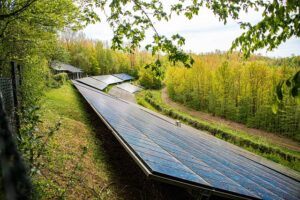
- Solar: Converts sunlight into electricity using photovoltaic panels.
- Wind: Uses moving air to generate power through turbines.
- Hydropower: Produces electricity from flowing or stored water.
- Geothermal: Harnesses heat from beneath the earth’s surface.
-
Biomass: Uses organic materials to generate energy.
Educational programs and community projects help connect these concepts to real-world action, making sustainability more accessible for future generations.
Frequently Asked Questions
What is the easiest way to start using renewable energy?
Switching to a green energy supplier or joining a community renewable program is often the simplest step.
Do renewable systems always save money?
Savings depend on location, usage, and incentives, but long-term costs are often lower than fossil-based energy.
Can renewable energy cover all household needs?
In many cases, yes—especially when combined with energy efficiency improvements and storage solutions.
Moving Toward Sustainable Living
Renewable energy supports cleaner air, healthier communities, and a more resilient future. Whether through small lifestyle changes or larger investments, clean energy choices play a meaningful role in sustainable living. Step by step, these decisions help build systems that benefit both people and the planet over the long term.