
Solar panels with battery storage ,also known as home solar battery storage systems gaining a lot of attention these days, and I’ve spotted them popping up in more homes than ever before. The concept might seem simple: soak up sunlight during the day, store extra energy, then use it later when the sun is down. But is this system really practical and cost-effective for most homeowners? I’m here to break it down for you, pulling from personal research, real-life examples, and answers to the kinds of questions I asked when I started digging into solar.
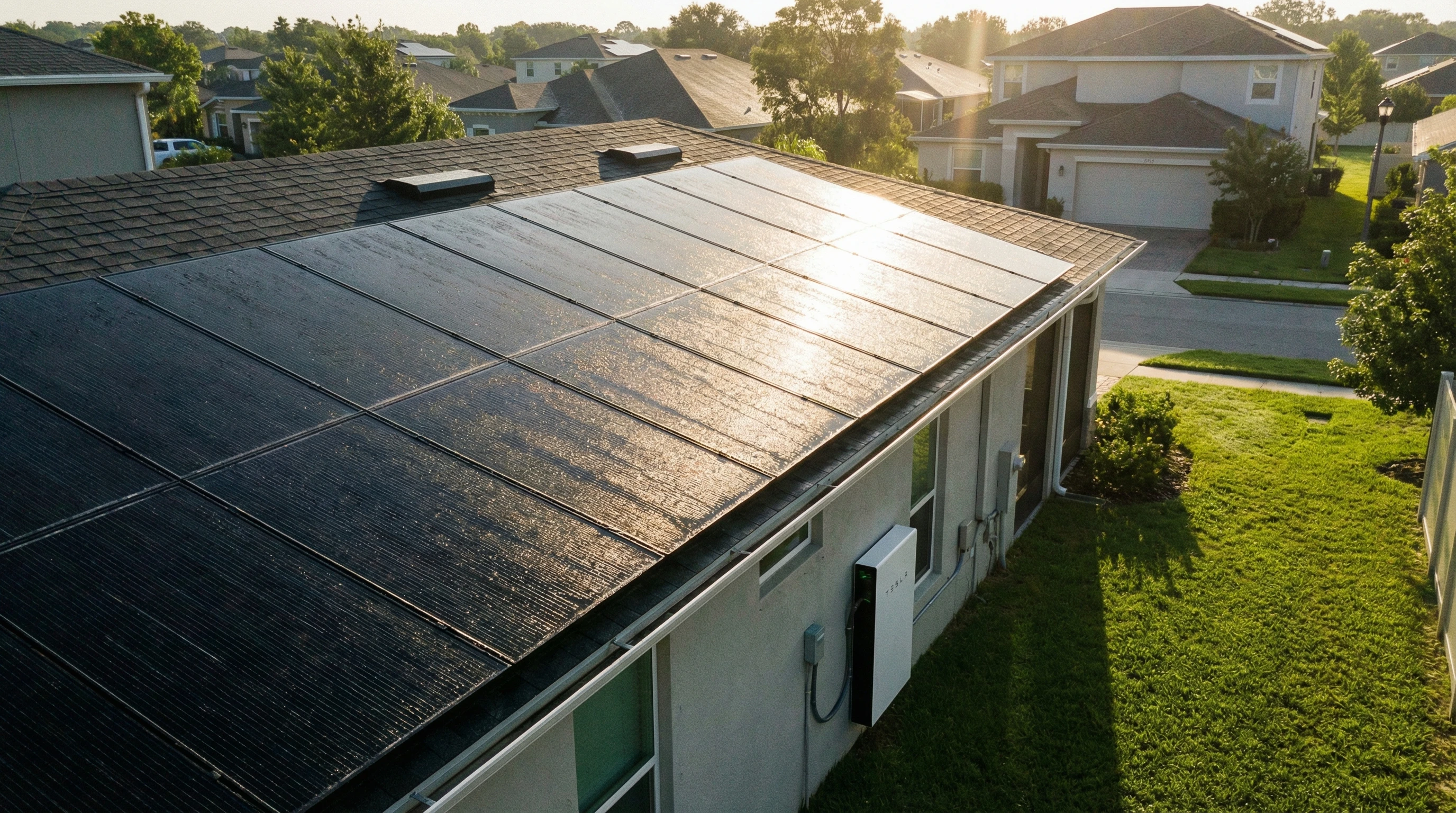
What Is Solar Battery Storage?
Solar battery storage for homes is a way to save up the electricity your solar panels produce so you can use it whenever you need it—not just as it’s being made. During the day, your panels grab sunlight and turn it into electricity, but you won’t always use every bit of solar energy right then. That’s exactly where a home battery storage system does its best work: storing the extra so you don’t lose it.
Later, when the sun is gone or hidden by clouds, instead of pulling energy from the grid, your battery lets you draw from the power you’ve banked earlier. This used to be reserved for remote, offgrid cabins, but lately I’ve noticed it catching on quickly in city homes as battery prices start to drop, energy costs keep increasing, and demand for backup during power cuts grows. The tech has become a lot more userfriendly, too. Folks want to depend less on the grid, and home battery storage steps up to make that happen without a hassle.
How Solar Panels Work With Battery Storage
If you get into solar panels with battery storage, here’s what happens at home: Sunlight hits your panels, generating direct current (DC) electricity. That electricity runs through an inverter, which converts it into alternating current (AC)—that’s what your appliances and devices need. Any electricity you don’t use right away charges up your home battery storage. Once the battery is topped off, any surplus can be sent back to the grid (if you’re still connected).
If the grid fails and your battery is set up for backup, your house can keep running for a while—how long depends on the battery size and what you’re powering. Not all batteries offer this, so it’s smart to double-check whether your model supports backup during outages.
You don’t have to ditch the grid completely to make use of a solar battery. In fact, most households stay connected so they get the best of both worlds: lower bills, backup power during cuts, plus the ability to draw energy from the grid if needed. Going fully offgrid is possible, but that usually means buying bigger batteries and making some changes to how much energy you use daily.
Pros of Solar Panels With Battery Storage
- Lower Electricity Bills: With a home battery storage system, I use solar power created through the day even in the evenings. This lets me buy less from the utility company, and seeing those savings on my bill feels great.
- Energy Independence: I don’t worry as much about price spikes in the energy market. Storing my own power gives me more control over my spending and helps during unexpected grid issues.
- Backup Power: When there’s a blackout and my battery setup includes backup, I keep the lights and fridge going. This was a relief during a recent storm that knocked out the power for hours in my neighborhood.
- Use More of Your Own Power: Using a solar battery cuts down on wasting the sun’s energy. Without batteries, a bunch of your solar production just heads into the grid for a small credit—much less than what you pay to draw it back at night.
Cons and Limitations
- Upfront Cost: The price of a solar battery is still quite a bit more than panels alone. Even though costs are falling, a good setup with a home battery means shelling out more at the start.
- Battery Lifespan: Batteries do wear out. Most home battery storage lasts eight to fifteen years before their capacity drops significantly, so chances are, you’ll need to replace them at least once or twice if your solar system runs for 25 years.
- Space Requirements: Some batteries are bulky and heavy, needing a spot in your garage or a utility room. If your home is small, it can take some planning to fit everything in comfortably.
- Not Always Necessary: If you use most of your power while the sun’s up or if your utility gives you a good payback for sending solar to the grid, installing battery storage for homes might not make enough financial sense right now.
Costs & Payback Time
If you already have solar panels, the usual cost for a midrange battery (around eight to ten kilowatt-hours) runs from £4,500 to £7,000 in the UK and much of Europe, according to the Energy Saving Trust. If you’re adding both new panels and a battery together, that cost typically sits between £10,000 and £14,000, depending on your system size and location.
How quickly the system pays for itself depends a lot on how much electricity you use at different times of day, how much you can store and use from your battery, and the local price of power. Most homes see a seven to twelve-year timetable to break even, but with energy prices rising, that window could shrink. If you use lots of power at night or for charging an electric car, a battery may look even better. I’m always checking electricity rates—batteries are getting more attractive as prices go up and incentives get bigger.
Who Should Consider Solar Battery Storage?
Going for solar battery storage makes the most sense for certain families. Here’s who gets the biggest benefit:
- Families Home in the Evenings: If you save the laundry, dishes, and gadget-time for after dark, you’ll use most of your stored solar each night.
- Remote Workers: Working from home all day and evening means higher bills—but lots of opportunity to put a battery system to work for you.
- EV Owners: Charging an electric vehicle at home overnight using your stored solar can help you dodge peak-rate energy costs.
- Main Energy Use at Night or Weekends: If big chunks of your power use happen in the evenings—like heating, hot water, or kitchen appliances—being able to tap stored solar energy instead of the expensive grid can really add up.
If you’re looking for a more complete solar setup or expandable system, ALLPOWERS also offers home energy storage and solar panel kits worth checking out.
Check Allpowers full solar solutions here (US store)
Based in Europe? View prices in EUstore
Solar Battery vs No Battery – Real Life Scenarios
With solar panels but no battery, you’ll use solar power when it’s sunny—and send extra to the grid for a small payment. Then, when the sun sets, you’ll buy electricity from your provider at the regular rate. This setup works well if you’re at home during the day. If your major electricity use is in the evening, though, you’ll end up paying the higher rates after sundown.
Solar battery storage helps you use more of your self-generated power at home. For me, this means that most of my solar production goes straight to my family, not the grid. In winter, when solar panels make less electricity, the battery can’t fill all your needs; but during long summer evenings, I sometimes find the battery nearly covers everything.
Cloudy or rainy climates don’t automatically rule out batteries. You might just need a bigger one or manage expectations during grey stretches. Based on my experience, you’ll still get backup and savings, but remember that on the darkest days, the battery may not always reach full charge.
Is Solar Battery Storage Worth It in 2026 and Beyond?
Looking ahead to 2026, a lot is changing. Grids are getting smarter, electricity prices are unpredictable, and more places are launching rebates or incentives for energy storage and backup systems. If rates keep rising and power cuts get more common, having a solar battery may seem like a no-brainer.
I always keep an eye on new government support programs, which can take a big bite out of the purchase price. Batteries today are much better than even a few years ago—smaller, more efficient, longer-lasting. If you want energy security and a futureproof home, now’s a good time to start researching options for your place.
Frequent Asked Questions
Is solar battery storage worth it for most homeowners?
For homeowners who use most of their electricity in the evenings or during outages, solar battery storage can be worth the investment. The value depends on energy usage patterns, electricity prices, and available incentives.
How long do home solar batteries last?
Most home solar batteries last between 8 and 15 years. While solar panels may last over 25 years, batteries typically need replacement once during the system’s lifetime.
Can solar batteries work during power cuts?
Yes, but only if the battery system is configured for backup power. Not all solar batteries automatically provide electricity during outages, so this feature should be confirmed before installation.
Do solar batteries work in winter or cloudy weather?
Solar batteries still work in winter, but they store less energy due to reduced sunlight. During darker months, they provide backup and partial savings rather than full energy independence.
Is it better to install solar panels with a battery or add one later?
Installing both together can reduce installation costs, but adding a battery later offers flexibility. Many homeowners start with panels and upgrade once prices fall or energy needs change.
Final Thoughts
Solar panels paired with battery storage systems can save you money, give you more freedom from a jumpy energy market, and add peace of mind during outages. Whether home battery storage fits your lifestyle comes down to your energy habits, how much you value reliable backup, and your budget. I suggest tracking your day and night power use, getting quotes from local installers, and checking for any incentives nearby. Doing this helps you nail down if it’s time to go all-in with a solar home battery system or stick with just panels for now.