
Geothermal heating is gaining serious attention among UK homeowners who want to cut energy bills and reduce their carbon footprint. Using natural heat stored underground sounds ideal, but most people want clear answers first:
How much does it cost to install? What are the monthly running costs? And when does it actually pay for itself?
After researching real UK case studies and speaking with homeowners who already use geothermal systems, here’s a realistic breakdown of installation costs, ongoing expenses, payback time and whether it truly makes financial sense long term.
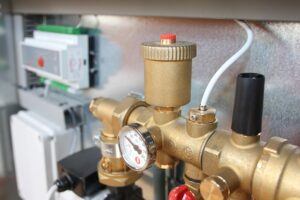
How Geothermal Heating Works (And Why Interest Is Growing)
Geothermal, also called ground source heating, uses the stable temperature beneath the earth’s surface to heat your home. Underground pipes (ground loops) circulate fluid that absorbs heat from the soil. A heat pump inside your house then concentrates that heat and distributes it through radiators or underfloor heating.
Interest in geothermal systems is rising because:
- UK carbon reduction targets are tightening
- Gas and oil prices remain unstable
- Renewable heating incentives are improving
-
Homeowners want future-proof solutions
Unlike air-based systems, geothermal delivers consistent performance all year round. Even in freezing winters, ground temperature stays stable, meaning no performance drops. This reliability makes it especially appealing for rural homes using oil or LPG.
Geothermal Installation Costs in the UK
The biggest hurdle is the upfront investment. Costs depend on property size, land access and soil conditions.
Typical UK installation costs:
- Three-bedroom home: £14,000 – £24,000
- Horizontal ground loops: £10,000 – £18,000
- Vertical boreholes: £20,000 – £30,000+
- Drilling costs: £70 – £140 per metre
-
Heating upgrades: £2,000 – £4,000 (radiators / underfloor heating)
Most homeowners receive quotes around £18,000–£22,000 for a full system.
Compared to air source heat pumps (£8,000–£16,000), geothermal is more expensive initially, but offers:
- Lower running costs
- Longer system lifespan
-
Better winter performance
Tip: Always get at least three quotes and request a full cost breakdown to avoid surprises.
Monthly Running Costs
Geothermal heat pumps are highly efficient. For every unit of electricity used, they produce 3–4 units of heat (COP of 3–4).
Typical UK running costs:
- Monthly: £40 – £90
-
Yearly: £500 – £1,100
Costs depend on:
- Home insulation
- Thermostat settings
-
Hot water usage
Compared to oil or LPG systems, geothermal heating often cuts bills by 30–60%.
Maintenance is minimal:
- Annual service: £150 – £250
- No combustion parts
-
No fuel deliveries
Running costs are also stable, unlike oil or gas prices that fluctuate heavily.
Payback Period: When Does It Make Sense?
The payback period depends on your current heating system:
- Replacing oil/LPG: 10–14 years
- Replacing gas: 15–18 years
-
New builds: 7–10 years
Annual savings can reach £500–£1,200 depending on fuel replaced.
UK grants help:
The Boiler Upgrade Scheme offers £7,500 toward geothermal installations, cutting payback time significantly.
Many homeowners say their main motivation isn’t just money, but:
- Energy security
- Stable bills
- Low carbon lifestyle
- Long-term comfort

Geothermal vs Air Source & Other Systems
Geothermal pros:
- Works efficiently in cold weather
- Lower running costs
- Long lifespan (50+ years ground loops)
-
Very quiet operation
Air source pros:
- Cheaper to install
- Easier retrofit
-
Works well in mild climates
Gas/oil boilers:
- Lower upfront cost
- Higher running costs
-
Rising fuel prices
For homes off the gas grid, geothermal is often the best long-term option.
Downsides to Consider
Geothermal isn’t perfect:
- High upfront cost
- Garden disruption during installation
- Needs land or drilling access
-
Not portable if you move
Good planning helps:
- Install in dry seasons
- Ask installers about landscape restoration
-
Speak to past customers
Frequently Asked Questions
What does geothermal heating cost in the UK?
£16,000 – £24,000 for most homes.
Is it cheaper than gas or oil?
Yes, especially compared to oil/LPG.
Does it increase home value?
Yes, renewable heating boosts appeal to eco buyers.
Are UK grants available?
Yes – Boiler Upgrade Scheme (£7,500).
Horizontal vs vertical loops?
Horizontal is cheaper but needs land. Vertical costs more but works for small plots.
Final Thoughts
Geothermal heating isn’t a short-term money saver.
It’s a long-term investment in comfort, stability and sustainability.
If you plan to stay in your home for years and want protection from rising energy prices, geothermal can be a smart, future-proof choice.