
If you generate power from solar panels or a backyard wind turbine, home battery storage has probably caught your attention. Being able to stash your own electricity for use when you really need it isn’t just about saving money, it’s about energy freedom, peace of mind, and making the most of your investment in renewables. In this article, I’m explaining exactly how home battery storage works, what it really costs, its benefits, downsides, and whether it’s a smart move for your home. Home battery storage stores excess electricity generated by solar panels or wind turbines for later use. It provides backup power during outages, reduces reliance on the grid, lowers electricity bills through peak-time energy use, and increases renewable energy efficiency. Most modern home battery systems use lithium-ion technology and typically cost $6,000–$15,000 installed.
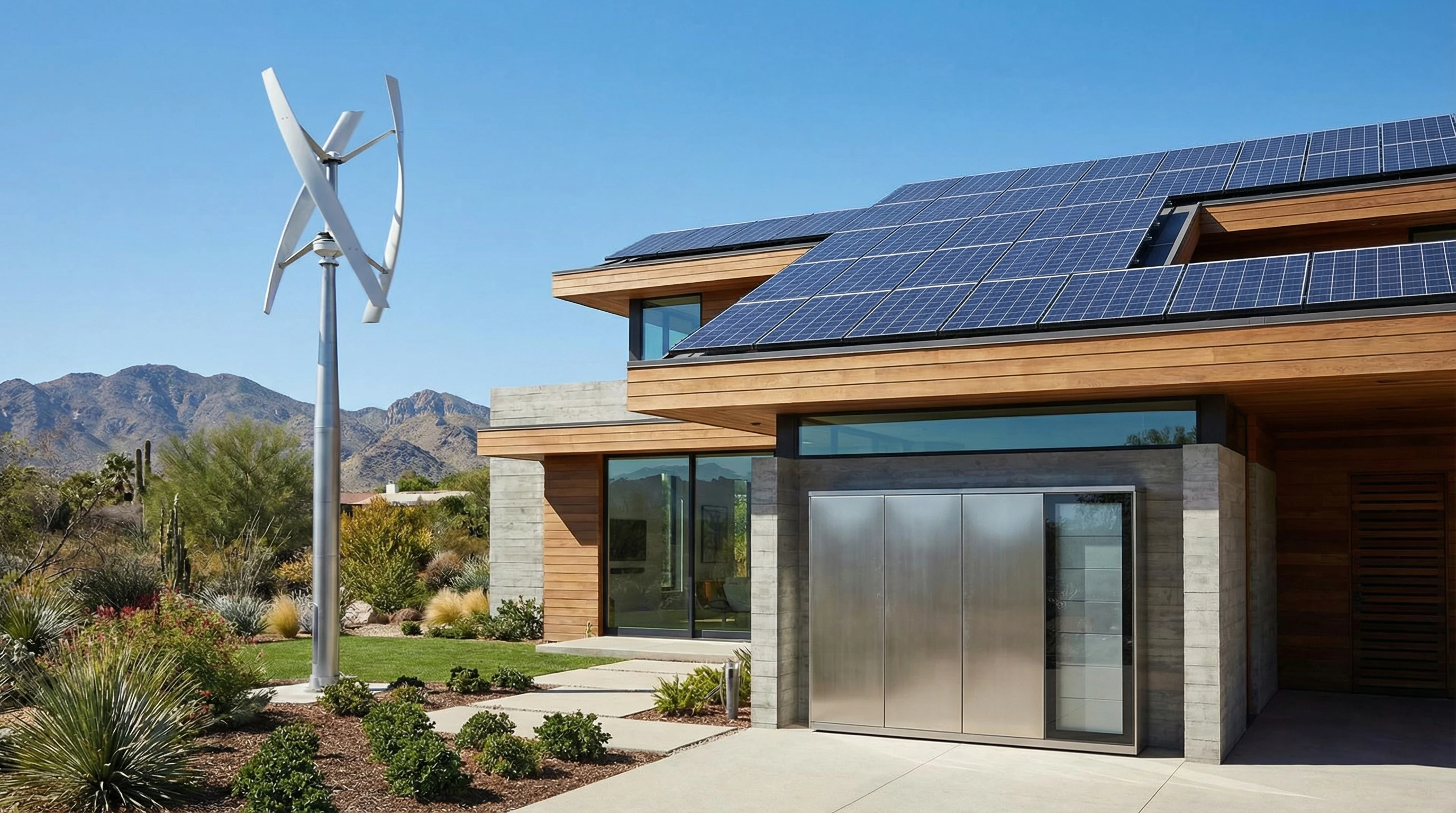
Why Home Energy Storage Matters for Solar and Wind Systems
Using solar or wind power at home sounds pretty ideal. But what happens when the sun isn’t shining or the wind isn’t blowing? Unless you have a way to use the energy right as it’s made, you’re either sending extra power back to the grid or letting it go to waste. Home battery storage solves this problem, letting you keep and use the electricity you produce, even after dark or when the weather changes.
The peace of mind and reliability home batteries offer becomes really important during outages. If your neighborhood loses power, a battery can keep the lights (and fridge, AC, or medical devices) running for hours or even days, depending on your system. People in areas with frequent blackouts, rolling brownouts, or extreme weather events find this feature super valuable.
Beyond just backup power, battery storage unlocks a new level of independence from your utility company. If you like the idea of reducing your reliance on the grid, battery storage is one of the most practical ways to get there.
How Home Battery Storage Works
Adding batteries to your renewable energy setup is like adding a stash of power you can tap whenever you want. Here’s the basic play-by-play:
- Charging from solar or wind: When your solar panels or turbine generate more electricity than your home needs at the moment, that excess energy flows into your battery bank instead of back to the grid.
- Supplying energy during outages: If there’s a grid outage, the battery automatically kicks in, keeping selected circuits or even your whole house powered up, depending on the system.
- Everyday power shifting: Some batteries are programmed to send stored energy to your home during expensive “peak rate” times or when the sun has set. That way, you’re buying less electricity from the utility when it’s costly and using your own cheaper, stored energy instead.
You’ll hear about two big types of battery setups: grid-tied and off-grid storage.
- Grid-tied storage: Most home systems with batteries stay connected to the power grid. This setup lets you store extra energy and still use utility power as backup when the battery runs out. It’s popular for its flexibility and safety features.
- Off-grid storage: This means your home relies entirely on solar, wind, and batteries; no grid backup at all. Useful for remote properties, but it needs careful sizing and planning so you don’t run out of juice.
Quick Comparison: Home Battery Types
Battery Type | Lifespan | Cost | Maintenance | Best For
- Lithium-ion | 10–15 years | High | Low | Most homes
- Lead-acid | 5–10 years | Low | High | Off-grid cabins
- Saltwater | 10+ years | Medium | Low | Eco-focused users
- Flow battery | 15–20 years | Very high | Low | Large systems
Types of Home Energy Storage Batteries
Batteries have come a long way in the past decade. While you might picture a car battery or something bulky, today’s home storage options are much more advanced, and some are even kind of stylish on your wall. Here’s a breakdown of the types you’ll probably come across:
- Lithium-ion Batteries
These are the most popular home battery type right now. They’re lightweight, compact, efficient, and can be charged and discharged thousands of times without much wear. Tesla Powerwall, LG Chem RESU, and Enphase IQ are all lithium-ion models.
Upsides: High efficiency, long lifespan, low maintenance.
Downsides: Higher upfront price, can get hot and sometimes need cooling systems. - Lead-Acid Batteries
The oldschool workhorse, think of what’s in your car, but scaled up. Most people use “deep cycle” lead-acid batteries like AGM or gelcell models for off-grid cabins.
Upsides: Cheaper, proven track record.
Downsides: Shorter lifespan, less usable energy, heavy, bulkier, and need more regular maintenance. - Saltwater Batteries
These skip toxic metals, using saltwater electrolytes instead. They’re pretty safe and environmentally friendly but not super common yet.
Upsides: Nontoxic, easier to recycle, no fire risk.
Downsides: Less efficient, a bit bulkier, and not as widely available. - Flow Batteries
These are a newer technology. They store energy in liquid electrolytes that flow through the battery. Cool idea for bigger home systems or even commercial setups.
Upsides: Can be easily sized up, last a long time, deeper cycling without damage.
Downsides: Large footprint, higher price, and still pretty new to the home market.
Lithium-ion vs Lead-Acid: What I’ve Noticed
Most people looking for modern, handsoff setups go for lithiumion because the convenience and efficiency are hard to beat. Lead-acid still fits for people with tighter budgets or DIY offgrid cabins, but it does need more babysitting.
Home Battery Storage Costs
One of the first things homeowners want to know: how much is this going to cost? Here’s what I’ve learned about real numbers and what drives up or down the price:
Battery Price Ranges
A basic home battery costs anywhere from $6,000 to $12,000 (including hardware and a standard installation), depending on the type and brand. For most homes, 10 to 15 kilowatt-hours (kWh) of storage covers basic needs during a blackout. If you want whole home backup or a big house, you might need two or three batteries, which doubles or triples your cost.
Installation Costs
Professional installation normally adds $1,000 to $3,000. Complexity, like old wiring, tight spaces, or electrical panel upgrades, means higher labor costs. Most companies quote you a total installed price, so always check what’s included. Permits, wiring, monitoring, and taxes can all sneak onto the final bill.
Lifespan, Warranties, and Replacement Cost
Home batteries last between 8 and 15 years, depending on usage and the battery type. Lithium-ion systems usually last longer than leadacid. Most companies offer a 10year warranty with conditions on daily cycles or capacity left at the end. When it’s time for a replacement, you’ll pay for the new battery but can often reuse existing wiring and inverter, so it’s not a full redo.
Cost Per kWh Explained
To compare batteries, the industry uses “cost per kilowatthour” (kWh). It’s what you pay for each kWh of usable battery storage. The average is about $500 to $1,000 per kWh installed, depending on battery type and local installer pricing. Lithium-ion has a higher sticker price but more usable cycles, so its costper kWh over its lifetime can actually be lower than lead-acid.
Other Cost Factors
- Permitting and inspections (region dependent)
- Inverter type (some batteries need a special hybrid inverter)
- Battery monitoring or smart controls
- Potential state or federal tax credits (these can sometimes save thousands!)
Benefits of Home Energy Storage
- Energy independence: Store your own power and decrease how much electricity you buy from the grid. Batteries can get you fully off-grid or just help you avoid the utility when you want.
- Backup during power outages: A home battery can keep your fridge, lights, internet, security system, or even medical equipment running when the grid goes down. Some people prioritize certain circuits (like a fridge or well pump) to make the stored power last longer.
- Lower electric bills: If your utility has “timeofuse” rates or demand charges, home batteries can help you use stored energy when electricity is priciest. This “peak shaving” saves money year round.
- Better renewable efficiency: Batteries help you use more of your own homegrown solar or wind energy, less wasted, more self-sufficiency, and lower emissions overall.
For people in remote places, those with unreliable grids, or anyone who wants to make the most of their investment in renewables, batteries add real peace of mind and flexibility.
Limitations and Downsides
It’s only fair to mention some of the things that can keep batteries from being a perfect fit for every home:
- High upfront cost: Even with tax credits, the initial investment can be out of range for some. Waiting for prices to keep dropping is a valid choice if you’re on the fence.
- Limited capacity: Home batteries can only hold so much power. Running big loads, like central AC or electric heat, for long periods might drain your stash quickly; a single battery may not run your entire home for days.
- Replacement cycles: Batteries don’t last forever. You’ll likely need a new one in a decade or so, and while prices are coming down, it’s still an extra cost.
- Space and installation limits: Bigger battery banks take up more room, may need wall space, and sometimes require special rooms or outside weatherproof boxes. Certain homes might need an electrical panel upgrade before a battery can even be installed.
- Fire safety (mainly with lithium-ion): Rare, but possible. Reputable brands have strong safety features built in. Always use a qualified installer!
Battery Storage with Solar vs Wind Systems
You can combine battery storage with either solar or wind, or both, but the way the systems work together differs a bit.
Storage with Solar
Most solar homes use battery storage to help smooth out daily ups and downs. Charging all day when the sun is out, and discharging at night or during cloudy spells. Solar paired with home batteries is the most common setup today, and there are plenty of “solar plus storage” kits designed for this exact purpose. For a deeper look at how solar production compares to wind input, see our wind vs solar guide…
Storage with Wind Turbines
For homes with consistent wind, batteries help capture excess power during blustery nights or storms when your home isn’t using much. Wind pairs especially well with batteries in rural or off-grid spots, since wind patterns can be totally unpredictable compared to daily sunlight.
Hybrid: Solar, Wind, and Batteries Together
This combo gives you a double layer of protection. If it’s cloudy and calm, batteries bridge the gap until the next sunny or windy spell. Hybrid systems are common for people who crave maximum selfreliance or live in spots with wild swings in weather.
Is Home Battery Storage Worth It?
Whether batteries pay off for you depends on a few big factors. Here are the easiest ways to figure it out:
Best Case Scenarios
- You have frequent blackouts or live somewhere with unreliable power
- Your utility offers high “timeofuse” rates or demand charges
- You want to maximize your off-grid lifestyle
- You just like the idea of using more of your own solar or wind energy
For people in California, Texas, Puerto Rico, Florida, or anywhere with hurricanes, wildfires, or rolling blackouts, the backup feature is worth a lot. For others, the financials might not be as clearcut but the energy independence is pretty attractive.
When is it Not Worth It?
- Your grid is super reliable and outages are rare or very short
- You’re on a flat electricity rate plan with no rewards for storing or timeshifting your energy
- Your current solar or wind system already covers your annual use, and adding batteries won’t increase savings
- You’re planning to move in a few years and don’t want to deal with payback timelines
Basically, if you don’t need backup and your power is cheap and reliable, waiting a few years for lower prices can make more sense. For comparison, you can see how wind turbine ROI and lifetime costs stack up in our dedicated guide …
How to Choose the Right System
Getting the perfect battery setup means doing a little math, some budgeting, and thinking about the future.
Capacity Calculation
Batteries are sized in kilowatt-hours (kWh). Figure out which home circuits you want to cover during an outage (fridge, lights, internet, select outlets), then add up their usage for the length of backup you want (a few hours, overnight, or several days). Online calculators for battery sizing are pretty handy, or you can ask your installer to help size it up for your needs. (See: How To Measure Wind Speed At Your Property)
Know Your Home Energy Usage
Digging out a year’s worth of utility bills is the best way to see your average and peak energy use. Smart monitors like Sense or Emporia can also track usage in real time, very useful for rightsizing your system and avoiding overspending. If you want to get really granular, you can use plug-in usage meters for individual appliances.
Evaluating your seasonal patterns matters, too. In cold climates, you might use more energy in winter than summer, especially if you have electric heating or heat pumps. If you have a pool pump or EV charger, remember to factor in their energy draw as well.
Budget Considerations
Home batteries aren’t cheap, but tax incentives, zerodown financing, and local rebates can make a big difference. Some installers will let you start with one battery (for partial backup) and add more later as your needs or budget evolve.
Getting multiple bids from installers and checking reviews or user forums like SolarReviews, EnergySage, or Reddit’s r/solar can help spot good deals and quality brands. When researching, always look for warranty details and check if the installer offers ongoing monitoring so you can track performance over time.
Future of Home Energy Storage
Some awesome trends in battery storage are on the horizon. Here’s what’s coming:
- Lithium iron phosphate (LiFePO4) and newer chemistries with better safety and lifespan
- Prices keep dropping every year
- More options for virtual power plants, letting your battery earn money by supporting the grid
- Plug and play, stackable systems and battery units designed for DIY installation
- Batteries packaged with solar, wind, and smart home energy management in a single app
- Greater integration with EV charging—some home batteries can even charge your electric vehicle, or let your EV battery power your home during an outage
Predicting exactly when batteries will drop to “no brainer” prices is tough, but based on the past 5 to 10 years, things are definitely moving in that direction! Technologies such as secondlife EV batteries may also bring even more affordable options to the residential market. Looking for the best battery systems for your home? Check out our upcoming guide on top home battery models and cost comparisons.
Frequently Asked Questions
How long will a home battery keep my house running during a power outage?
It depends on the battery size and how much electricity you use. A typical 10 kWh battery can keep basic circuits, like a fridge, lights, and a few outlets, going for 8 to 12 hours. If you run high powered appliances, it drains faster. Stacking multiple batteries means longer backup time.
Do home batteries save money on my electric bill?
They can, especially if your utility has timeofuse (TOU) rates, demand charges, or you’re in an area where grid power gets expensive at night. For folks with flat rates and reliable power, the savings might not cover the whole installation cost. Backup and energy independence may be the bigger draw.
Can I add batteries to my existing solar system?
Usually, yes, but it depends on how your system was set up and the inverter in use. Some inverters support batteries out of the box; others need upgrades or replacements. A site assessment by a qualified installer will tell you what’s possible.
Are there incentives or rebates for home battery storage?
Definitely in some places! In the US, the federal Solar Investment Tax Credit (ITC) now covers batteries if you install them with solar or soon after. Several states, like California and Massachusetts, have extra rebates, especially for homeowners in disasterprone or highdemand areas. Always ask your installer about the latest incentives, because programs change often.
Do home batteries require a lot of maintenance?
Most modern lithium-ion batteries are very low maintenance. Saltwater and flow batteries are designed to be set and forget. Lead-acid batteries do need periodic checks for water levels and equalization charges. Your installer should show you the right routine for your exact system.
Wrapping Up
Adding home battery storage to your renewable system can mean energy independence, peace of mind, and better use of your own solar or wind power. The technology keeps getting better and more affordable, but deciding if it’s a good fit comes down to how much you value backup power, utility bill savings, and being in control of your own energy. With a little homework and the right installer, battery storage can turn your home into a mini power plant. That’s smart, reliable, and ready for whatever comes your way.