
Innovations in solar panel technology are changing how people think about clean energy for homes, businesses, and even offgrid locations. With the demand for solar power rising each year, manufacturers and researchers are coming up with fresh ways to improve efficiency, lower costs, and make solar energy accessible in more places. Here’s what’s shaping the future of solar panel tech and how some of these eye-catching developments might show up on rooftops in the next few years.

Biggest Game Changers in Modern Solar Panel Technology
Solar panels have been around for decades, but the industry isn’t standing still. Solar cells used to be bulky, expensive, and not all that efficient. That picture looks pretty different now. The latest solar panel technology focuses on squeezing more electricity out of every bit of sunlight while using lighter and more flexible materials. Some panels even come in colors or transparent designs that blend into windows or roofs. These changes aren’t just for looks, as they help get solar onto more buildings and even mobile gadgets.
One key development is the rise of perovskite solar cells. They’re generating a real buzz in the science world since they’re lighter, flexible, and cheaper to produce compared to oldschool silicon cells. Researchers are also working on tandem panels that combine different solar cell materials to grab energy from more parts of the sunlight’s spectrum, boosting how much power a single panel can crank out.
Technologies that allow solar panels to collect usable electricity from indoor light, shaded areas, and even during nighttime hours are also on the way. It’s an exciting time, and it’s only getting better with more companies investing in solar tech than ever before. As more applications become possible, it’s clear that the possibilities for integrating solar into daily life keep broadening—from solar-powered chargers and backpacks to energy-generating roads.
What’s the Latest Innovation in Solar Panels?
If you ask what the new innovation is in solar panels, the answer is pretty much “perovskites.” Perovskite solar cells are showing promise because they’re easy to manufacture, don’t require super high temperatures, and can be made using rolltoroll printing. This means they can be printed onto flexible sheets or curved surfaces, which opens up lots of creative ways to install them, including in clothing, on windows, or even on curved architectural features like domes and arches.
Traditional solar panels usually hit max efficiency around 20–23%, while perovskitebased and tandem panels are already breaking the 30% barrier in labs, according to research published by the National Renewable Energy Laboratory (NREL). Perovskites are still going through a lot of testing to make sure they last decades in real-world weather, but the pace of progress is fast and improvements keep coming every year.
Key Innovations in Solar Panel Materials
Silicon has always been the classic choice for solar cells, but new materials are shaking things up and creating exciting opportunities for both manufacturers and consumers.
- Perovskite Materials: Easy to manufacture, flexible, and potentially cheaper than silicon. They’re attracting a lot of research money and are one step closer to going mainstream every year.
- ThinFilm Solar: Companies like First Solar are using cadmiumtelluride. These panels are thin, light, and work well even in overcast weather, so they’re useful for large commercial installations and places where weight is a concern.
- Organic Photovoltaics: Made from carbon-based materials, these solar panels can be printed onto rolls, making them super light and flexible for creative installations on things like vehicles and wearable tech.
These new materials make it possible to create solar panels that are lighter, flexible, and more suited for tricky roof spaces, unusual architectural styles, or even for places like RVs, boats, backpacks, and outdoor events. The way these materials are mixed together in new designs keeps pushing the boundaries of where solar power can go.
Solar Panels That Work at Night? Yes, It’s Happening!
It sounds like science fiction, but there’s progress toward solar panels that can generate a small amount of energy even after sunset. This works thanks to something called thermoradiative cells, which basically capture heat as it radiates from the solar panel surface back into the night sky. While this doesn’t produce nearly as much energy as daytime sunlight, it’s still pretty handy for trickle charging batteries or powering devices where every bit of energy helps. Stanford University scientists demonstrated this concept (Stanford News). There’s a lot of curiosity to see how far this tech will progress and what real-world uses will emerge, such as running sensors or low-power devices overnight.
Solar Technology Types: The Full Spectrum
The word “solar panel” might bring one image to mind, but there are actually several different types. Here’s a quick rundown:
- Monocrystalline Silicon: These panels are made from singlecrystal silicon and are super efficient and space saving. My top pick for rooftops with limited space.
- Polycrystalline Silicon: Slightly less efficient than mono, but usually more budgetfriendly, making them more accessible for some buyers.
- ThinFilm (CdTe, CIGS): Flexible and lightweight, great for large flat roofs or odd surfaces that traditional panels might not fit well.
- Perovskite: Still mostly in testing but likely to become the most talked-about panel tech soon. Their flexible nature makes them a candidate for creative uses down the line.
Choosing the right type depends on your budget, the space you have, and how much efficiency matters for your project. It’s a good idea to size up your options while thinking about both the short-term investment and long-term energy gains.
New Solar Technology for Homes
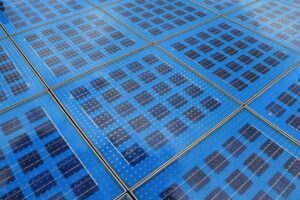
For homeowners, the biggest trends are better solar efficiency, improved aesthetics, and new integrated storage options. Integrated solar roof tiles, like those offered by Tesla and other startups, blend into regular shingles. You can now get solar glass that works as a roof and lets in filtered daylight, or semitransparent solar film for windows, allowing buildings to generate power without looking like traditional solar installations.
Battery tech has also gotten a lot better. Modern lithiumion or ironphosphate batteries help homeowners store extra energy for nighttime or cloudy days, cutting down how much power they buy from the grid. Smart home inverters and monitoring apps let people see how much energy they’re making and using right from their phones, giving more control over managing household energy needs.
Along with better energy storage, many homes are now being wired to support electric vehicle charging, heat pumps, and smart appliances that work in sync with solar generation. That means the benefits of solar keep growing all year, not just on sunny days.
Solar Panel Innovation: What’s New for 2025?
Looking ahead to 2025, I’m seeing trends like bifacial solar panels (which collect light from both sides), more powerful microinverters, and plug and play solar kits. These innovations make installation faster and cheaper and help get the most out of every ray of sunshine.
- Bifacial Panels: Useful for places like flat roofs or fields with reflective surfaces, as they can pull in extra energy from below and above, increasing overall production.
- Plug and Play Kits: Lightweight solar packages designed for quick install. Think balconies, RVs, or rented homes where permanent changes aren’t possible.
- Smart Monitoring: Improved analytics software to track and automatically adjust home energy use based on solar output and home needs. These monitoring systems give homeowners better insight and can help maximize savings through better timing and energy management.
In the UK, new panel models are being rolled out that handle low-light conditions better, which helps stretch solar’s usefulness well beyond summer days. This makes solar more practical year-round, even in places with lots of clouds. Solar power is no longer just a summertime option; it’s becoming a year-round solution that can handle a variety of climates.
Challenges and Things to Weigh Before Going Solar
Even the most advanced tech isn’t perfect. Here’s what I always suggest looking at before picking a solar setup:
- Panel Lifespan: Ask about warranties and expected lifespan. Some new materials are promising, but proven, older designs still lead the pack for longevity right now.
- Efficiency vs. Cost: High-efficiency panels cost more upfront; it’s worth checking if you really need those extra few percent, or if standard models will handle your needs just fine without breaking the bank.
- Location and Sun Exposure: Solar works best with direct sunlight, so shaded roofs or homes in cloudy regions will need higher-efficiency panels or smart placement to perform their best.
- Installation: Some panels are heavier or more fragile than others. Read installer reviews, and make sure your roof is in good shape before adding solar.
- Maintenance: Most panels barely need more than the occasional cleaning, but flexible films or perovskite cells could need extra care as the tech develops. Keeping up with maintenance advice from your installer can help your system last its full lifespan.
I’ve found that careful research helps buyers make informed decisions. Leading brands usually offer good support, but reading warranty fine print and knowing local regulations are really important steps for long-term satisfaction and savings.
Real-World Solar Innovation Examples
Solar technology isn’t only about fancy labs. It’s already changing real-world energy systems. On apartment buildings in the UK, solar glass windows are producing electricity without looking any different from regular glass. In Australia, bus shelters and highways now use flexible solar panels glued right onto their surfaces. Even farms are starting to see “agrivoltaics,” which is a fancy word for solar panels that stand taller so crops can grow underneath. You get shade for plants, extra income for the farm, and local clean energy all in one go.
- Urban Solar Skins: Ultrathin solar “skins” for stickon installation over roofs or facades mean cities can add energy production almost anywhere, even on historic buildings that can’t use bulky panels.
- Agrivoltaics: Solar fields that let crops and livestock benefit from shade and partial sunlight. This arrangement keeps soil cooler, helps plants thrive, and turns unused land into an energy resource without giving up farming space.
- Mobile Solar Power: Super lightweight panels for RVs, boats, and emergency units open up chances for energy independence off the grid or on the go, offering flexibility for travel and emergency response.
Meanwhile, the integration of solar in public infrastructure, such as bus stops, streetlights, and sound barriers along highways, brings renewable power to daily life in ways people see and use every day. The spread of solar in unexpected places shows just how versatile this technology is becoming.
Frequently Asked Questions
Question: What’s the best new solar technology?
Answer: Perovskite solar cells are showing the most promise, especially when used with traditional silicon in tandem panels for super-high efficiency. Their ability to work with flexible and creative form factors is also exciting.
Question: Can you get solar panels that work at night?
Answer: There’s research on thermoradiative solar cells that make tiny amounts of electricity at night, but these are mostly experimental so far, not for mainstream home use just yet. Most of your savings will still come from daytime production and storage.
Question: What types of solar panels are available?
Answer: The main types are monocrystalline, polycrystalline, thinfilm, and perovskite solar panels. Each type has different strengths for space, budget, and efficiency needs, so it’s smart to think about your specific situation before choosing.
Question: Does the latest solar technology work better in cloudy places?
Answer: Yes, new panels, especially thinfilm and some perovskite, perform much better in lower-light conditions, making them good picks for places like the UK or coastal regions with frequent overcast days.
Final Thoughts on Where Solar Panel Innovation Is Going
I’m seeing an exciting future for solar panel technology, with fresh materials, higher efficiency, and allnew uses reshaping what’s possible for both homes and businesses. Staying up to date helps make smart choices and often opens the door to rebates or incentives for early adopters. Digging into these advances, and the brands bringing them to market, pays off for anyone thinking about switching to solar— even if you’re working with a tough climate or a tricky roof. With so many new options rolling out, taking the time to track down what works best for your property could lead to major savings, eye-catching designs, and a cleaner energy future.