
Global climate change isn’t something any country can tackle alone, which is why international climate agreements and renewable energy targets keep popping up in headlines everywhere. I’ve followed the path of these agreements for a while, and there’s a lot to unpack. Whether it’s ambitious net-zero promises, the Paris Agreement buzz, or how countries actually aim to power their futures differently, the landscape is always evolving.

What Are International Climate Agreements?
These agreements are deals between countries to work together on fighting climate change and switching towards cleaner energy. The big idea is simple: if all countries reduce carbon pollution and encourage renewable energy, the future of global warming could look very different. I find it helpful to see these agreements like a group project; success depends on everyone actually doing their part.
Since climate change crosses borders, international regulations and shared goals make it possible to track progress, hold each other accountable, and push forward new tech and policy changes. Agreements often set targets for slashing greenhouse gases, protecting forests, adapting to different weather patterns, and rolling out more clean power options across economies large and small.
These agreements also help countries share experiences and best practices. For example, nations with extensive experience in solar innovation can support others through joint ventures or advice, helping everyone move faster towards meaningful change. This spirit of teamwork has become more critical as climate impacts turn from predictions into realities around the world.
The Paris Agreement: Still the Big Name in Climate Action
No climate policy talk is complete without the Paris Agreement. Created in 2015, this landmark deal pulled together nearly every country under the United Nations Framework Convention on Climate Change (UNFCCC). The full Paris Agreement PDF is worth checking out for details, but here’s what stands out to me:
- Global Temperature Goals: All participating countries agreed to keep the rise in global average temperature to well below 2°C (about 3.6°F) above pre-industrial levels, while aiming for a safer 1.5°C. This ambitious target influences energy, transportation, and land-use policies around the globe.
- Nationally Determined Contributions (NDCs): Each country submits its own climate action plan, including targets for pollution cuts and ways to give renewable energy a boost. Every five years, these plans are reviewed and, ideally, made more ambitious as new science emerges and technology improves.
- Climate Finance: Wealthier countries agreed to support developing nations with funds and tech to help them adapt and switch to cleaner energy. How and how much support is offered remains a topic of debate and negotiation at every major climate summit, but it’s a vital piece of the agreement’s success.
In the first year, 196 parties signed the agreement, and as of now, most countries are still officially on board. Only a few haven’t signed or have stepped away, but most major economies are counted in. The Paris Agreement process keeps the global conversation going and ensures that climate action remains at the top of international agendas.
What Net Zero Really Means
“Net zero” is a phrase you’ll see everywhere these days, but its meaning can get a bit muddied if you’re new to climate policy. Reaching net zero doesn’t mean a country stops producing emissions altogether. It means the amount of greenhouse gases they release is balanced by the amount they remove from the air, through forests, carbon-capture technology, or changes in farming, for example.
Many countries set their net zero target years for 2050 or 2060. The closer countries get to net zero, the more the world can slow down global warming. Net zero targets help guide decisions across industries and often spark investments in new energy technology, from advanced batteries to sustainable biofuels.
Without these objectives, it would be pretty tough for governments, businesses, and even local groups to map out the big changes needed in energy, construction, and daily life. They act as signposts and measuring sticks, keeping everyone moving in the same direction.
Main International Climate Agreements and Why They Matter
The Paris Agreement is the latest and broadest, but there were earlier efforts that shaped today’s climate action. Seeing the bigger picture helps explain how the global response got to where it is now:
- Kyoto Protocol (1997): The first big try at legally binding countries to cut greenhouse gas emissions targeted mostly developed nations. It didn’t fully address rapidly growing emissions in some developing countries. Ultimately, it wasn’t enough, but it set important groundwork for more inclusive deals.
- Copenhagen Accord (2009): Less formal than Kyoto, the accord recognized the need to keep global warming below 2°C and encouraged countries to submit their own climate plans, but lacked enforcement power for those promises.
- Paris Agreement (2015): Broader and more flexible, allowing each participant to decide its own contribution and crank up ambition over time. That’s part of why so many signed on, and why updates keep coming regularly.
Numerous smaller pacts and groups, such as the G7 and G20 energy communiqués, are also working toward climate goals, but none have global reach quite like Paris.
Renewable Energy Goals and Targets by Country
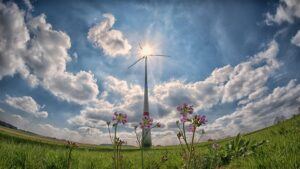
International agreements spell out the “big picture,” but it’s national renewable energy targets that turn words into actions. I always look at how those promises get real on the ground. Many countries built their strategies around a blend of wind, solar, hydropower, advanced batteries, and even green hydrogen, shaped by local resources and needs.
Here are some noteworthy 2030 renewable energy targets from around the world:
- European Union: EU countries together aim for at least 42.5% of all their energy use to come from renewables by 2030. A few, like Denmark and Sweden, shoot even higher and already have major jumps in wind and solar.
- United States: No nationwide goal for renewables yet, but individual states set eye-catching goals (for example, California wants 60% renewable electricity by 2030). National policies and incentives are increasing the pace and scale of solar and wind projects everywhere.
- China: As the biggest greenhouse gas emitter, China plans to have renewables cover about 25% of its main energy use by 2030, and aims to hit its carbon peak well before that date, sparking investments well beyond its borders.
- India: Setting a bold target of 500 gigawatts of non-fossil fuel energy capacity by 2030, focusing especially on wind and solar deployment. Many Indian cities are quickly adding rooftop solar to public buildings and homes.
- Brazil: Over 45% of Brazil’s primary energy already comes from renewables, mainly hydropower. More recently, the country has been pumping up solar and wind to round out its energy mix.
The International Renewable Energy Agency (IRENA) tracks these targets and progress by region and country. The clear pattern: almost every major economy now has public renewables goals, even if the details and speed of rollout vary. New partnerships are forming every year, connecting high-potential regions to international finance and technology transfers.
Countries Not Signing or Leaving Major Climate Deals
Most nations signed the Paris Agreement, but a small handful didn’t for political reasons, disagreements about climate finance, or views on fairness. As of now, only six UN member states haven’t formally adopted the agreement: Eritrea, Iran, Iraq, Libya, South Sudan, and Yemen. Some countries, such as the United States during 2017 to 2021, have announced withdrawal plans, but later rejoined as leadership changed.
If you’re curious about which countries joined or left, the full list is frequently updated on the UNFCCC website. This transparency helps everyone keep tabs on the world’s collective progress.
Quick Guide to Making Sense of Climate Agreements and Energy Targets
Figuring out how these agreements link up with renewable energy goals can be overwhelming at first glance. Here’s how I break it down:
- Global promises become national targets. Countries sign onto international deals, then convert these into domestic laws and incentive programs.
- National targets create real energy market changes. Governments set up subsidies, establish clean energy requirements, or invest in research and innovation to drive toward their stated goals.
- Progress is checked regularly. The Paris Agreement’s five-year review cycle keeps pressure on countries to step up their ambitions and update targets based on new research and real-world results.
Especially since 2020, there’s rising pressure for international climate agreements and renewable energy goals to deliver not just announcements, but real results, with communities and businesses pressing for faster action and accountability.
Challenges and Things I’ve Noticed With Global Climate Deals
A target in a document doesn’t always transform quickly into action. Here are some recurring hurdles the climate community talks about:
- Financing the Transition: Moving to renewables can be expensive, especially for less wealthy countries. Ongoing negotiations always touch on who foots the bill and how wealthy economies can help less developed ones make the switch on fair terms.
- Measuring Real Progress: Each country measures its energy and emissions with unique systems, which makes it tricky to line up the numbers and keep global scorecards accurate.
- Technology and Infrastructure Gaps: Some places have trouble building enough power lines or storage to get clean energy from where it’s made to where it’s needed, especially in rural or remote zones.
- Political Changes: Elections and shifting priorities can spur progress or slow it. This makes climate watchers follow leadership and policy shake-ups around the globe closely, since one election can flip energy priorities completely.
Tips for Following International Climate and Renewable Energy Updates
To keep up with international climate policy without getting lost, here are a few helpful approaches:
- Bookmark trusted sources such as the UNFCCC or IRENA for official news and reports.
- Check updates from global news outlets or energy-focused think tanks like the International Energy Agency and major science organizations.
- Look for national government news about how global deals shape local laws, as that’s where you’ll spot direct impacts like tax credits for solar, new wind farms, or cleaner transit options.
With information pouring in from all directions, focusing on a few high-quality sources will keep things simpler and more actionable for everyone following the story.
Frequently Asked Questions
Question: What exactly is the international agreement for renewable energy?
Answer: There isn’t a single treaty just for renewables globally. Still, most climate deals (including the Paris Agreement) set clear expectations for countries to step up renewables as a core part of meeting emissions goals.
Question: How many countries signed the Paris Agreement?
Answer: As of now, 195 countries and the European Union are signed on to the Paris Agreement. Just about the whole world is in.
Question: What is the main goal of these climate agreements?
Answer: Their top priority is to keep global temperature rises well below 2°C, ideally under 1.5°C, and to provide frameworks for countries to cut emissions, adapt to new challenges, and improve their targets over time.
Question: Is there a global renewable energy target for 2030?
Answer: There isn’t one single worldwide goal, but the UN and IRENA call for at least doubling the share of renewables by 2030. Most countries now have their own national targets for that year or soon after.
Question: Where can I read the Paris Agreement?
Answer: You can download the official text from the UNFCCC’s website anytime.
Key Takeaways for Renewable Energy and Global Goals
International climate agreements set the broad goals for moving the planet towards clean energy and smaller carbon footprints, while national renewable energy targets put those promises into action at home. The Paris Agreement brings nearly every country together, and national targets for wind, solar, and hydropower are gaining ground fast. By keeping an eye on official updates and national progress reports, you’ll be able to track how these ambitious plans are shifting from pledges to real progress over the coming years.