
Solar energy is one of the most practical ways to reduce energy bills and lower your home’s carbon footprint. But choosing between solar panels (PV) and solar thermal systems can feel confusing at first. Both sit on rooftops and use sunlight, yet they serve very different purposes.
I often hear homeowners assume solar panels heat water directly, or that solar thermal systems generate electricity. Clearing up these misunderstandings is key to choosing the right solar setup for your home.
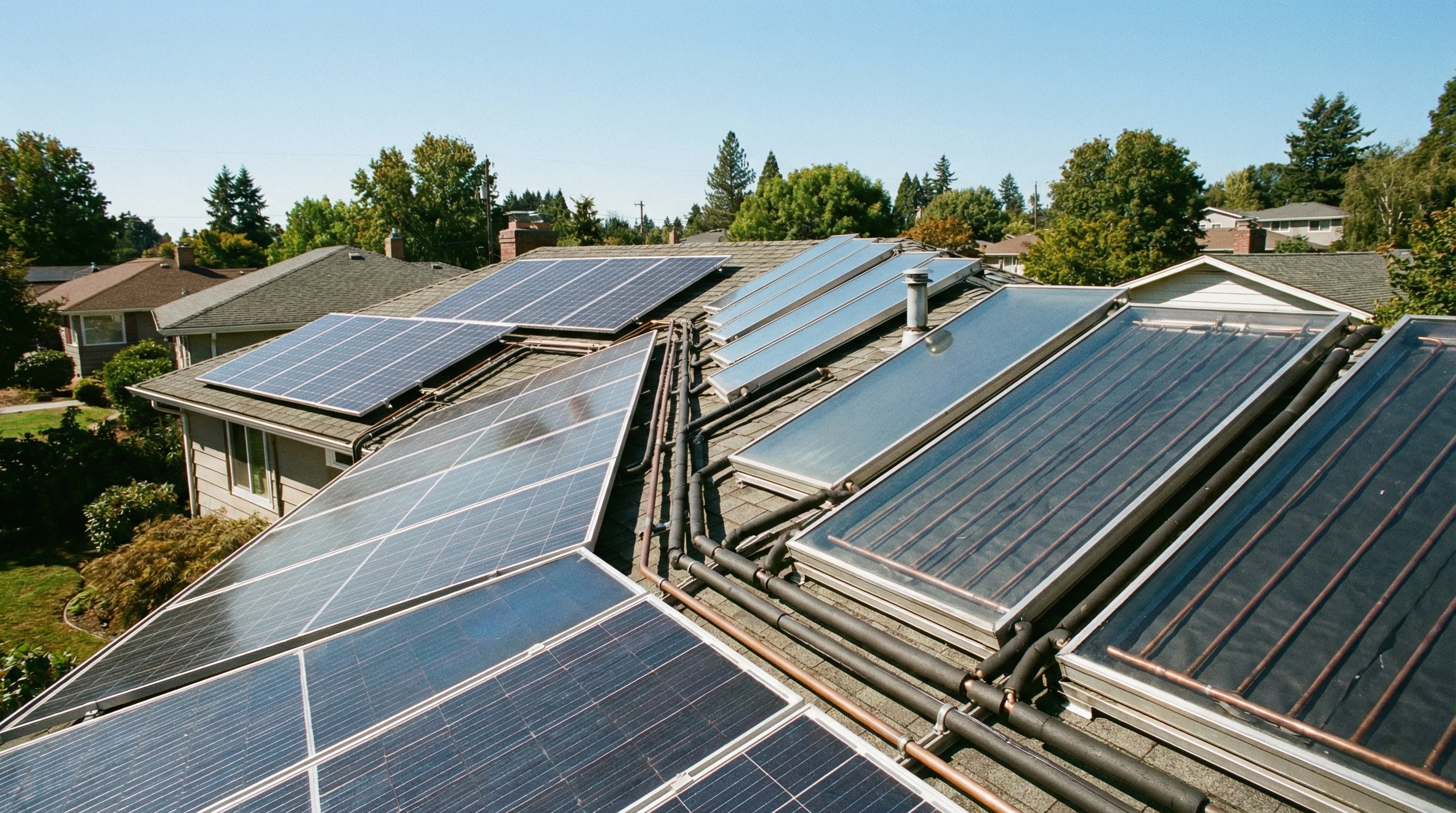
Solar Panels (PV): How They Work and What They’re Best For
Solar panels, also known as photovoltaic (PV) panels, convert sunlight into electricity. They’re made from silicon cells that generate an electric current when sunlight hits them. This electricity can power lights, appliances, home electronics, and even electric vehicles.
PV systems connect directly to your home’s electrical system. Any electricity you don’t use can often be exported to the grid, depending on local regulations. While solar panels don’t produce heat themselves, the electricity they generate can power electric boilers, immersion heaters, or heat pumps.
Modern solar PV systems have become more efficient and affordable over time. Many homeowners now combine them with battery storage to use solar power even after sunset, increasing energy independence.
Solar Thermal Systems: How They Work and Where They Shine
Solar thermal systems are designed to capture heat, not electricity. These systems use roof-mounted panels or evacuated tubes filled with a heat-transfer fluid. Sunlight heats the fluid, which then transfers warmth to a hot water cylinder inside your home.
Solar thermal is mainly used for domestic hot water, but it can also support space heating systems such as radiators or underfloor heating. A common application is solar thermal for underfloor heating, where warm water circulates through floor pipes to gently heat the space.
These systems are especially effective in homes with high hot water demand. With relatively simple technology and low running costs, solar thermal remains a reliable long-term solution for water heating.
Solar Panels vs Solar Thermal: Key Differences
| Feature | Solar Panels (PV) | Solar Thermal |
|---|---|---|
| Output | Electricity | Heat (hot water & heating support) |
| Main Use | Powering appliances & systems | Heating water & space |
| Efficiency | ~15–22% | Up to 70–80% for water heating |
| Upfront Cost | Higher | Lower for hot water systems |
| Maintenance | Very low | Occasional fluid & pump checks |
| Roof Space | More space for full power coverage | Less space for water-only systems |
Understanding these differences helps match the right system to your home’s needs.
Costs and Payback: What to Expect
Solar PV systems generally require a higher upfront investment due to panels, inverters, and electrical work. However, they provide long-term savings by reducing electricity bills and may qualify for incentives such as tax credits or feed-in tariffs.
Solar thermal systems usually cost less to install, particularly for hot water-only setups. Savings depend on how much hot water you use and your existing heating fuel. Maintenance costs are low, though occasional servicing is required.
When comparing systems, it’s important to consider lifetime value, not just installation cost. Roof orientation, household energy habits, and future plans all play a role.
Which System Fits Your Home Best?
There’s no one-size-fits-all answer. The best choice depends on lifestyle, household size, and energy goals.
- Small households: A compact PV or thermal system may be sufficient.
- Families: Larger systems work well to cover electricity use or high hot water demand.
- Eco-focused homes: Combining both systems offers maximum carbon reduction.
-
Budget-conscious users: Solar thermal often provides faster payback for hot water.
Many homeowners start with one system and add the other later, allowing flexibility as budgets and needs evolve.
Can You Combine Solar Panels and Solar Thermal?
Yes. Many homes use both systems together. Solar PV handles electricity needs, while solar thermal provides hot water. Each system uses its own form of storage—batteries for PV and insulated tanks for thermal—making the combination highly efficient.
Hybrid solar panels that generate both heat and electricity exist, but separate systems are currently more common and flexible.
Common Solar Myths Explained
- “Solar thermal is outdated.”
Not true. It’s one of the most efficient ways to heat water and is widely used worldwide. - “Solar panels do everything.”
PV panels don’t produce heat directly. Heating water with electricity is far less efficient than solar thermal. -
“Solar doesn’t work in cloudy climates.”
Both systems work in variable weather and perform well across many climates.
Quick FAQ: Solar Panels vs Solar Thermal
Can solar panels heat water directly?
No. Solar panels (PV) generate electricity, not heat. To heat water, the electricity must power an immersion heater or heat pump, which is less efficient than solar thermal systems designed specifically for hot water.
Is solar thermal better than solar panels for hot water?
Yes. Solar thermal systems are far more efficient for heating water, converting up to 70–80% of sunlight into usable heat compared to solar panels’ 15–22% efficiency.
Which system saves more money long term?
Solar panels usually save more over time because they reduce electricity bills across the whole home. Solar thermal systems offer faster payback if hot water costs are high.
Can I install both solar panels and solar thermal?
Absolutely. Many homes use both systems together, covering electricity and hot water needs separately for maximum efficiency.
Does solar thermal work in colder or cloudy climates?
Yes. Solar thermal systems still work efficiently in cloudy weather, although output is higher in sunnier months. A backup heating source is usually included.
Which system needs more maintenance?
Solar thermal systems need occasional checks for fluid levels and pumps. Solar panels require very little maintenance aside from inverter replacement after many years.
Final Thoughts
Choosing between solar panels and solar thermal systems depends on what you want from your solar investment. Electricity, hot water, or both—each system offers real savings and environmental benefits.
With proper planning and professional advice, solar energy can future-proof your home and reduce reliance on fossil fuels for decades to come.