
Wind energy has been getting a lot of attention lately, and I think it’s for a pretty good reason. Using the wind, something that’s all around us, to make electricity is both clean and intriguing. The idea might seem complicated at first, but once you understand what’s actually happening on top of those tall towers, it’s really approachable. Here’s my take on what beginners need to know to feel comfortable explaining how wind energy works and how it fits into our daily lives.
A Simple Look At How Wind Energy Works
Wind energy is all about turning moving air into usable electricity. When the wind blows, it moves the blades of a wind turbine. These blades are curved and angled to grab as much wind as possible. As the blades spin, they turn a shaft inside the turbine, and that shaft powers a generator that makes electricity. This whole process happens without burning fuel or creating pollution, which is why wind energy is often called clean or renewable energy.
The concept goes back a long time. People used windmills to grind grain and pump water long before anyone thought of plugging something into an outlet. The main difference today is that we’re turning that mechanical movement into electricity instead.
Step-by-Step: How Wind Energy Is Created
Breaking down the process makes wind energy feel a lot less mysterious. Here’s a quick guide you can follow:
- Blades Catch The Wind: When wind blows, it pushes against the blades of the turbine, which are shaped kind of like airplane wings.
- Blades Spin The Rotor: The wind’s force spins the blades, which are attached to a rotor (a big wheel) at the top of the tower.
- Rotor Turns The Shaft: As the rotor spins, it turns a shaft that runs inside the turbine’s nacelle (that boxy piece at the top).
- Shaft Runs The Generator: The spinning shaft powers a generator. Inside the generator, magnets and wires make electricity through a process called electromagnetic induction.
- Electricity Flows To The Grid: The electric current produced is sent down the tower, through underground cables, and out to the wider power grid, where it’s shared with homes and businesses.
The whole setup works whether you’re in elementary school learning about simple machines, or in high school science class covering renewable energy. The steps stay the same, just maybe with a bit more detail and technical vocabulary if you go deeper.
The Basics Of Wind Energy: What Everyone Should Know
At its core, wind energy comes from the sun. When sunlight warms up parts of the Earth unevenly, it creates differences in air pressure, making air move, which is what we feel as wind. Turbines grab this moving air and use it as a resource.
Here are a few quick facts I find really useful when thinking about wind energy:
- Renewable: Wind doesn’t run out, so it’s a source we can rely on year after year.
- No Fuel Needed: Turbines don’t need gasoline, coal, or natural gas to run.
- Low Carbon Footprint: Once built, wind turbines don’t produce pollution while running.
- Scalable: A single small turbine might power a house or farm, while huge wind farms can power entire towns.
If you hear people talking about wind energy in a GCSE science class or an intro “wind for dummies” guide, the conversation usually covers ideas like these.
Getting To Know Wind Turbines
Wind turbines are the machines that make wind energy useful. They look pretty futuristic, but the idea is basic: get something to spin in the wind, and use that spinning motion to create power. Most large turbines you see have three blades and can stand over 80 meters tall (about the height of a 25-story building). If you walk up to one, the blades might each be longer than the wing of a small airplane!
The main parts of a modern wind turbine are:
- Blades: Usually three, shaped to catch the wind and spin smoothly.
- Rotor: The hub and blades together, all of which spin as a unit.
- Nacelle: The “box” behind the rotor that holds the gears, shaft, and generator.
- Tower: A tall column that lifts the blades up where the wind is strongest and steadiest.
Some turbines even have sensors and computers that turn the blades to catch the best wind and keep everything running smoothly. These smart controls make sure turbines work efficiently and safely in changing weather. Technology keeps evolving, giving a boost to how much energy turbines can produce and allowing them to operate quietly, which is a bonus for people living nearby.

Real-World Examples And Uses Of Wind Energy
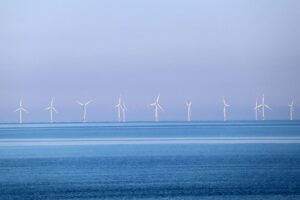
Wind energy isn’t just a science project. It’s being put to work around the world every single day. Thousands of wind turbines make up wind farms, and these can often be seen in wide open areas or even offshore out at sea.
A few places I keep an eye on because they use wind energy in cool ways:
- Texas, USA: One of the world’s biggest producers of wind power, with massive wind farms that supply energy to the grid.
- Denmark: On windy days, Denmark sometimes gets more than half of its electricity from wind turbines.
- China: Home to a huge number of wind turbines, China leads the world in both the number of turbines installed and the amount of wind energy produced.
- Small Villages And Farms: Lots of rural areas use a single turbine to run pumps, provide electricity, or back up solar panels.
Beyond powering homes, wind energy is used in places like:
- Pumping water for crops or livestock
- Charging batteries in remote locations
- Running small factories or businesses far from the main grid
Wind power supports local economies by offering new jobs for engineers, technicians, and construction workers. In some cases, entire communities set up cooperatives so they can own and profit from shared wind turbines. This builds community involvement and provides steady income for many people.
Advantages And Disadvantages: What’s Good (And Not So Good) About Wind Energy?
Wind power has a lot of upsides. Otherwise it wouldn’t be catching on so quickly, but there are some downsides to know as well.
Advantages:
- Wind turbines don’t need fuel, so operating them is usually pretty cheap once they’re set up.
- They help cut down on pollution because they don’t burn fossil fuels or emit greenhouse gases.
- Wind energy is considered sustainable because, as long as the wind keeps blowing, turbines can keep working.
- Turbines can be built on farmland, letting farmers earn extra income while still using their land for crops or animals.
Disadvantages:
- Wind doesn’t always blow when power is needed, so turbines can’t make electricity 24/7.
- Some people think turbines don’t look great on the landscape, and they do take up space.
- Building and installing turbines is expensive, even though they’re cheaper to run later on.
- Turbines can pose risks to birds and bats if not placed and managed carefully.
New technologies are helping tackle some of these issues. For example, batteries for storage and smarter turbine placement to avoid wildlife trouble. Offshore wind farms are spreading fast, and research is ongoing to design blades that are safer for animals. Plus, new methods are being tested to recycle old blades, making wind energy even more earth-friendly in the long run.
Common Questions About Wind Energy
Here are answers to the big questions I hear most often when talking to friends and family about wind energy:
How does wind make electricity?
The wind spins the blades of a turbine, and those blades turn a generator that makes electricity (using magnets and wires). It’s just taking the energy in moving air and swapping it for a flow of electrons, which we call electricity.
Is wind energy reliable?
It’s pretty reliable in windy areas, but there are times when the wind dies down. That’s why wind is often combined with solar, batteries, or other sources to keep electricity flowing steadily.
Can someone use wind energy at home?
Absolutely! Some people install small turbines to power their homes or charge batteries. The best setup depends on where you live and how much wind you get. It’s smart to check local regulations, too, since not every place allows home wind turbines or has enough wind for them to work well.
Is wind energy expensive?
Setting up wind turbines is a big investment at first, but they’re usually cheap to run and maintain compared to fossil fuel plants. Costs are coming down as the technology improves and more turbines are built. Government incentives or tax breaks can also make wind projects more affordable for homeowners and developers.
Making The Most Of Wind Energy
If you want to see wind energy in action, it’s worth checking out local wind farms or looking for online tools that map wind resources across different regions. There’s a good chance your state or country is already using wind energy as part of its mix, and this will only grow as people look for cleaner, more sustainable ways to power their lives. Whether you’re interested in how things work for school, want to reduce your carbon footprint, or are just curious about the latest in renewable tech, understanding wind energy is a really helpful step.
Wind energy isn’t just about huge machines on the horizon. It’s about using what nature gives us in a smart way. The next time you see those spinning blades, you’ll know exactly what’s happening up there and why it matters. Getting a sense of how simple air movement turns into reliable power can inspire you to think about other natural forces waiting to be put to work for good. If you’re ready to jump into renewable energy or just want to keep learning, keep your eyes open. Wind power is set to play an even bigger role in our world in the years ahead!