
As renewable energy solutions become more accessible, small-scale wind turbines are increasingly considered for residential use. While wind energy offers clear environmental and financial benefits, one of the most common concerns among homeowners is noise. Understanding how residential wind turbines generate sound—and how that sound may affect daily life—is essential before installation.
This article explores how wind turbine noise works, what sound levels are typical, and how residents can minimize potential disturbance.

How Do Residential Wind Turbines Produce Noise?
Home wind turbines generate sound mainly from two sources:
1. Mechanical Noise
This comes from internal components such as:
- The generator
- Bearings
- Gear systems (if present)
Modern residential turbines are designed to minimize mechanical noise through improved engineering and enclosed components.
2. Aerodynamic Noise
This is caused by the movement of blades through the air. Factors that influence aerodynamic noise include:
- Wind speed
- Blade length and shape
- Turbine height and placement
Aerodynamic noise is typically a gentle “whooshing” sound rather than a sharp or intrusive noise.
Typical Noise Levels of Home Wind Turbines
Most small residential wind turbines operate within the following sound range:
- 35–45 decibels (dB) at a distance of 40–60 meters
- Comparable to:
- A quiet library (≈40 dB)
- A refrigerator humming in the background
For comparison:
- Normal conversation: ~60 dB
- Urban street traffic: ~70–80 dB
Under typical conditions, residential turbines remain well below levels associated with disruptive noise.
How Noise May Affect Residents
Noise perception is subjective and varies from person to person. In residential environments, sound from wind turbines may influence comfort rather than health.
Potential considerations include:
- Sensitivity to background noise during quiet periods
- Nighttime awareness in low-noise rural settings
- Perceived annoyance if turbines are poorly placed
Importantly, many homeowners report that turbine noise blends naturally with ambient outdoor sounds such as wind in trees.
Key Factors That Influence Noise Impact
1. Distance From Living Spaces
Greater distance significantly reduces perceived sound. Proper siting is one of the most effective noise-management strategies.
2. Turbine Height
Taller towers often reduce ground-level noise by placing blades further away from occupied spaces.
3. Local Wind Conditions
Consistent, moderate wind typically produces smoother, less noticeable sound than turbulent wind patterns.
4. Installation Quality
Professional installation ensures:
- Stable foundations
- Proper alignment
- Reduced vibration transfer
Noise Regulations and Planning Considerations
Many regions have local planning guidelines regarding:
- Maximum allowable noise levels
- Setback distances from property boundaries
- Visual and environmental impact
Checking local regulations before installation helps ensure compliance and community harmony.
Ways to Minimize Noise From Home Wind Turbines
Homeowners can reduce potential disturbance by:
- Choosing low-noise turbine models
- Installing turbines away from bedrooms and neighboring homes
- Using vibration-dampening mounts
- Conducting wind assessments before installation
Modern turbine designs prioritize quiet operation, making noise concerns far less significant than in earlier generations.
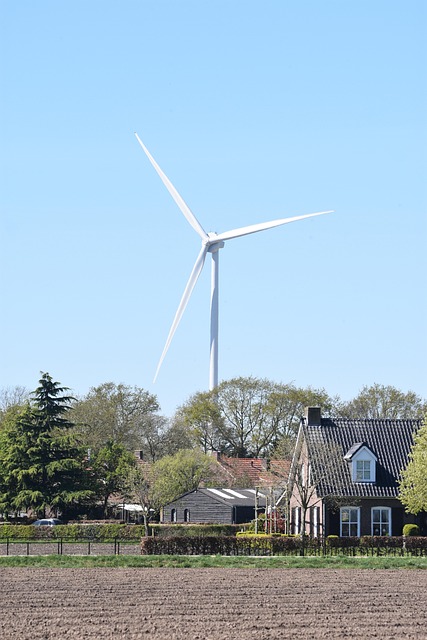
Balancing Comfort and Clean Energy Benefits
While noise is a valid consideration, it is only one part of the overall evaluation. Residential wind turbines can:
- Reduce electricity costs
- Increase energy independence
- Support sustainable living goals
With proper planning and realistic expectations, most homeowners find that noise does not interfere with daily life.
Conclusion
Residential wind turbines produce relatively low sound levels that are comparable to common household background noise. For most installations, noise impact is minimal when turbines are correctly selected and positioned.
Understanding how turbine noise works—and planning accordingly—allows homeowners to enjoy the benefits of wind energy while maintaining a comfortable living environment.