
Wind energy for homes has caught more attention than ever, mostly due to the rising push for clean energy and the real possibility of saving money. Wind energy incentives and grants can help tip the choice for many homeowners, but figuring out who truly qualifies and what you can actually claim is not always clear-cut. I’ve noticed plenty of people think the government will hand them most of the cash for a backyard wind turbine, but the truth is a bit more complex. If you’re considering residential wind, getting clear on available incentives is essential for budgeting and setting up your project for success.
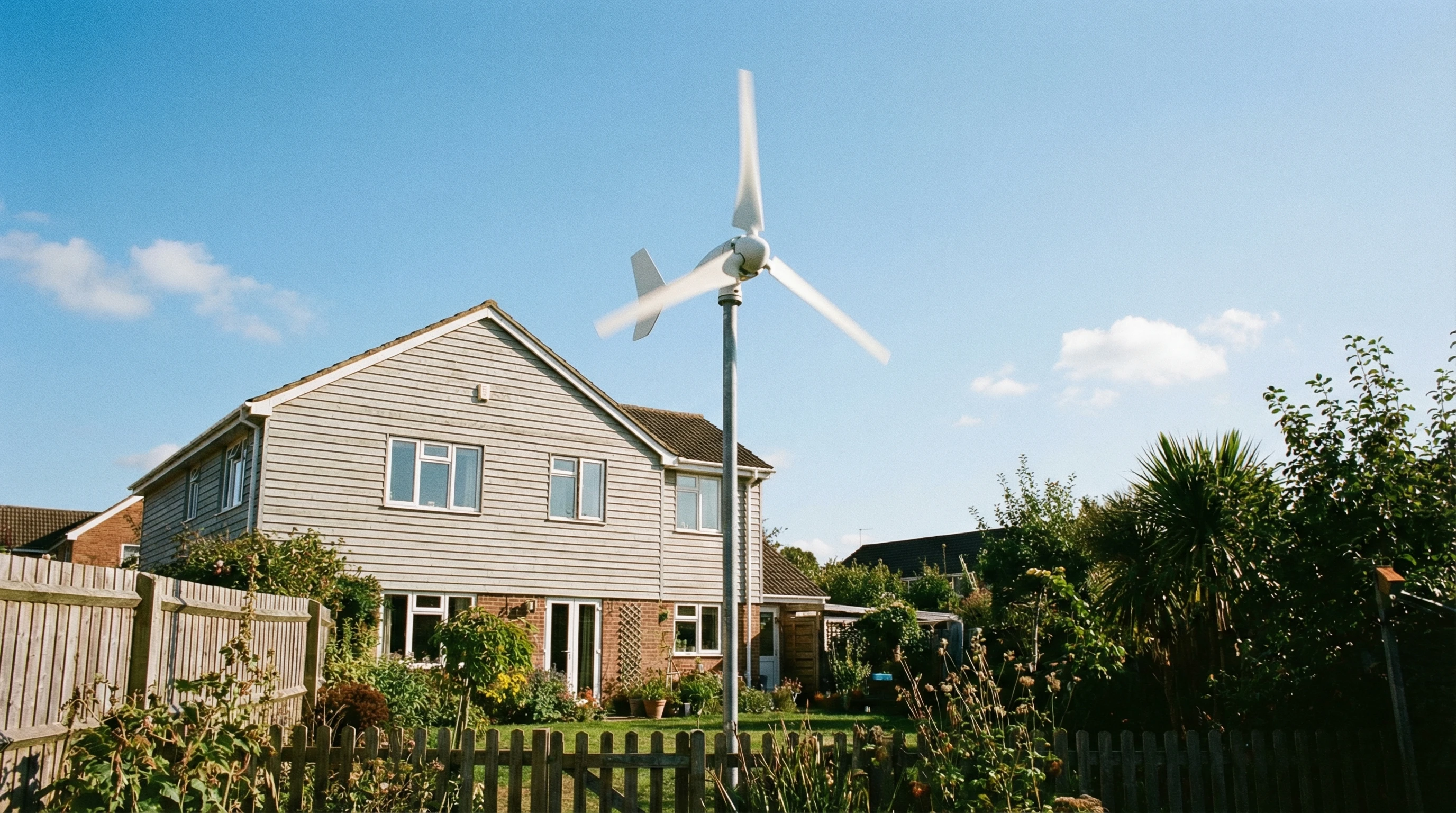
Why Wind Energy Incentives Matter (And Where the Hype Comes From)
Home wind turbines and small wind projects often cost tens of thousands of dollars, so the lure of a government grant or a big tax break is understandable. There’s a common story floating around that you can just sign up and have most of your system paid for, or that wind power is always heavily supported. While there’s some help out there, it’s more targeted than many folks realize.
Most of the time, incentives exist to nudge people toward renewables, smooth out upfront costs, and make wind power a little less daunting for first-timers. Getting familiar with the fine print can save you from disappointment and help you squeeze the most from what’s really available.
Types of Wind Energy Incentives You’ll Find
There are several types of financial support meant for wind energy. Some come from the federal government, while others kick in at the state, province, or even local utility level. Here’s a breakdown of the most common programs I’ve come across and how they typically work.
Federal Grants for Wind Energy
There are a few federal grants for residential wind systems, but most are geared toward rural properties or agricultural uses. The U.S. Rural Energy for America Program (REAP) is one example. REAP helps agricultural producers and certain rural small businesses set up wind (and other renewable) systems, but it generally doesn’t cater to urban residents.
Local and Regional Incentives
State and local support is all over the map. Some states or provinces set aside grant money just for home wind turbines, while others stick with commercial or community wind. Certain utility companies also run pilot programs or offer rebates for smallscale wind that fits their criteria. It’s clear that rural or really windy states are a lot more likely to hand out solid incentives, so your zip code or county makes a big difference.
Tax Credits and Rebates
Just like with solar, wind can offer tax credits—but these are much less common. The U.S. federal government sometimes includes small wind in broad renewable tax credits. The Database of State Incentives for Renewables & Efficiency (DSIRE) remains your go-to for the latest info in your area. Many localities also roll out property tax and sales tax exemptions for wind system purchases, helping lower the final bill some.
Net Metering for Wind Power
If tying your wind turbine to the grid is possible, net metering lets you earn credits for extra power your system sends out. This isn’t possible everywhere—utilities have different rules and payout rates, and these can vary drastically in the same state. Net metering usually can’t pay for an entire wind system by itself, but it can shorten your payback period a bit.
Who Actually Qualifies for Wind Energy Incentives?
Just because incentives are available doesn’t mean every homeowner can snap them up. There are some clear-cut requirements worth checking first.
Property Type Requirements
The bulk of these programs are set up for single family homes, small farms, or rural small businesses. Apartments, condos, or tight residential neighborhoods usually miss out due to a lack of space and zoning issues. Suburban areas can be hit or miss, so check your local ordinances first; many towns clamp down on how or where you’re allowed to set up a wind turbine.
Wind Resource and Site Conditions
It’s all about the wind. Having a strong, steady wind resource is crucial—and you’ll likely have to prove it. Some grants, rebates, and net metering deals require proof (like a wind assessment or a year’s worth of on-site data) that your yard or property actually gets enough breeze to be worthwhile. If your house sits in a sheltered valley, behind woods, or in the dense heart of a city, landing approval probably won’t happen.
Approved Equipment and Installers
For most programs, only certified turbines and licensed pros count. Using off-brand, untested turbines or hiring a neighbor who isn’t certified usually knocks you out of the running for financial support. Always ask for the official list of recognized models and certified installers when looking into grants or credits. Resources like the Small Wind Certification Council (SWCC) can help you spot equipment that’ll keep you eligible.
Grid-Connected vs OffGrid Wind
Plenty of incentives are only for projects that connect to the grid, since offgrid setups can’t send any energy to the utility. If you want to claim a rebate, but you’re planning to go offgrid, double-check eligibility first. Some rural grant programs may make an exception, but it’s better to be certain before investing.
Wind vs Solar Incentives: Comparing the Realities
Solar incentives pop up everywhere, while wind incentives are tougher to find—and for a good reason. Solar panels suit most rooftops, don’t need a massive yard, and their output is easier to predict. Wind turbines are pickier, heavily depending on your local wind situation.
The right wind incentives can make a difference for folks in rural areas with lots of wind (think upper Midwest, Great Plains, or some mountain areas). If your home is in a spot with strong, steady wind, you may qualify for multiple support programs. There are also hybrid incentives around for homes using both solar and wind with batteries, though those are mostly found in remote offgrid cabins or agricultural operations rather than city homes.
It’s worth noting that the push for solar means programs and rebates are generally larger, easier to snag, and open to a wider pool of homeowners, which is part of why many people end up picking solar first.
Common Pitfalls in Chasing Wind Incentives
Going after wind incentives can get messy without some preparation. I’ve seen homeowners trip up by:
- Applying after they’ve already installed the turbine. Most programs demand paperwork up front, not after installation.
- Skipping preapproval steps. If you don’t secure official preapproval, grants and rebates may pass you by.
- Choosing uncertified equipment or installers. Incentives have strict lists. Using nonlisted gear or a local handyman can leave you empty-handed.
- Misjudging the payback timeline. Even with bonuses or credits, residential wind often takes longer to pay back than solar panels or simple energy-saving updates.
How to Steer Clear of Problems
Always double-check deadlines, eligibility rules, and installation steps with both the wind incentive program and your local zoning office. Getting several written quotes from certified installers won’t lock you in, but it’ll help you see what’s realistic for your site and your wallet.
Is Residential Wind Still Worthwhile Without Incentives?
Plenty of folks ask if home wind power is worth it even when grants or credits are scarce. Here’s what experience shows:
- With robust, unobstructed wind (like hilltops or prairies), today’s small turbines can still cut those electric bills—even without extra perks.
- Offgrid cabins or remote properties may get their money back on wind faster if extending the grid would be wildly expensive. In these cases, wind can actually be a better move than solar alone.
- Solar panels usually offer higher returns and are more accessible for most homeowners due to abundant incentives, easier setups, and bigger production economies.
- Basic energy efficiency improvements—like beefing up attic insulation or buying more energywise appliances—usually cost less and pay off faster compared to home wind systems without grants.
Quick reality check:
Wind incentives exist, but they are location-specific, limited, and rarely cover most of the cost. For homeowners with strong wind and rural land, they can improve the numbers. For most others, solar or efficiency upgrades still deliver faster returns.
Big Picture: Should You Pursue Wind Incentives?
Chasing wind energy incentives is most worthwhile for people on big, open plots with serious wind (think rural homes, farms, or hilltop locations). Check if your region offers strong support, get a wind assessment, and compare your potential savings to what you’ll pay upfront. Those with tight city yards or so-so wind, or folks looking for the fastest financial return, might be better off checking out solar instead or putting their money in tried-and-true energy gadgets and upgrades first.
Frequently Asked Questions About Wind Energy Incentives
Are wind turbines subsidized?
Some wind turbines get support from state, provincial, or federal incentive programs, but not all of them do. Most subsidies go to the big, utilityscale wind projects, not backyard systems. Home turbines might be in line for a grant, rebate, or tax credit if you (and your equipment) meet all the program requirements.
Do small wind turbines qualify for tax credits?
Sometimes. A few federal or state programs offer tax credit options if you buy an approved wind system and install it by the book. Details change all the time, so check with a tax pro and always scout out current info in databases like DSIRE before you buy.
Are incentives the same everywhere?
Nope. Nearly every wind energy incentive is tied to your specific location and wind conditions. Support might be big in one region and nonexistent in another. Your local electric utility’s website is a good starting point to see what’s up for grabs.
Can incentives go away after I install my turbine?
Rarely. If you’ve gotten preapproval, programs usually keep their word through the project. New applicants might face changing or even disappearing incentives though, so get all the paperwork squared before starting construction. Remember to keep detailed receipts and approval letters till you’ve received all your benefits.