
Wind energy has turned into a pretty hot topic in the world of renewables, and for good reason. As more people look for ways to power homes and businesses without relying on fossil fuels, knowing how wind compares to other renewable sources can help you figure out what’s best for different needs and locations. In this article, I’m breaking down the basics of wind power, comparing it to other types of renewables, and sharing some real pros and cons you’ll want to keep in mind.
What Are the Main Types of Renewable Energy?
When people talk about renewables, wind is just one part of a much bigger picture. There are actually seven main sources that get mentioned most often:
- Wind: Uses wind turbines to convert moving air into electricity.
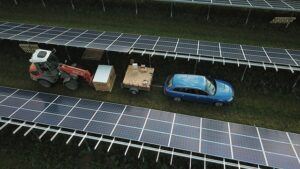
- Solar: Uses panels or mirrors to turn sunlight directly into electrical power.
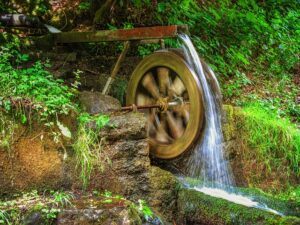
- Hydropower: Uses the energy from moving water, like rivers or dams, to make electricity.
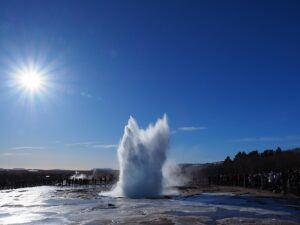
- Geothermal: Uses heat from beneath the Earth’s surface.
- Biomass: Uses organic materials, like wood, crops, or waste, that are burned or converted into gas for energy.
- Tidal: Uses the movement of ocean tides to spin turbines and generate power.
- Wave: Captures the up and down movement of ocean waves with special equipment.
Each one works a bit differently. But all of them share the same goal: cleaner energy that lowers pollution and keeps us from depending on fossil fuels as much.
How Wind Energy Stacks Up Against Other Renewables
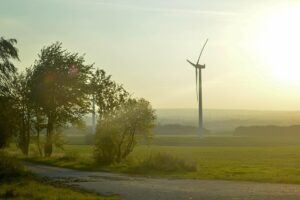
Wind energy is pretty well known for those massive turbines you see on hillsides or out at sea. Using wind is all about turning the kinetic energy in moving air into electricity. But how does it measure up when you look at things like cost, reliability, and land requirements?
Cost and Efficiency
Wind and solar are usually the options folks talk about most for new renewable projects. The costs for both have dropped a bunch in the last ten years. Utilityscale wind is often cheaper per unit of electricity than solar, especially in places with steady wind. But solar panels are easier to install in more spots, like on home rooftops.
Hydropower is very reliable but needs big rivers or dams, which come with a higher upfront cost and a bigger impact on local environments. Geothermal is efficient, too, but only works in places with just the right underground conditions.
Reliability and Consistency
One challenge with wind energy is that the power it creates depends on how much the wind blows. If the wind drops off, so does your power output. Solar faces the same thing with clouds or at night. Hydropower and geothermal can give you more consistent energy, since water and underground heat don’t have the same on-off cycle that wind and sun do.
In many regions, energy planners combine multiple renewable sources to get around the ups and downs in power generation. For example, wind can blow at night when solar isn’t working, while hydropower can fill in anytime.
Environmental Impact
All renewables are much cleaner than coal or natural gas, but each still leaves a footprint. Wind turbines don’t use water and don’t release greenhouse gases, but they can affect birds or bats and change local landscapes. Solar fields need a lot of space, which sometimes takes over farmland or open nature. Hydropower can disrupt fish and river habitats, while geothermal might cause small earthquakes and uses some water.
Tidal and wave power are promising but are still new on a large scale, so their environmental impacts are being watched closely as more projects roll out. Modern wind and solar farms often work with local communities and wildlife experts to reduce their environmental impact.
Advantages and Disadvantages of Wind Power
Talking through the pros and cons of wind helps make it clear when wind is a good fit and when it might not be your best bet.
Top 5 Advantages of Wind Energy
- Clean and Renewable: Produces electricity without releasing greenhouse gases or pollution.
- Low Running Costs: Once turbines are installed, they’re relatively cheap to run and maintain.
- Works on Land and at Sea: Offshore wind farms open up new locations where land is tight.
- No Water Needed: Reduces pressure on local water supplies compared to other types of power plants.
- Creates Jobs: From manufacturing and installation to regular maintenance, wind power offers jobs across different regions.
Top 5 Disadvantages of Wind Energy
- Intermittency: Wind won’t blow all the time, so you need backup power or batteries for when it’s still.
- Visual and Sound Impact: Some people think turbines are noisy or not pleasant to look at.
- Wildlife Concerns: Turbines can pose risks for birds and bats, especially if the site is not chosen carefully.
- Space Requirement: Wind farms need a fair bit of open land, though activities like grazing still happen around them.
- Initial Costs: Setting up wind turbines requires big investments upfront, but government incentives can help cover expenses.
Why Isn’t Wind Power Used More?
Given all the plus sides, you might wonder why wind energy isn’t everywhere already. The main reasons come down to a few sticking points:
- Wind Resources Are Localized: Not every region has enough steady wind. Wind maps are used to check if a site is worth the investment, but plenty of areas just don’t have the right conditions.
- Transmission Challenges: Some of the windiest spots are far away from where most people live. Bringing wind-generated electricity to big cities means building more power lines, and that’s expensive and complex.
- Community Pushback: Some folks oppose new wind farms due to noise concerns, worries about property values, or changes to the look of their surroundings.
- Competing Land Uses: In areas with valuable farmland, wind projects need to work alongside agriculture without causing problems.
- Grid Integration: Because wind is unpredictable, power grids may need upgrades or battery storage to smooth out supply dips.
Wind Energy Compared to Fossil Fuels
Wind turbines create electricity without burning fuel. They don’t send carbon dioxide or other pollutants into the air during operation. Compared to coal or natural gas, wind energy is much cleaner and greener. On efficiency, wind turbines typically turn about 35–45% of the wind’s kinetic energy into usable electricity. That’s better than modern coal plants, which are about 33% efficient. Natural gas plants can hit up to 60% in some cases.
The big deal is emissions: even considering manufacturing and transport, wind’s total carbon footprint is still much lower than any fossil plant’s over its lifetime. That’s a key reason wind and other renewables are gaining ground across the globe.
Wind Energy vs. Solar Power Cost
Wind and solar now go toe-to-toe with fossil fuels in a lot of regions. Wind farms usually cost between $1,200 and $1,700 per installed kilowatt in the United States. Large solar projects cost about the same. Wind tends to be cheaper per unit where steady wind is common, while solar panels can go just about anywhere there’s sunshine.
For homes, solar often wins for its simplicity—just place some panels on your roof and start generating power. For areas with lots of land and consistent wind, utilityscale wind farms usually deliver cheaper electricity per megawatt hour over the project’s lifetime. Both solar and wind benefit from government incentives and tax breaks, which help make clean energy more affordable.
Real-World Applications and What to Watch For
In the real world, many communities mix wind with other renewables for better energy reliability. A country can use wind, solar, and hydropower together to cover dips in production and keep electricity flowing.
New tech like floating offshore turbines and improved weather forecasting are helping the wind industry grow. As battery storage and smart grids improve, wind becomes an even stronger part of the mix.
- Hybrid Systems: Pairing wind with solar can deliver steadier energy than either source on its own.
- Rural and Coastal Benefits: Wind farming gives new streams of income to rural landowners and can lift local economies in coastal areas.
- Urban Use: Smaller turbines are now seen in cities, though urban winds are more unpredictable, thanks to buildings and trees.
Looking ahead, wind energy is expanding fast in many countries, both for large power grids and smaller, local projects. Communities that work together with developers and wildlife experts can create wind projects that fit local needs and protect nature too.
Frequently Asked Questions
Q: Which is the most efficient renewable energy source?
A: Hydropower usually leads in efficiency, but wind and modern solar panels are getting more efficient, especially if they’re used in the right setting.
Q: What are some common issues with wind turbines?
A: Turbines can have mechanical wear and need downtime for repairs. Ice and bad weather can affect performance, but regular maintenance handles most of these problems.
Q: Can wind power really replace fossil fuels?
A: Wind can be a major part of the solution when teamed with other renewables and better grid tech. Totally replacing fossil fuels will take time and requires all types of clean energy working together.
Key Takeaways for Choosing Wind or Other Renewables
Wind energy brings a lot to the table for building a cleaner future. Deciding if it’s the right move depends on local resources, upfront investment, and how it fits with other renewables nearby. Keeping up to date on how each energy source works and what issues might crop up helps anyone—whether you’re a homeowner, business owner, or just curious about what’s next—make a smart choice about the future of energy.