
Homeowners interested in renewable energy options almost always face one major decision: wind energy vs solar energy for homeowners. Both promise to cut utility bills, help the environment, and increase energy independence, but the practical details give each a very different story. You could invest a lot—both money and time—into the wrong setup and end up with almost no savings, bringing a double setback. Here, I’m weighing wind vs solar power for homes based on actual situations I’ve seen and heard about, not just engineering theory or sterile charts.
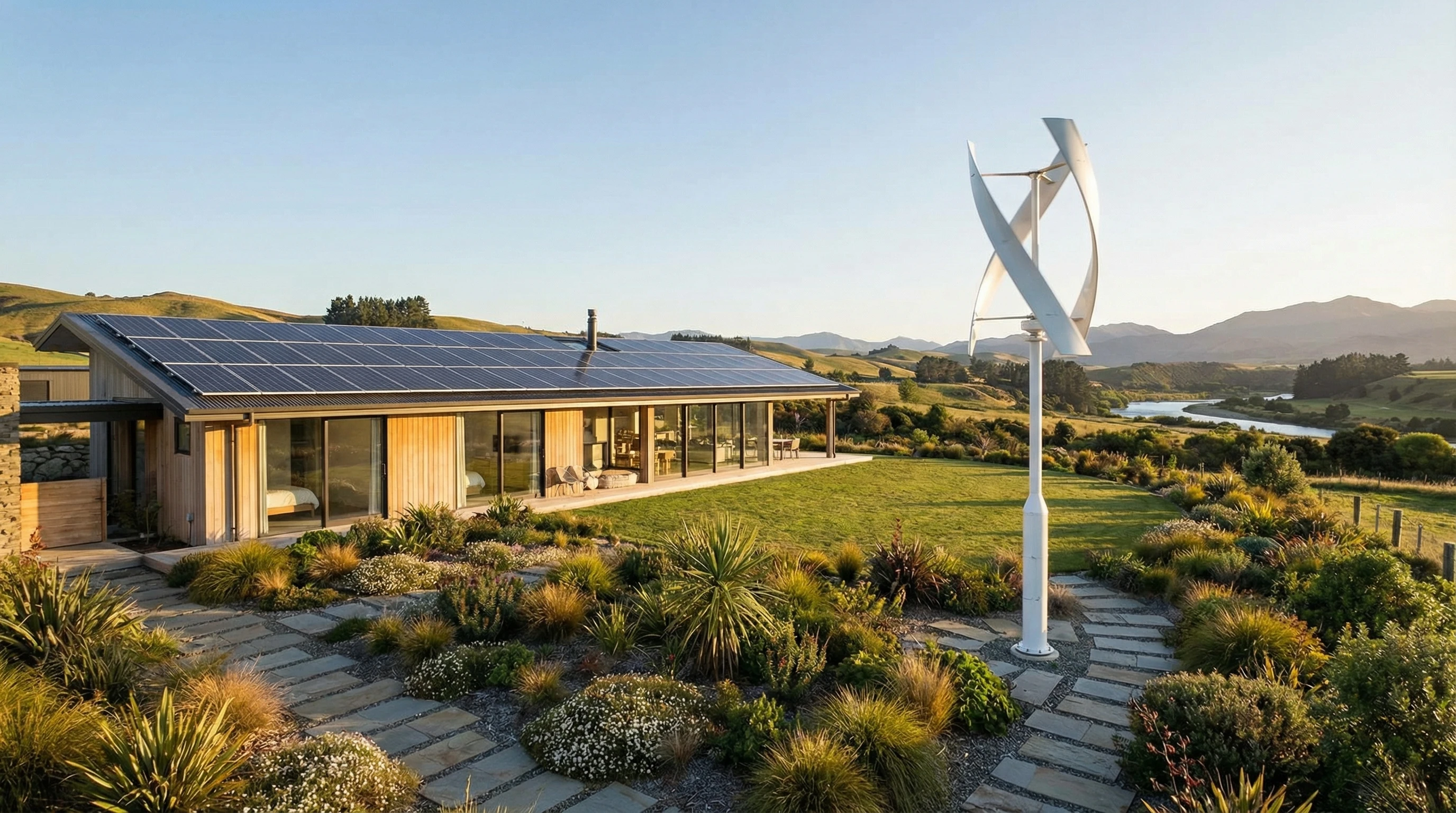
How Solar Energy Works at Home (Quick Recap)
Solar panels for homes are about as mainstream as you can get in residential renewables. Most homeowners picture sleek panels installed on a roof or porch. These work by soaking up sunlight and turning it into electricity, which is either used right away or stored in batteries.
This kind of setup is predictable: the panels just sit there, and as long as the sun is shining, you’ll generate power. That’s a big reason solar dominates; almost every city and suburb has at least a few houses running partial or full solar. If you’re picturing an easy installation and very little attention after the fact, that’s pretty accurate. But real-world issues—like roof pitch, shade from nearby trees, or strict HOA rules—can sometimes be roadblocks, and cloudy weather reduces your energy yield.
For households that want a system that works day in and day out with minimal fuss, solar panels tend to check every box. However, it’s important to remember that if your roof is shaded or oddly shaped, you’ll need to look into alternate mounting options like ground-mounted arrays. Of course, those solutions add both cost and complexity, so location and shade still matter a lot when deciding if solar fits your property.
How Wind Energy Works at Home (Quick Recap)
Residential wind energy, in comparison, is far less common—you’ll mostly see it on large country properties. Small wind turbines catch moving air, spinning blades which create electricity inside a generator. These usually go on a tall pole out in the open, or sometimes on a sturdy outbuilding. What really matters here isn’t just the machinery, but how consistent and strong your local wind is.
Wind is a moving target: some days it’s calm, others it’s gusty. Wind turbines can be attractive, since good breezes can power your entire house, but that’s rarely the case every day. I’ve met homeowners who bought into “free wind power” only to get let down—since even a nice breeze in your backyard might not be enough. Buildings, trees, and even hills block and swirl the wind more than people realize, turning a promising idea into a disappointing investment.
Wind vs Solar: Head-to-Head Comparison
Installation & Permits
Solar panel installations have become very standardized; most cities have a well-established permit process, and contractors know exactly how to smooth the way. Most projects wrap up in under a week, and connecting your system to the electrical panel is usually straightforward. Wind turbines, however, often bring extra paperwork. Rules about tower height, setbacks from property lines, and neighbor input can drag the process out. Plus, county inspectors sometimes get strict, especially if you’re near airports or in a busier neighborhood.
Space & Location Needs
Most solar arrays fit neatly on a roof or above a carport, using space you already have. If your roof gets lots of sun and isn’t blocked by big trees or other buildings, you’ve got the makings of an ideal solar property. Wind turbines are pickier— they demand open ground, away from objects that would block or confuse the airflow. This means most city or suburban homeowners miss out. A small yard with fences and tall trees simply won’t work well for wind.
Energy Production Reliability
Solar’s biggest win is consistency. You can check a solar map or use an app to figure out how much energy you’ll make during a typical month. Unless you get endless cloudy weeks, your panels will keep pumping out power on schedule. Wind speed, by contrast, swings all over the place. Windy afternoons sometimes look great, but light air or long stretches of calm mean zero output. In a showdown—home wind turbines vs solar panels—solar panel systems are the clear winner for most homes looking for dependable power generation.
Maintenance & Lifespan
Solar systems are pretty much hands-off. Perhaps rinse the panels off if they’re covered in pollen or dust, and they keep working smoothly for 20-30 years. Wind turbines are different; with moving blades, bearings, and control electronics, they need regular checkups. Annual inspections are par for the course, as are repairs, and after a decade or two, expect deep repairs or equipment upgrades. I’ve seen friends with wind turbines spending weekends fixing issues, especially in harsher weather climates.
Noise & Visual Impact
Solar is as close to silent and hidden as renewables get. Most people forget solar panels are even up there after installation. Wind turbines add a noticeable presence: there’s a whirring or swooshing noise, and the towers are hard to miss. This could be fine on a broad farm, but in a tight-knit neighborhood, the noise and height can create friction with neighbors.
Costs & Payback Reality
Prices for solar systems have dropped fast in recent years. Now, a typical system (without a battery) runs around $12,000 to $20,000 after you factor in tax credits. Adding batteries increases costs but brings more flexibility. By comparison, wind costs are usually higher: a basic residential wind package might run $15,000–$25,000 installed, plus expenses for permits, towers, and ongoing repairs. For solar, the typical payback period is 6 to 10 years, after which most of your power is essentially free. With wind, it takes longer to break even, unless your property gets steady, strong wind nearly every day.
Still, there are clear exceptions. Some rural properties with open fields and reliably gusty weather have made wind systems work wonderfully well—especially as a backup for cloudy winters, or on off-grid homes that use both wind and solar together.
Best Use Cases for Each System
Solar Works Best For:
- Urban and suburban homes with sunlit roofs
- People wanting steady, predictable cost savings
- Anyone looking for a low-maintenance, “set it and forget it” green solution
Wind Works Best For:
- Large rural properties with wide open spaces and few obstacles
- People who enjoy tinkering and are fine with routine inspections or quick repairs
- Houses not connected to utility grids, needing more backup power sources
- Locations with regular, year-round wind speeds averaging over 10 mph
When a Hybrid System Makes Sense
This is where things get interesting. Combining wind and solar can cover the weaknesses of each. In regions with cloudy winters but strong winds, a wind turbine can keep power flowing even when solar slows down. Storing extra energy in batteries means whenever one system is making a surplus, that power helps bridge stretches of poor production. Homeowners with remote cabins or ranches often pick hybrid solutions to avoid long periods with no electricity at all, especially when reliability is crucial.
Common Homeowner Mistakes
- Believing the hype about wind power without checking local wind conditions at their actual property
- Skipping steps with zoning or not checking city and county tower height rules before buying
- Ignoring easy-to-use wind measurement tools and just assuming a backyard breeze is sufficient
- Expecting wind to deliver the same easy setup and reliability as solar systems, which usually leads to disappointment
So… Which One Should You Choose?
For the vast majority of homeowners, solar energy checks off the most advantages: less hassle, simple permits, consistent performance, and very little maintenance. That’s why I point to solar first when friends ask which renewable energy system is best for their home. Wind energy has its use, but it demands near-perfect conditions—open spaces and steady wind aren’t optional. For most properties, the contest between home wind turbines vs solar panels ends with solar being the clear champ. However, if you live in an extra windy, rural spot, it’s smart to check if a hybrid could bring even more reliability and backup. Doing your homework—including getting a professional site survey before buying anything—makes all the difference in steering clear of expensive mistakes!
FAQ-Ready Section
Is wind energy cheaper than solar?
For most homes, solar is more affordable per watt. Wind becomes pricier since you pay extra for towers, permits, and regular maintenance. The rare exceptions are off-the-map, ultra-windy properties.
Can wind replace solar completely?
Only in unique rural locations with steady, strong wind. Throughout most of North America, solar gives more predictable power for homes.
Is a hybrid system worth it?
Absolutely, if your property gets both strong sun and dependable wind—particularly off-grid or remote places. Batteries help keep things balanced, saving extra juice for less active days.
Which system adds more property value?
Solar nearly always pumps up home value and draws in buyers eager for low bills or eco-friendly options. Wind can add value on big rural parcels, but in a standard neighborhood, potential buyers may be put off by noise or looks.