
Wind turbines work best in rural windy areas.
Solar panels are better for most homes because they are easier to install and maintain. Choosing between a home wind turbine and solar panels comes down to your site conditions. For most homes, solar is cheaper, easier to permit, and more predictable. Wind can win on large rural properties with steady 10–12+ mph average wind, and it can generate at night—especially useful for off-grid or hybrid systems. Local weather, property layout, and even your personal energy needs all play a big part in figuring out what’s actually practical. In this article, I’ll cover the biggest differences between home wind turbines and solar panels. My focus is on cost, how they work, what you need for installation, maintenance needs, and how they stack up for the long haul. Choosing between a home wind turbine and solar panels depends mainly on your property, climate, and energy goals. For most homeowners, solar panels are easier to install, require less maintenance, and provide more predictable energy production. Wind turbines can be more effective in rural areas with strong and consistent wind, especially for off-grid living. Understanding the differences in cost, installation, maintenance, and long-term return helps you decide which renewable energy system is the best investment for your home.
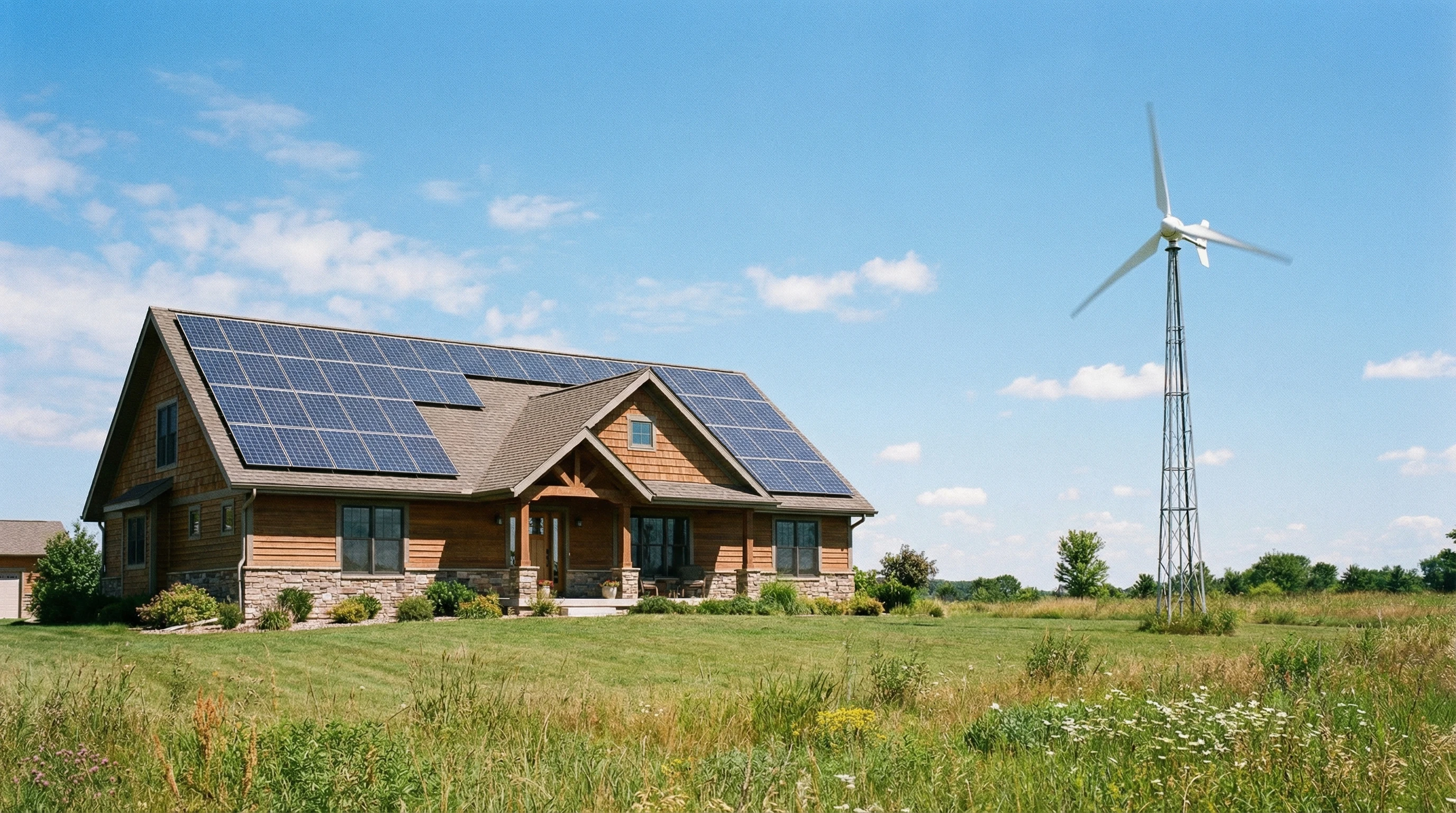
Quick Comparison: Wind Turbine vs Solar Panels
- Best for most homes : Solar panels
- Best for rural windy areas : Wind turbines
- Lower maintenance : Solar
- Works at night : Wind
- Easier installation : Solar
- Best ROI average : Solar
- Best for off-grid windy sites : Wind or hybrid
How Home Wind Turbines Work
Residential wind turbines turn kinetic energy from the wind into electrical energy that you can use in your home. The basic design is pretty straightforward: you’ve got a rotor (with blades) mounted up high on a tower, and as wind spins those blades, a generator inside produces electricity. Most home turbines range in size from about 1 kW to 10 kW—enough for supplemental power or, in some locations, full offgrid living.
Wind energy systems have moving parts that need to rotate smoothly and safely, so they come with bearings, pitch controls, and sometimes small computers to shut them down during storms. Height plays a big role; a wind turbine works a lot better when it’s 30 to 100 feet above the ground because wind speed usually increases the higher you go.
The effectiveness of a wind turbine depends on your local wind resource. Areas with consistent, average wind speeds of 10 mph or more are ideal. If you don’t know your area’s typical wind speed, there are online wind maps and digital anemometers you can use to get a good sense before you invest. (For more, check out my guide on measuring wind speed.)
In addition to the basics, residential wind turbines often come with monitoring systems that let you keep tabs on your energy production. Some models can even send alerts when maintenance is needed. Tower design is also crucial; guyed towers, monopoles, and lattice towers are each made to suit different land types and budgets. The higher the tower, the steadier and stronger the wind exposure, which means more energy for you.
How Solar Panels Work
Solar panels harness energy from sunlight using photovoltaic (PV) cells, which turn photons from the sun into direct current (DC) electricity. That DC electricity gets converted into the AC power your home appliances use by a device called an inverter. Daytime is when solar panels do all the work; no sun, no power generation. Some homeowners opt for east-west panel arrays to extend morning and evening production.
Panels are usually mounted right on a south- or west-facing roof, but groundmounted setups are an option if you’ve got the space. A typical install includes the panels, inverter, mounting hardware, and wiring. One thing I find really appealing about solar is that the panels are solid state (no moving parts), so there’s less stuff that can wear out over time.
Solar is a steady performer in most parts of the country, but homes shaded by big trees or buildings or areas with a ton of cloudy days won’t see the same returns as properties with wideopen, sunny exposure. If your area has a net metering policy, you can even get credit for sending excess solar power back to the grid, which further boosts your savings.
Upfront Costs: Wind vs Solar
Costs matter a lot when choosing between wind and solar setups. Both options can be big investments upfront, but once installed, your monthly energy savings start kicking in.
Wind Turbine Costs
- Equipment: The main cost is the wind turbine itself. You also need a strong tower, foundation, and cabling.
- Tower: Taller towers catch more wind, but they cost more. Installation often requires cranes or specialized contractors.
- Installation: Labor is usually a big chunk, since professionals handle the electrical work, tower mounting, and safety checks.
- Permits: Many areas require permits or engineering reviews, especially for taller towers. These can add to permit costs and wait time.
Solar Panel Costs
- Panels: The panels themselves are the bulk of the cost. Pricing depends on total wattage and efficiency.
- Inverter: You need an inverter to use solar electricity in your home.
- Installation: Mounting and wiring are handled by professionals, but usually with less heavy equipment than wind turbines need.
- Battery Storage (Optional): You can add home battery storage like the Tesla Powerwall, but it’s not required unless you want backup during outages or are going fully offgrid.
Cost Comparison: Wind Turbine vs Solar Panels
| Expense | Wind Turbine (5 kW) | Solar Panels (5 kW) |
|---|---|---|
| Equipment | $10,000–$25,000 | $8,000–$15,000 |
| Installation | $5,000–$10,000 | $2,000–$5,000 |
| Permits | $1,000–$3,000 | $500–$1,500 |
| Typical maintenance / year | $150–$500 | $100–$300 |
Note: Cost ranges are estimates and vary by location, equipment, and installation complexity.
These ranges are rough estimates based on US averages. Prices can change depending on local market rates, equipment choices, and how challenging the installation is at your property. In rural areas, wind turbine costs can sometimes be lower if you’re comfortable with more DIY groundwork, but professional help for tall towers is still recommended for safety.
Installation Requirements
Wind Installation Needs
- Space Requirements: Wind turbines need a clear, open area. You want to keep turbines at least 300 feet away from buildings and trees to avoid “wind shadow.”
- Tower Height: Most residential turbines are mounted on towers 30 to 100 feet tall (higher is usually better for power).
- Wind Assessment: An onsite wind measurement is pretty important before you commit; no wind, no power! See my full article on how to measure your local wind speeds.
- Zoning Rules: Local ordinances may limit tower height or require setbacks. It’s a good idea to call your city or county office early on.
Solar Installation Needs
- Roof Space: Solar panels fit right on most roofs but need a decent patch of unshaded, flat or southfacing space. Ground mounts take up yard space but work for homes with smaller roofs.
- Sun Exposure: Direct sun is the key for strong output. Trees, neighboring buildings, and even roof angles affect how much energy a system produces.
- Permits: Solar usually faces fewer structural or zoning barriers, though homeowners’ associations (HOAs) may have guidelines about how panels look.
For both types of systems, installation also calls for electrical inspections to make sure everything is safe and meets code. If you’re in a region prone to major storms or lightning, ask your installer about added surge protection and grounding features for either wind or solar equipment.
Maintenance and Lifespan
For most homeowners, the question of upkeep and system durability is pretty important. Good maintenance not only extends equipment life but also helps you get the most from your investment.
Wind Turbine Maintenance
Wind turbines have moving parts, which means you should schedule inspections every year or two. Technicians will check the gearbox, lubricate bearings, look for rust, and make sure controls are working. High wind can wear parts down, so keeping up with service helps extend the life of your system. Most home wind turbines last 15–25 years, with smaller repairs along the way. If you like DIY, you can learn to do some regular tasks yourself, but certified pros are needed for the big stuff. (For more tips, see my complete guide to wind and solar system maintenance.)
Some manufacturers offer service contracts to handle yearly tuneups and emergency repairs. Depending on your environment, turbines might be more prone to bird strikes, ice build-up, or storm damage, and it pays to check your warranty conditions for those scenarios.
Solar Panel Maintenance
Solar panels are super easy to care for in most climates. Usually, a quick rinse after pollen season or a soft brush to clear off dust or leaves is all that’s needed. Some inverters need their software upgraded or wiring checked every 5–10 years. Panels typically last 25–30 years or more, with performance gradually declining by about 0.5% per year after the first decade. Most come with strong warranties that cover the panel and output for 20–25 years.
If your roof is steep or hard to access, consider hiring a local service company for annual cleanings. In areas with heavy winter snowfall, a rooftop solar brush or heated panel technology could keep energy output steady through the colder months.
Energy Production and Reliability
Consistency matters when supplying your home with power, especially if you want year-round reliability. Having a dependable energy source means less reliance on the utility and more peace of mind when prices or outages strike your neighborhood.
- Wind Variability: Even in windy regions, wind speed can change day to day and hour to hour. There will be times when your system doesn’t produce a lot of energy, especially during calm summer days.
- Solar Consistency: Solar panels generate on most clear days, though production dips on cloudy or rainy days, and none at dusk or nighttime. However, sunlight is predictable through the seasons, so you can plan around it.
- Day vs Night: Wind turbines can generate at any time, including overnight, if the wind is blowing. Solar only works when there’s sunlight.
- Weather Impact: Extreme weather (hail, storms) can damage either system, but both wind and solar manufacturers have ways to protect against most common risks.
- Hybrid System: Combining wind and solar on one property evens out production; solar covers sunny days while wind picks up on cloudy ones or at night.
Return on Investment Comparison
The payoff for installing renewable energy comes down to how much you spend, how much power you produce, and how long you stay in the house. For most people, solar panels pay themselves off in about 6–12 years, depending on local electricity prices and how much sun you get. Average payback time for small wind turbines is around 12–20 years, and that’s if you have very good wind at your location.
Both wind and solar cut electricity bills, protect you from rising power rates, and may even bump up your home value, especially in markets where green tech is popular. There are also federal and state incentives that can trim thousands off your upfront costs.
It’s really important to remember that your own property and climate play the biggest role in the long-term economics. (Get more details in my full post about ROI for renewables.)
Best Situations for Wind Power
- Rural properties with big open spaces, especially on top of hills or plains with minimal obstructions
- Areas documented to have average wind speeds of at least 10–12 mph year-round
- Offgrid homes where tying to the grid is expensive or impossible
- Permissive zoning with lots of room for tall towers and setbacks from roads or houses
Best Situations for Solar Power
- Urban and suburban households with good sun exposure and not much available land
- Places where utility grid power is reliable, but rates keep climbing
- People who want plugandplay renewable energy with low maintenance
- Sites where aesthetic considerations matter (solar generally blends into a roofline more easily than a tower turbine)
Can You Combine Wind and Solar?
Hybrid renewable energy systems are a great option if you’ve got both wind and sun. Many offgrid homeowners and rural properties combine a wind turbine with a solar array and a battery backup. This approach offers more reliable, allseason production; solar covers sunny summer days, wind can pick up extra power during storms or at night. Wind solar hybrid system for home smooth out daily and seasonal generation ups and downs, making home energy more reliable overall.
Some companies now even offer tailored hybrid kits, making it easier for homeowners to set up both systems with a single, integrated controller and storage solution. This flexibility can help you adapt as your energy needs grow or as technology changes down the line.
Which Option Is Better Overall?
For most homeowners, solar panels are the goto option because they’re easier to install, more predictable, and fit on more properties. Wind turbines can’t beat solar for simplicity and ease of permitting. But in certain locations, such as open farmland, offgrid cabins in breezy areas, or remote rural houses, wind turbines may make sense, either alone or together with solar.
Final Thoughts
The right renewable energy choice for your home really comes down to your property’s conditions, your local climate, and your own preferences. It’s always worth gathering good data, running a site assessment, and crunching the numbers before you invest. No matter which way you go, both wind and solar can help you shrink your bills, boost energy independence, and support a cleaner neighborhood in the long run. Choosing renewable energy is not just about immediate savings; it’s a long-term decision that helps secure stable energy for your family and future generations. Whether you pick solar, wind, or a hybrid approach, making the switch moves you closer to self-sufficiency and environmental stewardship. Remember, every step toward green energy adds up to a greater difference over time. For most homeowners, solar panels are the safer and more practical choice.
However, in the right location, wind or hybrid systems can outperform solar financially.
Frequently Asked Questions
Here are some common questions people have when deciding between home wind turbines and solar panels:
Is wind or solar cheaper long term?
Over time, solar panels are generally the more affordable option for most homeowners, thanks to falling panel prices, low maintenance, and incentives. Wind turbines pay off best in strong wind regions, but they often take longer to cover their cost.
Which produces more electricity?
Solar panels usually produce more reliable, predictable power for the average home. Wind turbines can deliver a lot of energy in the right spot but aren’t as consistent otherwise.
Can I install both systems?
Yes, you can run a hybrid system with wind and solar working together; this setup can really improve reliability, especially for offgrid buildings.
What is easier to maintain?
Solar panels win for minimal maintenance. Just keep them clear of debris and rinse them now and then. Wind turbines require more regular inspections and upkeep because of the moving parts.
Which works better offgrid?
In strong wind areas, wind turbines help a lot offgrid, especially for winter or night production. But most offgrid systems include solar panels for daily production since sunlight is easier to predict.