
Power outages are something many homeowners have to deal with, whether caused by storms or just random grid disruptions. I know from personal experience how stressful it can feel to suddenly lose electricity. Portable solar generators have become a popular option for keeping the lights on, devices charged, and refrigerators running when the power goes out. One of the most common questions I get as a homeowner who uses solar backup gear is, “How long can a solar generator really power my house?” Knowing realistic expectations around runtime is really important, especially if you want peace of mind and want to make the most of your investment. In this guide, I’ll break down the key factors, share typical appliance stats, and walk you through real examples so you know exactly what to expect from a home solar generator. Understanding how long a solar generator can power a house depends on battery capacity, appliance usage, and whether solar panels are recharging the system during the day.
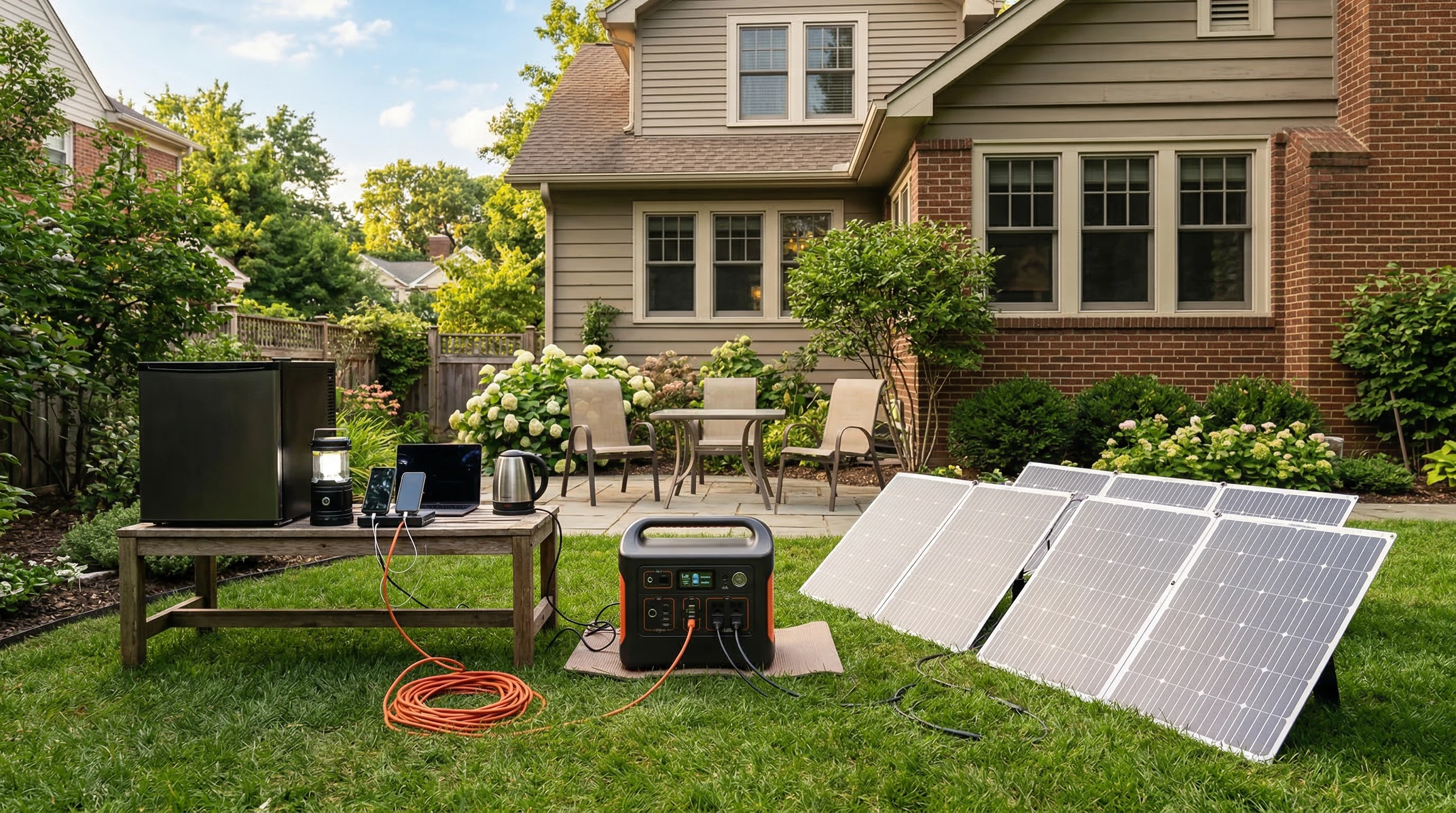
What Determines How Long A Solar Generator Can Power A House
The first thing I learned when shopping for my own solar generator was that runtime depends on a few main things. The battery’s energy storage is measured in watt hours (Wh). That’s basically how much energy the generator can store and deliver before needing a recharge.
Appliance power draw is just as important. Each device in your home uses power at a different rate, measured in watts (W). If you run an appliance that pulls a lot of power, like a microwave or heater, it’ll drain the battery a lot faster than a small device, like a lamp or laptop charger.
Every solar generator has an inverter, which handles the conversion from battery (DC) power to household (AC) power. The inverter has a maximum output, usually labeled as “continuous output” (the safe, steady power it can supply) along with a “peak” rating (for short surges, like when you first start a fridge or microwave). If your appliances try to pull more power than the inverter can handle, you’ll trip the system or the inverter will shut down to protect itself.
Solar panel input also makes a difference. Some generators allow you to add solar panels to recharge the battery while you use it. During the daytime, you can keep your generator running longer or even indefinitely if your solar panels are large enough and the sunlight is strong. At night, you’ll rely entirely on the battery.
Here’s a summary of the key variables you’ll need to pay attention to:
- Battery capacity (watt hours): The bigger, the longer it can run things.
- Appliance power draw (watts): Higher watt devices use more energy faster.
- Inverter output (watts): Sets a limit on how many devices you can run at once.
- Solar panel input (watts): Adds extra energy during daylight to keep things running.
It’s important to also consider the age and temperature of your battery. Older batteries, or those used in really cold or really hot weather, might provide less usable energy per charge. Always check your system’s specifications for temperature ranges and cycles to set realistic expectations.
Typical Power Consumption In A Home
One of the first things I did when prepping my house for outages was to figure out exactly how much power my key appliances were using.One of the first things I did when prepping my house for outages was to figure out exactly how much power my key appliances were using. Here are some realistic estimates I use to plan my own backup system:
- Refrigerator: 120 to 200 watts (average running)
- LED lights (per bulb): 8 to 15 watts
- WiFi router: 8 to 15 watts
- Laptop: 40 to 70 watts while charging
- TV (LED, 40-55”): 60 to 150 watts
- Microwave: 900 to 1,500 watts (while running)
- Electric heater (small space unit): 1,000 to 1,500 watts
I also tracked smaller items like phone chargers (about 5 to 12 watts) and tablet chargers (15 to 25 watts). It’s clear that the heavy hitters, like microwaves and heaters—anything that creates heat—can drain a battery extremely fast. Running fridges, lights, and communications are much more manageable with most solar backup systems. Running fridges, lights, and communications are much more manageable with most solar backup systems.
Keep in mind that the “average running” wattage for things like your fridge is lower than what you might spot on the label, because compressors cycle on and off throughout the day. So, energy use in reality is less than continuous operation.
Runtime (hours) = Battery Capacity (Wh) ÷ Total Appliance Power (W)
2000Wh generator ÷ 200W appliance load = 10 hours runtime
Example Runtime Scenarios
When I first started, I found the math a bit intimidating. I broke it down by making simple “wish lists” of essential items and used watt hour calculations based on real examples. Here’s how the most common solar generator sizes stack up for basic home backup:
- 1,000Wh Generator: Good for charging phones and tablets, running a couple of lights, a laptop, and a WiFi router for several hours. It will power a midsize fridge for about 4 to 6 hours if used by itself, but it isn’t meant for high power items like microwaves or heaters. Great for very short outages or lightweight backup.
- 2,000Wh Generator: Adds enough capacity to handle a fridge for up to 12 to 16 hours (intermittent compressor use), plus lights, router, and device chargers. Can run a TV for several hours. Don’t expect more than a few short microwave or coffee maker cycles before the battery needs recharging. Still not suitable for big power-hungry devices over an extended period.
- 3,000Wh Generator: Offers flexibility for longer outages. Will run a typical fridge for a whole day, several lights, WiFi, charge devices, and handle a couple of small appliances like a toaster or coffee maker each day if used in a smart way. Running a small space heater is possible for an hour or two, but doing so will drain the battery quickly.
- 5,000Wh or bigger Systems: These larger setups cover extended outages. Often used for large fridges, larger TVs, lights, and routers, lasting 36 to 48 hours. With solar recharging, you could stretch days or even weeks if you ration carefully and have sunny days. Still limited if you try to run big central HVAC systems or full house electric heating.
My own system has a 3,000Wh battery, and I’ve found it covers my refrigerator, essential lights, router, and device chargers for over 24 hours without solar input. If I throw in a sunny day’s worth of solar panel charging, I can keep those essentials going pretty much indefinitely. When friends or neighbors ask, I always encourage them to do a quick calculator rundown based on their real appliances to get an accurate answer.
If you’re hoping to use your generator for hobbies, power tools, or pumping water from a well, include those watt numbers in your planning too. The same principles apply—figure out what draws the most power, and you’ll know how long you can get by.
Running Essential Appliances During A Power Outage
Most people don’t realize that you don’t have to power every single thing in your home during an outage. When I lose power, I quickly prioritize “must have” appliances. My top priorities are the refrigerator (to save my food), enough lights in the kitchen and living room, my WiFi router, phone chargers, and a couple of small laptops for work.
This means doing without central air, large ovens, or laundry equipment. By focusing on the basics, like food storage and communication, I make sure my solar generator can last as long as possible. Some people just keep a single small backup generator for the fridge and a light, while others build setups to include well pumps, sump pumps, or a CPAP machine for medical needs. Ultimately, prioritizing makes your system last a lot longer through any outage.
Remember to write down a quick plan or checklist ahead of time. In a power loss, you can act fast, plug in only what you need, and avoid draining valuable battery capacity on less important devices.
Can A Solar Generator Power An Entire House?
Most portable solar generators cannot power an entire house at once. Instead, they are designed to support essential appliances such as refrigerators, lights, communication devices, and small electronics. Running heavy loads like central air conditioning or electric heating requires much larger home battery systems.
Solar Panel Recharging And Extending Runtime
Adding solar panels to your generator opens up some nice options to go beyond just what’s in the battery. When the sun’s out, your solar panels can recharge the generator during the day even as you use it. Depending on the size of your panel array (rated in watts), you might be able to gain several hundred to over a thousand watt hours of power on a clear day.
For example, a 400 watt folding solar panel setup can provide about 1,600 watt hours of charging in full sun over a four hour window. That’s enough energy to top up your generator for another night of fridge use and basic lighting. In my experience, adding portable panels is one of the best ways to prepare for longer winter storms or hurricane outages, when utility repairs aren’t always quick.
Letting your generator charge at peak sunlight hours, then switching back to running appliances in the evening, can make your backup system last almost endlessly for emergencies.
In cloudy conditions, solar panels will still put out some energy, though much less, so it pays to have as much panel capacity as you can fit and afford. It’s also smart to keep your panels clean and tilted at the right angle for your location, so you can get every bit of sunshine possible during an outage.
Realistic Expectations For Whole-Home Backup
Most of the portable solar generators you see advertised for home backup are designed for what I’d call essential or partial backup, not for powering an entire central air system, multiple freezers, or electric stoves all at once. Whole home backup systems do exist, but those require much larger and more expensive setups, including sizable battery banks, dedicated inverter panels, and a rooftop full of solar panels. Those systems are a bigger investment and much more involved to set up.
For the typical homeowner, you’ll use your solar generator to keep food cold, prevent pipes from freezing (by running a sump pump or a small heater briefly), keep in touch with the outside world, and provide enough lighting for comfort. If you try to run everything, your generator’s battery won’t last long—usually only an hour or two.
Some people pair smaller, portable solar generators with fuel generators for backup, or invest in “hybrid” systems that can switch between solar, battery, and grid power as needed. It all depends on your budget, how hands on you want to be, and just how much peace of mind you’re willing to pay for.
Tips To Maximize Solar Generator Runtime
Here are some of the ways I stretch my solar generator during outages:
- Unplug appliances you’re not using. “Phantom” draws can add up over hours or days.
- Use LED bulbs instead of incandescent ones. They use far less energy for the same brightness.
- Open the fridge or freezer as little as possible. Each time it’s opened, the compressor has to run to cool it back down.
- Charge all devices during daylight hours while the generator is also getting a solar charge.
- Bundle up with clothing and blankets instead of trying to heat a whole room with electric heaters.
- If it’s safe, run high draw devices one at a time to avoid overloading the inverter and draining the battery too fast.
- Keep phone and laptop screens dimmed, and put devices into low power modes whenever possible.
- Try swapping out power strips for timers so that appliances only run when needed and don’t slowly empty your battery.
Planning and a little discipline make a huge difference in how long a solar generator will keep you comfortable during an extended outage.
If you have kids or guests at home, it helps to teach everyone the basics of energy use—like keeping fridge doors shut and using just one light if possible. Every small habit counts when you’re stretching backup power for days.
Recommended Solar Generators For Home Backup
I’ve tried several options for home backup and have helped friends and neighbors set up their systems. Here are three of the most trusted brands in the solar generator field:
- EcoFlow: Their DELTA series (especially DELTA Pro and DELTA Max) offer high battery capacities, multiple AC outlets, fast recharge times, and are easily expandable with extra batteries.
- Bluetti: Models like the AC200MAX and AC300 offer large inverter outputs and the ability to add battery packs, making them really flexible for home backup. I’ve had good experiences with their reliability and solar inputs.
- Jackery: Well known for userfriendly portable units like the Explorer 1500 and 2000 Pro, easy to use and carry, good for smaller homes or apartments needing basic backup.
When choosing a system, I always look for something with at least 1,500Wh for light-duty backup, while 3,000Wh or more is better for running a fridge, lights, and home office needs over 24 hours. Add portable folding solar panels (minimum 200 to 400W) if you want to extend use during longer outages.
Some homeowners prefer expandable systems that let you add extra battery packs or larger solar arrays as your needs grow. That way, you can start with a modest setup and build up confidence before investing more money.
If you want a full comparison of the top models available today, check out my detailed guide to the best solar generators for home backup.check out my detailed guide to the best solar generators for home backup.
Frequently Asked Questions About Solar Generator Runtime
These are some of the top questions I hear from homeowners looking to get started with solar backup power:
How do I calculate how long a solar generator will last?
Multiply the wattage of the appliance by the number of hours you want to run it. Add up the total watt hours for all your essentials, then compare that to your generator’s battery capacity (in watt hours). For example, a 60 watt fridge running for 10 hours uses 600 watt hours. With a 1,500Wh generator, you could run the fridge for about 25 hours if that’s the only thing plugged in.
How many hours will a 2000Wh solar generator run a house?
A 2000Wh solar generator can typically run essential home appliances such as a refrigerator, lights, router, and phone chargers for 12–24 hours depending on total power consumption.
Can I run my central air conditioner or electric heater from a solar generator?
Most portable solar backup units are not made for large electric loads like central AC or baseboard heat. These appliances require much larger battery banks and higher inverter outputs than portable systems provide.
What size solar generator do I actually need?
You’ll want at least a 1,500Wh model for basic backup, but 2,000Wh to 3,000Wh works better for long outages and powering a fridge, lights, WiFi, and device chargers. Bigger homes or more critical loads should size up.
How much solar panel input do I need?
Panels add runtime during the day. A 200 to 400W panel setup is a good start for most single battery generators. If you’re planning for “off grid” multi day situations, you’ll want more panels and possibly extra battery modules.
Can I use a gas generator to recharge my solar generator?
Most units let you recharge via wall outlet or another generator if needed. I’ve used a small fuel generator during extended cloudy periods to top up my solar generator’s battery when sun wasn’t available.
How long does it take to fully recharge a solar generator using solar panels?
This depends on your panel wattage and the sun’s strength. If your generator stores 1,500Wh and you have a 300W solar panel setup, expect about five to six hours of good sunlight to get a full charge—assuming you don’t use any power while charging. Overcast weather will extend the time needed.
Is it OK to charge and discharge the battery at the same time?
Yes, most modern systems support “pass-through charging,” where the generator can charge from solar panels while powering your devices. Check your manual for specifics, as some models will reduce output while charging, or prioritize certain outlets.
Can I expand my system over time?
Some brands let you add more batteries or panels as your budget allows. EcoFlow and Bluetti in particular have popular modular models designed for upgrading, so you can build out your prep over several years.
Wrapping Up
Estimating how long a solar generator will power your home really comes down to knowing your own priorities, adding up realistic watt hour needs, and choosing a system matched to those numbers. Picking the right size solar generator and supporting solar panels helps you feel more prepared for whatever comes your way, especially when the weather turns and the lights flicker off. Carefully planning your essential loads and practicing smart energy use helps make sure your solar backup works when you need it most.
By taking the time now to write down your essential appliances, measure their power draw, and get to know your solar generator’s capabilities, you can take up your home’s resilience a notch and keep calm when the grid goes down. If you’re thinking about making the switch to solar backup, or want advice on a specific system, reach out to your local dealer or ask friends and neighbors who have already set up their own systems. Knowledge is power, and a little planning goes a long way for peace of mind during the next blackout.