
Best Solar Generators For Home Backup (Quick Picks)
Reliable backup power at home feels more important than ever, especially with storms, heat waves, and grid outages happening more often these days. I’ve spent years setting up emergency power solutions, and I can say that having a trustworthy solar generator for home backup brings real peace of mind—not just for comfort, but for safety. Homeowners, like me, are now looking for an option that is dependable without the noise, fumes, or maintenance of gas generators. So, I put this guide together to help you find the best solar generator for your home. Here, I’ll cover practical recommendations, explain what to look for, and break down how these systems work in everyday language.
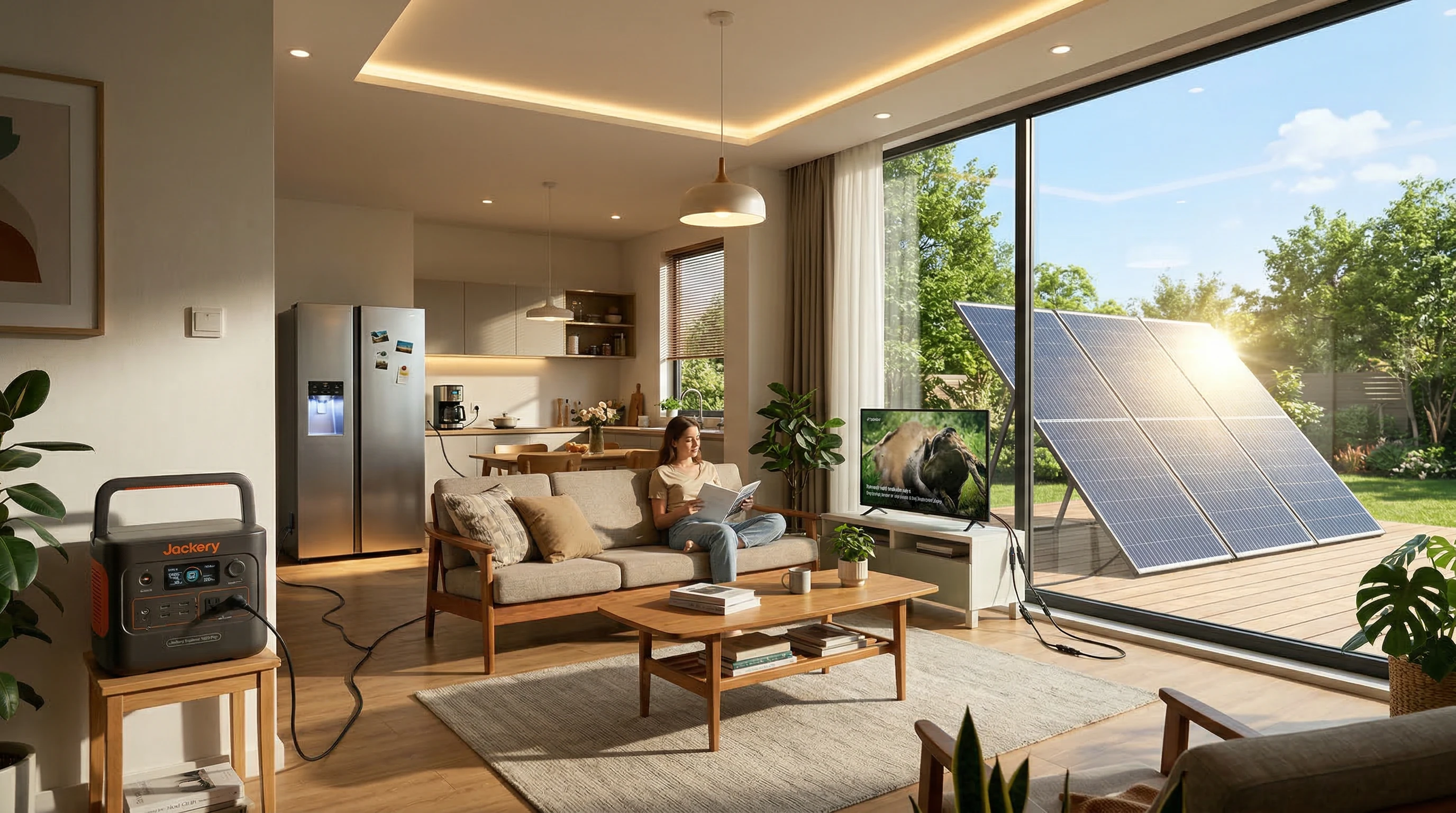
For most homeowners, the best solar generator for home backup in 2026 is the EcoFlow Delta Pro because of its high capacity, strong output, expandability, and fast charging. Good alternatives include the Bluetti AC200MAX for flexible home backup, the Jackery Explorer 2000 Plus for portability, the Anker SOLIX F2000 for budget buyers, and the Goal Zero Yeti 3000X for high-capacity emergency use.
Best Solar Generators For Home Backup (Quick Picks)
When I researched the latest solar power generator models, I found five standouts that make home backup simple and dependable. Here are my quick recommendations for different needs:
- Best overall: EcoFlow Delta Pro
- Best budget option: Anker SOLIX F2000
- Best for home backup: Bluetti AC200MAX
- Best portable option: Jackery Explorer 2000 Plus
- Best premium / high-capacity system: Goal Zero Yeti 3000X
Each of these models fits a different situation, from running just the basics during a blackout to powering a full house for days if needed. If your main priority is quiet, dependable backup for essentials, I have found Bluetti and EcoFlow to be great choices in daily use. For budgets or portability, Jackery and Anker perform really well.
Quick Comparison Table
| Model | Battery Capacity | Output Power | Best For | Price Range | Rating |
| EcoFlow Delta Pro | 3,600 Wh | 3,600 W | Best overall | $$$$ | 4.8/5 |
| Bluetti AC200MAX | 2,048 Wh | 2,200 W | Home backup | $$$ | 4.7/5 |
| Jackery Explorer 2000 Plus | 2,048 Wh | 3,000 W | Portability | $$$ | 4.7/5 |
| Anker SOLIX F2000 | 2,048 Wh | 2,400 W | Budget | $$ | 4.5/5 |
| Goal Zero Yeti 3000X | 3,032 Wh | 2,000 W | High capacity | $$$$ | 4.6/5 |
Our Top Solar Generators For Home Backup
EcoFlow Delta Pro
Overview:
I’ve used the Delta Pro for extended home backup, and it feels as close to a true whole-home solution as possible without the complexity of a full battery wall install. This system offers huge capacity, multiple charging options, and quick recharge times. You can even connect more Delta Pro units to expand total storage or add a smart home panel for automatic backup. It quietly powers refrigerators, lights, electronics, and even some heavier appliances.
Key Specs:
- Battery capacity: 3,600 Wh (expandable to 25,000 Wh)
- Output power: 3,600W (7,200W surge)
- Charging options: AC wall, solar, car, EV charger
- Weight: 99 lbs (45 kg)
Pros:
- Very high capacity and power output
- Expandable for bigger needs
- Incredibly fast AC or solar recharge
- True UPS (uninterruptible power supply) feature
Cons:
- Heavy to move without wheels
- Expensive compared to smaller units
Best for: Large homes, households with high power needs, extended backup
Ideal if… you want a powerful, reliable solar generator to run most appliances during long outages.
Not ideal if… you need something light or budget-friendly.
Bluetti AC200MAX
Overview:
I’ve relied on the Bluetti AC200MAX for both home backup and camping trips. It strikes a nice balance between power and portability. Its modular battery options mean you can start small and expand as needs change. Running a fridge, lights, routers, fans, or power tools at home works without trouble. Over time, I haven’t had issues with reliability, and the interface is easy for beginners.
Key Specs:
- Battery capacity: 2,048 Wh (expandable to 8,192 Wh)
- Output power: 2,200W (4,800W surge)
- Charging options: AC wall, solar, car, generator
- Weight: 61.9 lbs (28 kg)
Pros:
- Expandable batteries for flexibility
- Userfriendly screen and controls
- Neutral design fits most homes
- Good number of outlets for many devices
Cons:
- App control is basic
- Not as fast to recharge as EcoFlow
Best for: Residential home backup, flexible expansion
Ideal if… you want room to grow your system or need a single unit to cover essentials.
Not ideal if… you want the lightest or most portable option.
Jackery Explorer 2000 Plus
Overview:
Jackery’s Explorer 2000 Plus is my go-to choice for those who want backup power that won’t take over the living room or can easily come along for camping. The built-in handle, compact size, and reasonable weight make it genuinely portable for its power range. Battery runtime may not match the highest-capacity systems, but charging is quick and the display is clear.
Key Specs:
- Battery capacity: 2,048 Wh (expandable to 12,000 Wh with add-on batteries)
- Output power: 3,000 W
- Charging options: AC wall, solar, car
- Weight: 61.5 lbs (27.9 kg)
Pros:
- Very portable for the power
- Fast recharge from AC or solar
- Simple to operate
Cons:
- Extra batteries can get expensive
- Lower efficiency at higher loads
Best for: Portability, backup for small to medium homes
Ideal if… you value easy transport or want backup power in multiple locations.
Not ideal if… you need long-term whole-home backup.
Anker SOLIX F2000
Overview:
Anker’s SOLIX F2000 offers a surprising amount of power and features without breaking the bank. It’s smaller and lighter than most models on this list. While best for short-term use or running only essentials, it handles fridges, Wi-Fi, lighting, and charging gadgets easily for a couple of days on a full charge.
Key Specs:
- Battery capacity: 2,048 Wh
- Output power: 2,400 W
- Charging options: AC wall, solar, car
- Weight: 52 lbs (23.5 kg)
Pros:
- Affordable versus similar size units
- Lightweight, easy to move around
- Quick setup, decent app control
Cons:
- Not expandable; battery is fixed
- Lower wattage than some models
Best for: Budgets, basic home backup, small to medium apartment
Ideal if… you’re cost-conscious or looking to run essentials during short outages.
Not ideal if… high power draw or expandability is a priority.
Goal Zero Yeti 3000X
Overview:
The Yeti 3000X is well trusted among veteran home backup users, and I’ve found it to be just as reliable. Its high capacity and solid inverter let you run medical devices, sensitive electronics, or home appliances with confidence. While not a budget pick, Goal Zero stands out for good build quality and strong safety features. Their solar panels are easy to set up and the digital display gives clear feedback.
Key Specs:
- Battery capacity: 3,032 Wh
- Output power: 2,000W (3,500W surge)
- Charging options: AC wall, solar, car
- Weight: 69.8 lbs (31.7 kg)
Pros:
- Very high storage and surge protection
- Safe for indoor use
- Compatible with Goal Zero’s home integration kits
Cons:
- Heavy and a bit bulky
- Pricey for the capacity
Best for: Extended home backup, whole-room use, medical needs
Ideal if… you want to keep peace of mind during medical emergencies or need steady power for long outages.
Not ideal if… you need a system to bring along in a car or on trips.
Which Solar Generator Is Best Overall?
After comparing the top solar generators for home backup, the EcoFlow Delta Pro stands out as the best overall choice for most households in 2026.
It combines a very large battery capacity, powerful inverter output, fast charging speeds, and excellent expandability. This makes it capable of running essential home appliances such as refrigerators, lights, routers, and even some larger devices during extended outages.
Another reason the Delta Pro performs so well for home backup is its flexibility. Homeowners can start with a single unit and later expand the system with additional batteries or even connect it to a smart home panel for more advanced backup setups.
While other solar generators like the Bluetti AC200MAX or Jackery Explorer 2000 Plus are excellent choices for specific situations, the EcoFlow Delta Pro offers the best balance of power, reliability, and scalability, making it the top pick for most homes.
What Is A Solar Generator?
A solar generator is an allinone, rechargeable battery system designed to store and deliver electricity safely. The setup usually includes three key parts: solar panels (to collect energy from the sun), a battery (to store that energy), and an inverter (to convert the stored energy into usable AC power for your home appliances).
During a sunny day, solar panels charge the battery. When the power goes out or you need backup, the inverter delivers regular 120V AC power through standard outlets. Most portable solar generators can also be charged from a standard wall outlet or, in some cases, from your car or an EV charger. This makes them super flexible for home use, camping, or emergency prep.
The biggest difference from a fuel generator is how solar models operate quietly, produce no fumes, and don’t require gas or oil. You can use them indoors without worrying about carbon monoxide or noise. Most systems, including the ones I reviewed, are easy to set up without special tools or wiring knowledge.
How To Choose The Right Solar Generator
Buying a solar generator for home backup involves a few key considerations. Here are the factors I always look for before making a decision:
Battery Capacity (Watt-hours/Wh)
Battery capacity, measured in watthours (Wh), tells you how much total energy the generator can store. If you want to run a fridge, lights, and charge phones for a day, you’ll need at least 1,500-2,000 Wh—more if you have many devices or want to last several days. I suggest overestimating your needs by 10–20%, since running devices for extended outages always takes more than you expect.
Power Output (Watts/W)
This shows how much power you can use at once. A 2,000W unit easily handles fridges, freezers, power tools, and space heaters. Watch for “peak surge” numbers too, since running a fridge or microwave for a second means needing more power than their running wattage.
Charging Speed
No one wants to wait all day for a system to recharge after a blackout. Quick recharge via AC and solar options matter a lot. Some of the best solar generators reach 80% from solar in less than two hours on a sunny day or from a regular wall outlet in under two hours, which helps a ton during rolling blackouts. Look for models with MPPT charge controllers for better charging efficiency.
Expandable Batteries
If you might want to grow your system, choose a model with extra battery ports. This lets you double or triple storage later, saving you money upfront. Over time, I’ve really appreciated flexible systems like Bluetti and EcoFlow for this reason.
Portability vs Home Backup Use
Some solar power generators focus on high output and big batteries but are tough to move. Others are lighter and more suited for carrying room to room or out on a trip. If easy movement is a top priority, focus on models under 65 lbs with handles or wheels. For home backup, heavier units usually get placed in a stationary spot and connected to appliances or a transfer box.
How Long Can A Solar Generator Power A Home?
Solar generators can keep the basics running for hours to days, depending on your usage and the size of the systemdepending on your usage and the size of the system. Here’s what I’ve found in real-world use with common appliances and electronics:
- Refrigerator (average 150W): Around 12-20 hours on a 2,000 Wh solar generator (with compressor cycling on/off, so real use often lasts longer than specs).
- LED lights (10W each): Easily run 5–10 lights for close to 30 hours on a midsize generator.
- Laptop or Wi-Fi router: Can keep working over a weekend or storm event (the power draw is low, so several laptops and routers together only add up to about 100–150W).
- Microwave/small cooktop: Needs 700–1,500W to start up. A single use is fine, but running a hot plate or microwave for a long stretch eats up capacity quickly.
Biggest limitations come from highpower draw items like electric ovens, air conditioners, or water heaters. Most solar generators aren’t meant for whole-house load, but with planning, they can keep food cold, phones charged, and lights on for multiple days, especially if solar panels are available for recharge. Larger expandable systems get closer to whole-home coverage if you add extra batteries.
Solar Generator vs Gas Generator
Both solar and gas generators provide backup, but in day-to-day life, they feel different. Here’s how I compare the experience for homeowners:
- Noise: Solar generators operate silently. Gas generators are loud, rattling outside walls and disrupting sleep.
- Maintenance: Solar types need almost no maintenance; just keep panels clean and batteries charged a couple of times a year. Gas generators require oil changes, stabilization, draining before storage, and regular tests.
- Fuel Cost: Solar costs nothing to “refuel” during a sunny event. Gasoline (or propane/natural gas) prices add up, especially in long outages.
- Indoor Safety: Solar units are safe inside. Gas generators, when run indoors or too close to open windows, create deadly carbon monoxide.
- Reliability: Solar generators work as soon as you plug something in, and you don’t deal with clogs or expired fuel. Well-maintained gas generators are reliable but can be finnicky after months of sitting unused.
The main benefit of gas is that it provides very high output for heavyduty loads. If you need full-house central A/C for a week, gas is still better. For nearly everything else, I find solar power generators are more convenient and safer for home backup.
Are Solar Generators Worth It For Home Backup?
A solar generator can be a worthwhile addition to any home that faces occasional outages, lives in an area with unreliable power, or just wants to feel ready for emergencies. It’s also helpful for anyone thinking about offgrid living or wanting to reduce dependence on fuel-based systems.
During past storms, I’ve run my fridge, lights, and chargers for days with nothing but solar panels and a backup battery. It feels reassuring to know critical devices and food are safe, even if the grid is down. Over time, the system pays for itself through avoided food spoilage and saved hotel stays. If you’re interested in reducing your carbon footprint, using solar power generator backup instead of gas is good for the environment and your wallet in the long run.
For households with health or mobility concerns, having reliable power for medical devices or communication adds another layer of reassurance. If you combine a solar generator with a small rooftop panel kit, you can make daily power needs (for computers, lights, fridges) nearly gridindependent.
Quick Summary List:
- Best overall: EcoFlow Delta Pro
- Best for home backup: Bluetti AC200MAX
- Best portable option: Jackery Explorer 2000 Plus
- Best budget pick: Anker SOLIX F2000
- Best high-capacity option: Goal Zero Yeti 3000X
Frequently Asked Questions
What size solar generator do I need for a house?
A medium home needs about 2,000–3,600 Wh to run essentials for a day. If you want power for multiple days or a whole-house approach, consider units with 5,000 Wh or more, or modular expandable storage like EcoFlow Delta Pro.
Can a solar generator run a refrigerator?
Yes! Most midrange solar generators run a fullsize modern fridge for 12 to 24 hours on a charge, or much longer with added solar recharging. Make sure the unit supports surges above 1,200W, which covers most fridge startup needs.
How long do solar generators last?
The battery in a good portable solar generator lasts 5–10 years or 2,000–3,500 cycles, depending on use. Lithium iron phosphate (LiFePO4) options last longer than basic lithiumion.
Are solar generators better than gas generators?
For most backup needs, especially inside homes, solar generators feel safer, cleaner, and less hassle. Gas generators deliver higher output for whole-house loads or very long outages, but require more work and can’t be used indoors.
Do I need solar panels to use a solar generator?
No; the generator works and recharges from wall outlets too. But adding solar panels gives you true offgrid independence for home backup.
Can I use a solar generator for offgrid living?
Absolutely. Many people use these systems in cabins, RVs, and tiny homes. You can start with one unit, then expand storage or charging over time.
Final Thoughts
I’ve seen firsthand how helpful a solar generator for home backup can be during an outage or emergency. Quiet, indoorsafe, and simple to operate, these power stations take out a lot of the stress and guesswork of power loss. From portable options like Jackery and Anker to expandable systems like EcoFlow and Bluetti, there’s a solution for every budget and house size. For most homes, a solar backuphomes, a solar backup plan offers real peace of mind and makes riding out the next blackout a lot more comfortable.