
Some of the links on this page are affiliate links, which means I may earn a small commission if you make a purchase through them, at no extra cost to you. This helps support the site and allows me to continue creating helpful content.
More people are looking for reliable backup power at home in 2026. When the lights go out or there’s a grid problem, I want something that just works. Two of the main choices I see homeowners considering are solar generators and home battery systems. At first, the difference can feel unclear. They both store energy. Both can keep your devices and appliances running during an outage. But as someone who’s checked out both options for my own home and for friends and clients, I’ve found each is made for a different lifestyle.
When someone asks me, “Should I get a solar generator or a home battery?” I know they want an answer that’s simple and honest, not packed with confusing terms. I’ll break down what each is, explain who each one is best for, and help you spot which option fits your needs without all the guesswork. Let’s jump right in and explore these backup solutions.
Quick Answer:
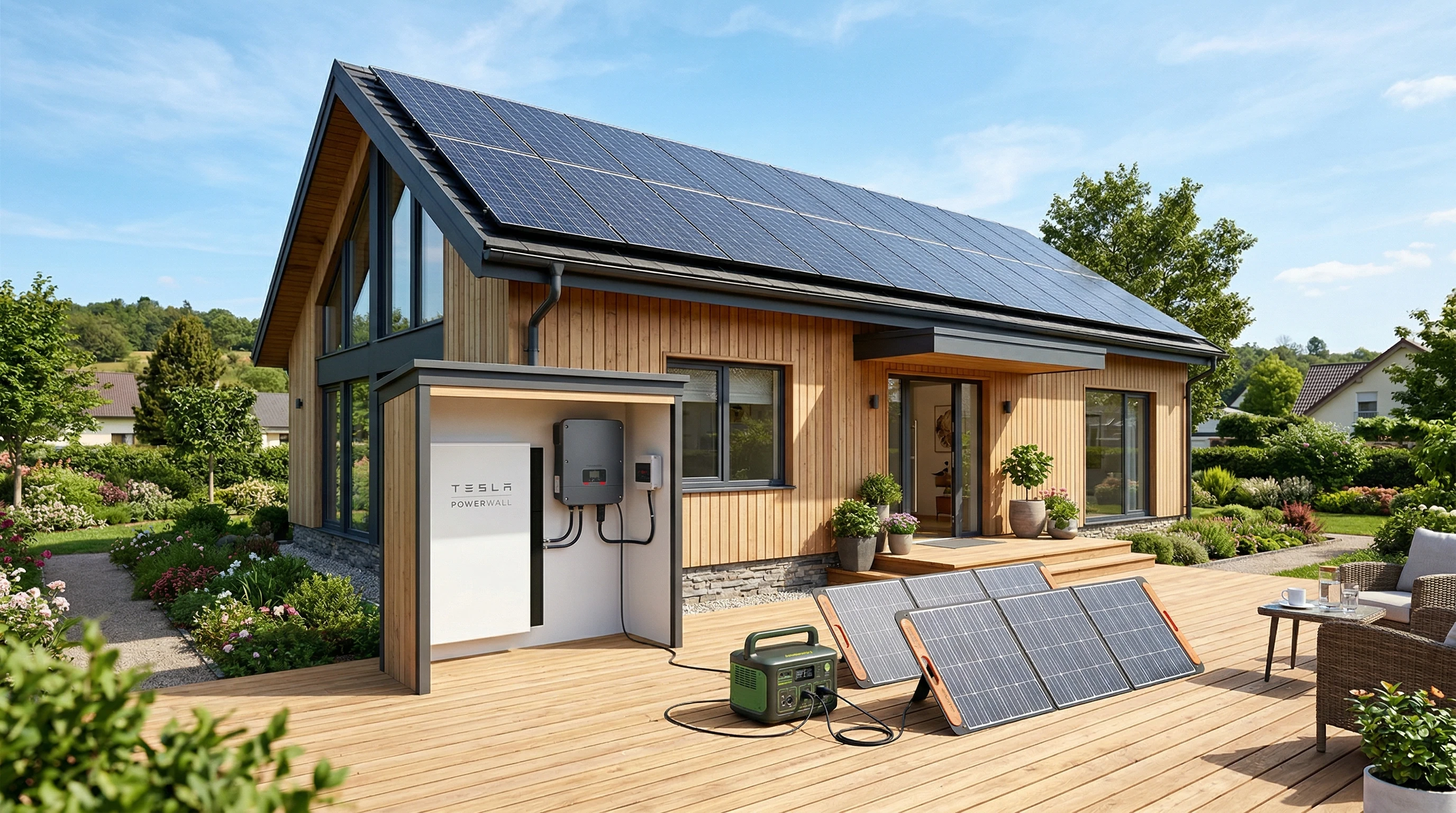
What Is a Solar Generator?
A solar generator is a device that stores electricity in a battery, turns that stored power into regular AC power using an inverter, and lets me charge it up using solar panels or the wall. Usually, the generator comes in a compact box. It looks a bit like a hightech cooler. When I need backup power, I just plug in my devices or small appliances either directly to the box or using extension cords. Many units also charge quickly from solar panels I put out in the sun, making them handy when power is out for more than a few hours.
What I find most attractive about solar generators is their portability and plugandplay setup. There’s no need to rewire anything in the house. I can use them in an apartment, condo, or RV. They are also practical for camping, tailgating, and any time I want flexible, portable power.
Solar generators are great for beginners. They don’t require technical knowhow, an electrician, or permits to get up and running. I’ve recommended these for renters and anyone who wants an all-in-one, simple backup power for essentials without committing to something permanent. Their user friendly design makes them perfect for those who want hassle free energy backup, this is why solar generators are popular.
What Is a Home Battery System?
A home battery system is a much bigger setup that connects directly to the electrical system of my house. Most systems are designed to work hand in hand with rooftop solar panels, but they can also be charged from the grid. The battery sits in the basement, garage, or a weatherprotected area. It holds much more power than a solar generator, and is often designed to run big appliances, entire rooms, or even the whole house for hours or days if sized right.
Home battery systems are not portable. They are usually considered a permanent upgrade, often requiring a professional installer. These systems switch on automatically when there’s an outage, so I don’t have to plug cords in or move anything around. Many people add these as part of a push for energy independence or to save on electricity bills by using the battery during peakhour rates.
If I own my home and want real backup security, or if I already have solar panels, I recommend looking at these battery systems. The investment and installation are bigger, but so is the peace of mind that comes with automatic, wholehome backup and smart functionality.
Key Differences: Solar Generator vs Home Battery System
Portability
Portability is the first thing I notice when comparing these options. Solar generators are easy to pick up and bring wherever I want backup power. I can carry one by the handle to different rooms or toss it in my car for a trip. Home battery systems stay put. Once installed, they stay in the same place for years. If I move, the system usually stays behind, changing how I plan my backup energy solutions.
Installation
Setting up a solar generator is as easy as plugging in my devices and rolling out a portable solar panel to charge it. No professional help needed. With home battery systems, installation is a project. I need an electrician, sometimes building permits, and there might be an inspection depending on where I live. The battery is wired in, and once set up, I don’t need to do anything extra during an outage.
Battery Capacity
A solar generator usually stores enough power to run small essentials for several hours or a day—think a fridge, a few lights, WiFi, and my phone. Home battery systems have much bigger batteries. They can run kitchen appliances, sump pumps, HVAC systems, multiple rooms, or the whole house for longer. The level of backup is only limited by my system’s size and budget.
Expandability
If I want to add more capacity to a solar generator, most models are limited to the size of their builtin battery. A few highend models let me add extra batteries, but even then, there are limits. Home battery systems are designed for expandability. Manufacturers usually offer addon batteries so I can grow my system as my needs or budget allow. This flexibility is great for homeowners planning for future growth.
Cost
Solar generators have a much lower starting price. I can get a basic model for a few hundred dollars and premium packs go up to a few thousand. Home battery systems start higher, usually several thousand dollars, and the cost only goes up with size and complexity. Installation may add more to the total. The higher cost comes with higher performance, more convenience, and longterm return if paired with rooftop solar panels.
Maintenance
Solar generators need simple care. I make sure the battery is charged once every few months, wipe dust off, and test them with a quick plugin. Home battery systems are built for years of use and often come with monitoring apps, automatic updates, and long warranties. Most systems alert me if they need attention. Still, occasional service visits or battery replacement over many years may come up. Scheduled checkups keep everything running smoothly and extend the system’s usable life.
Best Use Cases
Solar generators shine where quick setup, mobility, and small backup loads are needed—apartments, smaller homes, or trips away from home. Home battery systems make sense for large homes, longer outages, or those aiming for fulltime solar living and lower power bills. Your choice will reflect your specific needs and daily habits.
Solar Generator vs Home Battery System: Simple Comparison Table (2026)
|
Feature |
Solar Generator |
Home Battery System |
|---|---|---|
|
Setup |
Plug & play, no installation |
Permanent, requires professional install |
|
Portability |
Portable, easy to move |
Fixed in place |
|
Installation |
No electrician needed |
Requires electrician |
|
Capacity |
Small–medium (devices, short outages) |
Large (can power full home) |
|
Upfront Cost |
$300–$3,000+ |
$7,000–$20,000+ |
|
Best For |
Renters, apartments, quick backup |
Homeowners, full backup systems |
|
Ease of Use |
⭐⭐⭐⭐⭐ Very simple |
⭐⭐ Complex setup |
|
Best Choice If… |
You want quick, flexible backup |
You want full home energy independence |
For most people, a solar generator is the easiest and most practical choice for backup power.
If you don’t want complicated installation or high upfront costs, it’s usually the better option.
Best Solar Generators for Home Backup
When a Solar Generator Is the Better Choice
From my own experience and what I hear from other users, solar generators are the simplest and fastest way to get backup power in smaller spaces or for immediate needs. Here’s when I think a solar generator is best:
- Living in an apartment or rental where permanent installations aren’t allowed
- Smaller homes where just a fridge, lights, and internet need backup
- Frequent but short brownouts or rare outages
- Budgetfocused buyers wanting a reliable safety net
- People who need power on the go (RV owners, campers, tailgaters)
- Users who want to avoid any installation hassle
Portability and simplicity make solar generators stand out as the top pick when you want a quick, easy backup without permanent changes or major investment. They keep essential devices running, making everyday life easier during brief power interruptions.
If you’re looking for reliable solar generators, brands like EcoFlow, Bluetti, and ALLPOWERS offer solid options depending on your needs and budget.
Check latest prices on ALLPOWERS (US)
When a Home Battery System Is the Better Choice
If I want to make sure my house stays online during multiday outages, or I plan to go big with rooftop solar, I look at a proper home battery system. Here’s where these systems shine:
- Large homes or places with many appliances that need backup
- Regions with frequent, long outages or unreliable grids
- Longterm investment in energy independence (especially with solar panels)
- People wanting zerofuss, automatic backup with no cord juggling
- Anyone wanting to maximize solar power and cut electric bills by using stored energy at peak grid times
- Homeowners who want to increase property value with clean energy upgrades
These systems are ideal for those wanting seamless, robust backup and energy savings, especially when paired with rooftop solar for whole home resilience and independence.
Want specific recommendations?
Check my guide on the best solar generators for home backup.
What Can Each One Power?
It helps to know what each option will actually keep running if the grid goes down. Let’s give a onceover to common essentials so you can picture each solution in action.
Solar Generator
On a typical day, my solar generator runs:
- WiFi router
- Smartphones, tablets, and laptops
- A few lights or lamps
- Mini fridge or single fullsize fridge for several hours
- Small medical device (like a CPAP)
It’s smart to check the generator’s watthour and inverter output rating so I don’t overload it. Running everything listed above at once will drain the battery in several hours, but for most brief outages, that’s enough to stay comfortable and connected to vital devices. Frugal charging habits help stretch your backup further.
Home Battery System
With a large home battery system, I can back up:
- The refrigerator, freezer, and whole kitchen
- Furnace fan or small heating system
- Washer and dryer (if usage is staggered)
- Most lights throughout the house
- Garage door, sump pump, and well pump
- Entertainment center and home office
- Air conditioning or electric heating for a while (if the battery is large enough)
Home battery systems can be scaled for more runtime or bigger loads. Some can run the entire home for a day or more if sized right and paired with rooftop solar, offering nextlevel cool assurance during extended outages.
Cost Comparison
Solar generators cost much less up front. For under $1,000, I can get a system that will keep the lights, fridge, and internet running for a typical outage. Upsizing to a highcapacity portable system might cost $2,000–$3,000 or more, but that’s still much less than a home battery with installation.
Home battery systems start around $7,000–$10,000 with installation, and can easily go up to $15,000 or $20,000 for powerful setups that work with rooftop solar. The higher price gives me wholehouse coverage, seamless switching during outages, and better longterm value if maximizing solar or reducing grid dependence is important. Rebates and tax incentives in 2026 can further ease up costs for some homeowners.
The right choice comes down to more than just cost. I always ask myself: Do I want something quick and portable on a budget, or do I want the setandforget security of a permanent home solution with higher energy needs? Laying out musthave features, budget, and longterm plans helps me prioritize which investment is smartest for my lifestyle.
RealLife Example
Here’s how I’ve seen these play out in the real world. Actual user stories help give a sense of what living with each system is like and the peace of mind they offer.
Sarah, the Renter
Sarah lives in a downtown apartment and rents. She needs backup for her work laptop, WiFi, a couple of lamps, and her fridge. When the power went out last winter, she just rolled her solar generator from the closet and kept her essentials charged. No installation, no landlord permission, just portable peace of mind. The cost was under $1,000, which fit her budget and didn’t require tricky setup.
Mike, the Homeowner
Mike bought a house in an area with frequent power outages from storms. He already had rooftop solar. Adding a home battery system made sure his entire house stayed running; the fridge, freezer, heating, even power to his garage door, kept working without him doing anything when the outage hit. He invested more up front (about $12,000 total), but now he saves money on electric bills yearround and has a true wholehome backup that adds value and comfort to his property.
Which One Is Better for Most People?
For most people I talk to who are just starting to think about backup power, a solar generator is the easiest and most reliable entry option. It’s simple to set up, budgetfriendly, and flexible for apartments and small homes. I always advise considering what is realistic for my everyday needs, budget, and living situation, so the solution fits your lifestyle instead of forcing changes.
For homeowners who need strong backup, already have or want to add solar panels, or plan to stay put longterm, it’s worth looking seriously at a home battery system. The higher investment pays off with convenience, more coverage, and energy savings. If I’m in between, starting with a portable solar generator gives me a taste of backup power simplicity before investing bigger later on.
Which One Should You Choose?
Choose a solar generator if:
– You want something portable
– You need backup for short outages
– You don’t want installation
Choose a home battery system if:
– You want to power your whole home
– You already have solar panels
– You want long-term energy independence
Wrapping Up
Choosing between a solar generator and a home battery system depends on how much backup power I want, my living situation, my future plans, and what I feel comfortable spending. Both are excellent choices for different needs, and both beat sitting in the dark. Making a list of what essentials I need during an outage, considering how long I want backup power, and deciding if I prefer a portable or permanent solution will make my decision easier.
I recommend solar generators for anyone wanting a fast, nofuss backup and home battery systems for those ready to invest in longterm comfort and resilience. No matter which I choose, having backup power is a relief when I need it most.
Ready to Choose the Right Backup Power Solution?
If you want a simple, plug-and-play solution that works right out of the box, a solar generator is the easiest way to get started.
Most people don’t need a full home battery system with complex installation and high upfront costs. A reliable solar generator can handle essential devices, short outages, and even off-grid use without any hassle.
Check the latest solar generator deals here:
✔ View ALLPOWERS options (US store)
✔ Check EcoFlow official store
✔ Browse Bluetti models
If you’re in Europe, make sure to check the EU stores for better pricing and faster shipping.
Frequently Asked Questions
Is a solar generator the same as a home battery?
No, they are different. A solar generator is portable, plugandplay, and best for backup needs on the go or in smaller settings. A home battery is permanently installed and designed to backup much bigger loads, often working with wholehome solar systems.
Can a solar generator power a whole house?
Most solar generators are not designed to power an entire house. They work best for essentials like lights, internet, laptops, and maybe a fridge for a few hours. For wholehouse backup, a home battery system is a better fit.
Are home battery systems worth it?
If I want longterm, seamless backup for most or all of my home, especially along with rooftop solar, home battery systems are worth considering. They do cost more, but they offer automatic coverage, energy savings, and can add value to my property.
Which is cheaper, a solar generator or a home battery system?
Solar generators are almost always cheaper up front, making them ideal for those on a limited budget or who want backup for basic needs. Home battery systems cost more but offer more capacity and features for homeowners ready to make a longerterm investment.