
Some of the links on this page are affiliate links, which means I may earn a small commission if you make a purchase through them, at no extra cost to you. This helps support the site and allows me to continue creating helpful content.
Dealing with power outages is more common these days than it used to be. Whether I’m worried about storms, grid overload, or rising electricity bills, having a solar power backup system for my home brings peace of mind and a sense of control over my energy use. A good solar power system means I’m less likely to be left in the dark or forced to rely on noisy, polluting gas generators. It’s a way to keep everything important running—from my refrigerator to my WiFi—even when the grid goes down. What’s even better, the system keeps my home running quietly, without extra fuel costs or hassle.
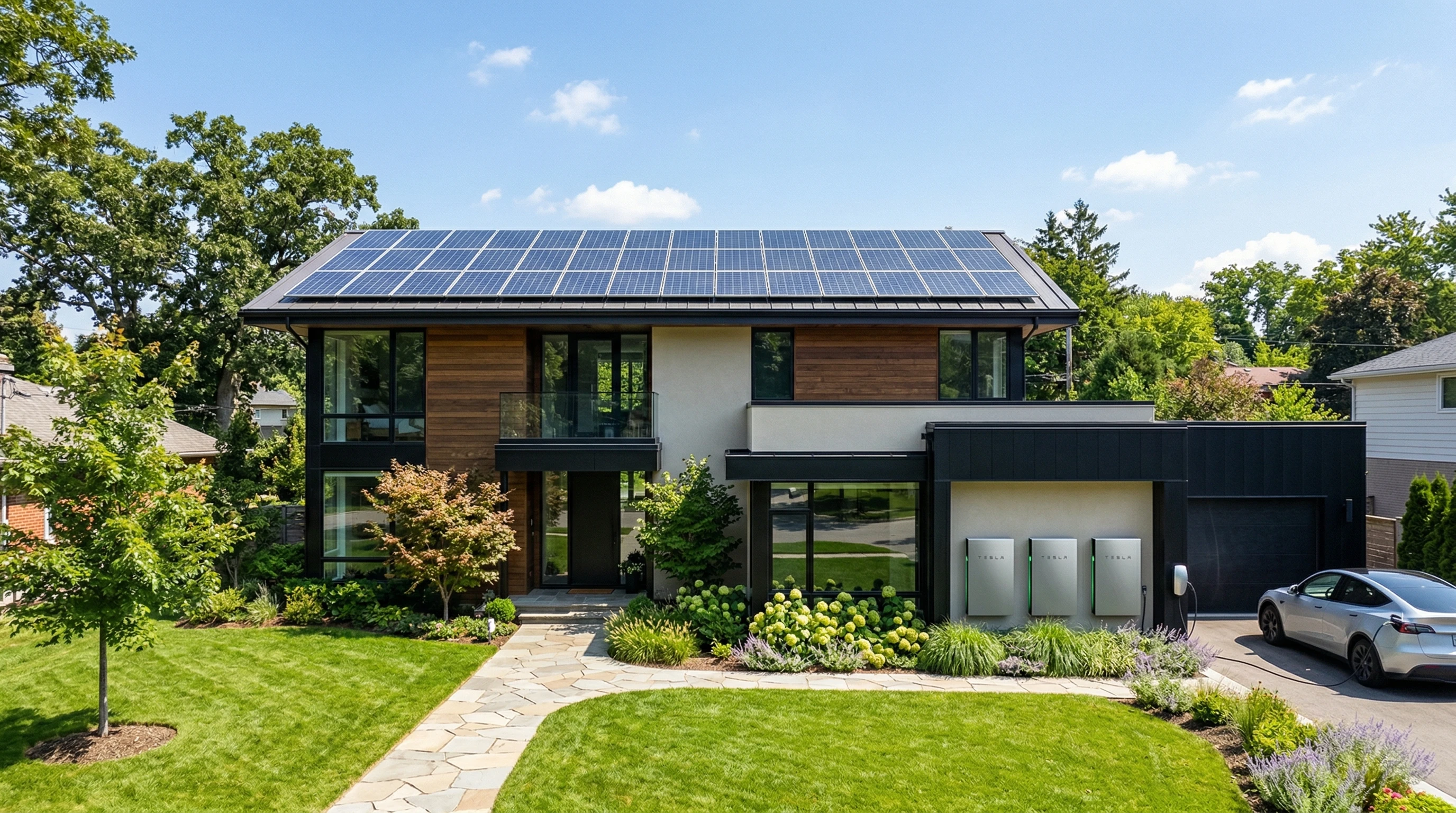
Why Consider a Home Solar Backup System?
Setting up a solar backup system at home goes beyond just saving money on my energy bills. From my experience, the real value is in these four main points:
- Protection during power outages: The backup ensures my essentials work when the grid fails, like food in the fridge stays good and devices keep running.
- Lower longterm energy costs: Once I handle the up front cost, my bills drop over time because I’m using the sun instead of buying as much electricity.
- Energy independence: I feel less affected by price swings or outages since I create and store a portion of my own electricity.
- Quiet, ecofriendly operation: My solar system keeps my home powered without noise or fumes—unlike a traditional gas generator. There’s no constant hum or fuel smell, so it’s easier to live with every day.
The result? More peace of mind knowing I’m ready for whatever comes my way, whether it’s a surprise thunderstorm or an area wide blackout.
How to Choose a Good Home Solar Backup System
After helping several friends and family members track down systems that fit their needs, I’ve learned a lot about what specs actually matter. Here are the main factors I always check in a solar backup system:
- Battery Capacity (Wh or kWh): This is the amount of energy the whole system can store for later use. With more capacity, I can run my appliances and lights longer while the grid is down.
- Power Output (W): This number shows how many devices I can use simultaneously. Higher output means I can keep bigger appliances, like a microwave or sump pump, going without overload worries.
- Expandability: Some backup systems let me add more batteries or panels later on if I move or my power needs grow. I prefer these because I can future proof as my household changes.
- Charging Speed: Faster solar charging means my batteries are ready for the next outage sooner. If I live where storms are frequent, this feature is especially handy.
Lastly, I always check for a system that’s userfriendly and has a reputable manufacturer warranty. That way, I know support is there if I need it.
Best Solar Power Systems for Home Backup in 2026 (My Top Picks)
There are tons of options out there, but I’ve narrowed it down to a few favorites based on reliability, features, and value:
1. Best Overall: Expandable Solar Power System
This setup hits the sweet spot for me. It’s powerful enough to handle essentials—from the fridge to lights—and allows me to add extra batteries or solar panels as my family or needs grow.
Recommended for: Most households wanting a flexible, scalable, and robust backup system.
Find this setup here
2. Best BudgetFriendly Option
This smaller and affordable setup doesn’t run everything, but it reliably covers priorities. I can keep lights, the WiFi, and phones charging so I’m never disconnected.
Recommended for: Small homes, condos, or apartments where space and power needs are modest.
See this affordable pick
3. Best HighCapacity System
If total home coverage is what I want, this system is a powerhouse. It’s more of an investment, but worth it for keeping AC units, washers, and big appliances running even during extended blackouts.
Recommended for: Larger homes or those who want to run everything with confidence.
Explore the powerhouse system
What Can I Actually Power with a Solar Backup System?
People often ask what I actually run when the lights go out, and it really comes down to my system size. Here’s what I usually keep running:
- Refrigerator and freezer: These protect my food from spoilage, even during lengthy outages.
- Lights: No fumbling for flashlights or candles, just easy illumination.
- WiFi router: Staying online is crucial, especially during emergencies.
- Laptops and phones: Powering these keeps me connected and productive throughout an outage.
- Small kitchen appliances: I can run things like my coffee maker, a fan, or microwave for short periods when I manage power carefully.
Larger systems can cover basic climate control or even medical devices, which is especially important for some families.
Solar Generator vs. Full Home Solar System: Which Should I Use?
This is a question I spent a significant amount of time on, and my answer depends on your situation:
- Solar Generators: These are allinone, portable units. They’re great if I want something plug and play, or to use for camping in addition to home backup. No need for an electrician—just plug in devices as needed.
- Full Home Solar Systems: These systems are tied directly to the home’s wiring and are designed for larger load support. The initial cost is higher, but they’re great if I want to run multiple appliances or automate my backup.
If space or budget is tight, I start with a portable. If I want real wholehouse coverage, the bigger investment pays off in comfort and peace of mind.
How Much Solar Backup Power Do I Really Need?
When I first looked into backup systems, I learned to size up my needs to avoid paying too much or too little. Here’s a simple breakdown:
- Basic backup: Lights, WiFi, a few devices; total capacity needed is 1,0002,000 watt hours (Wh). Good for apartments or short outages.
- Medium needs: Adding the fridge and more devices; aim for 2,0005,000 Wh to stretch through longer blackouts.
- Full home: Running everything, including appliances and possibly HVAC. Over 5,000 Wh (sometimes up to 10,000 Wh or more), so I need a full solar setup with a big battery bank.
To find my number, I tally up the wattage of devices I want to run, multiply by hours of use, and choose a system a touch above that for comfort. Online calculators and spreadsheets make the job simple.
How It Works: Real Use Scenario from My Home
Recently, a summer thunderstorm knocked out my local grid for nearly 10 hours. My 2,000 Wh backup powered my fridge, a handful of LED lights, and the WiFi all evening. I tracked battery usage with its management app, and saw that I could have made it another night if I’d been stingier with devices. For a bigger pull, like the microwave or our little AC unit, I only ran them briefly. It didn’t just save battery—it made me more aware of my actual energy needs. That kind of practical insight is something I wish I’d had sooner.
Tips I Wish I Knew Before Buying a Solar Backup System
- Oversize the system a little: Going just above my calculated need has saved me from getting caught short more than once.
- Check expandability: I’ve chosen systems that let me add extra batteries or panels—flexibility matters down the road.
- Think about local weather: Areas with less sun need more panel space or battery storage. I calibrated for all seasons, not just summer.
- Think longterm: As my family’s needs change and I add new gadgets, a slightly larger system stays current without an expensive overhaul.
The best system for me is the one that fits today’s needs with some breathing room for tomorrow.
Extra Resources for Smarter Choices
When I’m weighing a big purchase, I turn to several guides to make sure I’m making a wise choice. If you’re browsing for more advice, try these links for further reading on solar and backup power:
- RV Solar Guide for Mobile Backup
- Best Generators for Camping and Emergencies
- Affordable Solar Generators Under $1000
Frequently Asked Questions
Are home solar backup systems actually worth the money?
From my experience, yes. They’re especially helpful now that outages are more common. Peace of mind, cutting bills, and less noise easily justify the investment.
How long do home solar systems last?
Most backup system batteries last 5 to 10 years—sometimes longer with proper care. Modern lithium batteries are making the lifespan even better.
Can a solar backup system power my whole house?
It can, if I choose a unit with enough juice. For just the essentials, a small or medium setup does fine, but keeping the whole house running (HVAC, washer, kitchen) means a larger, more expensive system.
What is the best battery type for home backup?
Lithium iron phosphate (LiFePO4) batteries are the popular pick right now. I like them because they’re safe, offer more charge cycles, and store energy efficiently.
Can I install a solar backup system myself?
Plugandplay solar generators are great for DIY. For a big, homeintegrated system, I recommend hiring a professional. It keeps things safe and up to code.
Final Thoughts
Having a home solar backup setup gives me true energy freedom and security. Beyond just emergencies, I use solar to shave my utility bills and lighten my footprint on the planet. If you want a silent, ecofriendly, and reliable way to keep your home powered through the unexpected, tracking down the right solar system is a smart, straightforward investment.