
The most effective ways to reduce home energy consumption include improving insulation, installing a smart thermostat, switching to LED lighting, reducing standby power, and upgrading to efficient appliances. Cutting down on home energy use is one of those things that pays off in more ways than one. I’ve helped plenty of people make changes around the house, and the results get noticed fast. Lower monthly bills, a lighter environmental footprint, and sometimes even smaller up front costs when adding something like a solar system all make the effort worthwhile. In this guide, I’m sharing practical, proven ways to trim your home electricity demand without making life harder or relying on generic tips everyone already knows. These steps are all backed by research, straightforward to apply, and suitable even if you’re just starting out.
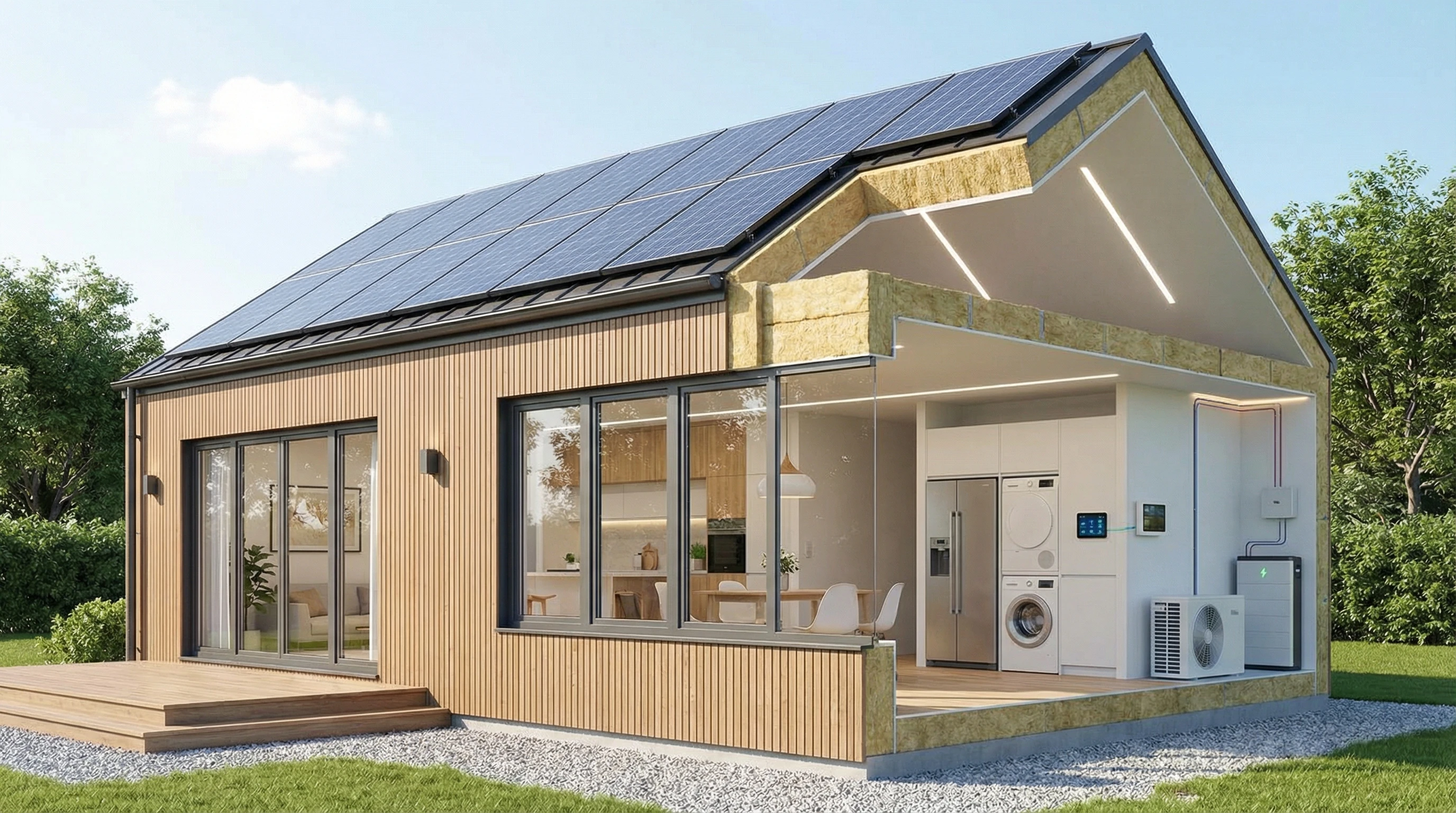
Why Reducing Energy Consumption Matters
I find a lot of people initially focus on the obvious: saving some money each month. That’s a big part of the draw. Even modest changes can lead to lower utility bills, which adds up over months and years. But saving energy has benefits that go beyond just what’s in your wallet.
Lowering your home’s energy use cuts your carbon footprint. Every time you use electricity or gas, you’re supporting power generation that typically still relies on fossil fuels, even as the grid gets greener. Simply put, less demand means less environmental impact.
Another upside comes if you’re interested in solar, batteries, or backup systems. When your home uses less energy day to day, you need a smaller (and less costly) setup to meet your needs. That can knock thousands off the price of a solar installation.
What Uses The Most Energy In A Typical Home
Not all home energy use is the same. I always start with a quick review of where energy goes, since it helps target what to tackle first. Heating and cooling usually use the most power, followed by water heating. Cooking, laundry, refrigeration, entertainment, and standby power all add up, too. For a full breakdown by appliance and system, check out my detailed guide on what uses the most energy in a home.
15 Ways To Reduce Energy Consumption
Real progress at home comes from focusing on the areas with the biggest impact. I’ve grouped these tips by category, since each has its own tricks for getting fast, noticeable results.
Heating & Cooling
- Improve Insulation
Proper insulation in your attic, walls, and floors keeps hot or cold air where it belongs. Adding or upgrading insulation is a project you’ll feel almost immediately. Rooms stay more comfortable and your heating or cooling system works less, using less energy over time. As a side bonus, better insulation helps with soundproofing and can even extend your roof or HVAC lifespan by reducing wear and tear from temperature swings. - Install a Smart Thermostat
I’ve seen smart thermostats pay for themselves quickly. They automatically adjust temperatures based on your schedule and the weather, so you’re not heating or cooling an empty house. Data from the EPA suggests you can reduce heating and cooling bills by eight to twelve percent just with a programmable or smart thermostat. Some models now learn your patterns, making them even more convenient and effective for busy families. - Switch to a Heat Pump
If you’re replacing an old furnace or traditional electric heater, consider a heat pump. It moves heat rather than generating it, so it typically uses half the energy for the same comfort. In moderate climates, heat pumps can sometimes reduce electricity used for heating and cooling by up to 50% compared to standard systems. Plus, they work for both heating and cooling, often replacing two systems with a single, efficient appliance. If you live in a colder region, newer cold-climate heat pump models now perform well even when temperatures drop below freezing, letting you maximize efficiency all year. - Seal Air Leaks
Small leaks around windows, doors, or ducts let a lot of conditioned air escape. Sealing with weatherstripping, caulk, or spray foam is one of the lowest-cost and most effective upgrades I recommend. You can often complete major leak fixes in a weekend and see immediate savings. Pro tip: a simple incense stick or thermal imaging phone attachment can help you spot the worst leaks before sealing.
Water Heating
- Lower Water Heater Temperature
Most water heaters are set far higher than needed. Turning it down to 120°F (49°C) saves energy and reduces the risk of scalding. It’s an easy adjustment that can save four to ten percent on your water heating costs and can also extend the life of your heater by reducing mineral buildup. - Upgrade to a High Efficiency Water Heater
When your current heater needs replacement, choosing a heat pump water heater, tankless water heater, or ENERGY STAR rated model cuts energy use without sacrificing performance. Heat pump models are especially efficient, using up to sixty percent less electricity than conventional electric water heaters. If space is tight, a tankless model might fit better while still saving energy by heating only as much water as you actually use. - Consider Solar Thermal for Hot Water
If you have a good solar location, a solar hot water system can shoulder much of your home’s water heating load for years. While upfront investment is higher, in sunny regions this often pays off faster than expected, especially with local rebates. Solar thermal can produce hot water even on partly cloudy days by way of insulated storage, and many hybrid systems can automatically switch between solar and backup heating when needed.
Appliances
- Use an Energy Efficient Fridge
Older refrigerators can use three times as much energy as a modern, ENERGY STAR rated model. When replacing yours, pay attention to the EnergyGuide label. You can also keep it full but not overstuffed, as fridges run better when there’s less open space but enough airflow. Regularly cleaning coils and checking door seals will also keep your fridge operating at peak efficiency, stretching out its lifespan and energy savings. - Switch to an Induction Cooktop
Induction cooktops heat food directly through magnetic energy, leading to faster cooking with less wasted heat. They’re safer, too, since the cooktop itself stays relatively cool. That means less energy goes into the kitchen air and more into your food, making a noticeable dent in electricity use if you cook often. Also, since induction stoves respond instantly to temperature adjustments, it’s easier to avoid overcooking and wasting food or energy. - Adopt Efficient Washing Habits
I often suggest washing clothes in cold water and waiting for a full load before running your machine. Modern detergents clean well without hot water, and a full load maximizes each run’s efficiency. Air drying clothes, at least part time, brings extra savings, especially during mild weather. If you use a dryer, regularly cleaning lint screens and fine mesh filters can keep things running efficiently, reducing cycle times and cutting energy costs even further. - Choose Appliances with Advanced Eco Modes
Many newest appliances now include eco smart settings that optimize cycles and use sensors to sense when to cut power. Using these eco or smart modes lets you save energy automatically, while still enjoying convenience. Look for these features when buying new devices, and turn them on in your current washer, dryer, or dishwasher if available.
Electricity Use
- Switch to LED Lighting
Switching out old bulbs for LEDs has one of the fastest paybacks I see. LEDs use seventy five to eighty five percent less energy and last much longer than incandescent or halogen bulbs. The light quality is better now, too, fitting any style or mood you want. If you’re adding new fixtures, opt for smart LED bulbs compatible with app controls or voice assistants, which make it even easier to control lighting usage throughout your house. - Install Smart Plugs or Timers
Devices like smart plugs, power strips, or mechanical timers help cut off electricity to gadgets when you’re not using them. This is really helpful for entertainment setups, office gear, or anything that draws power when “off.” Smart strips can automatically detect when the main device (like a TV or computer) is off and then cut power to all peripherals, maximizing your savings effortlessly. - Reduce Phantom Loads
Many appliances like phone chargers, coffee makers, and even microwaves use power twenty four seven. I use a wattmeter to check which items waste the most and put those on smart switches or unplug them completely when not in use. Over a year, these small steps can add up to significant savings, especially with older electronics or non ENERGY STAR devices. - Optimize Electric Vehicle Charging
Charging an EV at night or during off peak hours takes advantage of lower electricity rates and eases demand on the power grid. Some chargers allow you to program this automatically, which is convenient for busy routines. Many utilities offer special EV rates or incentives for off peak charging, so check with your provider to make the most of potential discounts and reduce both your bill and environmental impact. - Unplug Unused Power Supplies
Even when devices are turned off, many power bricks still draw a small amount of energy. Unplug chargers for laptops, phones, cameras, and other gear when not needed. Using a dedicated basket or shelf to keep chargers handy but unplugged makes this routine habit easier to remember for the whole family.
How Much Can You Realistically Save?
I always like to break down possible savings to help people set real expectations. If you tackle several of these steps, especially those in the heating, cooling, and water heater sections, most homes can expect to cut overall energy use by 20 to 30 percent. If your home uses 1,000 kWh per month (roughly average for many households), that’s 200 to 300 kWh saved each month.
At an average electricity rate of $0.15 per kWh, that’s $30 to $45 per month in savings. Over a year, this adds up to $360 to $540. For high energy users or homes with outdated systems, savings may be a lot higher once major upgrades are made. You can track your progress with utility bills or smart home energy monitors, which is how I like to confirm which changes are making the biggest difference. Occasionally, reviewing your usage lets you identify unexpected patterns, like appliances left on or problems with insulation, giving you more ways to cut costs over time.
Energy Reduction vs Installing Solar. Which First?
Whenever someone asks about going solar, I always start with the same advice. Cut your energy use first. Reducing demand means you’ll need a smaller, less expensive solar system to meet your needs. For example, trimming 25 percent off your monthly use can turn a 6 kW system need into just 4.5 kW, which often drops thousands off the project price right away. Focusing on efficiency first keeps future costs lower and ensures your solar works better for you over time.
When Efficiency Upgrades Pay For Themselves
Many energy saving steps have a pretty decent return on investment. Smart thermostats, weatherstripping, and LED bulbs often pay back their cost in a year or less. Larger projects like insulation upgrades or a high efficiency water heater usually recoup their investment in three to seven years, depending on your utility rates and available rebates. After that, you’re effectively pocketing the extra savings every month, and some utility programs might even offer direct incentive payments or financing to make it easier to start bigger projects.
Simple Energy Saving Checklist
- Switch to LED lighting
- Install a smart thermostat
- Seal air leaks
- Reduce standby power
- Use efficient appliances
-
Lower water heater temperature
Frequently Asked Questions
Here are some common questions I hear from homeowners looking to reduce energy use.
What reduces electricity use the most?
Heating and cooling usually make up the biggest chunk of a typical bill, so upgrading insulation, installing a smart thermostat, or moving to a heat pump produce the largest reductions. Appliances and lighting come next, and updates here can add up, too. Combining improvements in multiple areas is your best bet for long term savings.
Is improving insulation really worth the effort?
In my experience, the answer is almost always yes. Good insulation makes your house more comfortable and not only reduces energy bills but can boost the resale value of your home. Many utility companies offer rebates, which shortens the payback period. Partnering with a local energy auditor can reveal easy insulation upgrades customized to your home’s specific needs.
Do smart thermostats actually save money?
Yes, as long as you set them up with schedules or let them adapt to your patterns. Most people see heating and cooling bills drop by eight to twelve percent, and some makers promise even higher savings if you pair them with efficiency improvements like weatherproofing. Outfitting your thermostat with zone controls or room sensors can allow for even greater savings by targeting only the rooms being used.
How much energy can I realistically reduce?
Most homes can lower energy use by 20 to 30 percent without big lifestyle sacrifices. If you’re starting from an older or less efficient setup, or if you combine several upgrades, I’ve seen reductions of 40 percent or more. Careful tracking with your utility bills helps adjust and set new goals over time. If you want help, many local governments offer free or low cost energy audit programs that can identify your house’s biggest opportunities and estimate potential savings in your area.
If you’re eager to start saving but feel overwhelmed, begin with a walk through your home to spot the “low hanging fruit”—think drafty doors, old light bulbs, or a water heater set too high. Small tweaks add up quickly. Then, as you track your progress, you can move on to larger projects with bigger impacts and keep your energy bills moving in the right direction. The bottom line? Investing in energy efficiency is one of the smartest things you can do for your wallet, comfort, and peace of mind.