
The thought of a refrigerator full of food going to waste due to a sudden power outage can be really stressful. As someone who relies on my fridge for fresh groceries and meal prep, I wanted to make sure I had a backup solution that could handle emergencies. Solar generators have become a practical way for homeowners to keep essentials running when the grid goes down. But figuring out what size solar generator you need to run a refrigerator takes some careful consideration of both the fridge’s power needs and the generator’s capacity. This is my straightforward breakdown to help you understand exactly what to look for and how to make the best choice for your kitchen and home. Choosing the right size solar generator to run a refrigerator depends on understanding power consumption, battery capacity, and how long you want your fridge to stay running during a power outage.
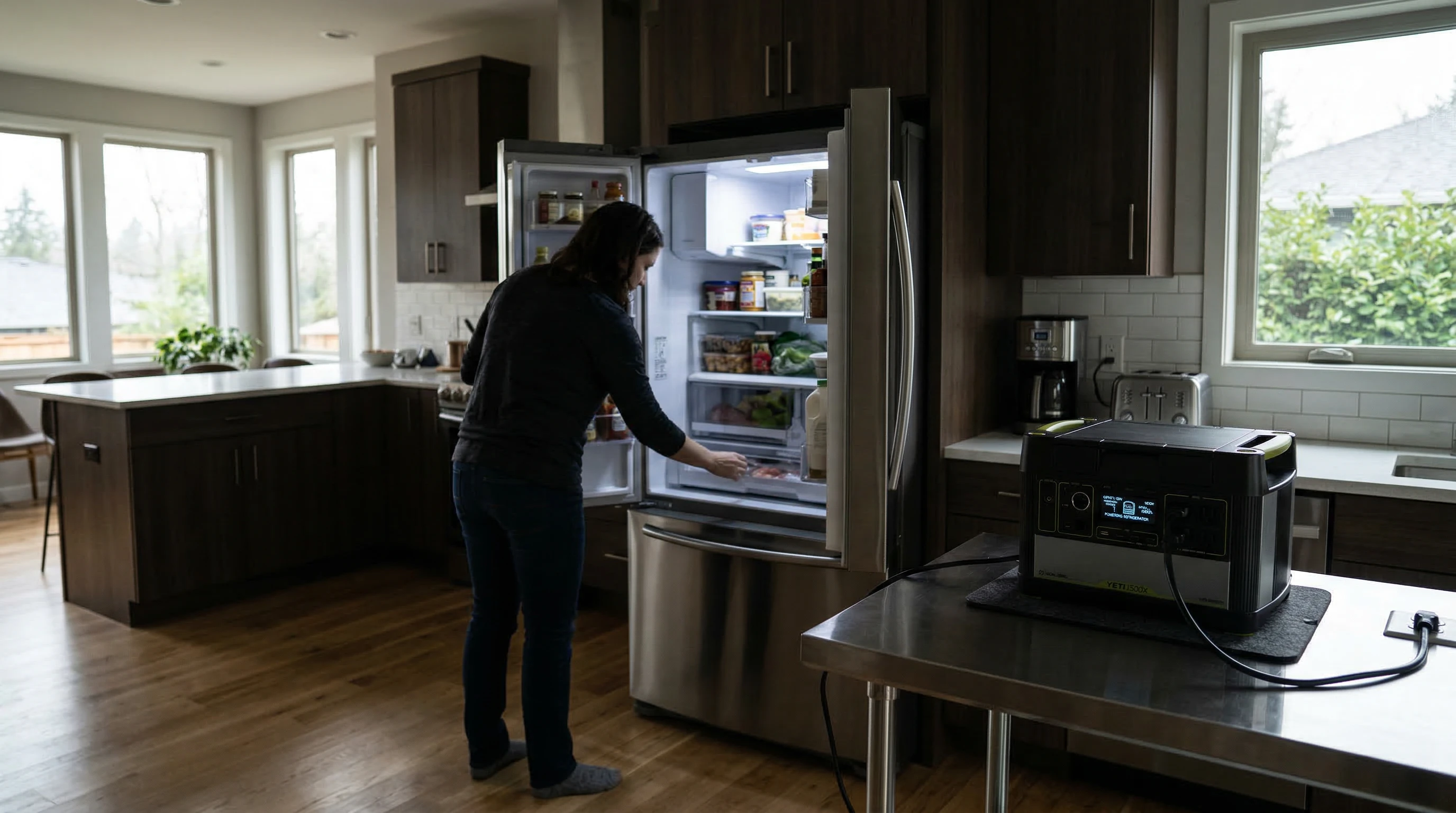
Can A Solar Generator Run A Refrigerator?
Most modern solar generators can power a refrigerator, especially with the right sizing and setup. A refrigerator isn’t the most power-hungry appliance in the house, but it does require reliable power to keep food cold and safe. I’ve found that the two key things you need to understand are the refrigerator’s running wattage and its startup surge.
Refrigerators have compressors that cycle on and off. When the compressor starts, there is a brief burst of energy needed, called a surge or starting wattage. After that, the fridge runs at a much lower power level—this is the running wattage. Startup surges can often be several times higher than the normal running watts, even if that spike only lasts a second or two.
Most portable or home backup solar generators can handle these short surges, as long as their inverter rating is high enough. The key is matching your fridge’s energy requirements to a solar generator that has enough surge and continuous power output to keep things running smoothly from compressor start to ongoing operation throughout the outage.
How Much Power Does A Refrigerator Use?
Getting a handle on your refrigerator’s power usage is the most important step before choosing a generator. Fridges use electricity in cycles, so the amount of energy they draw goes up and down depending on whether the compressor is running. Understanding both surge and running watts makes it easier to calculate battery requirements.
Below is a quick comparison table outlining the typical power needs for different refrigerator sizes. These numbers provide a good starting point for estimating your own model:ApplianceRunning WattsSurge WattsSmall fridge (mini/fridge/freezer combo)50–100 W300 WStandard fridge (top/bottom freezer)100–200 W600–1200 WLarge fridge (side by side, French door)200–400 W1200+ W
An average family fridge (about 18–21 cubic feet) usually draws about 120–220 watts while running, but when it starts up, that number jumps as the compressor cycles on. For older or larger models, or if your fridge has extra features like ice makers or digital screens, you may see even higher surge levels.
Check inside the fridge door or the back of your unit for your refrigerator’s actual wattage label. If wattage isn’t listed, multiply volts by amps from the label to get the number. For example, a 120V fridge that draws 1.5 amps uses 180 watts (120 x 1.5 = 180).
Daily energy use is measured in watt-hours (Wh) and depends on how long the compressor runs. Newer, more efficient fridges might only use 1,000–1,500 Wh per day, while older models could use twice that—particularly in hot weather or with a lot of door openings. For calculations, a safe estimate is about 1.2 kWh (1,200 Wh) per day for a typical 18 cubic foot fridge.
The compressor doesn’t run non-stop. Over a 24-hour period, it’s normal for the compressor to be active roughly 30–40% of the time. This cycling means your solar generator may last longer than you expect on a single charge, since it isn’t powering the fridge at full draw 24/7.
What Size Solar Generator Do You Need?
I always suggest starting with battery capacity when picking out a solar generator. Battery size is measured in watt-hours (Wh) and essentially tells you how much energy the generator can hold. The “right” size mostly depends on how many hours you want to keep your refrigerator running and how much energy it needs each hour.
Here are some typical size options for solar generators and what you can expect from them when backing up a refrigerator:
- 1000 Wh: Runs a mini fridge most of the day or a full-sized fridge for a few hours. Good for short outages, but may not get you through a lengthy blackout.
- 2000 Wh: Works well for running a standard household fridge for 12–24 hours, depending on efficiency and temperature. This is a comfortable option for most single-day outages.
- 3000+ Wh: Designed for longer outages, larger fridges, or homes where you need several days of backup without much sunlight. It’s also great if you want to run other appliances, not just a fridge.
Several solar generators let you add extra battery packs, bumping up your backup time considerably. You also want to check the inverter’s continuous and surge power rating. Make sure your generator can handle your refrigerator’s running and surge watts, and leave some margin to reduce the risk of an overloaded inverter.
So, if your refrigerator’s running power is 150W and surge is 800W, pick a solar generator with an inverter rated for at least 1000W continuous and 1200W peak. This covers your fridge’s needs, making it less likely to shut down mid-cycle.
How Long Will A Solar Generator Run A Refrigerator?
How long your fridge will keep running on solar power comes down to the generator’s battery size, the unit’s energy needs, and a few environmental factors. To estimate, just divide the generator’s usable capacity by the fridge’s average hourly consumption.
Here are some sample estimates for different setups:
- 1000 Wh Solar Generator: Will power a standard fridge (with average 100–150 watt draw while running) for about 6 to 10 hours, depending on compressor cycles and room temperature.
- 2000 Wh Solar Generator: Keeps a full-size refrigerator powered for roughly 12 to 20 hours. Newer fridges and careful use can sometimes stretch this to a full day or longer.
- 3000 Wh Solar Generator: Offers enough energy for at least a full 24 hours of regular fridge use, and sometimes more if you conserve.
If you can put up solar panels during the day, you might be able to recharge the generator while the fridge cycles. Solar panel size and good sunlight hours make a huge difference. Even a couple hundred watts of solar input can give your setup a crucial midday boost, stretching your backup time substantially.
The following factors make a difference to your results:
- Room temperature (fridges work harder in the heat)
- Frequency of fridge door openings
- How full your fridge is (packed fridges retain cold longer)
- Efficiency and age of your appliance
- How many other devices you’re running from the same generator
I suggest trying a test run under normal household use to figure out how your own fridge and generator behave. Doing this over a weekend lets you get comfortable with your backup plan before an emergency hits.
Generator Runtime (hours) = Battery Capacity (Wh) ÷ Average Refrigerator Power (W)
2000Wh battery ÷ 150W refrigerator ≈ 13 hours of runtime
Best Solar Generators For Running A Refrigerator
Some portable solar generators combine solid battery size, strong inverter output, and the capacity to expand. These models make good picks for powering a home refrigerator during blackouts:
- EcoFlow Delta Pro: High-capacity (3600 Wh), powerful inverter, modular design, and fast solar/AC charging. Easily runs most full-size fridges and freezers, and you can expand with extra batteries for longer outages.
- Bluetti AC200MAX: 2048 Wh standard (can be expanded), 2200W inverter, and a range of outlets. Great for single or double-door refrigerators and offers reliable performance.
- Jackery Explorer 2000 Plus: 2042 Wh capacity, 3000W peak power, and the ability to stack more batteries. Very handy for both kitchen fridges and spare garage units.
These are just examples—there are plenty of choices out there to match different needs and budgets. If you want more details or suggestions aimed at specific refrigerator models, check out my guide to the best solar generators for home backup.
Tips To Extend Refrigerator Runtime During A Power Outage
Want to keep your food safe and fresh for as long as possible during a blackout? Here are my go-to tips for squeezing the most out of every watt-hour your generator provides:
- Keep the fridge door closed except when necessary. Each opening means lost cold, and the compressor works harder to catch up afterward.
- Fill empty spaces in your fridge and freezer with cold water bottles or frozen packs. This gives thermal mass, so the inside stays cold longer and the compressor cycles less often.
- Set your fridge and freezer to their lowest safe settings a few hours before an anticipated outage, getting the interior extra cold ahead of time.
- Group your food items together inside to minimize whatever warms up. Packed items help each other stay cool longer.
- Turn off or unplug non-essentials connected to the same generator. Focus your backup energy where it matters most—on the fridge.
- Use every bit of sunlight to recharge your generator with as many solar panels as you can reasonably install. Sun-driven backup can stretch runtime considerably.
These simple moves can really stretch your solar generator’s effective runtime, helping your fridge keep food safe until power comes back.
Solar Generator vs Gas Generator For Refrigerators
When planning for refrigerator backup power, many homeowners weigh solar generators against traditional gas-powered models. Here’s how they compare in real-world use:
- Noise: Solar generators are super quiet, making them ideal for nighttime use or apartment living. Gas generators are much louder and could disturb you or your neighbors, especially after dark or in close-living situations.
- Indoor Safety: Solar generators can safely run inside your home without concerns about fumes. Gas generators must stay outside since they create dangerous exhaust gases.
- Maintenance: Solar generators need almost no routine work, just an occasional check of battery charge and clean panels. Gas generators demand more attention: oil changes, fuel treatments, and periodic start-ups to guarantee reliable operation.
- Convenience: As long as there’s sunlight, solar setups recharge automatically—no refueling or manual starting required. Gas generators mean storing fuel and regularly checking supplies, plus dealing with engine starts.
If frequent outages are the issue, a solar generator is a smart choice for silent, clean, fuss-free fridge backup. But in scenarios where outages drag on for days and sunlight can’t be guaranteed (such as after severe storms), keeping both solar and gas options on hand adds peace of mind and flexibility.
Is It Better To Use A Solar Generator Or Battery Backup For A Refrigerator?
In most homes, portable solar generators already include a battery backup system inside the unit. This means they work as both an energy storage system and a power inverter.
Compared to traditional battery backups, solar generators are easier to use because they include:
- built-in inverters
- multiple outlets
- solar charging capability
- portable designs
For refrigerator backup during outages, a solar generator is usually the simplest and most flexible solution.
Frequently Asked Questions
Here are answers to some practical questions I regularly get about using solar generators with refrigerators.
Can a 1000W solar generator run a refrigerator?
A 1000W solar generator (referring to inverter output) can handle the startup surge for many standard refrigerators, if the battery is big enough. Most models with a 1000–1200Wh battery will give you about 6–10 hours of runtime for a typical fridge.
How long can a solar generator power a fridge?
The answer depends on the generator’s battery size, your fridge’s draw, and usage habits. As a general rule, plan for about 10 hours per 1000Wh of usable capacity with a standard fridge. Careful use and a reliable solar supply can stretch this much further.
Do refrigerators use a lot of electricity?
Refrigerators are fairly high on the home energy list, but today’s units are much more efficient than those from a decade ago. A modern family fridge might use 1,000–1,500 Wh per day, but older or bigger models (especially with constant door openings and warm climates) can use much more.
What size battery backup do I need?
For at least 24 hours of fridge backup, I recommend a 2,000Wh (2kWh) battery as a solid starting point for one full-sized fridge, along with a 1200W or higher inverter to safely handle surges. Plan for a larger system if you want to run additional appliances, or add extra batteries as needed.
If you want guidance on the best choices to power a refrigerator during outages, check out my guide to the best solar generators for home backup.