
Buying a solar generator might sound easy at first, but I’ve watched plenty of people make costly mistakes and end up stuck with a system that just doesn’t deliver. Most problems aren’t because of faulty gear. The main challenge is picking the wrong setup or missing crucial steps during planning or installation.
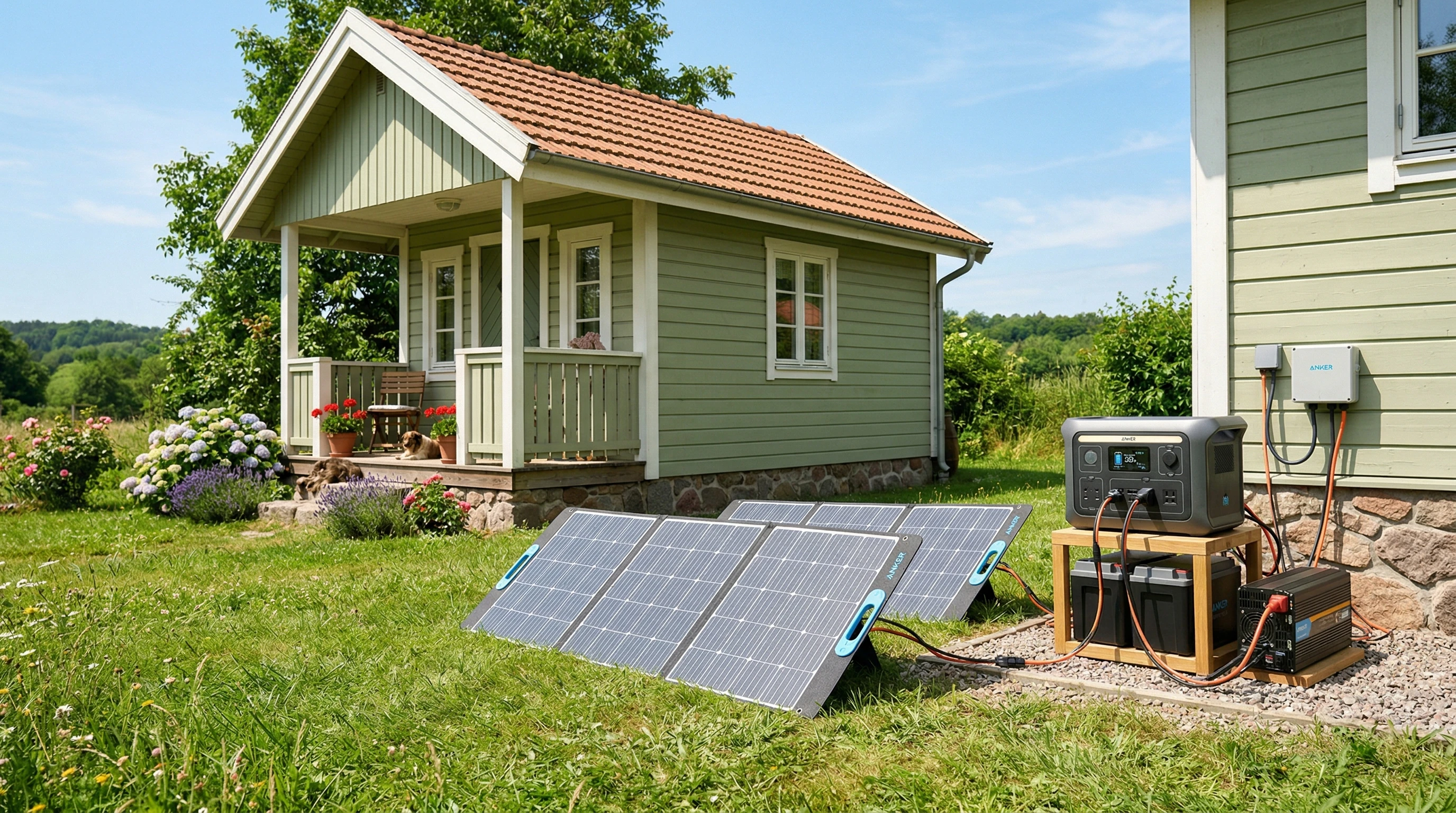
Why Solar Generator Mistakes Matter More Than Ever in 2026
Interest in solar generators has boomed by 2026. More people are looking to avoid grid outages, cut electric bills, and use clean energy. The solar generator market has taken major leaps, with more options than ever before. With all these choices, picking the right one can get confusing fast. I’ve seen a lot of buyers regret rushing or overlooking some really important steps. When you know what to look out for, you’ll not only save money—you’ll have reliable backup power right when you need it.
If you’re new to solar generators or planning a smart upgrade, these mistakes—and the tips for dodging them—can help your investment go much further.
Quick Solar Generator Buying Checklist
- battery size (Wh)
- output power (W)
- surge rating
- charging speed
-
expandability
7 Common Solar Generator Mistakes (and How to Avoid Them in 2026)
Mistake #1: Misjudging Your Power Needs
Choosing a solar generator that’s too small is the main issue I see. Many people just look at the advertised wattage or believe any model will handle basic needs. But when a blackout hits, they discover their system runs down fast or won’t even turn on larger appliances.
How to Avoid: Make a complete list of appliances and devices you want to run. Write down their power usage (in watts) and estimate how many hours each will be running. Multiply each device’s wattage by its run time, then total it up for your daily watt-hour need. It’s wise to add a 20–30% buffer. Many major brands now provide free sizing tools that make this step super easy. If you’re prepping for emergencies, think hard about what’s truly essential for two or three days without power.
Not sure how much power you actually need?
👉 Compare the best solar generators for home backup here before you choose
Mistake #2: Ignoring Appliance Surge Power
Some appliances, especially the ones with motors (think refrigerators, sump pumps, or AC units), draw a lot more power at startup than when running. If your solar generator can’t handle these brief bursts, it might trip safety systems or just refuse to start those devices.
How to Avoid: Always check both the continuous (running) wattage and the surge rating for any generator you consider. Look up your main appliances’ surge wattage and add it to your totals. If you’re not sure, most brands put this info in their specs. A quick call or chat with customer support can answer any questions before you click ‘buy.’
Mistake #3: Overcomplicating or Overpaying for Features You Don’t Need
If you’re mostly seeking reliable, simple backup, there’s no reason to spring for a fancy allinone expandable model with features you’ll never use. I see plenty of people pay extra for smart home integration, premium wheels, or expansion ports, then never use them.
How to Avoid: Stick to features you’ll actually use. For instance, if your main goal is keeping your CPAP or refrigerator working, a top tier expandable system may be overkill. But if you’re thinking about adding on later, stackable or modular models could make sense. Being honest about your use case can save hundreds or even thousands of dollars.
Mistake #4: Expecting Fast Solar Charging in All Weather
Solar charging speeds vary a lot based on your location and time of year. Even topquality solar panels slow down on cloudy days, during winter months, or if shadows creep across them.
How to Avoid: Make sure your solar generator lets you supplement with AC wall charging or a car outlet if solar falls short. I always check both the maximum solar input and the AC charging speed before choosing a model. Look for ones that support expandables or quick charging; topping up fast is a lifesaver if your area has unpredictable weather.
👉 Check solar generators with fast charging and high solar input here
Mistake #5: Not Preparing for Multiday Outages
Lots of people plan for short power cuts but get caught off guard by weather events or rolling blackouts that last days. If you lack enough batteries or a way to recharge, even the best generator will run empty.
How to Avoid: Plan for the longest outage you could realistically face. That could mean a bigger battery, more panels, or a generator with add on battery packs. When building my own setup, I always plan for at least 4872 hours of critical device use and doublecheck recharge times.
👉 Explore high-capacity solar generators built for long outages here
Mistake #6: Underestimating Weight and Portability
Solar generators can be heavy, especially those with big batteries or built in wheels. If you’ll need to move your generator around, bring it camping, or pack it in the car, weight really matters. I know plenty of people who get a system home and realize they can barely lift it alone.
How to Avoid: Always check the weight—including batteries and any panel accessories. If portability is key, seek models under 40 pounds or those with wheels and big handles. Some brands now make generators designed specifically for RVs or outdoors, which are far easier to move. The bottom line: the most powerful generator won’t help if moving it is a pain every time you lose power.
Mistake #7: Skipping a RealWorld Test Run
Many folks buy a solar generator and leave it boxed up until an emergency comes. When it’s finally time to use it, they fumble with connectors or find something doesn’t work as planned. I’ve heard stories where families only realize their fridge needs more power—or that the generator won’t last overnight—after the power’s already gone.
How to Avoid: Set up your solar generator and run a “full test” with your important devices long before you need it in a real event. I like keeping a checklist of steps, cables, and plug types so I can set things up quickly. Doing a practice run helps you spot problems and lets everyone at home learn how to use the system safely.
Key Things to Consider Before Buying a Solar Generator
I’ve realized that focusing just on the main risks isn’t enough. There are several small but crucial details often overlooked that can really affect everyday use.
- Battery Chemistry and Lifespan: Many of today’s generators use LiFePO4 (lithium iron phosphate) batteries, which hold up for thousands of cycles and work better in heat and cold alike. Check the cycle count and plan ahead for expansion or replacement.
- Solar Panel Compatibility: Not all panels play nice with every generator. Always doublecheck connectors, voltage specs, and watt limits before purchasing extra panels or accessories.
- Safe Installation and Ventilation: Even without fumes, solar generators need airflow to cool down. Place your generator somewhere dry, ventilated, and away from direct rain or snow.
- Noise Level and Indoor Use: Some generators use fans for cooling, which can get noisy. If silent operation is needed, shop for models with fanless or quiet features.
- Warranty and Support: Review warranty terms and support options. Good coverage and quick help during emergencies are crucial, especially if relying on your generator for medical or home office use.
If you want to compare real models with these features:
👉 See top-rated solar generators here
Tips for Getting the Most from Your Solar Generator in 2026
If you want your backup system to go the distance, taking care of it matters. Here are some smart habits:
- Recharge Regularly: Even the best batteries lose their edge if left sitting empty. Keep your generator topped off, and check it every month or two if not using it regularly.
- Protect From Extreme Temperatures: Both heat and the cold can damage battery life. Store someplace temperate if you can, or find models built for tough temperature swings.
- Update Firmware and Apps: Many 2026 units have WiFi or Bluetooth for new features and bug fixes. Keep firmware updated at least twice a year for best results.
- Practice Safe Cable Management: Tidy wires and extension cords. Use solid surge protectors for sensitive electronics and spread out heavy loads.
Frequently Asked Questions
What is the most common mistake people make with solar generators?
Most buyers pick a generator that’s too small for their needs. They underestimate how much power essentials like refrigerators require and end up short in a blackout.
Should I buy a bigger solar generator than I need?
Going a bit bigger gives you flexibility and peace of mind. Added capacity helps you avoid disaster when outages drag on. Just make sure you’re not getting something so big it becomes tough to move or too expensive.
How well do solar generators charge on cloudy days?
They’ll still charge, but at a slower rate. Efficiency drops with less sunlight, so it’s smart to supplement with AC or car charging, and add extra panels if you’re in a cloudy spot.
Can I expand my solar generator later?
Some allow for added batteries or more panels, but not all do. If you see your power needs growing, check this before buying.
Do I need professional help to set up a solar generator?
Most portable models are pretty plug and play. You can do it yourself with minimal technical knowhow. For wholehome transfer switches or roofmounted panels, it’s wise to call a pro for safety and insurance reasons.
RealWorld Uses for Solar Generators
I’ve put solar generators to work in all sorts of scenarios—keeping medical equipment running, saving food during outages, powering campsites, tailgates, and working at remote sites. Knowing your intended use is key to getting it right.
- Emergency Home Backup: Keep lights, communication, and basic appliances on when storms or the grid knock power out.
- Outdoor Adventures: They’re great for camping, boating, or cabins—delivering silent, clean power far from civilization.
- Mobile Work or Events: Run laptops, tools, audio gear, or fans at construction sites, pop up studios, or backyard gatherings.
Your experience might differ, so I always suggest mapping out what you want to run and practicing with your setup at least once or twice a year beforehand.
Avoid These Mistakes and Pick a Solar Generator With Confidence
Avoiding these mistakes can save you money, stress, and frustration when the next outage hits.
If you want to choose a solar generator that actually works for your needs:
👉 Check the best solar generators for home backup here and compare top models