
Some of the links on this page are affiliate links, which means I may earn a small commission if you make a purchase through them, at no extra cost to you. This helps support the site and allows me to continue creating helpful content.
Keeping your freezer powered during a blackout can mean the difference between saving months’ worth of food and dealing with a big mess and wasted money. Choosing the right solar generator for a freezer isn’t just about battery size—it’s about handling surge power, runtime, and real-world conditions during outages. Freezers usually store more food than refrigerators, and while they hold cold longer, extended power cuts can still lead to spoilage. Based on real-world use, off-grid setups, and extended outages, the right solar generator can make freezer backup simple and reliable.
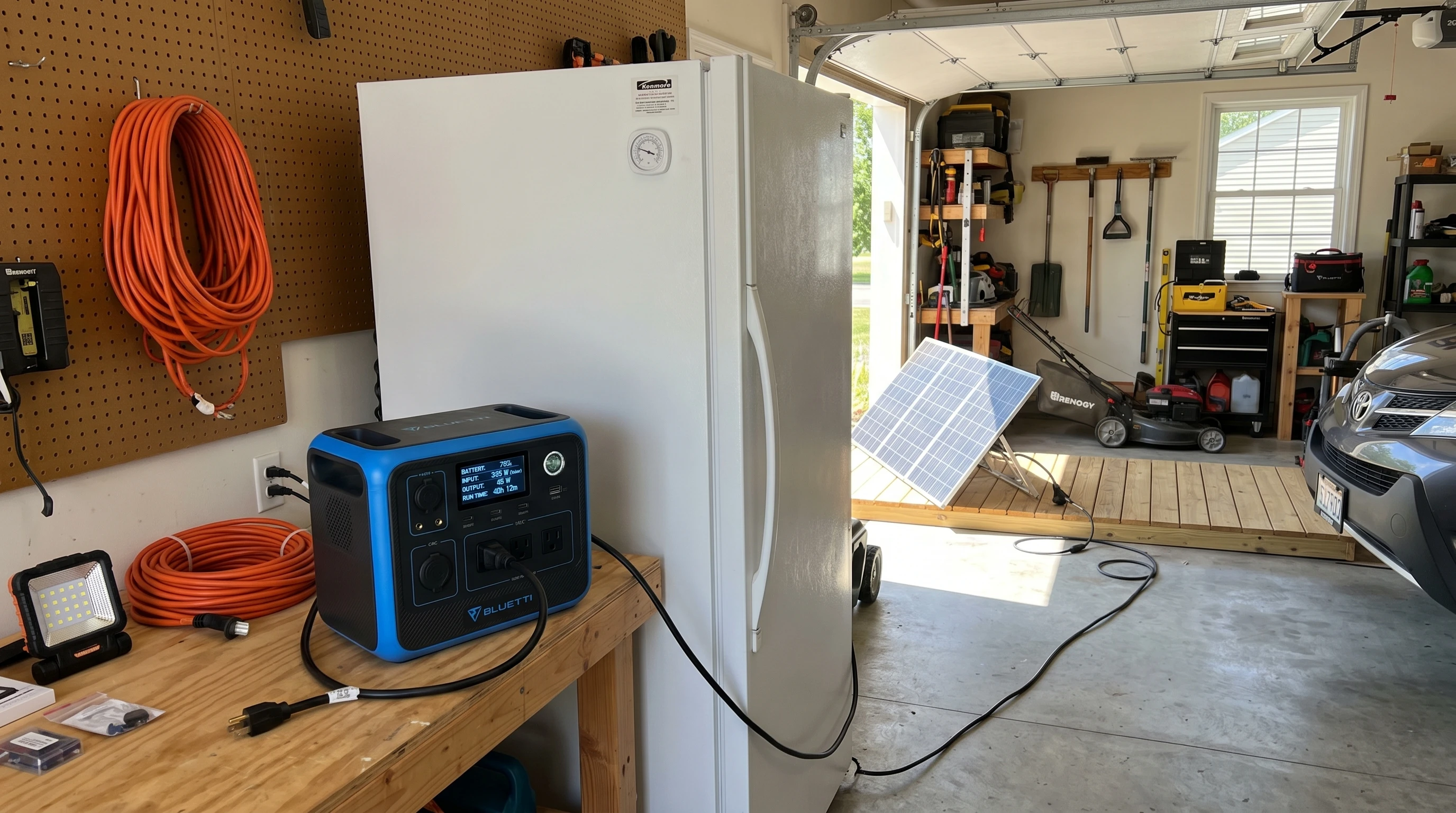
Can a Solar Generator Really Power a Freezer?
Yes, a solar generator can run a freezer, but not just any model will do the job. You need enough battery capacity to get through the outage and enough power for the freezer’s compressor, especially during its first few seconds when the power demand jumps. I often see people buy solar generators made for charging phones and laptops, then get frustrated when their freezer won’t start on backup.
Most home freezers use between 100 and 250 watts while running and need anywhere from 1000 to 2000 watts for the initial surge. Those short bursts are what trip many small generators. If the generator can’t meet the surge demand, the freezer compressor won’t even turn on.
Key Features to Look For in a Solar Generator for Freezers
Picking the right solar generator means matching the device’s specifications to your freezer’s actual needs. I always start with these areas when helping someone set up their backup:
- Battery Capacity (Watt-hours): A small solar generator (1000–1500Wh) can cover a few hours, but for fullday or overnight use, 2000Wh or more offers a lot more peace of mind. In my house, running a large chest freezer during an overnight blackout often draws down a 2000Wh solar generator by about half, so larger is almost always better for serious outages.
- Inverter Power (Continuous Output Rating): Freezers need at least 1000W output, but I recommend 1500W or more for modern upright or highefficiency chest models. This matters for keeping the compressor running, even when it cycles on and off through the day.
- Surge or Peak Watts: For startup, the inverter needs to handle 2000W or more, because that’s often what triggers issues with budget models. If the label says only 1500W surge, skip it for freezer use.
- Solar Input: Look for solar input of 400W or higher if you plan on keeping the freezer powered for days. More solar means quicker recharge, especially when the sun is weak or you have only a brief opportunity to charge.
- Reliable, Clear Display: When I’m using a solar generator for emergencies, being able to easily see remaining battery percentage, realtime power draw, and estimated runtime helps me make good decisions on the fly.
How to Size Your Generator (and Why People Get It Wrong)
Sizing for a freezer means picking a generator that not only runs the appliance for eight hours but also survives the startup surge. Carefully check your freezer’s spec sheet, and look for both running and starting watts. If your freezer is 120W running and 1400W starting, you’ll want at least 1500W output and a 2000W surge rating to be safe. I use a power meter for actual measurements at home because real numbers often differ from what’s on the sticker.
If you’re unsure, check my full guide on how much solar generator power you really need, where I share simple calculation methods using real appliances and examples from other homeowners facing different outage lengths and freezer sizes. Taking the time to measure or estimate your actual power consumption can save you money and stress during a long blackout.
Solar Generators That Work With Freezers (2026 Picks)
I’ve tested and tracked several models personally and in off-grid communities. These are the units I trust for reliable freezer backup. To help you make the best choice, I also checked owner reviews and performance tests by thirdparty users in both urban and rural settings. Let’s get into the top options that provide the best balance of power, reliability, and value in 2026.
EcoFlow Delta 2 – My Top Pick for Most Homes
This model stands out for its fast charging and balanced size. I use the Delta 2 in my own home for backup, and it never fails to start my upright freezer. The 1024Wh standard battery is expandable, and the 1800W output/2700W surge easily covers all major residential freezers. Its app interface also helps track performance over longer outages, so you can tweak usage on the fly for maximum food safety.
Key features:
- 1024Wh battery (expandable with extra units)
- 1800W continuous, 2700W surge
- Recharges up to 80% in about an hour with AC
- App lets you check stats from your phone or tablet
- Portable, but sturdy enough for garage or basement use
👉 Check latest EcoFlow Delta 2 price and real user reviews here
Bluetti AC200MAX – Best for Long Outages
If your main concern is running a freezer for two days or more, the Bluetti AC200MAX brings serious capacity, with 2048Wh out of the box and fully expandable options. It’s bulkier, but worth it for longer blackouts or large freezers where losing food would be costly. The robust inverter lets you run additional essentials like lights or communications without fear of overloading.
Key features:
- 2048Wh battery, modular expansion options for larger setups
- 2200W output with 4800W surge
- 900W solar input for fast offgrid charging
- Works well with cabins, large homes, and full emergency backup plans
See Bluetti AC200MAX deals here.
ALLPOWERS S1500 – Best on a Budget
For shorter outages or smaller freezers, the ALLPOWERS S1500 can do the job at a reasonable price. I’ve lent this model to friends for weekend use, and it’s light enough for easy transport while still handling a 1500W load and a 3000W surge. Its compact build and simple display make it a good entry choice when you want backup but don’t have lots of space or cash.
Key features:
- 1092Wh battery
- 1500W output, 3000W surge
- Good for shortterm or small freezer use, or backup during planned outages
- Portable and easy to store when not needed
Check ALLPOWERS S1500 pricing here.
Jackery Explorer 1000 Plus – Most Portable Option
If you need to move the generator often or travel between sites, the Explorer 1000 Plus from Jackery makes a strong case. It’s lightweight, expandable, and very easy to operate even in a dark garage or RV bay. Builtin lights and simple controls reduce stress during actual emergencies, so you aren’t fumbling around when you need it most.
Key features:
- 1264Wh starting capacity, expandable with extra batteries
- Quiet operation and easycarry design for mobile users
- Clean, friendly interface for travel, emergency, or offgrid use
Check Jackery Explorer 1000 Plus here.
How Long Can a Solar Generator Run a Freezer?
Actual runtime depends on the freezer’s efficiency, room temperature, and whether you open the door a lot. In my experience, a 1000Wh solar generator usually runs a midsize freezer for about 6 to 12 hours, if you’re careful. A 2000Wh setup runs 12 to 24 hours, and with solar input and clear skies, you can run a freezer indefinitely if you balance charging and usage well.
- Freezer is full and door stays closed: expect 20 to 24 hours from 2000Wh models.
- Freezer half full and opened: expect 12 to 16 hours from 2000Wh units.
- Added solar panels (400W and up): allows for daily recharge and more independence.
What Affects Freezer Runtime on a Solar Generator?
- Freezer age and model (new Energy Star units last much longer on the same battery)
- Outside temperature and how hot it gets in the storage space
- How often you open the freezer (each opening lets out cold air)
- Using other appliances on the same generator (splitting capacity means shorter freezer runtime)
- Amount of solar charging (if any) during the day
Frequent Mistakes When Using Solar Generators for Freezers
- Undersizing the battery, so always check total watthours vs. real freezer needs
- Forgetting about surge power and only checking running wattage
- Not having enough solar input for multiday blackouts
- Adding too many devices to the generator, which drains the battery too quickly
- Not testing the setup before an emergency, leading to surprises when you most need power
Want to avoid these mistakes?
Check my complete solar generator mistakes guide here for a stepbystep list from my own trialanderror, including tips for safe wiring and weatherproofing your outdoor solar panels during storms.
Freezer vs Refrigerator – What’s Different for Backup Power?
Based on my testing, freezers have some advantages during blackouts. They typically don’t run as often as fridges, and a full chest freezer can stay cold for many hours if the door stays closed. But they do need more surge power to get started, which means you need an inverter that’s up to the task. If you only check the running wattage, you might get caught out during the critical first few seconds when power demand peaks and the compressor kicks in.
- Freezers = better power efficiency if kept closed during outages
- Require a strong inverter for those high startup loads that fridges usually don’t demand
- Hold food safer for longer than refrigerators in general (full freezers last much longer before spoiling)
If you’re also planning to power a fridge at the same time, read my full guide on what size solar generator you need to run a refrigerator. Combining appliances requires extra planning for both power and battery size, especially if you want peace of mind during longer emergencies.
My RealWorld Freezer Backup Tips
- Keep the freezer full or add bags of ice to fill space. Less open air means slower warming and longer cold times
- Leave the door shut unless absolutely necessary. Each opening dumps cold air and wastes battery
- If you need to stretch limited battery, run the freezer in cycles: 2 to 3 hours on, 1 to 2 hours off, checking internal temps with a standalone freezer thermometer
- Add external solar panels and recharge whenever there’s sun, even if power isn’t out yet
- Have a plan for which foods to use first if the outage gets long. Organized freezers make this easier and reduce food waste
- Label and date frozen items so you can quickly spot highpriority foods when you need them most
I’ve used these tricks with everything from small apartment chest freezers to large upright freezers in rural homes, and they really make a difference in keeping your food safe and your battery going longer. Long outages become a lot less stressful with backup plans, a well-packed freezer, and a reliable solar generator standing by with regular maintenance checks.
Who Should Consider a Solar Generator Freezer Setup?
- Homeowners with full freezers (hunters, large families, or meal preppers)
- Offgrid cabins and tiny homes
- Anyone serious about emergency preparedness and food security, especially in stormprone regions
- RV and cabin users who want backup for trips or locations without grid power, or people living remote from utility lines
Even if your home isn’t in a risky location right now, electricity outages can happen anywhere. A solar generator setup gives you peace of mind, reduces food waste, and levels up your resilience year-round.
Frequently Asked Questions
Here are some common questions I often get about using solar generators for freezers. If you have more, feel free to ask in the comments, and I’ll keep this list updated!
Can I run both a freezer and refrigerator on one solar generator?
If your generator is large enough (at least 2500 to 3000Wh and 1800W output or higher), you can, but track your total wattage closely. Most people will get better results and longer runtime with separate setups. Doublecheck your startup surges to avoid tripping the inverter unexpectedly.
What kind of extension cord should I use?
Use a heavyduty, outdoor rated extension cord (generally 14 gauge or lower is safest for freezers) and keep runs as short as possible to avoid voltage drop. Tape down cords indoors to prevent tripping hazards, especially in panic situations during a storm or dark household outage.
Will it hurt my freezer to run it on solar power?
No, if your inverter is pure sine wave (which all major solar generators now are) and meets surge needs, your freezer is safe. Avoid older modified sine wave inverters, which can damage compressors over time. Always check your freezer manual if you’re unsure, or reach out to the appliance maker to confirm compatibility just to be safe.
What if it’s cloudy for days and my generator can’t fully recharge?
You may need to cycle the freezer (run intermittently), use extra ice packs, or prioritize highvalue foods. Having backup propane or a second battery can also help if you’re in a highrisk area. Planning ahead with multiple charging options (car, wall, solar) gives the best flexibility and peace of mind.
Ready to Keep Your Freezer Running?
👉 Want to keep your freezer running during the next blackout without stress?
Compare the best solar generators for freezers (with real specs, pricing, and user feedback) here before you buy.
By planning ahead, you’ll be able to save food, ease stress, and ensure your home stays prepared for whatever nature throws your way.