
Some of the links on this page are affiliate links, which means I may earn a small commission if you make a purchase through them, at no extra cost to you. This helps support the site and allows me to continue creating helpful content.
If you’re serious about lowering your power bills or want to work toward energy independence, midsize home wind turbines in the 5kW to 10kW range might look like a strong option. Systems in this size can provide enough power for an average household, sometimes even covering all needs if the wind is right. But going bigger with wind isn’t just about buying a kit online and setting it up in the backyard. These installations take planning, professional help, and a real investment. I’ll walk you through what these turbines actually are, what’s involved in getting one, and what you can expect to pay. I’ll also cover some real alternatives, including budget options you can buy online.
Understanding Midsize Home Wind Turbines: What They Offer
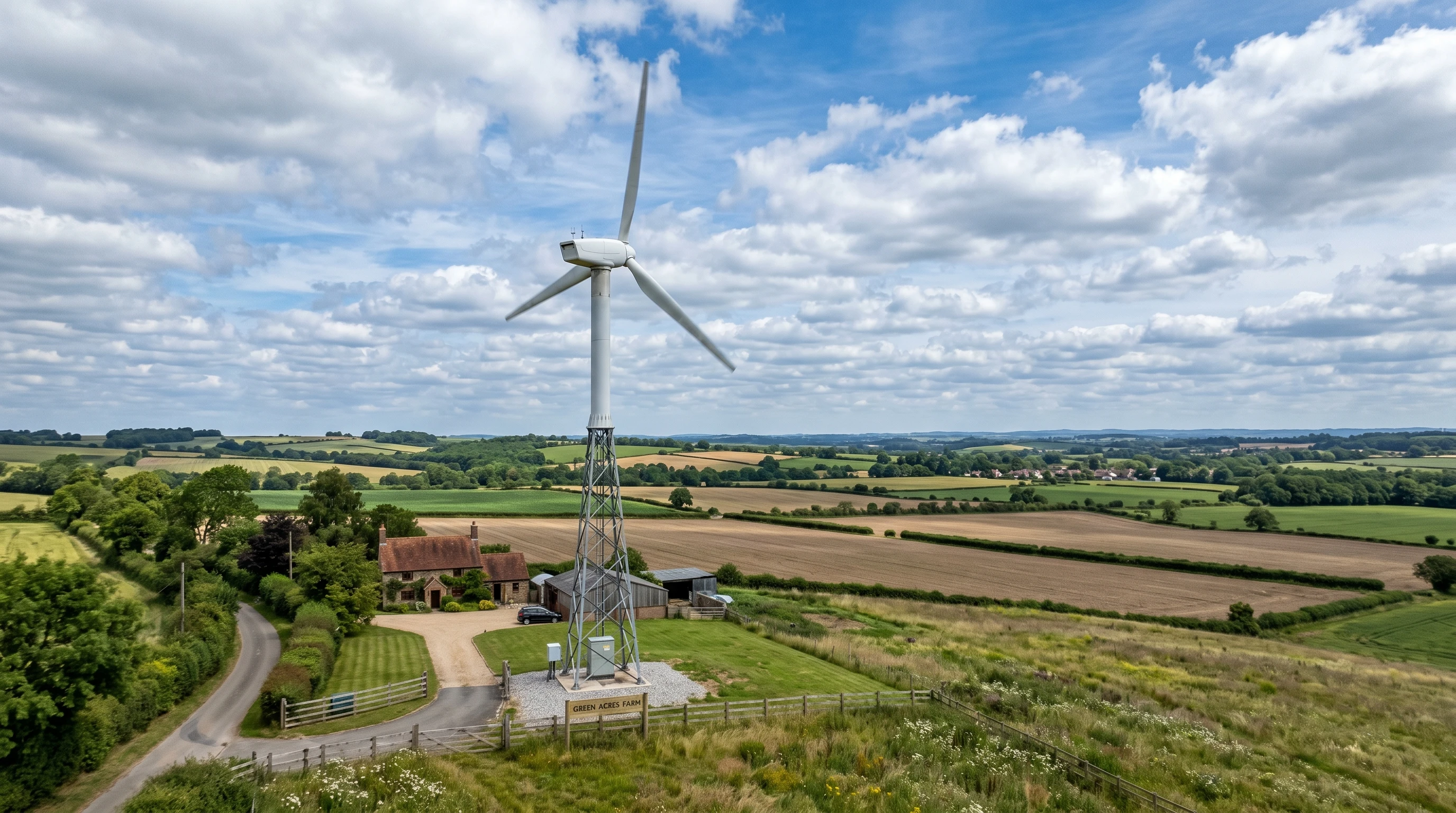
Wind turbines in the 5kW to 10kW size range are built to generate a good chunk of the average U.S. household’s electricity. At steady wind speeds around 10 to 12 mph, a 10kW turbine can make anywhere from 10,000 to 15,000 kWh per year. That covers most or sometimes all of what a typical family home needs, depending on usage and how windy your location is.
I’ve seen these systems used on rural properties, larger estates, and off-grid homes. They’re designed to handle a bigger load than the typical 400W or 1,000W turbines you’ll see on Amazon. When properly installed in a spot with good wind, they can slash power bills or let you disconnect from the grid completely. The taller towers they need (60 to 120 feet is common) help them catch smoother, stronger winds above obstacles and turbulence from trees or buildings.
If you’ve ever wondered what kind of property works for these turbines, think outside the box. Midsize wind is frequently seen on farms, ranches, and rural plots with open land. The installation demand means homes tucked behind hills or surrounded by trees won’t get the best result, but if you’ve got space and steady wind, a turbine of this size can be a game changer for energy savings.
The Realities Behind Getting a Midsize Wind Turbine
The idea of putting up a big wind turbine at home sounds appealing, but the actual process is more involved than many people realize. You can’t just buy a 5kW or 10kW system and expect it to be a backyard DIY project. The main steps usually include:
- Site Assessment: Measuring wind resources on your property over months for accuracy. This key step makes the difference between a solid investment and a disappointment.
- Permitting and Zoning: Getting local approval, which might have rules about height, setback, or appearance. Laws may require visual impact studies or notification of neighbors as well.
- Grid Connection: Coordinating with your electric utility, especially if you want to sell extra energy back to the grid.
- Tower and Foundation Installation: Raising a tall tower (often 60 to 120 feet) with a deep concrete base for stability.
- Professional Assembly: Certified installers are usually required for both warranty protection and compliance with local codes.
I’ve talked with homeowners who found that the full installed price of a quality midsize system is usually $25,000 to $70,000. That range depends on tower height, location, permitting, grid connection, and how tricky the site is. For reference, the U.S. Department of Energy tracks average installed costs for residential wind at around $6,000 to $9,000 per installed kilowatt in recent years.
It’s important to remember that this process doesn’t move overnight. From wind assessment to permitting and foundation pouring, expect several months from the day you begin to the day your system first spins up. But with proper prep, you’ll have a set-and-forget source of electricity for the long haul.
Midsize Wind Turbine Brands and Options
If you want a “real” midsize home wind turbine, you’ll likely end up working with a regional dealer or installer. Most reputable makers don’t sell direct to individuals on storefronts like Amazon. Some of the popular brands I trust and see used in real-world installations include:
- Bergey Windpower: The Excel series (Excel 6 and Excel 10) is widely used in North America and known for dependability.
- Eocycle: Focused on higher-end and commercialgrade systems with models starting at 10kW.
- Kestrel Wind Turbines: Known in Africa and some markets for affordable, robust designs.
- Windspire: Offers unique vertical axis models but mostly aimed at schools and public sites.
With these systems, buyers don’t just get a turbine but also site surveys, foundation work, and longterm service. Most installers will require at least a wind assessment and a home visit before sharing a quote. It feels more like buying a furnace or a home generator than a solar panel kit.
Working with a professional also means you’ll have someone to call if issues ever arise. Ongoing monitoring and support can make the difference between a system that works for decades and one that falls short after the first storm.
Typical Costs: What Does a 5kW or 10kW Wind Turbine Really Cost?
When budgeting for a midsize wind turbine, it’s best to look at the full installed price, not just the cost of the head unit. Here’s where money usually goes:
- Equipment (turbine, blades, controller, inverter)
- Tower and foundation hardware
- Electrical integration and wiring
- Permits and inspections
- Professional labor and crane work
- Aftercare service and warranty support
For a basic fixed blade 5kW unit, expect a full system cost of roughly $25,000 to $45,000 before incentives. A 10kW system runs more like $45,000 to $70,000 installed. Costs can move up or down depending on your specific location, tower height, and any gridtied extras. Wind incentives from local or state programs can lower this bill in some areas.
Many companies will handle long term maintenance or troubleshoot issues for an annual fee. Homeowners considering midsize wind should understand that professional installation and support are almost always required. There are only rare exceptions for those with deep technical or construction experience, and even then, permitting and safety are serious topics.
Consider also the insurance implications. Many insurers require notification for structures taller than a typical building, and your premium may go up slightly. Factoring in these extras ensures your cost estimate is accurate and your investment is protected.
Budgetfriendly Wind Turbine Kits: Online Alternatives
If taking on a fivefigure project and dealing with permits is out of reach right now, there are smaller turbines and kits you can buy online.
These turbines are not designed to power a full home like a true 5kW–10kW system.
However, they are widely used as entry-level solutions to:
• test real wind conditions
• support off-grid setups
• reduce energy usage in small systems
For many homeowners, starting with a smaller system is the safest way to validate wind potential before investing $25,000+.
👉 See the best-reviewed small wind turbine kits available on Amazon here.
Pikasola 1500W Wind Turbine Generator Kit
This kit comes with a charge controller and is suitable for off-grid use or hybrid solar/wind applications. At 1,500W peak, it’s enough to supplement batteries for small loads or lighting systems. It’s relatively light and easy to mount on a short pole compared to commercial systems, and ideal for people wanting a gentle introduction to wind energy.
Happybuy Wind Turbine Kit 1000W
A more basic budget entry, this 1kW turbine is aimed at small offgrid systems and hobbyists. Easy to install with a short tower or mast, but it won’t power a full house. This kit can work well for running DC lighting, small pumps, or as a way to experiment before stepping up to a bigger system.
IstaBreeze i2000 2000W Wind Generator
A strong performer among doityourself kits, this 2kW unit can help test medium wind conditions or serve as backup power for a shed or boat. Some users install several to boost output. Its compact form makes it relatively simple to maintain and it can withstand fairly gusty conditions for a kit at this price point.
Comparison Table: Online Wind Turbine Kit Options
| Model | Power | Type | Best For |
|---|---|---|---|
| Pikasola Kit | 1500W | Horizontal | Hybrid systems, off-grid cabins |
| Happybuy Kit | 1000W | Horizontal | Small off-grid use, testing |
| IstaBreeze i2000 | 2000W | Horizontal | Medium off-grid kits, boats or sheds |
Tip: These kits are not substitutes for a full 5kW to 10kW wind installation, but can help you gauge wind conditions or get started with wind energy without a big financial risk.
👉 Compare top-rated wind turbine kits and check latest prices here.
Is a Midsize Wind Turbine Right for You?
I often recommend midsize wind turbines for:
- Rural homes with at least an acre or two of open, obstaclefree land
- Areas with annual average winds of 10 mph or more at 60 feet above ground
- Families or businesses planning to lower their energy bills long term
- People interested in offgrid or hybrid solar/wind setups
If your property has steady winds and enough open space for a tall tower, the longterm savings and backup power potential can be worth it. Financial payback often takes 10 to 20 years, but rising energy prices can shorten that window. Some owners just like the satisfaction of making their own power or having energy security during outages.
It’s also worth considering if you want increased resilience for remote properties. Wind can power water pumps, electric fences, or refrigeration on farms even when storms knock out the main grid.
👉 Compare wind vs solar for homeowners before making a final decision.
Who Should Avoid Midsize Wind?
There are situations where a midsize wind system probably doesn’t make sense. Based on what I’ve seen, these systems are not a great fit for:
- Urban and suburban properties with small lots or restrictive zoning
- Locations with low average wind speeds (below 9 mph at 60 feet)
- Homes close to tall trees, hills, or obstructions
- Those wanting a quick, cheap renewable project
- Anyone uncomfortable with bigger construction, maintenance, and permitting steps
Smaller wind kits or even a solar panel setup may be a better entry point if you’re not ready for a big investment or don’t have the right site. Noise and visual impact can also be a concern for some neighbors, especially in residential areas. You should check in with your municipality or homeowners association since some places restrict tower heights or appearances.
RealWorld Experience: What I’ve Learned
Over the years, I’ve helped homeowners compare wind projects and actually walked properties to test wind speeds. The biggest surprise for most people is just how sitedependent wind power is. Even a property that “feels windy” at ground level may have poor wind quality at 60 feet up. Renting or borrowing an anemometer (wind meter) and measuring wind at tower height for several months can save a lot of time and money. Some installers offer this as part of a preinstallation service, and I always advise taking them up on it if possible.
The other factor is ongoing maintenance. Big turbines need periodic inspections, tightening of bolts, and sometimes replacing parts like controllers or blade edges. Annual costs are often low, but it’s different from solar panels, which mostly just sit and collect sun. If you’re comfortable with occasional ladder work and keeping up on maintenance, you’re more likely to be satisfied in the long run.
Also, remember that some insurance adjusters want to know about new tall structures. Mentioning your wind turbine project in advance is a smart move when updating your policy so there are no surprises if you ever need to make a claim.
Frequently Asked Questions About Midsize Wind Turbines
How much electricity will a 10kW wind turbine make?
A 10kW turbine installed on a good site in a “Class 3” wind area (about 12 mph average) can usually produce 12,000 to 15,000 kWh per year. This covers typical household use but depends on your location and how well the turbine can catch wind away from obstacles.
How long will it take to pay back a midsize wind system?
Payback time depends on system price, energy rates, wind conditions, and available incentives. Many installations see returns in 10 to 20 years. Rising energy costs can improve payback. Careful research helps buyers make informed decisions.
Do I need a permit for a home wind turbine?
Yes, almost all towns require a permit for wind turbines in this size class. You may also need approval from your electric utility if you want to connect to the grid. Some areas have height restrictions or setback rules, so check with your municipality before starting.
How tall does the tower need to be?
Most 5kW to 10kW wind turbines require a tower at least 60 feet tall, sometimes up to 120 feet for best performance. The higher the tower, the more consistent wind you’ll reach, which boosts power.
Extra Tips for Getting the Most Value Out of Home Wind Power
I always recommend starting with real wind measurements before moving forward. This can save thousands by making sure your property is a solid candidate. If you’re not ready for a big investment, running a small wind kit side by side with a solar setup can help you learn about your site and see what works best.
Building a relationship with a local installer or energy services company will help you get accurate info about what’s possible and what really works in your area. Consider adding wind as part of a hybrid system with solar panels or battery storage for the best yearround reliability. Consider the tools and mobile monitoring apps many installers now provide—they can help you keep an eye on production remotely.
You could also check in with local communities or forums where homeowners share production data and performance tips. Learning from their experience can help you avoid missteps or find the best local technician for service.
Key Uses and Benefits of Midsize Wind Turbines
- Home and Farm Energy: Reliable, steady power for remote homes or farms.
- Energy Independence: Reducing reliance on the grid and utility bills.
- Resilience: Backup power during storms or outages if paired with batteries.
- Environmental Impact: Produces clean power, reducing carbon footprint.
- Satisfaction and Learning: Running your own power station at home can be an eyeopening educational experience, helping families and kids get a sense of how renewable energy actually works in the real world.
If your goal is energy independence or just lower bills, investing in a reliable system pays off with the right planning and support. In addition, you’ll contribute to a greener energy future and may even inspire others to try renewable options themselves.
👉 Not ready for a full system?
Start by testing your wind conditions with a smaller turbine before investing thousands.
See affordable wind turbine kits here.
What to Do Before Committing
Before moving forward, I suggest spending time testing your wind resource with a small turbine or anemometer, researching local regulations, and comparing installer reviews. If you’re new to wind, starting small is sometimes the smartest way to learn. The experience helps build confidence for a bigger project without risking your savings.
Be sure to track down information on state and local incentives, as rebate programs or tax credits can sometimes help lower your upfront cost significantly. And don’t hesitate to ask multiple local installers about site visits, quotes, and references—the extra time spent upfront can lead to a smoother installation.
Compare available wind turbine kits and see real prices here