
Some of the links on this page are affiliate links, which means I may earn a small commission if you make a purchase through them, at no extra cost to you. This helps support the site and allows me to continue creating helpful content.
Power outages can be stressful, especially when they drag on or hit unexpectedly. I’ve learned that having a reliable backup power source makes a huge difference at home. With more extreme weather, rising energy costs, and an increasing focus on greener living, many people are weighing solar generators against traditional gas generators. Both have their strengths and trade-offs, and choosing the right one depends a lot on your needs, budget, and expectations.
Compare solar generator options and check current prices
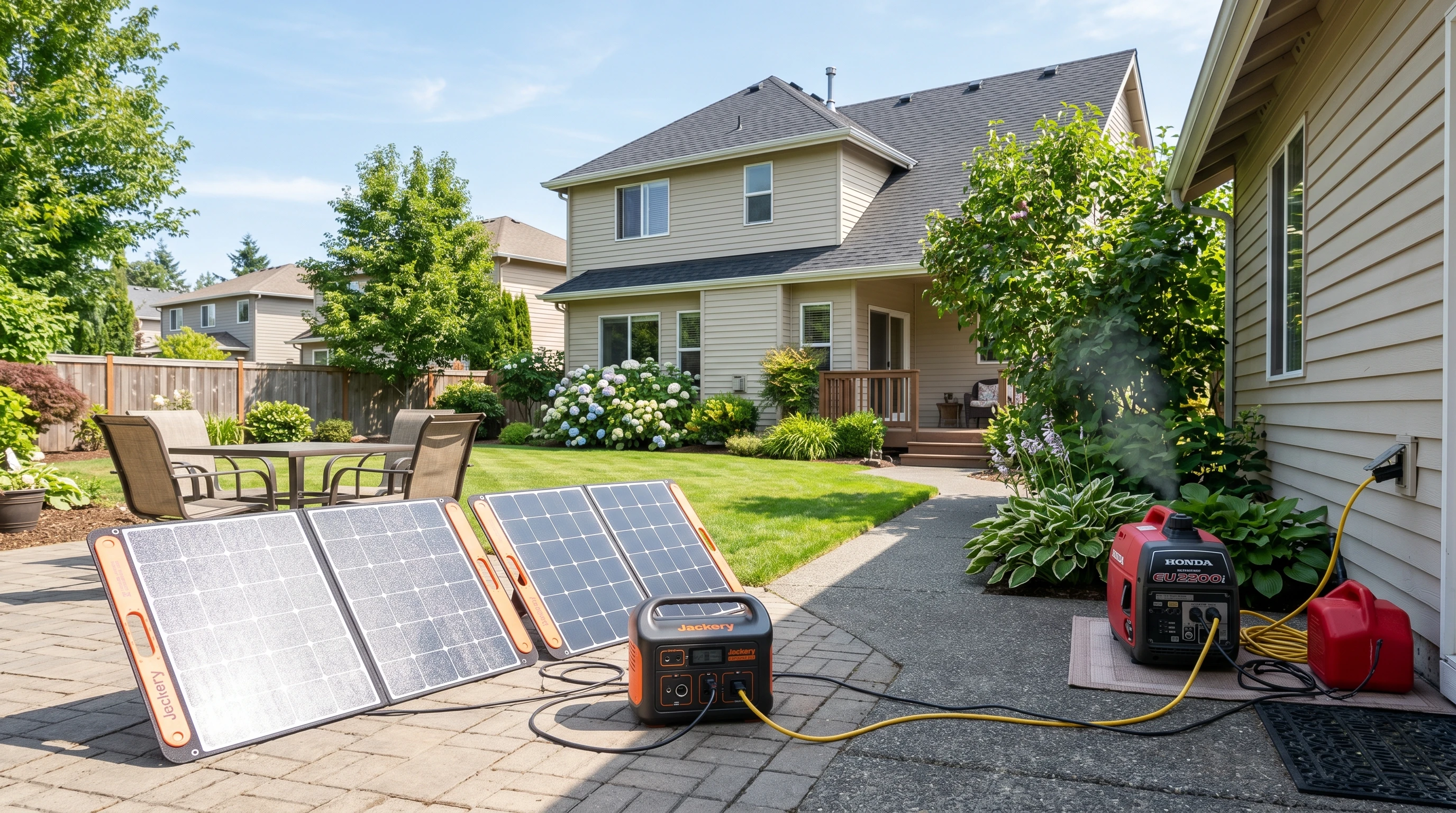
Solar Generator vs Gas Generator: At-a-Glance Comparison
When I’m comparing solar generators and gas generators, I break it down into key features that really impact everyday use. Here’s how they stack up side by side.
| Feature | Solar Generator | Gas Generator |
|---|---|---|
| Power Source | Sunlight (solar panels) | Gasoline, diesel, or propane |
| Noise Level | Silent | Very noisy |
| Operating Costs | Low after purchase | Ongoing fuel expense |
| Maintenance | Minimal | Regular (oil, spark plugs, etc.) |
| Indoor Use | Completely safe | Never safe indoors |
| Emissions | None (clean energy) | Produces exhaust and CO |
| Ease of Use | Plug and play | Fuel, start up, regular checks |
| Weather Dependence | Needs sun for recharge | Works in all weather if fuel available |
| Initial Cost | Higher upfront | Lower upfront |
See top-rated solar generators for home backup
How Solar Generators Work
A solar generator combines a battery, inverter, charge controller, and usually solar panels into a portable unit. The panels soak up sunlight and direct the energy to the battery, where it is stored for later use. I just connect devices to the generator as I would an outlet or extension cord. Solar generators are ready to go right out of the box, and setup is usually very simple, even for large units. If you’re new to the world of backup power, solar models really smooth the way for a painless experience.
Most residential solar generators recharge from sunshine, but some also allow charging from a wall outlet or car. This flexibility means I can keep the battery topped up regardless of the weather, though sunshine always saves the most money. Many newer models feature LED status displays and handy companion apps that let me check on battery status from anywhere in my home.
Key advantages I like about solar generators include the ability to use them indoors safely (no fumes) and their silent operation. There’s no need to store fuel, and maintenance usually comes down to checking the battery every now and then and keeping the solar panels clean. The peace of mind of quiet, always-on backup is hard to beat.
How Gas Generators Work
Gas generators use a combustion engine to turn fuel into usable electricity. I pour gasoline, propane, or sometimes diesel into the tank, turn it on, and plug in my appliances or run extension cords directly. Many models also offer a transfer switch, so I can wire them to the main electrical panel to power large sections of the house.
Because they rely on combustion, gas generators produce carbon monoxide (CO), which is extremely dangerous indoors or in poorly ventilated garages. I keep mine a good distance from the house, away from windows, doors, or vents.
While they can deliver a lot of power for heavy appliances or whole-home backup, gas generators are noisy, require frequent oil changes and maintenance, and mean keeping a supply of fresh fuel on hand at all times. Some newer models even display remaining runtime, but you’ll need to develop a routine of monitoring fuel and exhaust safety regularly.
Where Solar Generators Make Sense
Over the past few years, solar generators have become a regular part of my household emergency toolkit. Here are some situations where I’ve found they really shine:
- Short power outages: Solar generators run essential appliances like a fridge, lights, Wi-Fi, and phone chargers without any fuel or fumes.
- Indoor safety: With no emissions and silent operation, I trust solar generators to keep a baby monitor or medical device running overnight, even in bedrooms.
- On the go backup: They’re easy to bring along for camping, tailgates, or field work. I don’t have to worry about lugging fuel cans or managing dangerous exhaust.
- Apartment or urban living: Solar generators are compact and don’t need outdoor space, making them a solid choice where gas generators would be impossible or too risky.
If you want a hands off solution for fast backup of the basics, solar generators are hard to beat. They’re ideal for apartments and smaller homes or for keeping essential devices powered during short to medium outages.
Check solar generator models suitable for these scenarios
When Gas Generators Are Still Useful
I see gas generators as the workhorses of home power backup, especially for longer emergencies or for people with high powered appliances. Here’s when a gas generator may be the smarter call:
- Long or repeated outages: As long as I have enough fuel, gas generators can keep running for days at a time, powering heavy loads like an entire HVAC system or well pump.
- Off grid or remote properties: In places with a steady fuel supply but limited sun, gas generators deliver reliable backup without weather worries.
- Outdoor worksites and home projects: Contractors and DIYers often prefer gas models because of their dependable high output and portability for running power tools outdoors.
While they take more effort and aren’t suitable for indoor or continuous use near living spaces, gas generators remain a flexible backup option when maximum runtime or power is required.
Pros and Cons: Solar Generators
From my own use and research, here’s what stands out about solar generators.
Pros
- Silent operation. I can run them day or night with zero noise; no disturbing neighbors or housemates.
- No fuel needed. I never worry about empty gas cans or rising prices at the pump.
- Almost no maintenance. Clean solar panels and an occasional battery check keep things simple.
- Safe indoors. Solar generators don’t emit harmful gases, so they’re perfect for bedrooms, apartments, or anywhere safety is a focus.
- Better for the environment. They use clean, renewable energy without polluting the air.
Cons
- Higher initial price. When I bought mine, the upfront investment definitely felt big.
- Limited power. Solar batteries have a maximum storage, so large appliances may overwhelm the system.
- Weather dependent charging. Not having sun for a few days can slow down recharging, though some models allow wall recharging in a pinch.
Explore solar generator systems for home use
Pros and Cons: Gas Generators
Gas generators come with their own perks and downsides:
Pros
- High power capacity. I can run a furnace, pumps, and heavyduty tools without much trouble.
- Works whenever fuel is available. No need to rely on sunny days or time-consuming solar charging.
- Lower entry cost. Basic models are more affordable than solar units with equivalent wattage.
Cons
- Loud operation. The noise makes them tough to use for long hours, especially in quiet neighborhoods.
- Needs ongoing fuel. I have to store and rotate gasoline or propane, which is both costly and a chore.
- Indoor safety limits. Because of the danger of carbon monoxide, they must always stay outside.
- Regular maintenance needed. They need oil changes, filter replacements, and tune-ups for safe, reliable use.
How Much Backup Power Do You Really Need?
The right generator for me depends on what I expect to run during outages. When I first set up my backup plan, I made a list of absolutely essential devices:
- Refrigerator or freezer
- Wi-Fi router and phone chargers
- Essential lights
- Medical equipment, if needed
- Fans or a portable heater (if allowed by the generator size)
Solar generators handle these basics with ease. For larger homes with central air, deep wells, or electric ranges, only a large gas generator or a whole home solar storage setup will cover the full load. That level of power often comes at a very high price for solar systems, but for medium needs, solar is a true solution for most families.
Cost Comparison: Solar vs Gas Generators
Shopping for backup power, I found it important to balance upfront cost, overall cost, and the price of ownership over several years. Factoring in everything helps make an informed decision.
- Solar generator: Units able to power a fridge and small home devices run between $700 and $3000, depending on battery size and solar panel capacity. After the first purchase, the cost of fuel is zero, and maintenance expenses are nearly nothing.
- Gas generator: Decent portable models with enough wattage for multiple home circuits range from $400 to $2000. However, fuel adds up quickly, especially during long outages. In my area, running a gas generator for a full day can cost $25 to $40 just in fuel, plus oil changes and other tune-ups throughout the year.
When I added up costs over five years, not just the purchase but also fuel and maintenance, solar generators came out much cheaper for the small and medium sized power needs most people have. If you think long-term, solar often wins for value and simplicity.
Compare current solar generator prices and options
Solar Generator Advances for 2026
The technology for solar generators keeps moving forward. By 2026, larger lithium iron phosphate (LiFePO4) batteries are more common than ever, allowing safer, longer lasting storage. Fast-charging solar panels are lighter and more efficient, meaning I can recharge a solar generator much faster, even in poor sun. Many newer solar models also connect to home energy management apps, so tracking usage and battery status on my phone is simple and convenient.
Gas generators haven’t changed as quickly, but newer models may have better emissions controls and quieter operation, which helps with some common complaints. Still, the biggest leap has definitely been on the solar side, as technology and design move forward together.
Choosing the Best Generator for Your Home: Key Factors
When it came down to picking a generator for my own home, I spent time thinking about these things:
- How often do I lose power, and for how long? Solar is usually great for short or moderate outages. If I lived somewhere with frequent, weeklong blackouts, I’d need to plan for extra battery storage or a large fuel supply.
- What’s my budget, not just today, but over several years? Factoring in operating costs can paint a clearer picture.
- Do I have space to run and store a gas generator safely? In a small yard or apartment, gas isn’t an option.
- Is quiet operation important? I have kids and work from home, so noise really matters in my day to day.
- Is it easy to use for everyone at home? Everyone in my house needed to be comfortable starting and using whatever backup power option we picked.
- Does my area have weather that supports solar charging?
- Am I willing to manage fuel storage and rotation, or do I prefer a set it and forget it system?
Careful research helped me match my needs to the right technology. I recommend doing the same; think about how you’ll really use your backup power during an emergency. What suits my neighbor might not suit me, so tailor your choice to your own circumstances.
Common Questions About Home Backup Generators
Can I run a solar generator and a gas generator together?
Absolutely. Some people combine both for added flexibility: use solar for small loads and switch to gas when big power is needed or if the sun doesn’t shine. Just don’t connect either one directly to grid wiring unless you’ve installed a proper transfer switch.
How long does a solar generator last on one charge?
I’ve found that a medium sized solar generator can run a refrigerator for up to 12 hours, or charge phones and laptops for several days. Runtime always depends on total battery size and what gets plugged in.
Are there safety risks with solar generators?
Solar generators are among the safest power backup options. The main things I keep an eye on are battery health and panel wiring. Avoid using damaged solar panels or running cords where they could get wet.
What about solar generator warranties and lifespan?
Most brands now offer 3 to 7 year warranties. Lithium batteries last for thousands of charge cycles; usually enough for 7 to 10 years or more of regular home backup use.
What’s the NO GO zone for gas generators?
Never use a gas generator indoors, in garages, or near any open windows or doors. Always keep at least 20 feet from living spaces and use a carbon monoxide alarm nearby for extra safety.
Practical Scenarios: Real-World Home Backup Examples
- Family in a suburban home: I use a solar generator to run my fridge, charge devices, and keep lights on during storms. If there’s a longer blackout, I have a small gas generator ready for the deep freeze and hot water heater, but it only gets run outside and away from windows.
- City apartment dweller: Solar generators are my only option. They cover fridge, phones, fans, and make no noise in a small space.
- Off grid or rural homestead: I’ve seen some people set up large solar arrays and battery banks for everyday and backup power, with a heavyduty gas generator as a fallback for cloudy weeks.
Tips for Getting the Most from Your Backup Generator
- For solar, keep panels clean and positioned where they receive the most sun. Don’t let dense shade hurt charging speed.
- If using gas, run the generator monthly for a short time to keep it reliable. Store fuel safely and keep oil and filters handy.
- Don’t overload either system. Know your generator’s rated output and never push it past its continuous wattage.
- Make a power priority list. Know what needs to stay on, and what can wait until grid power returns. This simple prep pays off.
Compare top rated solar generator brands
What I Recommend in 2026 (and Beyond)
I’ve used both types of generators over the years. For most modern households, especially if you care about quiet, convenience, and healthier indoor air, solar generators now make a lot of sense. The technology is better than ever and the total cost is lower in the long run, especially if your area does not get long, repeated blackouts.
Gas generators hold their own for high powered or long-term needs, or if you’re somewhere with uncertain sunlight. If you want the peace of mind that comes from powering absolutely anything in your house at any time, having a gas backup in addition to solar is a solid plan for maximum readiness.
I suggest matching your choice to your lifestyle, power habits, and what kind of outages you’ve experienced before. Both solar and gas generators have their place in keeping my home safe and comfortable, but my favorite for home backup in 2026 is definitely solar; easy, clean, and ready to go whenever I need it.
Compare the best solar generators and choose the right setup for your home