
Some of the links on this page are affiliate links, which means I may earn a small commission if you make a purchase through them, at no extra cost to you. This helps support the site and allows me to continue creating helpful content.
If you’re reading this, you’re likely thinking about adding a whole house battery backup system to give your home reliable power and protect yourself from future outages. With more extreme weather and an aging power grid, these systems are more popular than ever. But what does it really cost to install a home battery backup in 2026? Here, I’m sharing my firsthand experience along with fresh data on pricing, installation, and the costs you might not have considered.
Quick Cost Overview (2026)
– Small system: $5,000 – $10,000
– Medium system: $10,000 – $20,000
– Full home backup: $20,000 – $40,000+
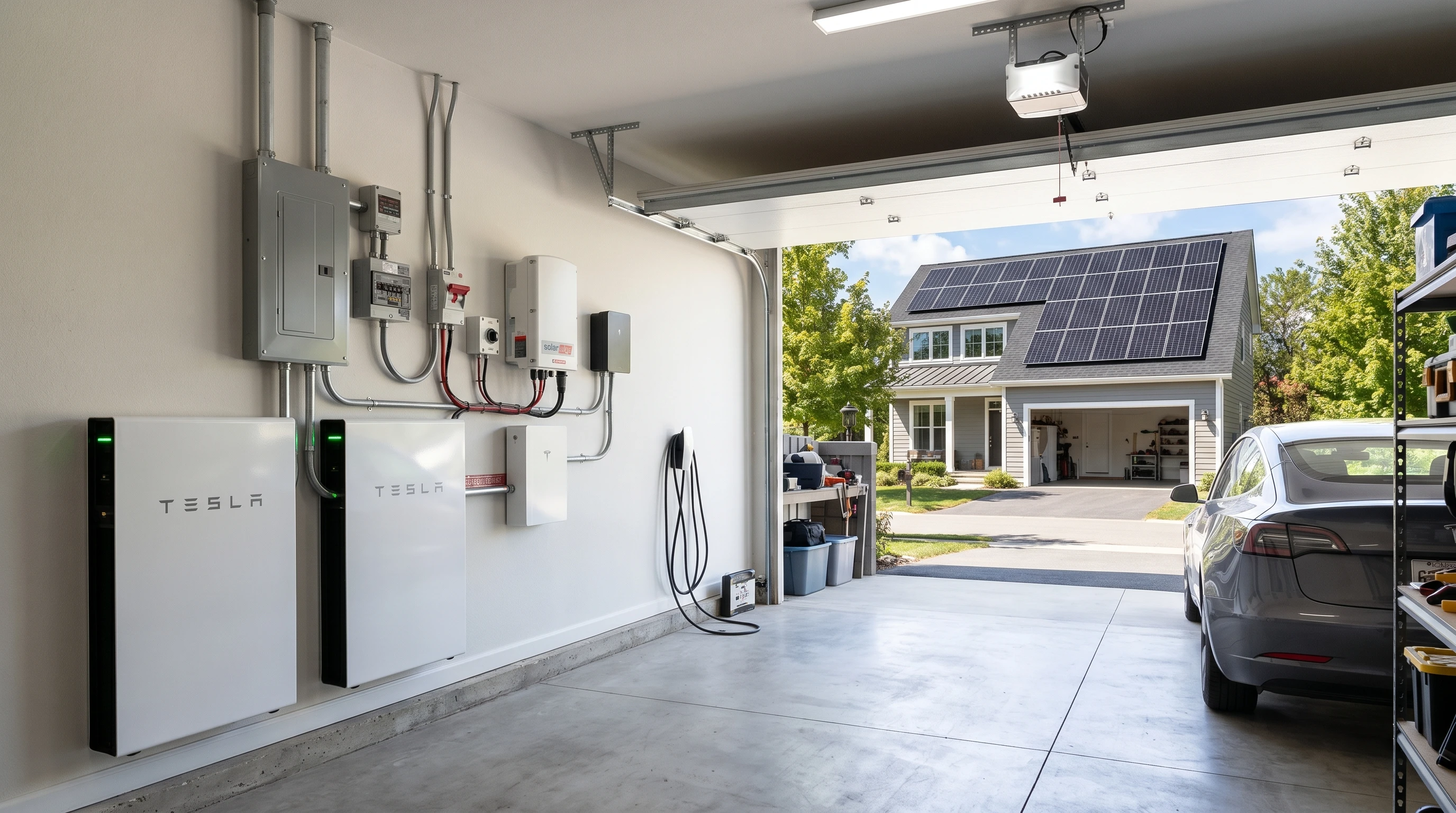
What Is a Whole House Battery Backup System?
A whole house battery backup system acts as a giant rechargeable battery for your home. It stores energy from the grid or from your solar panels, then provides power to your house when the utility grid goes down. Whole home battery setups can run anything from your fridge and HVAC to your lights and mobile devices. Unlike portable generators, these systems are usually installed permanently near your main panel and automatically switch on during an outage.
I often see folks think these are only for solar homes, but you don’t need solar for a whole house battery to work. Still, combining storage with solar maximizes the value and independence you get from the system. Brands I hear about most often include Tesla Powerwall, Enphase IQ, LG, and Generac PWRcell. Each has different sizes, specs, and features.
Average Cost of Whole House Battery Backup (2026)
The price for a home battery backup system depends on a few things: the size of your home, your daily energy use, whether you want to back up everything or just the essentials, and a few technical details. Larger homes or those with high power needs will need bigger battery banks, which add to the cost. I checked real installation prices and talked to homeowners across the country, and these are the typical cost ranges you’ll see in 2026:
- Small system (powers just the basics): $5,000 – $10,000
- Medium system (covers most or all circuits): $10,000 – $20,000
- Large system (full home, extended backup): $20,000 – $40,000+
Whole House Battery Cost at a Glance
| System Size | What It Powers | Typical Cost |
|---|---|---|
| Small (5–10 kWh) | Essentials only | $5,000 – $10,000 |
| Medium (10–20 kWh) | Most circuits | $10,000 – $20,000 |
| Large (20–40+ kWh) | Whole home | $20,000 – $40,000+ |
👉 Compare real battery system prices and installer options here.
Main Factors That Impact Battery Backup Cost
The price you pay for your system isn’t just about the battery. Here’s what I learned really affects the bottom line:
- Battery Size and Capacity: Measured in kilowatt hours (kWh), bigger systems cost more but last longer during outages. If you want to power your whole home for a day or more, you’ll need at least 20-30 kWh, which usually means stacking multiple batteries together.
- Brand and Technology: Premium brands often cost a bit more but may include better software, longer warranty periods, and higher output ratings. Read real user reviews before picking one.
- Installation Labor: Contractors typically charge anywhere from $2,000 to $10,000 for installation, depending on how complex your home’s electrical setup is. Homes needing upgrades or custom wiring may see higher costs.
- Electrical Upgrades: Many older homes can’t handle the demand of a big battery. Upgrade costs for your main service panel, subpanels, or rewiring can add $1,000 to $5,000.
- Solar Integration: Adding solar to work with your battery boosts both the cost and your long-term energy savings. Even without solar, batteries charge from the grid, but pairing with panels can make you more self-reliant.
- Permits and Inspection Fees: Most towns and cities require permits for high voltage installations. Fees usually fall between $200 and $800.
- Location and Local Market Rates: Prices in dense urban areas or in places with high demand, such as California, Texas, or the Northeast, may be higher. Where you live makes a real difference.
Cost Breakdown: Example Setup for a Medium Home
I’ll walk you through an example typical of what I’ve installed or seen in newer homes. Say you live in a 2,000 square foot house and want a battery solution that could cover most major appliances and your lights for at least a day.
- Battery and components: $12,000 (For two 10 kWh batteries, like a Tesla or Enphase pair)
- Professional installation: $4,000 (Including labor, system configuration, and setup)
- Electrical upgrades: $2,000 (Modernizing main panel, adding a transfer switch, extra wiring)
So, your total project cost would be around $18,000. Prices can swing up or down depending on regional labor, utility incentives, and complexity, but this is a good ballpark in 2026 for a comfortable backup during most outages.
What Are You Really Paying For?
I get a lot of questions about whether the high price tag is justified. Here’s what you’re actually getting for your investment:
- Smooth backup power: No fumbling for flashlights or dragging out a portable generator. The system kicks in automatically, keeping everything running.
- Better energy efficiency: Modern batteries can help manage your energy use, especially if you have time-of-use rates or peak demand charges from your utility.
- Energy independence: If you pair your backup with solar, you can stay powered up even during extended outages or blackouts.
- Home value boost: Many homebuyers see whole house battery systems as a premium and are willing to pay more upfront for the peace of mind and energy savings.
- Cleaner backup: No fumes, no noise, and no need for gasoline or ongoing maintenance the way traditional generators require.
- Long-term reliability: Manufacturers typically offer warranties of 10 years or more, and most batteries can cycle thousands of times without serious degradation.
Whole House Battery vs Other Backup Options
Not every household needs a massive backup system. Here’s a quick comparison with other options I’ve set up or reviewed:
- Whole House Battery: Backs up the entire home, costs more, requires professional install, gives seamless power and high convenience.
- Portable Battery Generators: Lower cost ($400-$3,500), usually plug and play, powers a few devices or appliances at a time, not meant for whole house use, best for apartments, smaller homes, or short blackouts.
- Traditional Gas Generators: Powerful, lower upfront cost, needs fuel, emits fumes, noisy, requires regular maintenance, may not be safe indoors or near sensitive electronics.
Battery vs Generator vs Portable Backup
| Feature | Battery Backup | Gas Generator | Portable Battery |
|---|---|---|---|
| Cost | High | Medium | Low |
| Convenience | Automatic | Manual | Plug-and-play |
| Noise | Silent | Loud | Silent |
If you want the convenience of full home coverage, batteries are hard to beat, but if you mostly worry about the fridge and a couple of outlets, a smaller and cheaper solution may work just fine.
How Long Do Whole House Batteries Power Your Home?
The question I hear most is, “How long will my battery backup last in an outage?” The answer depends on your battery’s stored energy (measured in kWh), how much power you use, and what you’re running during an emergency.
- Small system (5-10 kWh): Enough to run essentials for 4-8 hours.
- Medium system (10-20 kWh): Powers your fridge, lights, internet, and maybe heating or cooling for 8-24 hours.
- Large system (20-40+ kWh): Can keep most modern homes running for 1-3 days, longer if you’re careful with usage or have solar recharging the batteries by day.
During the 2024 winter outages here in the Northeast, my own 13.5 kWh system kept my fridge, a few lights, and internet running for about 18 hours before it needed to recharge. I tell homeowners to make an honest list of what matters most in a blackout, then size your battery for that load.
Ways to Reduce Whole House Battery Costs
I know battery price tags can be a dealbreaker. You have a few ways to bring down your investment:
- Start small: Install a single battery system now, then add another battery when your budget allows. Expandable setups are available from major brands.
- Target critical loads: Only back up your fridge, a few kitchen outlets, internet, and core lights by wiring a “critical loads” subpanel. This lets you use a smaller, cheaper battery setup.
- Combine with solar: Solar panels can dramatically lower your long-term energy bills and help recharge your battery during outages.
- Look for rebates: Federal, state, and local incentives can cover 20%–30% of your total cost. The federal investment tax credit (ITC) in 2026 is expected to remain at 30% for battery storage, including standalone systems.
- Shop around: Prices and installer quotes can differ a lot. I always get several bids and check the qualifications of the contractor before signing anything.
Does a Home Battery Backup Make Sense for You?
Home battery backups can be a game changer, but they’re not for everyone. I usually recommend them if you:
- Experience frequent or long-lasting outages
- Work from home or have medical devices that require constant power
- Already have (or plan to install) solar panels
- Want less dependence on the grid or your local utility
For most homeowners in storm prone areas or anyone looking for long-term savings on electricity, a battery backup system is a smart investment. I’ve even seen some insurance companies offer small discounts for homes with whole house backups in high risk zip codes.
When a Smaller System Might Be a Better Fit
If your budget is tight or if you rent, you probably don’t need a full home battery solution. Smaller backup systems can still make a big improvement in your comfort and safety. They’re a good fit if you:
- Live in an apartment or condo (where major electrical work is tricky)
- Only need to charge phones, run a CPAP machine, or keep a fridge going
- Travel between homes or want portability for camping or emergencies
A plug and play power station or smaller battery unit costs a lot less, usually ships to your door, and requires only a wall outlet for charging.
👉 Explore portable battery backup options here (ideal for smaller homes or apartments).
Potential Challenges and Things to Watch For
There are a few challenges I run into or hear about often, even with the newer 2026 battery tech. Here’s what I keep an eye on:
- Battery Life Span: Most batteries last about 10-15 years. You may eventually have to replace them, so factor in long-term maintenance.
- Capacity Limitations: No battery can power everything as long as you want unless you scale up; be realistic about what you want to keep on.
- Supply Chain Issues: Some areas have longer waits for installation or trouble sourcing certain brands, especially during times of high demand.
- Software & Monitoring: Some batteries come with apps for energy management. I always test and compare the reliability and ease of these features when selecting a brand.
- Permitting: Your city or HOA might have strict rules or approvals, which can add time and an extra step to your process.
Advanced Tips for Getting the Best Value
Once you’ve got the basics covered, there are a few ways to really maximize your system’s performance. Here are some tricks from my experience:
- Peak Shaving: Some battery systems let you use stored power during expensive peak rate hours, which saves money even when the grid is up.
- Smart Circuits: Ask your installer about flexible subpanels that let you reprioritize appliances during an outage using a smartphone app.
- Energy Monitoring: Real time energy use monitoring can help you see what’s draining power and make smart decisions during extended blackouts.
- Routine Checks: Check the system dashboard or app monthly for open service alerts or firmware updates to keep your battery healthy.
Is a Whole House Battery Backup Worth It?
For most homeowners, the answer depends on how often you lose power and how much you rely on electricity.
It’s usually worth it if:
– You experience frequent outages
– You work from home
– You want long-term energy independence
It may not be worth it if:
– Outages are rare
– You’re only backing up a few devices
– Budget is a major concern
👉In many cases, a smaller or hybrid setup can deliver better value.
Frequently Asked Questions
How do I size a whole house battery for my home?
I suggest starting with your last 12 months of utility bills and writing down your average daily kWh usage. Decide what you want to keep running during a blackout—either the entire home or just some circuits—then talk to an installer who can calculate the minimum kWh needed and number of batteries for your goals.
Is solar required for battery backup?
No, you don’t need solar panels for a battery backup to work. Batteries can recharge from the grid. However, pairing them with solar gives your independence a boost and allows you to recharge right at home.
How much is maintenance on a whole house battery backup?
Maintenance is pretty minimal; mostly keeping the area clean, updating the app, and maybe inspecting connections yearly. If an error code pops up, your installer can usually fix it remotely or with a quick service call.
How long does installation take?
Most projects are completed in 1–3 days, sometimes longer if extensive electrical upgrades are needed or permitting is delayed. Plan for a week, start to finish including paperwork.
What is the warranty for home batteries?
10 years is typical. Some are based on a set number of cycles, so always ask the installer how that works in real use.
Wrapping Up
Whole house battery backups are a serious investment. They protect your home during outages, cut energy bills (if combined with solar), and give you more control over your own power. For many, the peace of mind alone is worth it. If you’re not ready for a large system, starting with a smaller battery backup or portable power station puts you in control during emergencies without breaking the bank.
To compare full systems and get updated pricing, check here. Careful research helps buyers make informed decisions, and it’s easy to find a setup that matches your personal needs and budget.