
Some of the links on this page are affiliate links, which means I may earn a small commission if you make a purchase through them, at no extra cost to you. This helps support the site and allows me to continue creating helpful content.
Power outages are happening more often due to severe weather, infrastructure issues, and increased demand on the electrical grid. I’ve noticed how even short outages can throw off routines, affect safety, and cause unexpected expenses. If you want peace of mind before the next blackout, preparing your home with the right steps is a smart approach. Here’s my all-in-one checklist and practical advice for getting your home ready for power interruptions in 2026.
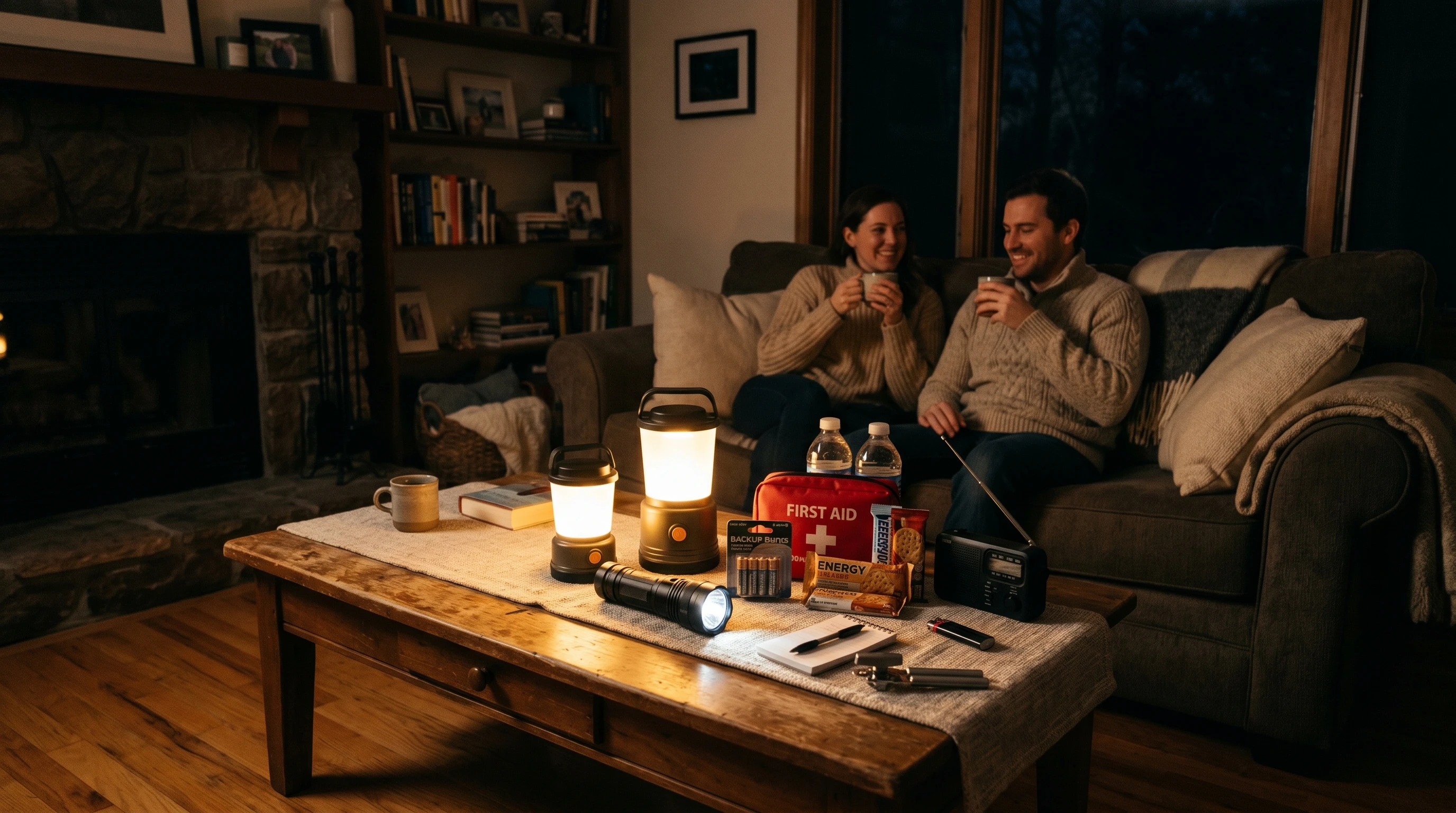
Quick Emergency Checklist for Power Outage Preparation
Having a basic emergency kit ready can make life a lot easier during a blackout. Here’s my go-to list I keep updated each season:
- LED lanterns and extra batteries
- Portable power station or charged power banks
- Solar charger or solar generator
- Bottled water and water purification tablets
- Nonperishable food for at least three days
- Manual can opener
- Batterypowered or handcrank radio
- Surge protectors and power strips
- Emergency blankets and extra bedding
- First aid kit and prescription medications
- Copies of important documents
- Cash in small bills
Checking off this list has saved me more than once during unexpected outages. Add seasonal items like sunscreen in summer or extra hand warmers and mittens for winter, so you’re covered year round. Mark your calendar for a quarterly kit refresher, and you’ll never be caught off guard.
Why Power Outage Preparation Is Really Important
Power failures affect more than just being able to see in the dark. Without electricity, regular activities like cooking, accessing news, or keeping food safe become difficult. Even short outages create issues like:
- Food wasting in fridges and freezers
- No way to charge phones, which can impact communication
- No heating or cooling, making temperatures uncomfortable or even dangerous
- Medical devices not running if you’re dependent on them
- No light for safety, especially for people who need to move around at night
- Possible water supply problems if you rely on a well with an electric pump
- Home security systems going down
Even a small emergency kit at home makes these disruptions much more manageable. Preparing in advance is a lot easier than scrambling in the dark once the power goes off. Regular practice with your kit and plans helps everyone at home feel ready, not rattled, when an outage happens.
Step 1: Keep Essential Devices Running
During a blackout, I focus on powering only the most necessary appliances and gadgets. The top priorities usually include:
- Refrigerator and freezer (for food preservation)
- Medical equipment (such as CPAP machines, oxygen concentrators, or medication refrigerators)
- At least one mobile phone (for emergencies and information)
- Basic lighting like LED lanterns or rechargeable flashlights
- WiFi router (if you have backup internet and power)
- Sump pump (to keep your basement dry if needed)
A portable power station or solar generator helps me run these basics for several hours, and I always know ahead which outlets and appliances to connect and what to unplug to protect them from voltage spikes or damage. Mapping out a list of what plugs in where before an emergency means a less chaotic response when the lights go out.
Step 2: Set Up Reliable Emergency Lighting
I avoid relying on candles because of fire risks, especially around kids and pets. Better choices for emergency lighting include:
- LED lanterns (long battery life and bright enough to light a room)
- Rechargeable flashlights, which are easy to charge with a power bank or car charger
- Headlamps for handsfree tasks if I need to move around in the dark
- Motion sensor battery lights for hallways and bathrooms
Every few months, I check that all my lights work and keep spare batteries handy. This takes just a few minutes but makes a big difference during an outage. If you have a larger household, assign each family member a personal flashlight so there’s no confusion. Remember to keep lights within easy reach, not tucked away where you’ll struggle to find them in the dark.
Step 3: Choose and Maintain Backup Power Solutions
Deciding how much backup power I need depends on my home size, location, and what I want to keep running. Here’s how the most common systems compare:
| Backup Type | Best For | Main Advantage |
|---|---|---|
| Portable Power Station | Apartments & basic devices | Quiet and easy to use |
| Solar Generator | Longer outages & renewable backup | Rechargeable with solar |
| Gas Generator | Large homes & heavy appliances | High power output |
| Whole House Battery Backup | Automatic home backup | Seamless emergency power |
I test my backup power sources once every season to avoid unpleasant surprises, and I track wattage so I know what they can safely support. Learning how to use one type lets you adapt to different lengths of outages and household setups. Here’s a practical guide to backup power options for different needs:
- Small apartments: Portable power stations are usually enough, plus a solar charger for extra run time.
- Families in houses: Consider a combination of a gas generator (for big stuff) and a solar generator (for silent, steady backup that’s renewable).
- People with medical needs: Whole house battery backup or a dedicated battery system ensures life-saving equipment stays running.
Routine maintenance is key: check fuel, charge batteries, and store parts as suggested in the manual. Keep extension cords and outdoorrated cables for safe generator use. Mark test days on your calendar, and your backup solution will be ready when you need it.
Step 4: Keep Food and Water Safe
Spoiled food and lack of clean water become huge problems during extended power cuts. Here’s what works for me:
- Keep refrigerator and freezer doors closed as much as possible
- Fill empty spaces in freezers with bottled water, which keeps things cold longer and gives extra drinking water if needed
- Have at least three days’ supply of bottled water stored
- Set up a cooler and ice packs in case outage stretches longer
- Know which foods are safe to keep and which need to be thrown away postoutage (for example, discard perishable food if temperatures rise above 40°F for more than four hours)
- Stock up on canned vegetables, beans, nuts, instant oatmeal, and shelfstable milk or juice
Emergency water filtration and purification tablets give me an extra layer of safety in case I run out of bottled water. For families with infants, keep ready-to-feed formula available. Rotate water and shelfstable foods every six months to keep your supplies fresh, and label them with the last checked date so expiration doesn’t sneak up on you.
Step 5: Stay Comfortable in Extreme Temperatures
Losing electric heating or air conditioning can be more than annoying. Where I live, late-summer heat waves and winter storms both cause major outages. I tackle these situations with:
- Extra blankets, sleeping bags, and thick socks
- Thermal underwear as part of my emergency kit
- Chemical hand warmers for extra warmth
- Portable battery fans and insulated curtains for hotter weather
- Sealing windows and doors to keep the house comfortable longer
Never use outdoor grills, gas ovens, or generators inside the home. This is super important for avoiding dangerous carbon monoxide buildup. Open windows at safe times to air out stuffy rooms, and use batteryoperated fans for cooling. If it’s winter and you have a fireplace, make sure you have enough dry wood and that the chimney’s clean before cold weather hits.
Step 6: Protect Electronics and Prevent Damage
When the power comes back, surges or voltage spikes sometimes happen. I use:
- Surge protectors for basic appliances and computers
- Uninterruptible Power Supplies (UPS) for desktop computers and sensitive equipment
- Unplugging nonessential electronics if I expect a long outage or severe weather
I learned to always check that surge protectors work and have not expired since surge protection can wear out over time. If you hear buzzing or see blinking lights on your protector, or if it survived a big surge, replace it. Also, label your electronics’ power plugs with tags, so reconnecting them after a blackout is fast and foolproof.
The Best Backup Power Options for 2026
Backup power technology has changed a lot in recent years. I’ve tested a few different systems at home, so here’s what I see as the best options by use case:
- Portable Power Stations: Quiet, easy to move, and recharge via AC or solar. Handy for apartments, condos, and running phones, WiFi, or laptops.
- Solar Generators: Combine a big batterypack with solar panels for longterm, renewable power. No fuel required, perfect if you want a silent solution during long outages.
- Gas Generators: Powerful enough to run fridges, sumppumps, and even parts of the house. Needs regular maintenance and has to run outside.
- Whole House Battery Backup: Tied into your home’s circuit box, these are automatic and can keep larger loads running for several hours to days. Great for those who want a “set it and forget it” system.
Each has its pros and cons depending on your living situation and power needs, so checking reviews and comparisons before buying saves a lot of hassle. When possible, visit a local supplier to check out new models, features, and warranty support for the upcoming year so you can make the most of your investment.
Why Reliability Matters During Real Emergencies
That’s why battery quality, standby power drain, weather resistance, and long-term reliability matter just as much as advertised battery size or output wattage.
Practical Take: What Most Homes Actually Need
For many households, a simple portable power station combined with basic emergency supplies is already enough to handle short outages comfortably. But if you live in an area with frequent storms, rely on medical devices, work remotely, or regularly experience long blackouts, investing a little more in reliable backup power can make a huge difference when things go wrong. For occasional outages, even a smaller budget-friendly power station can be enough for phones, lighting, and basic electronics. But for frequent storms, outdoor use, or longer emergencies, reliability and battery quality become much more important than flashy marketing specs alone.
You can also read my portable power station real world outdoor guide here
Common Mistakes to Avoid During Power Outages
- Assuming outages won’t happen where you live
- Waiting until last minute or after a storm warning to buy supplies
- Overloading generators or power stations, which can damage devices and the backup system
- Forgetting extra batteries, especially for radios and flashlights
- Leaving perishable food in a warm fridge for too long
- Not testing backup power systems or emergency lights in advance
- Using candles unsafely, creating fire risks
Doing a quick check every few months helps me catch these issues before they turn into bigger problems. Another big mistake is not teaching everyone in your home what to do—a short, simple walkthrough can be eye-opening and saves confusion when time matters most.
Extra Preparations and Advanced Tips
As I’ve gained more experience with storm prep and blackouts, a few extra tips have come in handy:
- Make a household communication plan—for example, teach all family members where flashlights and emergency contacts are.
- Practice turning off main breakers and gas shutoffs, just in case it’s needed.
- Download key documents and maps offline before the power goes out.
- Set up text or radio updates from local authorities for emergency alerts.
- Label electrical panel switches to make it fast to restore power to critical things like the refrigerator.
Simple routines like checking supplies once every season and recharging power banks keep my home ready. Small steps like these make me feel a lot more confident before the next outage. For even more preparedness, think about signing up for an emergency alert service or investing in a weather radio with automatic updates—peace of mind goes a long way during high-stress times.
What Can Happen if You Don’t Prepare?
From my own experience, not preparing can lead to:
- Wasting lots of groceries after four to six hours of no power
- No way to get news or emergency updates if the phone dies
- Frantic trips to alreadycrowded stores during storms
- Exposing the household to fire or carbon monoxide risk from unsafe backup solutions
- Extra stress, especially for kids, older family members, or anyone with health needs
Being proactive always seems easier than struggling to catch up when the power’s already out. It’s not just about comfort—it’s about safety and saving yourself time, money, and worry. Plus, kids and pets are much more at ease when their caretaker seems prepared, too.
Frequently Asked Questions on Power Outage Preparation
Question: How long will my refrigerator and freezer keep food safe during an outage?
Answer: A typical refrigerator keeps food safe for up to four hours if unopened. A full freezer may preserve food for up to 48 hours, while a half-full freezer lasts about 24 hours if not opened. When the power returns, check for unusual odors or spoiled textures before eating anything.
Question: What’s the best backup power setup for most homes?
Answer: Many homes benefit from a portable power station paired with a solar charger for basic needs. Those with higher needs, like well pumps or medical equipment, often use a larger battery backup or gas generator. Always double-check the wattage ratings of your must-run appliances to avoid surprises.
Question: Are gas or propane generators safe to use indoors?
Answer: No, these should always be used outside, well away from windows or vents, due to the risk of deadly carbon monoxide gas. Protect your family by setting up generators with plenty of distance from any open windows or doors.
Question: How much water should I store for an emergency?
Answer: I recommend at least one gallon per person, per day. Keep a supply for at least three days for each member of your home, including pets. For children, nursing mothers, or hot climates, store more if possible.
Question: Do surge protectors wear out?
Answer: Yes, they only protect for a certain number of surges. If you’ve experienced a big power event or your surge protector feels warm, it’s time to replace it. Newer models often have indicator lights showing when their protection is still active—keep an eye on these.
What I’ve Learned Preparing for Power Outages
I’ve found that thoughtful preparation is worth it every time the power goes out. Stocked supplies, working lights, and a backup power solution reduce stress for everyone in my household. It’s a simple way to make sure I’m comfortable, connected, and safe the next time the grid goes down. Comparing and planning the right emergency setup makes all the difference. Your future self will thank you. Stay ready and you’ll get through any outage a lot more calmly. If you’re curious about specific emergency backup power systems, check out current reviews and comparisons to find out what fits your needs and budget best.