
Some of the links on this page are affiliate links, which means I may earn a small commission if you make a purchase through them, at no extra cost to you. This helps support the site and allows me to continue creating helpful content.
Installing a home wind turbine in 2026 is a real option if you want to take control of your energy use and savings in a practical way. The process involves upfront planning, careful budgeting, and a good understanding of your property’s wind profile. I’ll explain the costs, steps, and decisions to help you figure out if it’s right for your situation, all based on current industry trends and what real users are experiencing throughout the country.
Quick Answer: Home Wind Turbine Costs (2026)
– Small systems: $5,000 – $15,000
– Medium residential systems: $15,000 – $40,000
– Full off-grid setups: $40,000+
👉 Compare real wind turbine systems and installer options here.
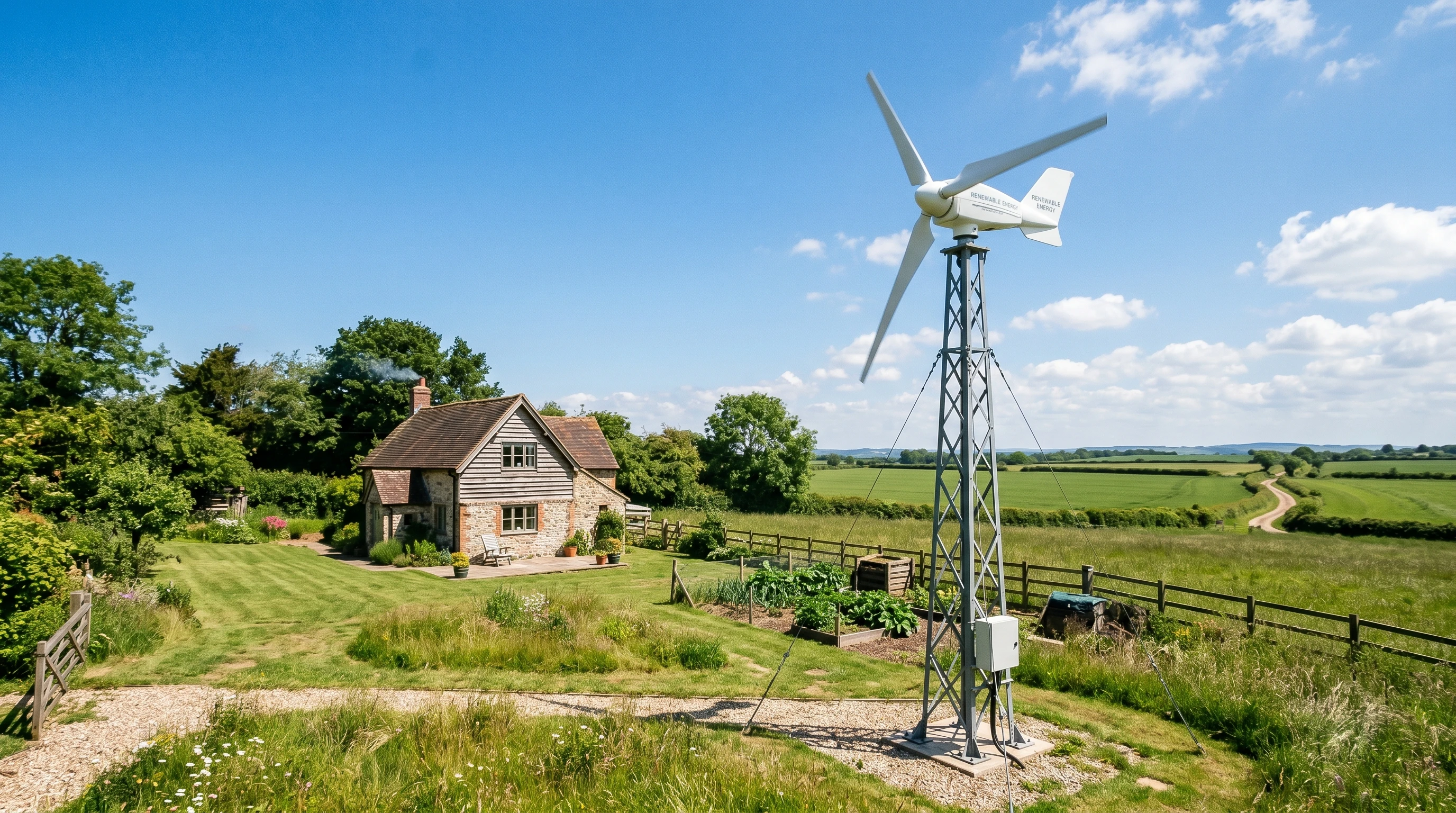
Understanding the Costs of a Home Wind Turbine (2026 Estimates)
Installing a home wind turbine is much more than just buying the turbine itself. The price tag can look high at first, but I want to break down each part so you see where the money goes. Real prices can switch up depending on where you live, who you hire, and your specific energy needs, but average costs for 2026 look like this:
- Small wind turbine system (part-time power): $5,000 – $15,000
- Mediumsize system (most of your power needs): $15,000 – $40,000
- Full home, off-grid capable system: $40,000+
This includes the main equipment and a standard professional installation. Large systems with batteries, toptier components, or unusual site requirements could cost more. If you’re comparing quotes, always check what’s included and what might add to the cost later.
Home Wind Turbine System: What’s Included?
I looked at real installations to get a clear idea of what a basic home wind turbine setup covers. You should expect to get the following:
- Turbine (blades and generator): Converts wind into electrical power
- Tower: Raises the turbine above ground turbulence for better wind
- Controller and Inverter: Makes the energy compatible with your home and grid
- Wiring and grid hookup: Carries power to your house or utility
- Battery storage (optional): Stores energy for when the wind isn’t blowing
- Monitoring system (often optional): Helps you track performance and troubleshoot
Extras like advanced monitoring, upgraded towers, or quiet blade designs might be added based on your preferences. Always ask exactly what your installation package covers, especially when comparing quotes from different companies.
Step by Step: How the Installation Process Works
Add a wind turbine to your home by following several clear steps. Going through these in order is super important for safety and to avoid surprise costs. Here’s how the typical process unfolds:
- Site Survey and Wind Assessment: Professionals visit your property to measure wind speed and look for obstacles. This step also checks local wind patterns with data from sources like the National Renewable Energy Laboratory.
- Permitting and Local Approvals: Wind turbines usually require permits, zoning checks, and sometimes permission from neighbors or a homeowner’s association.
- Foundation and Base Setup: A concrete foundation is poured to hold the tower. This step can take several days to cure, and soil conditions affect both cost and timeline.
- Tower Delivery and Erection: The tower is brought to your site and assembled. Some setups are tiltup for easy maintenance, while others require cranes for installation.
- Turbine Mounting: The turbine itself is installed at the tower’s top with blades attached, balanced, and adjusted for the proper spin direction.
- Wiring and Electrical Work: Licensed electricians connect the system to your home’s electrical panel, inverter, and any backup batteries. If you want to sell power back to the grid, extra work is usually needed for utility approval.
- Testing and System StartUp: The whole system is run through a checklist, making sure that safety mechanisms work and that you’re producing power correctly.
Throughout these steps, you’ll answer questions from local officials, maybe attend planning meetings, and keep in touch with your installer about weather delays or material arrivals. In my experience, being flexible with timelines helps the whole process go smoother.
Breaking Down the Average Cost
I’ve tracked pricing from several major wind turbine suppliers and contractors this year and found the following ranges to be accurate for most residential installs:
- Equipment (turbine, tower, inverter, controller): $12,000 – $25,000
- Professional Installation (labor, crane, transport): $5,000 – $15,000
- Electrical Work and Grid TieIn: $2,000 – $8,000
Typical total outthedoor cost: $20,000 – $50,000+
Want a more specific estimate for your situation? Some renewable energy providers offer instant online calculators that factor in your location and energy goals for a closer look at likely costs. Also, reaching out to installation companies directly can give clarity about any hidden fees or possible discounts.
What Drives Wind Turbine Cost?
The price of your home wind turbine system depends on a few main factors I always encourage people to look at before signing up:
- Average Wind Speed: More wind means fewer turbines or smaller models to get the same power, keeping costs lower.
- Your Location: Rural and open areas tend to cost less to install and permit, compared to tight city lots or areas with strict zoning.
- How Tall the Tower Is: Taller towers grab better wind but cost more in materials, transport, and construction.
- Complexity of Installation: Steep hills, rocky soil, or difficult access can add to the cost quickly.
- Battery System: Energy storage drives up the price but makes you more independent from the grid. Some systems can be added later when your budget allows.
- Electricity Needs: The more power you want to cover, the larger and more expensive your wind setup gets.
It can be tempting to get the biggest system, but many homeowners start with a midsize or even small turbine and expand when they have more data about how it performs. Comparing multiple installer quotes can reveal ways to save or get more of what you want for your budget. Take some time to get advice from homeowners who have already set up similar systems in your area. They might point out challenges or unexpected costs that don’t always show up in company estimates.
Wind vs Solar for Home Energy (Side by Side in 2026)
| Feature | Wind | Solar |
|---|---|---|
| Cost (Installed) | High | Medium |
| Reliability | Variable (depends on wind speed) | Consistent during daylight |
| Urban Suitability | Rare | Common |
| Best For | Large, open, rural land | Most residential roofs |
| Maintenance | Yearly, mechanical | Minimal, mostly cleaning |
I chose wind energy for my home partly because I live in an area where the wind is strong and steady, and my property has the open space needed. Most homes in towns or cities find solar simpler and cheaper to install, with more incentive programs available. If you aren’t sure which is best for your property, consider having both wind and solar assessed for longterm savings.
See a full comparison and tool to estimate wind and solar output for your address (energy.gov)
Who Should Get a Home Wind Turbine?
Installing a wind turbine makes sense if your land and needs fit the following profile:
- Property gets at least 10–12 mph (16–19 kph) average wind speed, measured by a wind map or at your site
- Space for a safe tower clearing (typically 50–100 feet from homes and trees)
- You plan to stay in your home for a long time, so savings will recover your upfront investment
- You’re okay with regular maintenance, possible noise, and some visible impact on your property
Not every property or family will get the same results. In my case, the biggest payoff came after 7 years, once I’d paid off the initial investment and started seeing energy bill savings stack up. If you have shortterm plans to move, low wind, or lots of trees or buildings nearby, wind is probably not a great fit for your situation. For urban areas, smaller or roof-mounted wind systems rarely provide enough power or savings to justify the cost—solar panels usually come out ahead.
Quick Verdict
✔ Best for:
– Rural homes
– Open land with strong wind
– Long-term homeowners
❌ Not ideal for:
– Urban or suburban homes
– Areas with weak wind speeds
– Short-term property owners
Timeframe: How Long Does Installation Take?
- Project Planning: From the first call to finished permit approval, you can expect two to six weeks, especially if you’re in a rural area with few zoning issues.
- OnSite Installation: The construction crew is usually on your property for two to five days for a singleturbine system. Weather, equipment delays, or special circumstances can extend this timeframe.
Add a few extra weeks if you need electrical upgrades or complicated grid tiein. Overall, most homeowners see the system up and running in two months or less from signing a contract. Stay in touch with your installer to adjust for any local holidays or supply slowdowns that might pop up.
RealWorld Challenges with Home Wind Turbines
I’ve gone through and heard about these issues from other homeowners:
- Permitting headaches: Some counties have strict noise or height rules or “not in my backyard” neighbor objections.
- High upfront cost: Finding financing takes time, and rebates vary depending on state and federal policy changes.
- Maintenance chores: Wind turbines are mechanical, so plan on yearly checks, grease, and sometimes replacing worn parts.
- Noise and appearance: Some models hum or “whistle” at high speed. Towers also change the look of your property, which not everyone loves.
- Grid connection delays: Utilities sometimes take months to approve new systems, especially in areas with less renewable experience.
Talking to neighbors first and hiring local, experienced installers helps these problems feel more manageable. Setting realistic expectations from the start made a big difference for me. It’s always better to go in knowing what you’re signing up for. Checking community forums can also help you get a sense of potential hurdles unique to your area, and you might find creative solutions from those who’ve already gone through the process.
Practical Ways to Lower Your Wind Turbine Costs
If cost is a big concern, consider these steps based on advice from renewable energy professionals:
- Begin with a smaller turbine to cover part of your usage, then upgrade later if you want to
- Skip the battery at first and add it after you’ve seen how much wind you actually get
- Get multiple quotes and ask for itemized pricing so you know where you could save or get extra value
- Look for state, federal, and utility incentives or lowinterest energy loans
- If you’re comfortable with DIY, do site prep or trenching yourself (where allowed)
One homeowner I helped saved $3,000 by sourcing a used tower from a local farm and doing their own foundation excavation. Simple changes like these add up, but always make sure any costcutting is still safe and meets your area’s requirements. It’s also smart to touch base with local energy coops—sometimes they have equipment share programs or group discounts that aren’t widely advertised.
Popular Home Wind Turbine Systems (2026)
– Bergey Excel – best long-term residential option
– Primus Air – ideal for smaller setups
– Eco-Worthy kits – budget-friendly starter systems
👉 Compare current prices and availability here.
Alternatives to Home Wind Turbines
If wind doesn’t seem like the right fit or you want to keep your options open, here are some alternatives I recommend looking at:
- Small “micro” wind turbines: Mount to sheds, outbuildings, or even boats for limited use without a big tower
- Solar panels with backup battery: Easy to install, especially in neighborhoods or on modest roofs, with strong rebates in many areas
- Hybrid (wind + solar): Uses both systems together to make the most of day and night energy generation
- Portable power stations: Useful for emergency backup, RVs, or off-grid sheds when you don’t need full home power
Combining several power sources often leads to better reliability and total yearly output. Check if local installers provide hybrid solutions for a more balanced energy setup. Some homeowners have success mixing wind, solar, and portable backup for maximum flexibility in every season, especially in areas with unpredictable weather or frequent outages.
Frequently Asked Questions on Home Wind Turbines
Here are the most common questions I get from homeowners thinking about wind energy:
Q: How much wind do I need for a turbine to be effective?
A: At least 10–12 mph (16–19 kph) average speed on your property, measured at the same height as your planned tower. Some turbines need more, so it’s smart to get a pro assessment before moving ahead.
Q: How long does a home wind turbine last?
A: Most wellmade residential turbines last 15–25 years. Major maintenance or part replacement (like the inverter or generator) will probably be needed partway through that time. A good maintenance schedule helps make the investment last longer.
Q: Do I need battery storage?
A: Batteries are optional, but they help you use stored wind energy when there’s no breeze. Many people start without batteries, especially if the grid is reliable. Adding them later is usually possible.
Q: What about power outages?
A: If you want backup power for outages, tell your installer so they design a system that can “island” from the grid safely. Not all gridtied turbines can do this by default.
Q: How noisy are home wind turbines?
A: Modern home wind turbines are noticeably quieter than old models but may still hum or whoosh, especially at higher wind speeds. Placement away from common areas, plus choosing a lownoise blade design, helps reduce the impact.
Wrapping Up: Should You Install a Home Wind Turbine?
Home wind turbines in 2026 are a solid choice if your land, wind profile, and budget fit the requirements. I got the most value by researching local installers, taking honest wind measurements, and planning for a system that could be upgraded or tweaked over time. If you have reliable, steady winds and are in it for the long haul, your investment can pay off with lower electricity bills and a more independent lifestyle. For anyone with lessthanideal conditions, solar, hybrid, or portable solutions may offer an easier path to renewable energy at home. Before making your decision, check for the latest incentive programs in your state since changing policies could affect your return on investment. Participating in local sustainable living groups can also give a boost to your confidence as you move forward with renewable energy at home.