
Some of the links on this page are affiliate links, which means I may earn a small commission if you make a purchase through them, at no extra cost to you. This helps support the site and allows me to continue creating helpful content.
If you’ve ever gone without power during a storm, tried to charge devices off grid, or just wanted backup energy while camping, a portable power station can make life a lot easier. Comparing models often comes down to battery capacity, wattage, or price, but what really counts during a real emergency is reliability. This guide aims to give you a practical comparison of cheap versus premium portable power stations, focusing on how they perform over months or years—not just what’s on their box.
Some people are fine with a basic unit for the occasional weekend. Others, like me, want something dependable when cell towers are down or fridges need power. Not everyone needs the priciest model, but knowing what actually matters helps you avoid regrets later.
Quick Answer: Is Premium Worth It?
Budget portable power stations do the job for casual use; if you’re only charging your phone or fan on the occasional outing, you might be happy with cheaper gear. Premium models from brands like Goal Zero, Jackery, EcoFlow, or Bluetti are usually built with better components. They offer longer battery lifespan, more stable charging, stronger warranty support, and are designed to handle moisture, heat, and dust better.
What works best for you depends on how often you rely on backup power and how much you trust your setup to work when things get rough.
👉 Compare current portable power station options here.
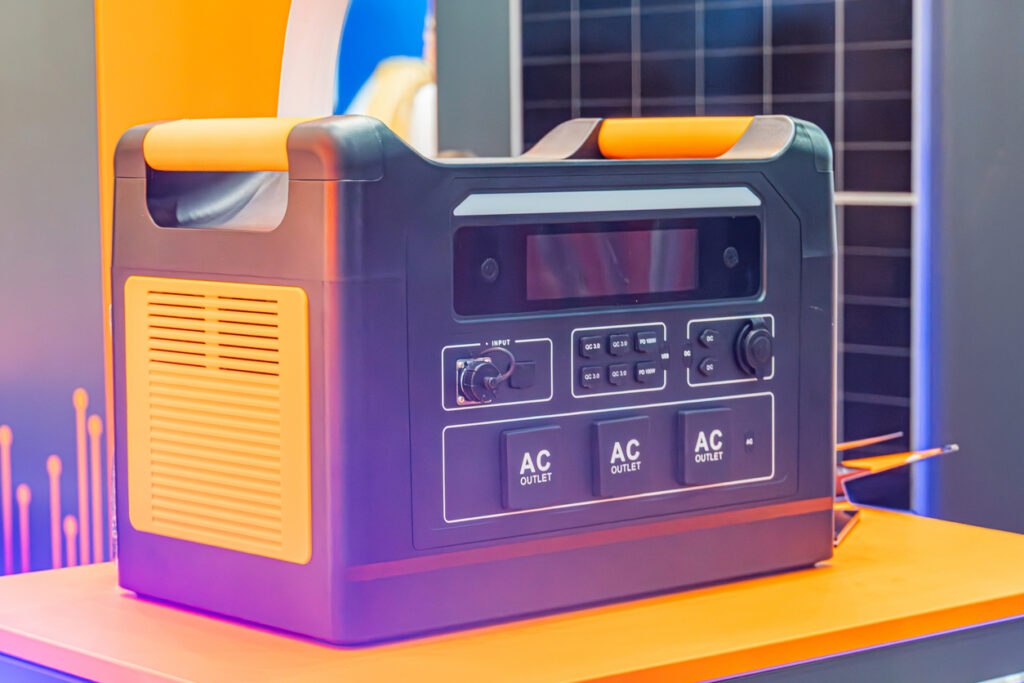
What Most Buyers Focus On First
My first purchase focused on battery size, wattage, price, and how many devices I could plug in. It’s a common starting point. These are the specs most shoppers zero in on:
- Battery Capacity: Usually shown in watt-hours (Wh).
- Wattage: Maximum output the station can deliver at once.
- Price: Budget models look tempting, often at $100–$300.
- Number of Outlets: AC, USB, DC, and sometimes car ports.
- Marketing Claims: “Fast charging,” “solar ready,” “pure sine wave,” etc.
These numbers matter, but barely hint at how a power station holds up when you need it most—or how reliable it is a year or two later. Specs are just the first step.
What Actually Matters In Real Use
Battery Quality & Lifespan
After a few cycles, weak batteries degrade fast. Premium models typically use higher grade lithium cells, so you’ll notice the battery percentage doesn’t drop as quickly after many uses. Units with LiFePO4 (Lithium Iron Phosphate) chemistry have become popular because they often last 2,000 to 3,000 cycles, compared to the 300 to 500 cycles you get from cheaper lithiumion packs. My own LiFePO4 units have kept close to full capacity after months in storage, while bargain brands sometimes lose power or fail outright.
Standby Power Drain
If you store your station for emergencies, you want to know it’ll still have a charge when the lights go out. Some budget models slowly discharge over weeks, even when switched off. It’s smart to check battery levels every couple of months, especially if you only use your station seasonally. Premium models generally have better hardware that reduces selfdischarge, so you can feel more confident when you pull the unit off a shelf months later.
Charging Stability & Safety
Reliable charging isn’t exciting, but it means fewer headaches. Cheap power stations can get hot when charged quickly, which shortens battery life or becomes unsafe. Better cooling fans, clear temperature controls, and battery management systems make a huge difference. My more expensive units barely warm up, while some bargain brands get worryingly hot, even if left plugged in overnight. Quality systems also protect against surges and overcharging, which is really important if you use sensitive medical equipment or run expensive devices.
Build Quality
Picking up a power station says a lot. Heavier duty handles, firm ports, thick cables, and strong cases are easier to trust in the field. Cheaper units often have lightweight plastic and wobbly connections. This doesn’t matter much if you use your station for phone charging at home, but if you’re hiking, fishing, or using it in the back of a truck, you’ll appreciate something built to survive knocks, drops, and bumpy travel. I’ve seen cheaper stations lose USB ports or develop loose AC sockets after a few trips.
Weather Resistance
Few power stations are waterproof, but highend models are built with tighter seals, dustproof cases, and protected screens. Some can handle humidity or high temperatures better, so outdoor use is less risky. For camping, boat, or RV use, having a model that shrugs off a little rain or dirt goes a long way. Just remember, even on premium units, you’ll want to store them away from direct water, and never use them in extremely wet conditions without extra protection.
You can also read my real-world outdoor guide here.
Practical Take: Who Actually Needs Premium Models?
How often you use your power station should shape your decision. If you only need a few watthours during a blackout or plan on easy weekend hikes, you can save a lot with a basic model. I have friends who’ve used $150 stations for years just to charge lights or inflators without issues.
If you travel off grid, depend on backup power during wild weather, or work in trades where electricity isn’t guaranteed, investing more often pays off. For me, the extra money bought peace of mind, better support, and less worry during emergencies. Warranty coverage is also really helpful if something breaks, since replacement parts and help can be tough to get from a lesser known brand.
Not Everyone Needs Premium
Not every buyer needs a premium power station. For occasional blackouts, festivals, or short camping trips, a basic unit may already cover phones, lights, and small electronics without problems.
Real World Situations Where Reliability Matters
LongTerm Emergency Storage
My power station sits stored for months—until a hurricane or sudden outage hits. It has to hold most of its charge and work immediately. Cheap models might lose power sitting, and their batteries sometimes degrade if not topped up regularly. Investing in a quality model gives me a much better chance of quick, dependable power, especially for critical items like radios, lights, or CPAP machines. A portable power station that sits unused for six months inside a garage or vehicle may behave very differently depending on battery quality and internal power management.
Camping & Fishing Trips
Outdoor adventures mean rough baggage handling, random rain, and cold nights. A solid build helps a lot. I’ve noticed lowend stations sometimes shut down in freezing temps or after being jostled. My reliable unit runs fine in the cold, and rubber covered ports keep dirt out. You’ll also appreciate a dependable model if you camp several nights or want to charge drones, laptops, or camera gear without wondering if everything will work until you get home.
Best portable power stations for camping and fishing
Power Outages
During a blackout, there’s no time for guesswork. You want the station to start up immediately and stay stable for fans, fridges, or small heaters. Lowpriced units sometimes take longer to boot or drop voltage if overloaded, potentially risking the devices you’re running. I also value quiet operation, especially overnight. Cheaper models may buzz or click loudly, while premium gear stays much quieter thanks to better fans and smoother inverters.
How to prepare your home for a power outage
Common Mistakes Buyers Make
- Buying just for wattage: Max output is useful, but battery quality and inverter stability are even more important over time.
- Ignoring battery chemistry: LiFePO4 batteries often outlast standard lithiumion or lead acid cells—worth tracking down if you want years of use.
- Going for the cheapest brand: Unknown brands sometimes vanish, leaving you without support or replacement batteries.
- Leaving fully discharged: Storing a dead battery longterm damages its lifespan. Keep it at 60 to 80 percent for best longterm health.
- Using indooronly gear outdoors: Exposing plastic units to wet, dusty, or bumpy use can break ports, screens, or even the battery inside.
What You Usually Get By Paying A Bit More
| Feature | Budget Models | Premium Models |
|---|---|---|
| Battery lifespan | Basic | Longer lasting |
| Charging stability | Average | More reliable |
| Warranty support | Limited | Better support |
| Weather tolerance | Basic | Improved durability |
| Build quality | Simple plastic | Stronger materials |
| Longterm reliability | Variable | More consistent |
Where Most Buyers Get The Best Value
In my experience, the best long-term value often sits somewhere in the upper mid-range category.
The cheapest units may work fine for light use, while the most expensive models sometimes add features many people never actually use. A well-built mid-range power station with reliable battery chemistry, decent support, and solid real-world performance is often the smartest balance for everyday users.
Practical Verdict
If your power station’s main job is topping off phones or lights during a quick outage, a smaller budget-friendly unit can work well. For anyone who camps, fishes, works off grid, or wants a reliable backup during storms, paying a bit more for battery chemistry, quality, and warranty often leads to less hassle and longer service life.
Features like LiFePO4 cells, robust battery management systems, and protected AC outlets aren’t just marketing, they really help when you’re left in the dark or far from home. After years with both cheap and premium units, peace of mind is worth the small upcharge if your safety or comfort depend on it.
Frequently Asked Questions
Are premium power stations safer?
Yes, most premium stations include better battery management systems and cooling, lowering risks from overheating or electrical issues. For important devices or overnight indoor use, that safety is tough to put a price on.
Do portable power stations lose charge when stored?
Almost all models lose some power over time. Cheaper ones often drain quicker, sometimes losing much of their charge after a few months. Premium versions generally keep more charge, but it’s smart to check and top up every few months.
Can power stations handle rain or storms?
Most stations should not be exposed to rain directly. Some premium models offer features to resist humidity or splashes. For outdoor use, keep them under cover or inside a weatherproof case.
How long do portable power stations typically last?
Basic units may last a couple of years with light use if built with cheaper lithiumion. Premium LiFePO4 models can provide reliable service for five years or longer, if not drained to empty constantly.
Is LiFePO4 better than lithiumion?
LiFePO4 batteries are generally safer, last thousands more cycles, and stay usable after sitting in storage. They’re a bit heavier, but the durability and stability are usually worth it.
Are cheap portable power stations worth the money?
If you only need backup power now and then and understand the limits, cheap units can be a reasonable pick. For longterm, frequent, or missioncritical needs, a small upgrade brings stronger performance and peace of mind.
Wrapping Up
Every power station has tradeoffs, and the best choice depends on your actual use. Reliability and battery quality usually matter more than fancy specs after several months or years of realworld use. A midrange or premium model with solid warranty can help you feel prepared and avoid lastminute stress during real emergencies.