
Some of the links on this page are affiliate links, which means I may earn a small commission if you make a purchase through them, at no extra cost to you. This helps support the site and allows me to continue creating helpful content.
Portable power stations have gained popularity as backup energy sources for outdoor enthusiasts and for those preparing for emergencies at home. Whenever I head out camping, fishing, or embark on a weekend road trip in the RV, a portable power station is one of the first items I pack. However, marketing terms like “outdoor ready” or “adventure proof” don’t always tell the full story about real performance in rain, snow, storms, or extreme weather. I’ve seen expensive units struggle under challenging conditions, while some affordable ones surprised me with their durability. In this guide, I’ll share insights drawn from thorough research and hands-on use, focusing on what truly matters when the weather turns, the grid is down, or you’re far from home.
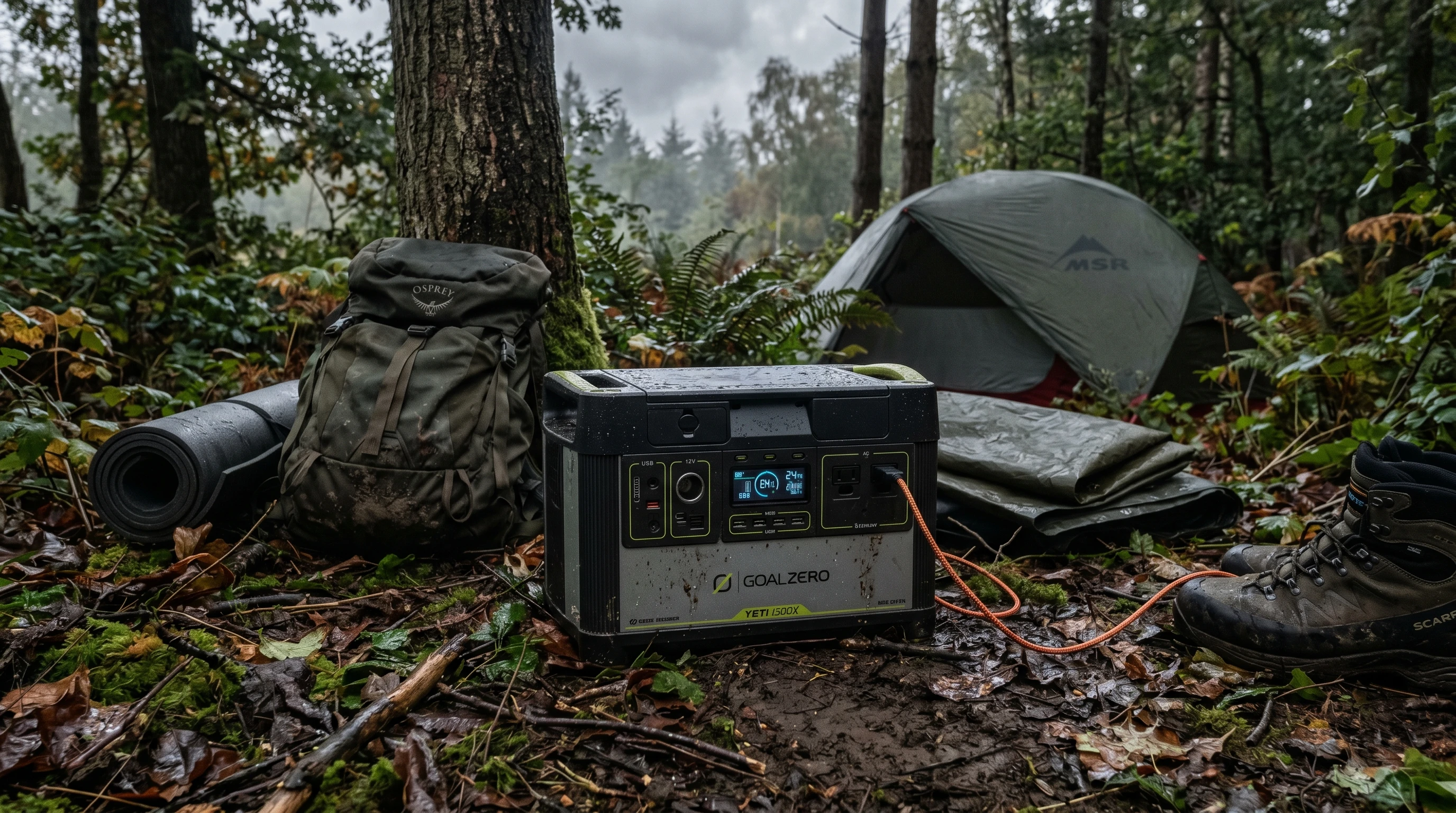
Quick Answer: Are Portable Power Stations Weatherproof?
Most of the portable power stations I’ve handled aren’t fully waterproof. They’re built for mobility and convenience, not for surviving drenching rain or a splash in a stream. Some premium models, particularly a few newer ones, provide stronger protection against water splashes, dust, and temperature extremes. Most midpriced units really are best described as “covered outdoor use”—think under an awning or inside a tent. How you store and handle your station is just as important as what brand you pick. Care in bad weather can make even an entrylevel unit last far longer.
👉 Compare today’s leading outdoor ready portable power stations here.
What “Outdoor Ready” Actually Means
Many assume that portable power stations labeled for outdoors can withstand anything. In reality, “outdoor ready” usually refers to a unit being easy to carry outside, with a tough case that resists bumps and light dust. The difference lies in splash resistance versus true waterproofing. Splash resistance (like IPX4) means it can survive a few drips, but true waterproof ratings (such as IP67) are rare for power stations since batteries need some airflow for cooling, which makes a completely sealed design challenging.
Check the IP rating before trusting your power station outdoors in rain or snow. Manufacturers list this on boxes or in manuals. If there’s no IP rating, I always act as if my device needs protection from direct moisture.
Can Portable Power Stations Handle Rain?
Light Rain & Humidity
Some models with plastic casings and rubber port covers hold up surprisingly well against high humidity and light rain. I often use mine under a tent flap or a covered porch in a drizzle without problems. I keep it off wet ground and away from standing water. Simple solutions like a plastic crate, sealable tote, or even a large plastic bag with exposed ports make for great insurance.
Heavy Rain & Storm Conditions
Exposure to heavy rain or splashes is still a real risk. Water can seep into charging points, cooling vents, and along the seams of the case. Once inside, moisture can short out electronics or corrode the battery. Even if a unit keeps working, it may not last. In bad weather, I stash power stations inside a weatherproof box or at minimum keep them in a tent or RV. Staying alert for quick moving storms is crucial if you’re camping or parking somewhere remote.
Salt Air & Coastal Camping
Coastal trips bring salty air and mist that can corrode contacts and battery ports over time. After being at the shore, I wipe my power station down and dry it in a cool spot indoors to guard against corrosion. If yours sees beach or boat use, a good cleaning before longterm storage helps a lot.
Cold Weather Performance
Battery Efficiency Drops In Cold Temperatures
Lithium batteries, the standard in most stations, lose efficiency below freezing. One frigid winter night, I realized my power station barely covered half the expected time running a heater at about 20°F. Cold drains batteries faster and makes charging slower and more difficult.
How long portable power stations hold charge
Startup Problems In Budget Units
Some affordable power stations struggle to start or charge in deep cold, thanks to less robust battery management. I’ve had to warm up entrylevel units in my truck before they’d power up. Models with internal heaters or fancier battery controls fare better just below freezing and some promise safe use well below 0°F.
Compare different portable power stations here
Smart Storage Tips For Winter
Storing a fully drained power station in an unheated garage during winter can destroy the battery. This happened to a friend last year; his station wouldn’t charge after sitting out the cold months. I recommend storing it with 50–80% charge and never letting it freeze rock solid. Topping up every couple of months helps keep the battery in shape, too. A parked vehicle in summer can easily reach dangerous temperatures for batteries, even if the weather outside feels manageable.
Heat & Summer Storms
High heat challenges batteries and electronics. Leaving a power station in a car or tent in full sunshine can overheat it rapidly. I always look for models with active fans, ventilation, and built in overheat protection. If it’s hot enough for the unit to feel warm, I unplug it and let it cool before recharging. Top tier stations often have thermal sensors, shutting down or reducing power if overheated, but cheap ones might keep running until something gives out.
When running highdraw items like fridges or CPAPs in the heat, cooling matters even more. I stash my station in the shade and avoid direct sunlight, taking a break if the case heats up.
Real World Situations Where Durability Matters
Fishing Trips
Early morning outings usually mean dew, slick grass, and muddy gear. My power station lives in a dry bag or crate with a towel underneath. It sometimes gets splashed, but with a quick dry off and care around the ports, problems are rare.
Camping & RV Travel
RV adventures or tent campouts put power stations through bumpy rides, dust, and sudden temperature shifts. That’s why I reach for heavier, wellsealed models with tough cases. Power stations go through lots of cycles on the road, so battery quality is crucial.
Best portable power stations for camping and fishing
Emergency Power During Storms
During outages, you need to grab your station and connect essentials quickly. I keep my unit charged and stored securely where it won’t get too hot or cold. It’s come through every time after a storm, starting reliably and powering devices overnight.
I cover more emergency blackout prep tips in this guide.
Cheap vs Premium: What Changes Outdoors?
| Feature | Budget Models | Premium Models |
|---|---|---|
| Moisture protection | Basic sealing | Improved protection |
| Battery stability | Variable performance | More consistent performance |
| Cooling systems | Simple fans/vents | Better heat control |
| Cold weather behavior | Inconsistent | More predictable |
| Build quality | Light materials | Robust shells |
| Longterm durability | Mixed results | Usually higher |
Cheap vs premium portable power stations
Practical Take: Who Really Needs Better Weather Resistance?
If you only need your portable station for rare indoor outages, the highest level of weather protection might not be critical. For people who camp often, travel big distances, or depend on one for days outside, extra toughness and weather protection are worth the investment. It means better consistency, longer battery life, and less stress when conditions change outdoors unexpectedly. In my experience, many upper mid-range models deliver the best balance between durability, battery quality, and price without stepping into extremely expensive “professional-grade” territory.
Compare current portable power stations and solar generator kits here.
Common Mistakes People Make
- Assuming “outdoor” means waterproof: Many believe “outdoor rated” covers everything. Splashproof doesn’t mean safe in serious storms or huge puddles.
- Leaving units in rain or sunlight: Always cover power stations if there’s a chance of rain and avoid direct sunshine during hot days.
- Storing batteries empty: Letting batteries drain for months, especially when cold, can run them below safe voltage.
- Ignoring ventilation: Charging your station in a stuffy bag or closed tote can cause overheating, risking longterm damage.
- Choosing only by wattage: Higher wattage isn’t a substitute for durability or weather protection.
Practical Storage Tips
- Keep your power station dry and cool. Damp garages or sheds shorten its lifespan.
- Top up the battery to 50% or more every few months if not in use, to protect against deep discharge.
- After trips—especially near water—dry all the ports. Use a soft brush for sand or dust.
- For rough outings, use a sturdy weatherproof case or plastic tote to guard against drops and moisture.
- Don’t leave the device in a car or tent where the temperature can swing to extremes.
Frequently Asked Questions
Here are some questions I’m often asked about portable power stations and weather:
Are portable power stations waterproof?
Most are not truly waterproof. Some can take light splashes or brief rain but should never be left in heavy wet conditions.
Can power stations be left outside overnight?
Only if they stay dry and out of dew or rain. I keep mine inside tents or covered areas overnight.
Do batteries lose capacity in winter?
Yes. Lithium batteries perform worse in cold; they power devices for less time and recharge more slowly. Warm storage helps maintain capacity.
Is LiFePO4 better for cold weather?
LiFePO4 (Lithium Iron Phosphate) batteries offer safety and long lifespans, but still can struggle below 32°F. Models with heaters inside manage best in the cold.
Can humidity hurt portable power stations?
Over time, moisture and salty air can corrode ports and reduce lifespan. Storing your unit dry and cleaning it after trips helps prevent issues.
Are premium stations more durable?
Usually, yes. More costly power stations use better materials, improved sealing, and smarter battery systems to hold up under tough use.
Final Thoughts
Portable power stations are solid tools if you treat them with reasonable care and shield them from harsh weather when needed. Robust weather resistance is extra important for camping and outdoor trips, but for home emergencies, almost any well-kept model will do. I focus on dependability, battery quality, and smart storage. With good care, a portable power station can serve you for years and shine when the power goes out or you’re enjoying the outdoors off the grid.
👉 Check out top outdoor ready portable power stations and pricing here.