
Some of the links on this page are affiliate links, which means I may earn a small commission if you make a purchase through them, at no extra cost to you. This helps support the site and allows me to continue creating helpful content.
Portable power stations can hold charge for a long time in storage, but they do not stay full forever. Even when turned off, the battery may slowly lose charge because of self-discharge, internal electronics, temperature, battery age, and storage conditions.
This matters for emergency backup, camping gear, RV storage, home office backup, and seasonal use. A power station that has been sitting unused for months may not have the charge level you expect unless it has been checked and maintained.
This guide explains how long portable power stations may hold charge, why some drain faster than others, how storage conditions affect battery health, and how to keep your unit ready for outages or occasional use.
Quick Answer
Portable power stations slowly lose charge over time, even when turned off. The exact rate depends on the model, battery chemistry, battery management system, storage temperature, charge level, battery age, and manufacturer guidance.
Some units may only lose a small amount of charge each month in good storage conditions, while others may drain faster. For emergency use, it is better to check the battery level every few months instead of assuming it will always be ready after long storage.
Why Battery Storage Performance Matters
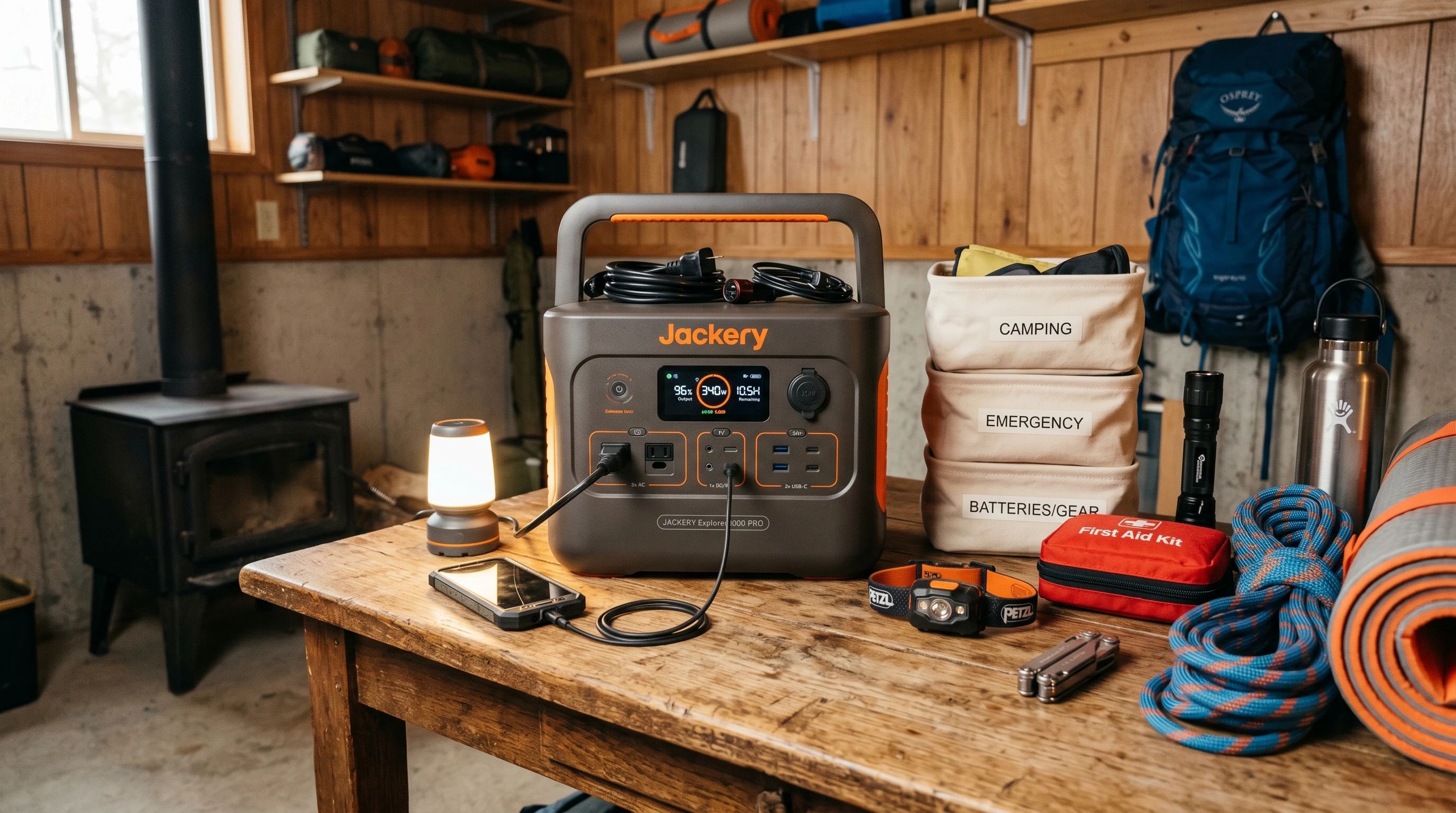
Storage performance matters because a portable power station is often bought for situations where power may be needed after weeks or months of little use.
This can include:
- home power outages
- storm preparation
- camping or fishing trips
- RV storage
- home office backup
- communication devices during outages
- seasonal emergency kits
If the battery has drained too much during storage, the unit may not provide the runtime you expected. For medical devices or critical equipment, do not rely on a portable power station unless the device manufacturer, healthcare provider, or qualified professional confirms the setup is suitable.
How Fast Do Portable Power Stations Lose Charge?
Normal Self-Discharge Rates
Every battery slowly loses charge over time. This is called self-discharge. Portable power stations may also use a small amount of energy for internal electronics, battery monitoring, displays, or standby systems.
The exact drain rate depends on the model, battery chemistry, battery management system, storage temperature, starting charge level, and battery age. Some units may lose only a small amount of charge each month in good storage conditions, while others may drain faster.
This is why emergency users should check the battery level periodically instead of assuming a stored power station will always be ready.
Why Some Models Hold Charge Better Than Others
Some portable power stations hold charge better than others. The difference may come from battery chemistry, battery quality, battery management systems, standby power use, firmware, and overall design.
Budget models may use simpler battery management or less efficient standby systems. Higher-end models may offer better battery monitoring, lower standby drain, longer warranties, or more predictable storage behavior.
However, price alone does not guarantee storage performance. Always check the manufacturer’s storage guidance, warranty terms, battery chemistry, and user documentation before relying on a unit for emergency backup.
Battery Chemistry Can Affect Storage
Battery chemistry can affect storage life, cycle life, weight, cost, and long-term performance.
Many portable power stations use lithium-ion battery chemistry, while newer or more premium models may use lithium iron phosphate, often called LiFePO4 or LFP.
LiFePO4 batteries are often valued for long cycle life, stable performance, and good durability. However, storage performance still depends on the model, battery management system, temperature, charge level, and manufacturer guidance.
Standard lithium-ion batteries can still work well, especially in lighter or more compact power stations, but they may be more sensitive to long-term storage conditions such as heat, full charge storage, or deep discharge.
The best choice depends on how often you use the unit, whether it is for emergency backup, and how long it may sit unused between checks.
Real-World Situations Where Charge Retention Matters
Charge retention matters most when the power station may sit unused for long periods.
Common examples include:
- Home emergency backup: The unit may sit in a closet until a storm or outage.
- Camping and fishing gear: The power station may only be used during certain seasons.
- RV storage: Long parking periods and temperature swings can affect battery condition.
- Home office backup: The unit may be needed suddenly during a power cut.
- Communication backup: Routers, modems, phones, and lights may depend on stored battery charge.
- For any important use case, check the battery level before the season or outage risk period begins.
Quick Storage Checklist
Before storing your portable power station for more than a few weeks:
- Check the manufacturer’s recommended storage charge level
- Avoid leaving the battery fully drained for long periods
- Turn the unit fully off if the model allows it
- Store it indoors in a cool, dry, ventilated place
- Avoid hot cars, damp sheds, freezing garages, and direct sunlight
- Check the battery level every few months
- Keep ports, vents, and cables clean
- Follow the storage instructions in the user manual
Common Storage Mistakes
- Letting batteries die completely before storage
- Leaving the power station out in freezing temperatures (garages, sheds, or vehicles)
- Forgetting and letting the battery sit fully charged at 100% month after month
- Storing units in hot cars or direct sunlight during summer
- Going for six months (or longer) without checking or topping up the battery
- Not reading or following the storage section in the user manual
These mistakes may speed up battery aging, reduce storage performance, and leave the unit with less charge than expected when it is needed. The risks are higher for those in extreme climates, so taking a few simple precautions can help you avoid these pitfalls and support longer battery life.
Best Practices for Long-Term Storage
Follow the Recommended Storage Charge
Many lithium-based power stations should not be stored fully drained for long periods. Some manufacturers recommend partial charge for storage, while others may recommend a higher charge for emergency readiness.
Check the manual for the correct storage charge level for your model.
Check and Recharge Periodically
Stored power stations should be checked periodically. Many users check every few months, but the best schedule depends on the model and manufacturer guidance.
If the charge level has dropped too low, recharge it according to the manual.
Store in a Cool, Dry Indoor Location
A cool, dry indoor location is usually safer than a hot garage, damp basement, outdoor shed, or car. Avoid direct sunlight, freezing conditions, moisture, blocked vents, and nearby heat sources.
Keep Ports, Vents, and Cables Clean
During periodic checks, inspect the unit for dust, blocked vents, damaged cables, loose connectors, unusual heat, swelling, leaks, strange smells, or new error messages. Stop using the unit and contact the manufacturer if anything seems unsafe.
Cheap vs Premium: What Changes Over Time?
| Feature | Budget Models | Premium Models |
|---|---|---|
| Self-discharge rate | May be higher | May be lower |
| Battery lifespan | May be shorter | May be longer |
| Long-term reliability | Mixed | May be more consistent |
| Battery management | Often simpler | Often more advanced |
| Storage performance | Variable | May be more predictable |
Who Needs Better Charge Retention?
Better charge retention matters most for people who store a power station for long periods and expect it to work during an outage or seasonal trip. Casual users may be fine with regular charging and basic storage habits, especially if the unit is used often. Emergency preparedness users may want stronger battery management, clear storage guidance, a reliable warranty, and a model that performs predictably after storage. Outdoor and RV users may also benefit from better long-term storage behavior, especially if the power station sits unused through winter or summer.
Signs a Portable Power Station May Be Aging Poorly
A stored power station may need closer attention if you notice:
- battery level drops much faster than before
- charging becomes unreliable
- the percentage display jumps or seems inaccurate
- sudden shutdowns during use
- noticeably shorter runtime than when new
- unusual heat during charging or use
- swelling, leaks, strange smells, burn marks, sparks, or new error messages
If these issues appear, stop using the unit if there are safety concerns and contact the manufacturer. For emergency backup, consider having another backup option if the main unit is no longer reliable.
Related Guides
If you are learning how to store, maintain, and use a portable power station safely, these related guides may also help:
- How to Store a Portable Power Station Safely at Home
- Portable Power Station Maintenance Checklist
- Can You Leave a Portable Power Station Plugged In?
- Portable Power Station Runtime Explained
- What Can You Run on a Portable Power Station?
- Best Portable Power Stations for Storm Preparedness
Frequently Asked Questions
How long can portable power stations sit unused?
Portable power stations can often sit unused for weeks or months, but the remaining charge depends on the model, battery chemistry, storage temperature, starting charge level, battery age, and manufacturer guidance. Check the battery level periodically if the unit is used for emergency backup.
Do portable power stations lose charge when turned off?
Yes. Portable power stations can slowly lose charge even when turned off because of battery self-discharge and internal electronics. The rate depends on the model and storage conditions.
Is LiFePO4 better for storage?
LiFePO4 batteries may offer long cycle life and stable storage performance, but results still depend on the power station design, battery management system, temperature, charge level, and manufacturer guidance.
Can cold weather damage stored batteries?
Cold storage can reduce battery performance, and charging lithium batteries below the manufacturer’s recommended temperature range may cause problems. Store the unit according to the manual and avoid extreme cold when possible.
Should power stations stay plugged in all the time?
It depends on the model. Some manufacturers allow longer plugged-in periods, while others recommend unplugging after charging. Follow the manual rather than assuming constant charging is safe for every unit.
How often should you recharge a stored power station?
Many users check a stored power station every few months, but the correct schedule depends on the model and manufacturer guidance. Recharge according to the manual if the battery level drops too low.
Bottom Line
Portable power stations can remain useful after storage, but they slowly lose energy over time. The exact rate depends on battery chemistry, battery management, storage temperature, battery age, starting charge level, and manufacturer guidance. For emergency backup, do not assume the unit will always be ready after months of storage. Check the battery level periodically, store the unit in a cool and dry indoor location, avoid deep discharge, and follow the storage instructions in the manual. Good storage habits can help protect battery health, reduce unexpected drain, and make the power station more reliable when it is needed.