
Some of the links on this page are affiliate links, which means I may earn a small commission if you make a purchase through them, at no extra cost to you. This helps support the site and allows me to continue creating helpful content.
Portable power stations have become almost essential gear for camping, fishing, RV trips, and off-grid weekends. They can keep phones charged, lights running, fish finders powered, and portable fridges cold when you are far from a wall outlet. But outdoor use is different from using a power station at home. Damp mornings, cold nights, bumpy roads, muddy campsites, and long storage periods all test a battery in ways a simple spec sheet does not show. In this guide, I’ll break down what actually matters when choosing a portable power station for camping and fishing trips, including capacity, durability, weather protection, battery chemistry, storage performance, and the features that are genuinely worth paying more for.
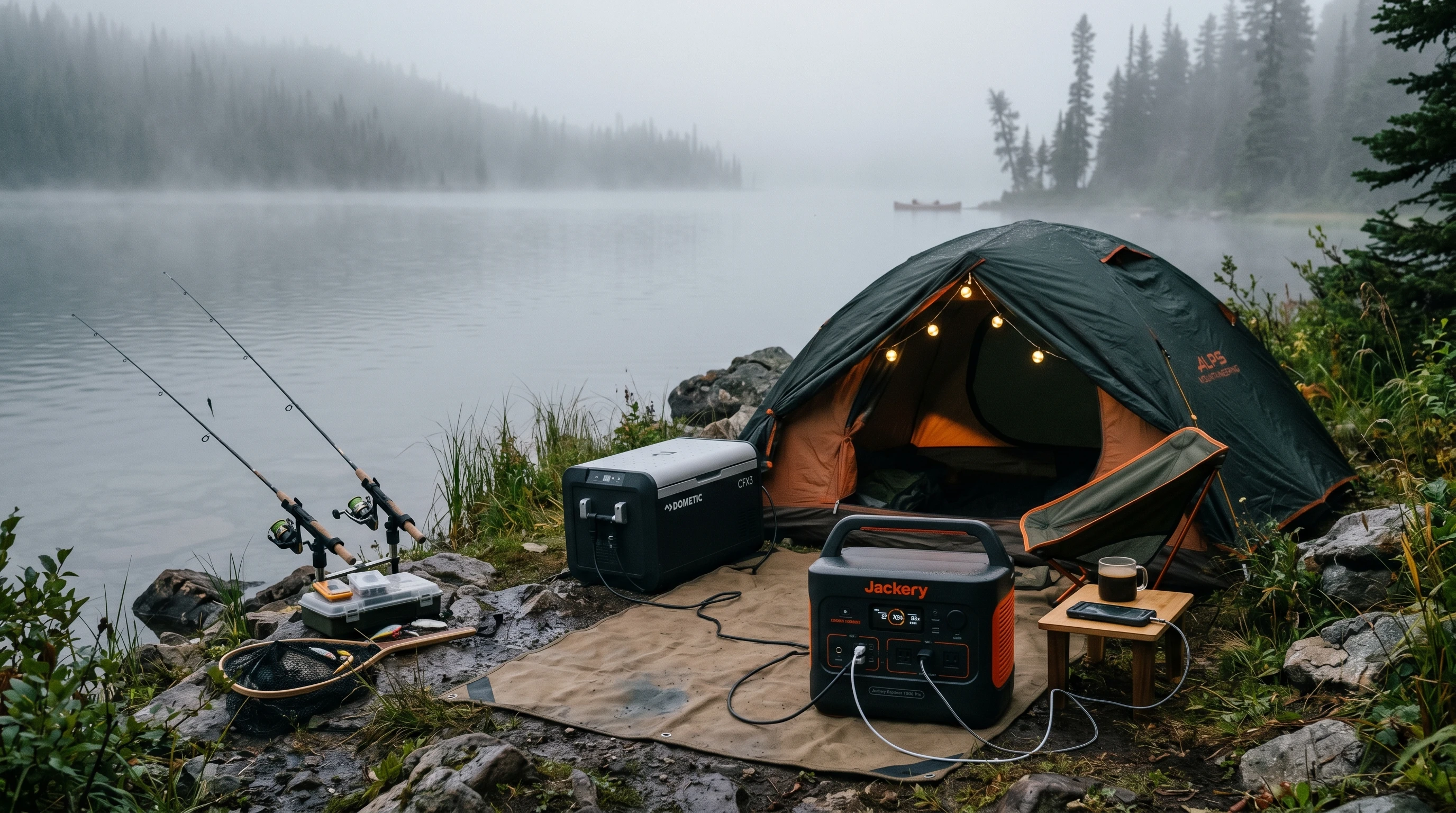
Quick Answer: What Makes a Good Outdoor Power Station?
I never pick outdoor battery gear based on one single spec or a brand’s promises. What actually works defines what’s good. Here’s what I stick to for any portable power station for fishing or camping:
A good portable power station for camping and fishing should be reliable, easy to carry, durable enough for outdoor use, and large enough to run your essential gear without being oversized. For most weekend camping trips, a 500–1000Wh model is a practical middle ground. For day fishing, smaller 200–500Wh units may be enough, while RV trips or portable fridges often need 1000Wh or more.
Battery chemistry, weather protection, port quality, and long-term storage performance matter just as much as headline wattage.
What Outdoor Users Actually Need From a Power Station
Reliability Matters More Than Fancy Features
Weather, muddy trails, morning mist, and bumpy vehicle rides are all part of the experience. I know I’d rather have a power station that just works under rough conditions than one that brags about WiFi or Bluetooth apps I’ll never use outdoors. The real annoyance is finding out your battery is dead when you need it, or you left the lights on overnight and the fridge warmed up. A plain, reliable station really does save a trip.
Weight and Portability
If you’re hauling your gear by foot, kayak, or small boat, lighter stations are a relief. I learned that tiny stations are good for keeping phones and headlamps charged, but get overwhelmed by fridges or heavy gadgets. Heavy duty stations feel secure and run longer, but can be annoying on hikes or when space is tight. There’s real value in matching the battery size to your actual trip style instead of grabbing the biggest one you see.
Battery Runtime
What actually drains power when you’re outdoors isn’t always what you expect. Portable fridges, air pumps, CPAP machines, and fish finders can pull a lot more current than just charging a phone. A drone battery and camera gear also add up after a couple of flights or photo sessions. If you’re camping, keeping a couple of LED lights on all night and running a fan in hot weather can eat up more battery than simply recharging a phone or GPS. I always ask myself: how many hours or days will the most power-hungry item be on, and does the power station handle that without running totally flat?
Best Power Station Sizes by Trip Type
| Trip Type | Recommended Capacity | Best For |
|---|---|---|
| Day fishing trips | 200–500Wh | Phones, fish finders, lights, small electronics |
| Weekend camping | 500–1000Wh | Lights, phones, fans, small fridge, camera gear |
| RV & multi day trips | 1000Wh+ | Fridges, CPAP machines, laptops, longer runtime |
| Emergency backup camping | LiFePO4 preferred | Better lifespan, safer chemistry, stronger storage performance |
Best solar generators for camping
Weather & Outdoor Durability
Can Portable Power Stations Handle Rain?
Most of the power stations I’ve handled really do not like heavy rain or deep splashes. They are generally “weather resistant,” which means short exposure is okay, but soaking or dropping them in water is going to cause problems. When rain looks likely, I usually stash my power station in a weatherproof storage box or a heavy-duty dry bag while charging or using gear around camp. Some brands make soft covers, but in my experience, simple plastic tubs with tight lids or large dry bags do the job just fine. Keep ports covered whenever possible, especially if it gets misty or muddy during a trip.
👉 For a deeper look at rain, cold, and storm use, see my portable power station weather guide.
Cold Weather Performance
Batteries naturally lose efficiency in the cold. I’ve seen power stations that lose charge fast or refuse to deliver full output once the temperature drops below freezing. Premium stations might use LiFePO4 batteries or have better battery management that keeps performance steady in cold weather. I like to keep my station inside the tent or RV overnight if it’s freezing out. If it gets really cold, starting the day with a fully charged battery is a priority, since recharge speeds also drop when batteries are cold.
Dust, Mud & Rough Travel
Camping and fishing gear gets dragged, dropped, and stuffed into vehicles. Scratches and dings are just part of the outdoors, but they can mess with the ports and switches on a cheap unit. Rubber port covers, solid handles, and tough casing make a big difference over time. I’ve fixed cracked buttons with tape after falls, but long term, better built gear just holds up better on bumpy rides or muddy shorelines.
Camping Situations Where Quality Really Matters
Running Portable Fridges Overnight
Not all portable power stations will actually last overnight when running a fridge, especially if nights are warm or you’re opening the fridge often. I found that cheap stations sometimes shut off early, drain faster than expected, or fail to keep up with a steady power draw. That can mean soggy food, spoiled meals, or a busted trip plan. Steady, predictable battery output means your cold stuff stays cold and you get reliable performance, not random surprises in the morning.
Charging Devices After Days Outdoors
After several days outside, batteries that held their charge well become obvious compared to stations that seem to run down even when barely used. I keep some power reserved for essential gear, and like to know my station will deliver a full charge even if it’s been sitting in storage for weeks.
Portable power station storage and battery drain guide
Emergency Storm Situations
Bad weather and surprise storms are stressful enough without worrying about whether your light, phone, or radio is about to die. I once had to deal with a power station that failed after a sudden downpour. My backup unit with better water protection saved that night. I now have more confidence in reliable power sources during emergencies than any single big watt rating could ever give.
How to prepare your home for a power outage
Cheap vs Premium Outdoor Power Stations
| Feature | Budget Models | Premium Models |
|---|---|---|
| Build quality | Basic plastic | Tougher materials and stronger handles |
| Battery lifespan | Usually shorter | Usually longer lasting |
| Weather resistance | Minimal protection | Better sealing and port covers |
| Cold weather behavior | Less predictable | More stable performance |
| Long-term reliability | Mixed | More dependable over repeated trips |
| Warranty support | Limited or unclear | Usually stronger brand support |
What actually matters when comparing budget and premium power stations
Practical Verdict: What’s Actually Worth Spending More On?
- Better battery chemistry (LiFePO4 in particular stays stable and lasts a lot longer than older lithium-ion models.)
- Reliable, sturdy ports and solid cables. Wobbly AC sockets, USB jacks that loosen, and switch failures are common in ultra-cheap units and drive me up the wall if I’m relying on them for a whole weekend.
- Strong battery management systems that handle cold, shut off safely, and protect your gear from surges or deep discharge.
- Warranty support from a brand that will actually answer you if you have trouble down the line.
- Better long term storage performance, so you know your station won’t lose its charge completely before your next trip.
What Usually Doesn’t Matter As Much
- Giant digital displays or smart apps that only work with perfect cell coverage (which I rarely have outdoors anyway).
- Huge max wattage numbers that most people never actually use when camping or fishing.
- Hyped up smart features that do nothing for basic power or add more stuff that can break over time.
Common Mistakes Outdoor Buyers Make
- Buying the largest capacity available and finding it too heavy or bulky for your actual trips.
- Ignoring overall weight and dimensions. After miles of walking or paddling, every extra pound matters.
- Assuming “outdoor” labelling means waterproof when most are only splash resistant at best.
- Leaving the battery fully drained for weeks after a trip, which hurts its longevity and can sometimes fully kill it.
- Picking the absolute cheapest, unknown brand station to save a few bucks, only to find it stops holding charge just outside return policy windows.
Practical Storage & Maintenance Tips
- Recharge after every trip, even if you only used a little bit of capacity. Batteries like being stored above empty.
- For longer term storage, keep units at around 50–80% charge—this is the sweet spot for most lithium based batteries.
- Keep charging and output ports dry and closed up when not needed. Even a bit of mud or sand can cause problems over time.
- Avoid leaving power stations in direct sunlight or hot car trunks for long periods, as high temperatures speed up battery wear.
- Test your power station for a day or two before any really long trip or emergency use. Early tests catch most problems ahead of time.
What I’d Prioritize For Camping & Fishing
If I were choosing one portable power station mainly for outdoor trips, I would prioritize:
- 500–1000Wh capacity for weekend use
- LiFePO4 battery chemistry if the budget allows
- Strong handles and protected ports
- Quiet operation
- Good warranty support
- Reliable storage performance between trips
- Enough output for the most demanding device I actually use
Compare current portable power stations and solar generator kits here.
Frequently Asked Questions
What size portable power station is best for camping?
I use a 500–1000Wh station for most weekend or family camping trips. For solo or day hikes, I sometimes bring a 200–300Wh unit just for lights and phones. If you plan to run a fridge or CPAP, a 1000Wh+ model is safest.
Are portable power stations good for fishing trips?
Yes, especially when powering fish finders, aerators, or small electronics. For shore fishing or kayak outings, I look for compact, easy to carry models with 200–500Wh capacity and strong output ports.
Can portable power stations power a camping fridge?
Yes, many portable power stations can power a camping fridge. Most small camping fridges draw around 30–70 watts while running, but actual runtime depends on temperature, insulation, fridge size, and how often you open it. A 500Wh station may work for shorter use, while a 1000Wh+ model is usually better for weekend trips.
Do power stations work in cold weather?
They work, but battery performance usually drops below freezing. I try to keep batteries warm overnight and use brands with better cold weather reputations, often built with LiFePO4 batteries.
Are expensive portable power stations worth it?
If you take regular trips or rely on your station in emergencies, premium units can be worth it just for durability and peace of mind. If you’re only going to use it once or twice a year, a simple, reliable budget model is fine. Just don’t expect miracles.
How long can a power station last outdoors?
A good station that’s recharged and stored well holds up for 3–8 years of solid use. Batteries lose some capacity every year, but I regularly use stations that are 4–5 years old with no big issues, especially those built for outdoor use and maintained with care.
Final Thoughts
When you’re out camping or fishing, outdoor reliability matters far more than a spec sheet. I’ve seen midrange and premium stations make trips safer, easier, and way more fun, especially over years of trips. Whether you camp monthly or only a couple of times a year, matching your power station to your true outdoor needs, rather than size or price tag alone, pays off every time. With the right unit, you can worry less about batteries and focus way more on your adventure.
👉 Compare current camping ready portable power stations and pricing here.