
Some of the links on this page are affiliate links, which means I may earn a small commission if you make a purchase through them, at no extra cost to you. This helps support the site and allows me to continue creating helpful content.
Portable power can make a huge difference during camping trips, RV travel, storms, or unexpected power outages at home. One thing I noticed while researching backup power is that many people use the terms “portable power station” and “solar generator” interchangeably, even though they are not exactly the same.
After comparing and using both setups, I realized the differences matter a lot depending on how long I need power, how I plan to recharge, and whether I’m preparing for camping, off-grid travel, or emergency home backup.
Quick Answer
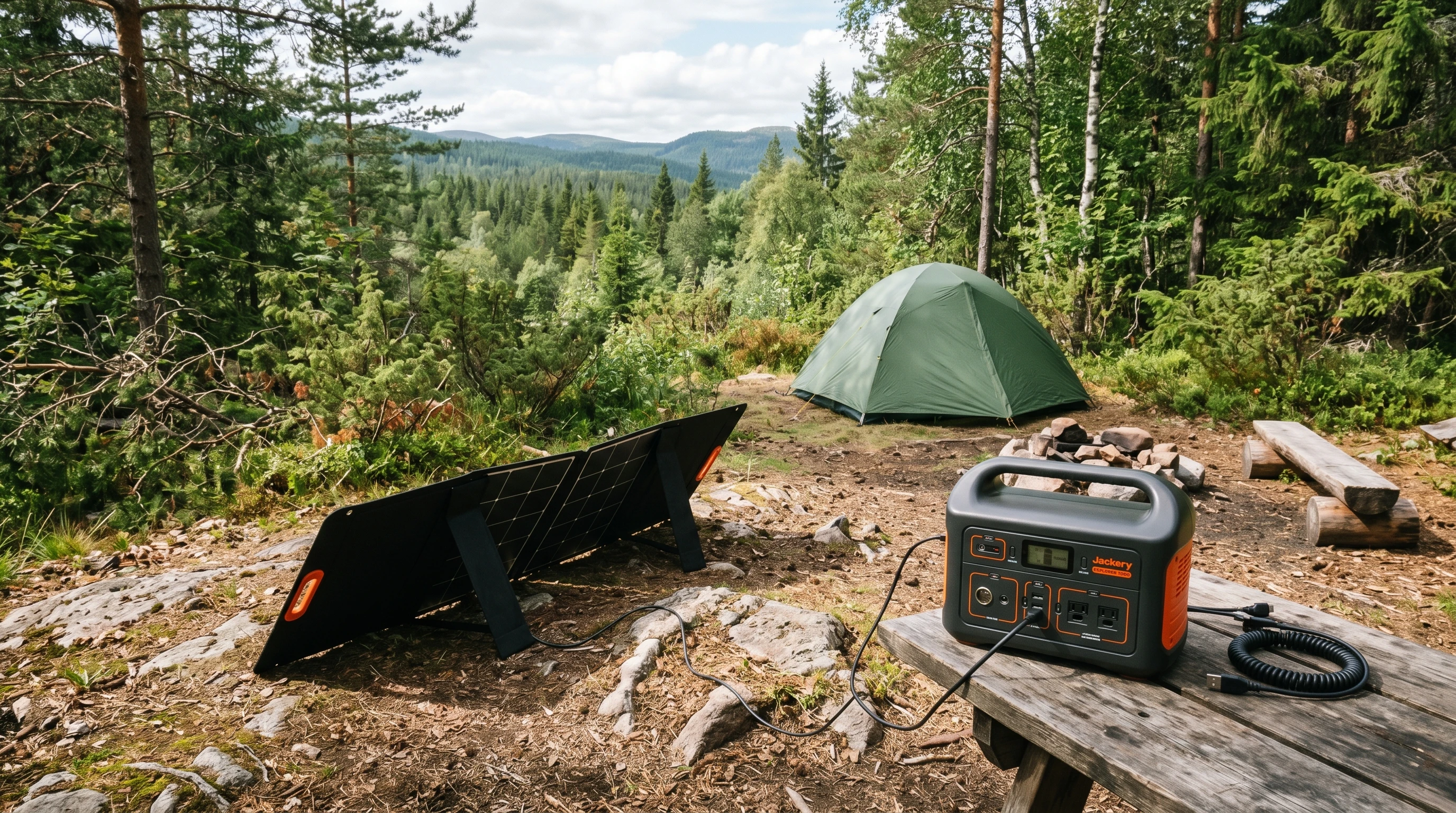
A portable power station is mainly the battery unit on its own. It stores electricity and lets me charge or run devices through AC outlets, USB ports, and more. A solar generator usually means a portable power station bundled with solar panels so I can recharge my battery using sunlight as well as traditional plugs or my car outlet. For a quick camping trip or apartment backup, a portable power station often works just fine. If I’m going off-grid, camping for longer, or want to handle longer outages, having a solar generator setup with panels gives me a lot more flexibility.
👉 Compare current portable power stations and solar generator kits here.
What Is A Portable Power Station?
A portable power station is a rechargeable battery box that’s built to be carried anywhere. I’ve used it to plug in and charge everything from my phone to portable fans and laptops. Many offer several outlet types—AC, USB, and sometimes DC carports—so I can run lights, CPAP machines, camera batteries, drones, and even small coolers. Charging up the power station is simple; plug it into the wall at home, use the car while driving, or sometimes use solar panels (if the inputs are compatible).
Best for:
- Weekend camping trips
- Fishing or boating adventures
- Apartment or condo backup (when I don’t want loud gas generators)
- Emergency lighting outdoors or at home
- Keeping phones, tablets, and cameras charged
What Is A Solar Generator?
A solar generator is basically a portable power station that’s bundled or paired with solar panels. The key difference is that it’s designed for recharging with sunlight in addition to traditional charging. The name can be a bit misleading, since solar generators don’t burn fuel, and they don’t make electricity the same way a noisy gas generator does. Instead, the solar panels collect sunlight, convert it into electricity, and recharge the battery. I’ve found this option great for camping, RVing, and home use when I want to go days without plugging into the grid.
Best for:
- Multi-day or weeklong camping or overlanding
- RV travel or living a vanlife lifestyle
- Off-grid weekends at cabins or remote locations
- Staying powered during long home outages (like after hurricanes or ice storms)
- A renewable backup where I can’t burn fuel (campgrounds or indoors)
Portable Power Station Vs Solar Generator
| Feature | Portable Power Station | Solar Generator |
|---|---|---|
| Main Setup | Battery unit | Battery plus solar panels |
| Recharging | Wall, car, sometimes solar | Solar, wall, and car |
| Best Use | Short-term backup | Longer off-grid use |
| Cost | Usually lower | Usually higher |
| Setup | Simple | Needs more planning |
| Runtime | Limited by battery size | Can extend with sunlight |
Which Is Better For Camping?
For most short camping trips, I find that a portable power station supplies all my needs. It’s simple to pack and keeps my phone, lights, or cameras running for a couple of days. If my trip is longer, or if I’m running things like a portable fridge, CPAP machine, or a bunch of camera batteries, I really start to appreciate adding a solar panel. With even a small solar panel, I can keep topping off my battery during the day, which is a game changer for multi-day adventures or RV road trips.
Here’s what I’d recommend for battery size:
- Day trips: 200–500Wh (enough for phones, a light, and maybe a small speaker)
- Weekend camping: 500–1000Wh (helps keep multiple devices and lights going)
- RV or fridge use: 1000Wh+ (needed if I’m keeping a small fridge, fan, or other 12V gear running)
Which Is Better For Home Backup?
When winter storms or hurricanes knock out power, I use my portable power station to keep a few essentials charged—a phone, some lights, maybe the WiFi router, or a small medical device. This works for short outages (a few hours to overnight). For anything longer, having a solar generator setup means I can keep recharging during daylight, so I’m not just draining the battery with no way to refill it. This is super important if I have a CPAP machine, a small fridge for medicine or food, or if family members need reliable power for work or communication.
Typical needs at home during outages:
- Phones and tablets (keeping everyone connected)
- WiFi router (for internet if the network is up)
- Laptops (for remote work or school)
- LED lights and radios
- Medical equipment (CPAP, nebulizers)
- Small fridges or portable coolers
What Actually Matters Before Buying
I learned that picking the right setup goes way beyond just looking at the brand or total watt-hour rating. Here are the main features to check and why each one matters:
- Battery Capacity: The size of the battery (measured in Wh) tells me how much power I have before needing to recharge. A larger watt-hour (Wh) capacity means I can run devices longer before needing to recharge.
- Output Wattage: Higher output is needed for appliances or devices that draw a lot of power at once. For instance, some portable fridges need 100W or more just to start up.
- Solar Input: If I want fast solar charging, I pay attention to the maximum solar input (e.g., 100W, 200W). Some power stations support faster charging with the right panels.
- Battery Chemistry: Lithium iron phosphate (LiFePO4) batteries last longer and are safer, so I look for this if I want my unit to survive years of use.
- Port Quality: I look for sturdy AC outlets, strong USBC ports, and well-sealed connections. Some cheap models have wobbly or unreliable ports.
- Build Quality: Thick carrying handles, tough plastic, and sturdy rubber feet make a real difference for outdoor use.
- Warranty Support: Good warranty and accessible support are super important in case something fails, which can happen even with the best brands.
Common Mistakes Buyers Make
- Assuming every power station is a solar generator without checking panel compatibility
- Pairing portable power stations with solar panels that aren’t compatible (wrong connectors or voltage)
- Ignoring how long it takes to recharge with solar; many models have slow max input and can take all day to fill
- Buying a battery that’s too small for high-draw items like fridges, CPAPs, or even some laptops
- Expecting solar panels to recharge the battery even in cloudy weather (solar output can drop by 80% or more during overcast)
- Choosing based only on price, getting a low-quality model with unreliable ports or a short battery life
Which One Should You Choose?
I found that a portable power station is perfect for my needs if I’m looking for simple backup, plan to go camping for a night or two, or just want something to charge my phone, tablet, or a headlamp. This is also a good choice if I want a lower-cost option or if I’m short on space.
A solar generator (portable power station plus solar panels) has been a life saver when I’m going off-grid for several days, staying in my RV, or prepping for long outages when I really need the power to last. The ability to recharge with sunlight is the best part, especially if power plugs aren’t available.
Best Balanced Setup
If I want the most flexibility, I go for a LiFePO4 portable power station with solar charging capability. Even if I don’t buy the panels right away, having the option to add them later is useful. For most camping and backup uses, 500–1000Wh is big enough without getting too expensive or heavy. If I know I’ll need to run a fridge, portable induction cooktops, or medical gear, 1000Wh or more is a safer bet.
Another point worth considering is portability. Some larger setups are heavy and unwieldy. It helps to think about what you’ll realistically carry between your vehicle and your campsite or inside during a storm. Handles with good grips or even built-in wheels can really make transport easier. Finally, don’t overlook compatibility with your existing gear; double check the ports and ratings to make your setup truly worry-free.
Helpful Related Guides
If you want to compare more backup power options or prepare for outdoor and emergency use, these guides may also help:
- Best portable power stations for camping and fishing
- How to prepare your home for a power outage
- Portable power station weather guide
- How long portable power stations hold charge
- Cheap vs premium portable power stations
- Best solar generators for home backup
Frequently Asked Questions
Is a solar generator the same as a portable power station?
A solar generator usually means a portable power station bundled with solar panels, while a standalone station is just the battery unit. Many brands use the terms differently, so I always check exactly what’s included before buying.
Can a portable power station work without solar panels?
Yes, absolutely. I charge mine from the wall or the car. The solar panel is optional unless I want to recharge with sunlight.
Are solar generators good for camping?
They work very well for camping, especially if I’ll be out for several days and don’t want to run out of battery. Being able to recharge with sunlight is great for longer trips.
Can a solar generator power a refrigerator?
It depends on both the battery size and the fridge size. Many portable solar generators will run a small 12V camping fridge or a minifridge for several hours to a day. For fullsize fridges, I need a much larger model (1500Wh+), and enough solar input to keep up.
Is a solar generator better than a gas generator?
For quiet, indoor-friendly, or campground use, I prefer solar generators because they’re silent and don’t produce fumes. Gas generators are still better for running big loads over long periods, but solar is perfect for most camping and home backup.
What size solar generator do I need for home backup?
If I only want to charge phones, run WiFi, and keep lights on, 500–1000Wh works fine. If I need to run a fridge or a CPAP, or want to keep things going for several days, 1500Wh+ with solar panels lets me recharge during daylight. Sizing depends on what I actually want to power and for how long.
Final Thoughts
Portable power stations have made my camping and home backup way easier, especially when I just need short-term power and simplicity. For longer trips, off-grid stays, or extended blackouts, moving up to a solar generator gives plenty of options to recharge and stay prepared. I always recommend focusing on my real needs, not just the price or the biggest battery, so I end up with a setup I actually enjoy using, whether I’m out in the woods or hunkered down at home during a storm.