
Some of the links on this page are affiliate links, which means I may earn a small commission if you make a purchase through them, at no extra cost to you. This helps support the site and allows me to continue creating helpful content.
Portable power stations have become one of the most practical options for apartment backup power. I rely on mine during storms and unexpected outages, mainly because they are quiet, safe to use indoors, and simple to store, unlike traditional gas generators. When WiFi, phones, lights, or laptops need to stay on and I want to avoid headaches from engine noise or fumes, a portable power station is my top choice.
How portable power stations handle rain and cold weather
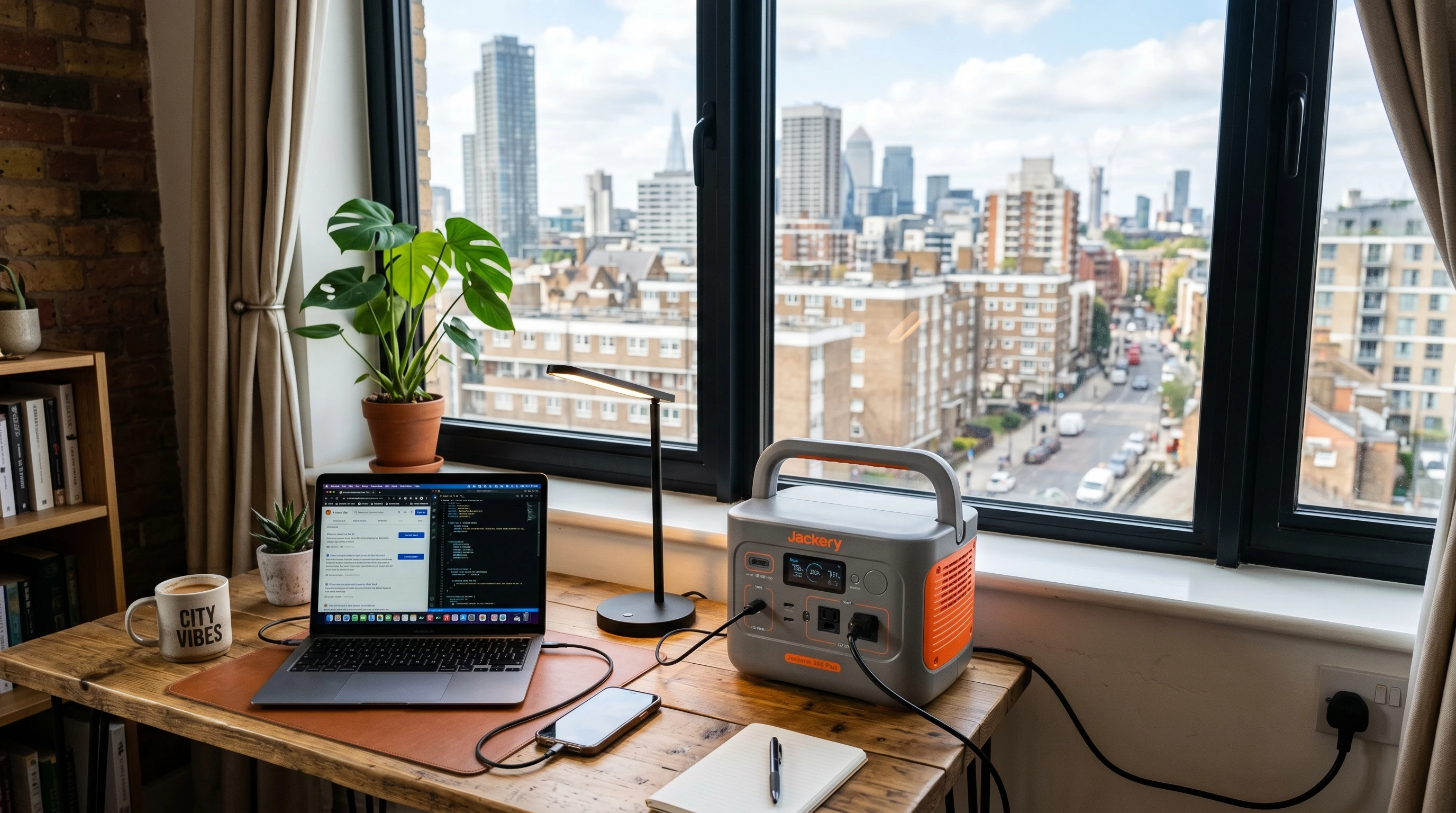
Why Portable Power Stations Are a Good Fit for Apartment Living
Living in an apartment brings some unique challenges when it comes to backup power. Gas generators usually can’t be used indoors, and even small ones are noisy and require space and ventilation. Portable power stations solve many of these issues for people like me who want something safe, easy, and efficient. Here are some reasons they fit well in apartments:
- Operate quietly so I don’t disturb neighbors
- Emit no fumes or gases so I can use them indoors
- Compact build makes storage in closets or under furniture easy
- Simple plug-in charging from any standard wall outlet
- Built-in safety features like temperature control and battery protection
- Good for running essential electronics like phones, laptops, router, modem, and LED lamps
A portable power station keeps life closer to normal during outages and avoids the biggest hassles of other backup options. I appreciate not having to deal with cords out the window or worry about running out of gasoline.
What Portable Power Stations Can Actually Run in an Apartment
The size of my power station makes a big difference in what I can run. Here’s what I generally expect based on personal use and manufacturer specs:
Usually fine with most portable power stations:
- Phones and tablets (multiple recharges)
- WiFi routers and cable modems
- LED lights or USB lamps
- Laptops or small desktop computers
- Portable fans (especially USB types)
- Televisions
- Medical devices like CPAP machines
Sometimes possible, but only with larger units (usually 1000Wh or more):
- Mini fridges (can run for a few hours to nearly a day)
- Coffee makers (short bursts)
- Electric blankets
- Microwaves (briefly, high surge required)
Usually not practical or only for very brief use:
- Large space heaters
- Full size refrigerators (especially overnight)
- Air conditioners
- Washing machines or dryers
I’ve found that aiming to keep essentials running, like lights, phones, WiFi, and maybe a fan, makes the most sense for apartment emergencies. I don’t try to run full kitchens or HVAC from these units.
Recommended Battery Sizes for Different Apartment Needs
Choosing the right portable power station depends on what I want to keep running. Here’s a quick table based on my use and other users’ experiences:
| Apartment Need | Recommended Capacity |
|---|---|
| Phones & lights (short outages) | 200–500Wh |
| Basic emergency backup (lights, router, laptop, phone) | 500–1000Wh |
| CPAP or mini fridge support | 1000Wh+ |
| Longer outages or regular blackouts | Solar compatible setup |
A smaller capacity can keep a phone and lamp going. Midrange options handle more devices for half a day or more. Personally, I found 500 to 1000Wh to be the sweet spot for most situations.
For even more extended emergencies, considering solar charging or a second backup battery is worthwhile. Some neighbors have told me that a solar compatible portable power station with 1200Wh or more helped them in multi-day blackouts during hurricane season, enabling them to recharge essentials during daylight. Looking at local weather risks and expected outage duration lets you pick the right capacity for peace of mind.
Compare quiet portable power stations for apartment backup here.
What Actually Matters Before Buying a Portable Power Station
Some specs and features have a bigger effect on everyday use in an apartment. These are what I look for:
- Battery Chemistry: LiFePO4 batteries (lithium iron phosphate) generally last for more cycles and are safer for indoor use. They also handle storage better, especially if I don’t use the power station every week.
- Noise Levels: Fan noise can be the biggest issue in a quiet apartment. I try to check user reviews and videos, since some models run almost silently while others can get a bit loud under heavy load.
- Port Options: I always want a mix of AC outlets, USBA, USBC (PD if possible), and DC outputs. Multiple charging ports are a must if I plan to run more than one thing at a time.
- Recharge Speed: Wall recharging speed is really important during frequent outages. Some newer models go from empty to full in less than two hours, which is super helpful if the power blinks on and off.
- Size and Weight: I pay attention to specs if I need to move the unit around. Larger units are nice but get heavy and bulky quickly. I like something I can easily tuck away or lift as needed.
- Display Screen: A clear display helps track power usage and battery level, so I can plan ahead and avoid surprises.
Some newer models also add mobile app control or Bluetooth, but for basic apartment backup, great battery quality and quiet operation matter most to me. If you appreciate being able to control devices remotely or check battery status from another room, you might want to check out these “smart” models. However, you can get reliable backup even without those extras.
Portable Power Station Vs Gas Generator
For almost every apartment situation, portable power stations are the more practical choice compared to gas generators. Here’s a side-by-side comparison based on my experience:
| Feature | Portable Power Station | Gas Generator |
|---|---|---|
| Indoor safe | Yes | No |
| Noise level | Very quiet | Loud |
| Fuel required | No | Yes (gasoline or propane) |
| Apartment friendly | Yes | No, usually banned |
| Maintenance | Minimal | Needs regular maintenance |
Unless you have a balcony or rooftop access, most apartments ban gas generators due to noise and fire risk. I prefer portable power stations because I don’t need to worry about rules, fuel, or smoke. Plus, setting up a power station is easy; even if you’re not tech-savvy, it’s usually a matter of plugging in and pressing a button.
Common Mistakes People Make When Buying a Power Station
- Choosing a unit that’s way too big, making it hard to move in a small apartment
- Thinking it can power everything at once, including large appliances
- Not checking recharge speeds—it pays off to have fast recharging options
- Buying from unknown, ultra-budget brands that may have questionable quality
- Ignoring longterm storage needs. Even high quality batteries lose charge over time and need regular recharging
I learned that balancing portability with capacity works out best for apartment life. Too much capacity adds weight and cost but doesn’t always add real convenience. When I first started looking for a backup solution, I thought more watt-hours automatically meant better results. But unless you face frequent multi-day outages, very large units mostly take up more closet space and can be a pain to move. Keep it manageable for your living space.
How to avoid common solar generator mistakes
Best Balanced Setup for Apartment Emergencies
After using several types of portable power stations, these are the features and specs I focus on for the average apartment:
- 500–1000Wh battery capacity for the best mix of size and runtime
- LiFePO4 battery chemistry for longer lifespan and safer storage
- Quiet or low-noise cooling fans
- Fast wall recharging (AC input of at least 500W if I want a full charge in a few hours)
- Solar charging capability is a nice to have for extended events, but not strictly necessary for most apartment dwellers
This type of setup keeps my devices running during blackouts without adding bulk or complex upkeep. It’s easy to live with day to day and more affordable than oversized options. For those who often work from home or rely on electronics daily, keeping a suitable power station charged and ready provides serious peace of mind.
In addition, maintenance is pretty easy; just remember to top up the charge every 2 to 3 months if you aren’t using the station often. Some models even allow storage at partial charge for longer periods, reducing the chance of battery drain. A quick wipe-down and basic care are usually all that’s needed.
How to prepare for a power outage
Trying Out and Using a Portable Power Station: Real World Experience
When a storm hit last year, I found myself without power and thankful for having a portable power station ready to go. I plugged in my phone, a rechargeable lantern, and my WiFi router. Everything ran quietly in the background, and I barely noticed it was even on. During a longer blackout, I used the power station overnight with my laptop set to battery saver mode, charging it twice before needing to recharge the station. This experience sold me on their practicality for apartment emergencies.
If you’re shopping for the first time, I suggest starting with a trusted brand that offers a solid warranty and positive reviews. Well known companies like Jackery, EcoFlow, and Bluetti have models aimed at entry level and intermediate users who need dependability more than tons of extra features. Reading real user experiences and detailed reviews can help pick the model that matches your needs and noise preferences. Don’t forget to check dimensions if storage space is tight!
Simple Safety and Storage Tips for Apartment Use
Store your portable power station in a dry, temperate spot—away from heaters, windows, or areas that get really humid. If you have pets or small children, keep the device out of reach or behind furniture to avoid accidental knocks. Occasionally check battery health using the display or app, and recharge it fully every few months. When charging the power station, use only the included charger to avoid overheating. If your apartment ever faces flooding, move the power station off the floor and unplug all connections. Taking small steps now can make sure your backup solution is always ready when you need it most.
Related Guides You Might Find Useful
- Portable power station vs solar generator: what’s actually different?
- Keeping your backup power station ready: charging, storage, and maintenance tips
- Comparing cheap vs premium portable power stations
- Weather considerations for apartment backup power
- How to choose the right power station for your electronics
- Best solar generators for home backup
Frequently Asked Questions About Portable Power Stations for Apartments
Are portable power stations safe for use in apartments?
Yes, as long as you follow the instructions and use them away from water or moisture, these power stations are designed to be used indoors. They don’t require fuel, have built-in safety, and emit no fumes.
Can I run a refrigerator off a portable power station?
Larger units (at least 1000Wh with enough AC output) can power a mini fridge for several hours. Fullsize fridges draw a lot more power and will run for less time, especially overnight. For short use, it’s possible, but I find it more reliable to focus on smaller essentials.
How noisy are portable power stations?
Most power stations are almost silent, but some do have cooling fans that kick in under heavy load or when recharging quickly. I recommend looking up user reviews for noise measurements if this is a big concern in your space.
What size of power station do I need for my apartment?
In my experience, a 500 to 1000Wh model is the “just right” middle ground for most people. It gives enough capacity for phones, lights, fans, and internet equipment during typical outages.
Do I need solar panels for my portable power station?
Most apartment users just recharge using a wall outlet between outages. Solar is handy for longer emergencies but is usually not required if you have regular access to the grid.
For most apartment users, a portable power station is one of the easiest ways to stay prepared for outages without dealing with fuel, noise, or complicated setup. Choosing the right size and features makes everyday emergencies much easier to handle. This solution keeps your essentials running, brings peace of mind, and avoids the headaches of traditional generators. Time to roll—prepare ahead, and power outages will seem much less stressful!