
Some of the links on this page are affiliate links, which means I may earn a small commission if you make a purchase through them, at no extra cost to you. This helps support the site and allows me to continue creating helpful content.
A portable power station can be very useful during a blackout, but the battery will eventually run down if it is powering phones, lights, routers, medical devices or small appliances. The best way to avoid running out of backup power is to understand your recharge options before an outage happens. Depending on the situation, you may be able to recharge from solar panels, a car, wall power before the outage, or another approved power source.
This guide explains how to recharge a portable power station during a blackout, what each method is best for, and what safety checks to make before relying on it in an emergency.
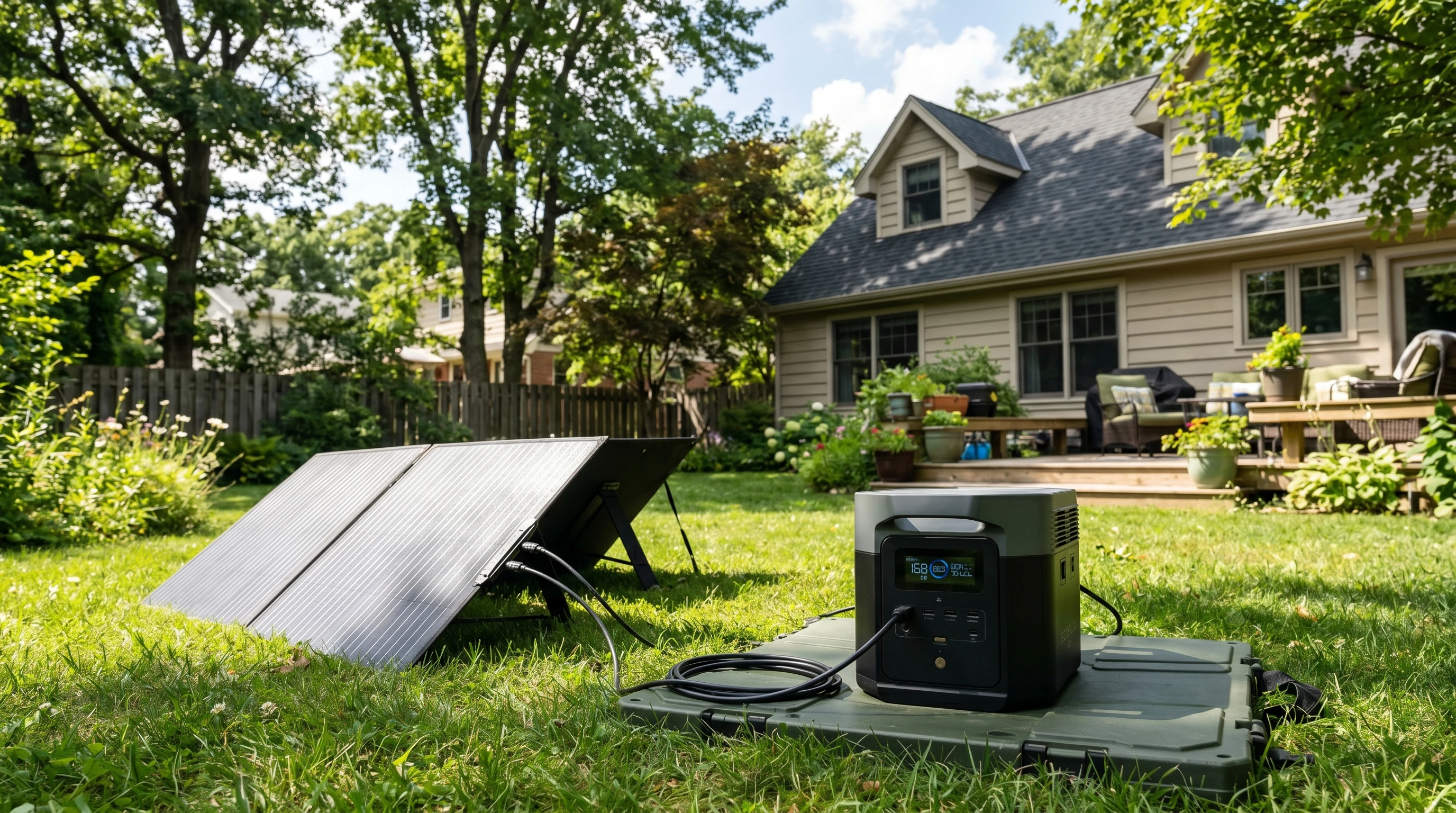
Quick Answer: How Can You Recharge a Portable Power Station During a Blackout?
The main ways to recharge a portable power station during a blackout are solar panels, car charging, wall charging before the outage, and in some cases a fuel generator used outdoors.
Solar panels are useful for longer outages if there is enough sunlight and the panels match the power station’s input limits. Car charging can help in emergencies, but it is usually slower and should be used carefully to avoid draining the vehicle battery. If a storm or planned outage is expected, charging the power station from a wall outlet beforehand is usually the simplest option.
| Recharge Method | Best For | What to Check |
|---|---|---|
| Wall Power (Before Outage) | Planned storms, scheduled outages | Battery level, cables, ports and manual guidance |
| Solar Panels | Long blackouts, outdoor use | Panel wattage, weather, connector and voltage compatibility |
| Car Charging | Short-term/emergency use | Vehicle battery health, charger cable type, car and station manuals |
| Fuel Generator (if safe) | When other charging sources are unavailable | Outdoor use only; never indoors, garages or near open windows. Check charger compatibility |
Charge It Fully Before a Storm or Planned Outage
One of the easiest ways to keep a portable power station useful during an outage is to fully charge it beforehand. If a storm is coming or a scheduled blackout is expected, check the unit’s charge level. Also make sure you have all the proper charging cables and test any AC or USB ports with a quick plug-in. This routine helps you avoid any last-minute surprises and gives you confidence that you’ll have backup power ready for essentials when the grid goes down.
Recharging With Solar Panels
Solar panels are a popular choice for charging a power station during extended blackouts. This method works as long as there’s reasonable sunlight, but timing and output can really vary. Solar charging results depend a lot on the size and quality of the solar panels, their total wattage, the number of hours of direct sunlight, and how much solar input the specific power station model is designed to accept.
Before solar charging, always check these points:
- Solar input max wattage: The power station accepts only a certain maximum, often marked near the port or listed in the manual.
- Voltage compatibility: Mismatched voltages can damage the unit or prevent efficient charging
- Connector type: Most models use MC4, Anderson, or barrel connectors. Compatible adapters can be useful for multi-brand setups, but always make sure they match the power station’s input requirements.
- Weather & placement: Clouds or shade cut charging speed a lot. A sunny patch and good panel angle help keep the charging more efficiently
Solar recharging can be useful during longer outages, but it depends heavily on sunlight, panel wattage, weather, cable compatibility and the power station’s solar input limit.
Recharging From a Car
Car charging can be useful as an emergency top-up, but it is usually slower than wall charging. Follow the vehicle and power station manuals, and avoid draining the vehicle battery.
Here’s what you should keep in mind when car charging:
- Many users charge with the engine running to reduce the risk of draining the vehicle battery, but always follow the vehicle manual and local safety guidance.
- Set a timer or check both the power station and your car’s battery level regularly, especially for longer sessions.
- Review both your car manual and the power station instructions, since max amperage or connection limits can differ.
Car charging can be a useful last-resort option if solar panels are not available or the weather is poor, but it should be used carefully to avoid draining the vehicle battery or stressing the equipment.
Can You Recharge From Another Generator?
A fuel generator can sometimes be used to recharge a portable power station when wall power is unavailable, but this should only be considered if all safety and compatibility requirements are met:
- Fuel generators must never be used indoors, in garages, sheds, tents or near open windows because of carbon monoxide risk.
- The generator produces a stable output and is compatible with the station’s AC charger (check both manuals).
- Weather is dry, and you can keep all connections safe from rain or standing water.
Charging with a generator can help refill your power station faster than solar or car methods, but you should always put safety first. You should avoid using any adapters that aren’t specifically recommended for both the generator and the power station.
Can You Use the Power Station While It Is Charging?
Many portable power stations offer what’s called pass-through charging, which means you can plug in and use some or all of the AC, DC, or USB outlets while charging. However, not every model allows safe simultaneous charging and discharging. To reduce the risk of overheating, overload or battery stress, always check the user manual and manufacturer guidance for your specific model.
For a deeper jump into the details, here’s a detailed guide: Can You Use a Portable Power Station While Charging?
How Long Does Recharging Take?
Recharge time depends on the power station’s battery capacity, input wattage, charging method, cable condition, temperature and starting battery level. Solar charging also depends heavily on sunlight, panel angle, weather and the power station’s solar input limit.
The following are rough examples, not guarantees:
- Wall charging: Usually the fastest option. Some units may recharge in 2–7 hours, depending on battery size and charger rating.
- Solar charging: Highly variable. With enough panels and strong sunlight, some units may recharge in 6–12 hours, while cloudy weather or smaller panels can extend charging time significantly.
- Car charging: Often slower than wall charging. Larger units may take 10–20 hours or more for a full recharge from a 12V source, although partial top-ups can be faster.
Exact recharge times should be treated as estimates because weather, cable condition, input wattage, battery size, temperature and the specific power station model can all affect charging speed.
Common Recharging Mistakes During Blackouts
Even with a good plan, it’s easy to slip up and make recharging mistakes during a blackout. Here are some common mistakes to avoid:
- Waiting until the power station is nearly empty before starting to recharge.
- Using solar panels that don’t match the station’s voltage or connector type.
- Exceeding the maximum solar input voltage, which risks damaging the power station.
- Charging from a car’s battery for long periods without keeping an eye on the vehicle’s battery health.
- Covering the power station during charging, which can cause overheating.
- Using frayed, pinched, or damaged charging cables.
- Thinking solar panels will perform the same on cloudy or rainy days; they won’t.
- Relying on pass-through charging without checking if the station supports it safely.
Following the manual and checking compatibility before charging can reduce the risk of overload, overheating, battery stress and equipment damage.
Blackout Recharging Strategy
A simple blackout recharge plan can make a portable power station much more useful:
- Charge the unit before storms or planned outages.
- Use low-power essentials first, such as phones, radios, LED lights and routers.
- Recharge with solar during daylight if panels are available and conditions are suitable.
- Use car charging only when needed, and avoid draining the vehicle battery.
- Keep charging cables, adapters and the manual in one place.
- Check battery percentage regularly instead of waiting until the unit is nearly empty.
This approach helps stretch battery life and makes it easier to manage backup power during a longer outage.
Related Portable Power Guides
- Can You Use a Portable Power Station While Charging?
- Portable Power Station Safety Guide
- Best Portable Power Stations for Storm Preparedness
- Do You Need a Pure Sine Wave Portable Power Station?
- LiFePO4 vs Lithium-Ion Portable Power Stations
- How Long Can a Portable Power Station Run a Refrigerator?
- Solar Generator Sizing Guide
Frequently Asked Questions
Can you recharge a portable power station during a blackout?
Yes, a portable power station can often be recharged during a blackout using solar panels, a car charger or a fuel generator used safely outdoors. The best method depends on the power station model, available charging inputs, weather conditions and equipment compatibility.
Can you charge a portable power station with solar panels?
Yes, many portable power stations can charge from solar panels if the panels match the unit’s voltage, wattage and connector requirements. Solar charging can be useful during longer outages, but charging speed depends on sunlight, panel size, weather and the power station’s solar input limit.
Can you charge a portable power station from a car?
Many portable power stations can charge from a car’s 12V socket using a compatible DC charging cable. Car charging is usually slower than wall charging and should be used carefully to avoid draining the vehicle battery. Always follow the vehicle and power station manuals.
How long does it take to recharge a portable power station?
Recharge time depends on battery capacity, input wattage, charging method, cable condition, temperature and starting battery level. Wall charging is usually the fastest option, solar charging varies with sunlight, and car charging is often slower.
Can you charge a portable power station with a gas generator?
Yes, some portable power stations can be charged with a gas generator if the charger and generator output are compatible. The fuel generator must be used outdoors only, away from doors, windows, garages and enclosed spaces because of carbon monoxide risk.
What is the best way to keep a power station charged during an outage?
The best approach is to charge the power station before storms, use only essential devices, recharge with solar during daylight if available, and use car or generator charging only when needed. Keeping the correct cables and manual nearby also helps during emergencies.
Compare Portable Power Stations With Solar Input and Fast Charging on Amazon
Conclusion
Recharging a portable power station during a blackout is easier when the options are planned before the outage begins. Wall charging before a storm is usually the simplest approach, while solar panels can help during longer outages if the weather and equipment are suitable.
Car charging can be useful as an emergency top-up, and a fuel generator may be an option if it is used safely outdoors and the equipment is compatible. The key is to avoid mismatched chargers, damaged cables, blocked ventilation and loads that exceed the manufacturer’s limits.
A good blackout plan starts with charging early, keeping the right cables together, checking battery level regularly and following the manual for your specific power station.