
Some of the links on this page are affiliate links, which means I may earn a small commission if you make a purchase through them, at no extra cost to you. This helps support the site and allows me to continue creating helpful content.
If you are choosing a portable power station, battery capacity is not the only thing to check. The inverter type also matters, especially if you want backup power for sensitive electronics, CPAP machines, refrigerators, laptops, routers, TVs or devices with motors.
A pure sine wave portable power station produces smoother AC power than a modified sine wave model, which makes it more compatible with many modern electronics and appliances. Modified sine wave units may still work for simple devices, but they can be less suitable for home backup or critical equipment.
This guide explains what pure sine wave means, when it matters, which devices may need it, and what else to check before buying a portable power station for emergencies, camping or home backup.
Quick Answer: Do You Need a Pure Sine Wave Portable Power Station?
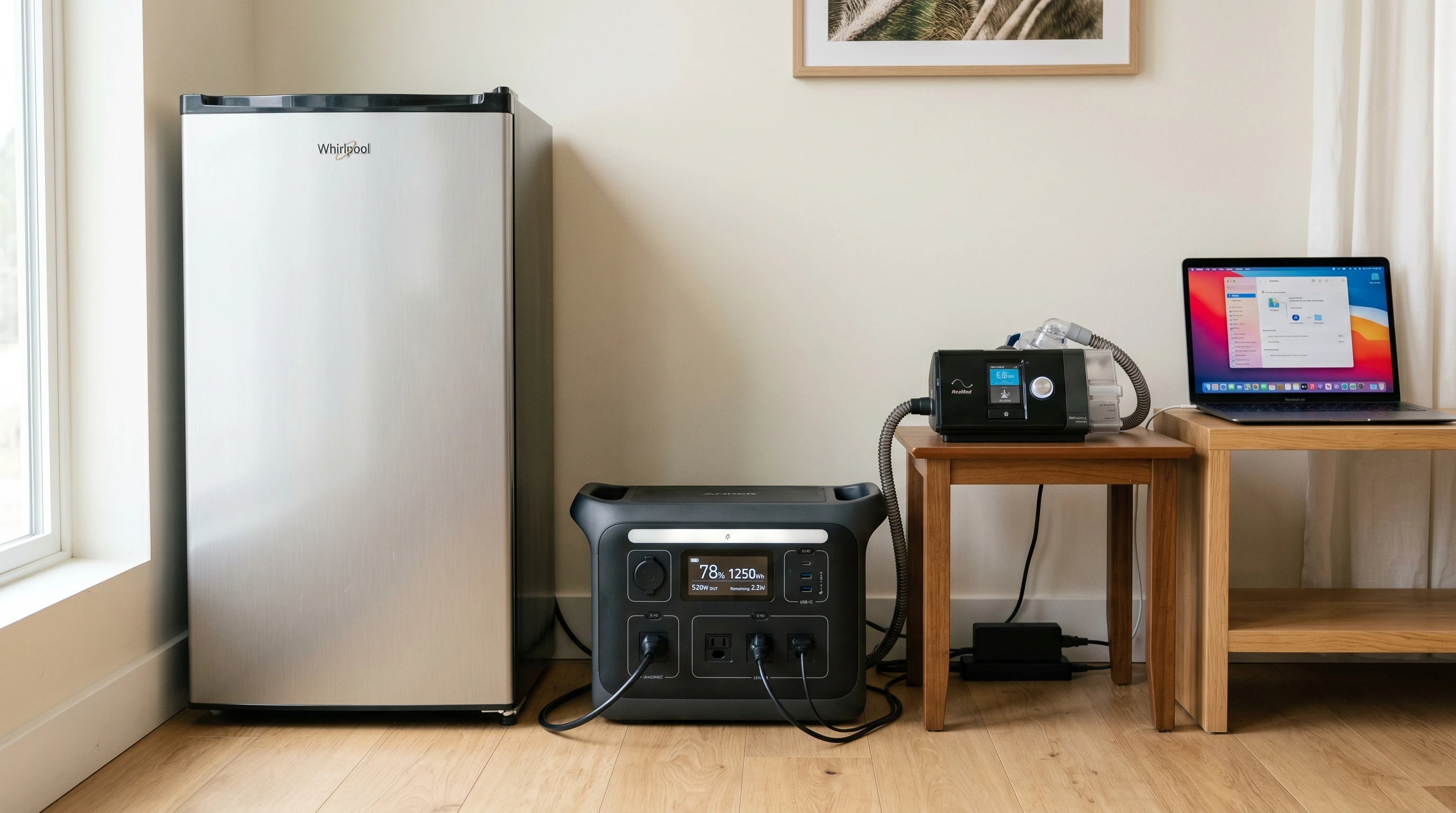
For most home backup situations, a pure sine wave portable power station is the better choice. It is usually recommended for sensitive electronics, CPAP machines, refrigerators, laptops, WiFi routers, TVs, medical devices and appliances with motors or compressors.
Pure sine wave inverters create smoother AC power that is closer to the type of electricity supplied by a normal household outlet. This can reduce compatibility problems, unusual buzzing, extra heat or unreliable operation with some devices.
Modified sine wave power stations may be cheaper and can work for simple lights or basic chargers, but they are less flexible. If you plan to power expensive, sensitive or important equipment, pure sine wave is usually worth choosing.
What Does Pure Sine Wave Mean?
A portable power station stores energy as DC power in its battery. When you use the AC outlet, an inverter changes that DC power into AC power so you can plug in household-style devices.
A pure sine wave inverter creates a smooth AC waveform that is closer to the electricity supplied by a normal wall outlet. This matters because many modern electronics, chargers, medical devices and appliances are designed to work best with stable AC power.
A modified sine wave inverter produces a rougher waveform. It may still work with simple devices, but some electronics or motor-driven appliances may run hotter, make noise or not work as expected.
Modified Sine Wave vs Pure Sine Wave
The inverter can output two main wave types: pure sine wave and modified sine wave. Here’s a quick breakdown of the differences in a table for easy comparison:
| Feature | Pure Sine Wave | Modified Sine Wave |
|---|---|---|
| Power quality | Smoother | Rougher |
| Best for | Sensitive electronics | Basic devices |
| Noise/heat risk | Lower | Higher with some devices |
| Cost | Usually higher | Usually cheaper |
| Home backup | Better choice | Limited use |
It’s also worth noting that modified sine wave inverters may be less efficient, causing devices to waste a little more electricity as heat and possibly wear out faster.
Which Devices Need Pure Sine Wave Power?
Some devices can run on any type of AC power, but others really benefit from pure sine wave output. Here are the devices where pure sine wave power can matter most, and why it is worth checking before you plug them in:
- CPAP Machines: Many CPAP machines are best used with pure sine wave power, but you should always check the manual or manufacturer guidance before relying on a backup power station.
- Refrigerators and Mini Fridges: Refrigerators and mini fridges are usually better matched with pure sine wave power because they use compressors and may have startup surge requirements.
- Laptops and Chargers: The charging circuits inside laptops and power adapters expect stable, smooth AC power. Pure sine wave power is usually a better match for sensitive electronics and chargers because it can reduce the risk of buzzing, inefficient charging or extra heat.
- WiFi Routers: Routers and smart home equipment often include delicate chipsets and transformer circuits that need clean power for stable operation; pure sine wave helps prevent glitches and reboots.
- TVs: Pure sine wave power can reduce the risk of buzzing, flickering or compatibility problems with some TVs and electronics.
- Medical Devices: Oxygen concentrators, nebulizers, or pumps deserve reliable electricity. Pure sine wave minimizes spikes and keeps things running at manufacturer-approved standards.
- Appliances with Motors or Compressors: Tools, pumps, and hobby gear with motors operate more efficiently on pure sine wave and are less likely to overheat or stall during use.
- Audio Equipment: Mixers, speakers, and amplifiers avoid unwanted hums and buzzes with pure sine wave power. It’s popular among musicians and podcasters for this reason.
If you’re unsure about your particular gadget, check the manual or ask the manufacturer about power recommendations.
Can a Modified Sine Wave Power Station Damage Devices?
A modified sine wave power station will not automatically damage every device, and many simple items may work without obvious problems. Many simple items, such as basic lights or some simple chargers, may work without obvious problems.
The risk is compatibility. Some devices may run hotter, make buzzing noises, charge less efficiently, behave unpredictably or fail to work properly on modified sine wave power. This is more likely with sensitive electronics, medical devices, audio equipment and appliances with motors or compressors.
For important or expensive devices, check the manufacturer’s power requirements before using modified sine wave output. If the device manual recommends pure sine wave power, use a pure sine wave portable power station instead.
Is Pure Sine Wave Important for CPAP Machines?
Pure sine wave power is usually the safer choice for CPAP backup because CPAP machines are medical devices that need reliable, stable electricity. Some models may work with different power sources, but you should always check the CPAP manual or contact the manufacturer before relying on a portable power station overnight.
If your CPAP has a humidifier, heated tube or advanced data features, power requirements may be higher than expected. Before an outage, test your setup while you are awake so you know the power station can run the machine properly.
Is Pure Sine Wave Important for Refrigerators?
Pure sine wave is usually recommended for refrigerators, mini fridges and freezers because they use compressors and may require a startup surge when the motor turns on. A pure sine wave inverter is generally more compatible with these types of appliances than a modified sine wave inverter.
Battery capacity and surge wattage still matter. Even with pure sine wave output, the power station must have enough AC wattage and surge rating to start and run the refrigerator safely. Always check the refrigerator’s power label and the power station’s output rating before relying on it during a blackout.
Is Pure Sine Wave Worth the Extra Cost?
For emergency home backup, pure sine wave is usually worth the extra cost because it works with a wider range of devices and reduces compatibility concerns. If you want to power a CPAP machine, refrigerator, laptop, router, TV or other sensitive electronics, pure sine wave is the more practical choice.
Modified sine wave may be enough for simple lights or basic charging, but it is less flexible. For most people buying a portable power station for blackout preparedness, pure sine wave is the better long-term option.
If budget is a concern, focus on sizing your battery right and watch for seasonal discounts. Some brands drop prices on prior-year models, but remember that pure sine wave support is a must for sensitive electronics and reliable backup.
What Else Should You Check Before Buying?
Besides inverter type, there are several features it is worth to check before you commit to a new portable power station:
- Battery capacity (Wh): This number shows how much energy the station stores; higher capacity means longer run time.
- AC output wattage: Double-check this to make sure the station can handle everything you want to plug in at once.
- Surge rating: Appliances like fridges need a boost of power when turning on. Make sure your power station has a good surge or peak watt rating listed.
- LiFePO4 battery chemistry: LiFePO4 is often preferred for longer lifespan and more charge cycles. They usually hold up better after years of use.
- Number of AC outlets: More outlets provide flexibility, especially if you want to run multiple devices at once.
- USB-C ports: The latest power stations include these for charging phones, tablets, and some laptops at high speed.
- Solar input: If you want to recharge off-grid, check if your station supports solar charging and find out the compatible panel size and voltage range.
- Recharge speed: Some stations fill up in just a few hours, while others might take much longer. This matters if you intend to cycle it often in an emergency.
- Warranty and brand reputation: Check recent reviews , look at the company’s track record, and check what kind of service and warranty are included. A strong warranty is major peace of mind.
Thinking about real-world needs for power, it’s smart to make a list ahead of time so you know what devices you’ll want to run and what features matter most for your scenario.
Before buying, compare inverter type, battery capacity, surge rating, battery chemistry, solar input and warranty. Pure sine wave output is especially worth checking if you plan to power sensitive electronics or appliances.
Compare Pure Sine Wave Portable Power Stations
Common Mistakes to Avoid
- Only checking battery capacity and ignoring inverter type
- Buying a modified sine wave inverter if you want to power a CPAP or fridge
- Forgetting about startup surge or not knowing the necessary wattage for full appliance operation
- Assuming every AC outlet is the same, since not all inverters inside stations are created equal
- Skipping device manuals or not looking up the specific power requirements for specialty gear
- Choosing solely based on price and skipping important safety features or certifications
- Not considering portability, display readouts, or easy-to-reach customer support, all of which add value
Knowing these common pitfalls can help you make a more informed, hassle-free choice when shopping for backup power solutions.
Related Portable Power Guides
- LiFePO4 vs Lithium-Ion Portable Power Stations
- How Long Can a Portable Power Station Run a Refrigerator During a Blackout?
- Best Portable Power Stations for Storm Preparedness
- Portable Power Station vs Solar Generator
- Best Portable Power Stations for Apartment Emergencies
- How Long Do Portable Power Stations Hold a Charge?
- Best Solar Generators for Home Backup
Frequently Asked Questions
What is a pure sine wave portable power station?
A pure sine wave portable power station has an inverter that produces smooth AC power that is closer to the electricity supplied by a normal household outlet. This makes it more suitable for sensitive electronics, medical devices, refrigerators, laptops and other devices that may not work well with rougher modified sine wave power.
Is pure sine wave better than modified sine wave?
Pure sine wave is usually better for home backup, sensitive electronics, CPAP machines, refrigerators, TVs, laptops and appliances with motors. Modified sine wave can work for some simple devices, but it is less flexible and may cause compatibility problems with certain electronics.
Do I need pure sine wave for a refrigerator?
Pure sine wave is usually recommended for refrigerators and freezers because they use compressors and may need startup surge power. You should also check the power station’s AC output wattage and surge rating to make sure it can handle your specific refrigerator.
Do CPAP machines need pure sine wave power?
Many CPAP machines are best used with pure sine wave power, especially for overnight backup. Always check your CPAP manual or manufacturer guidance before relying on a portable power station, especially if you use a humidifier or heated tube.
Is pure sine wave worth it for home backup?
Pure sine wave is usually worth it for home backup because it works with a wider range of devices and reduces compatibility concerns. It is especially useful for sensitive electronics, medical devices, refrigerators, routers, laptops and other important equipment.
For most home backup situations, pure sine wave is the better choice because it offers wider device compatibility and fewer concerns with sensitive electronics, CPAP machines, refrigerators and appliances with motors.
Modified sine wave models can still work for simple devices, but they are less flexible. If your goal is reliable emergency power, inverter type should be checked alongside battery capacity, AC output wattage, surge rating, battery chemistry and warranty support.