
Small wind turbines and solar panels can both generate renewable electricity for a home, but they work best in very different conditions. Solar panels need good sunlight and limited shade, while wind turbines need strong, steady and unobstructed wind. For most homes, the better choice depends on roof space, land size, local weather, obstacles, permits, maintenance needs, installation cost and backup goals. A sunny suburban home may be better suited to solar panels, while an open rural or coastal property with reliable wind may be a better candidate for a small wind turbine. This guide compares small wind turbines and solar panels for home use, including reliability, installation, maintenance, cost, batteries, hybrid systems and common mistakes to avoid.
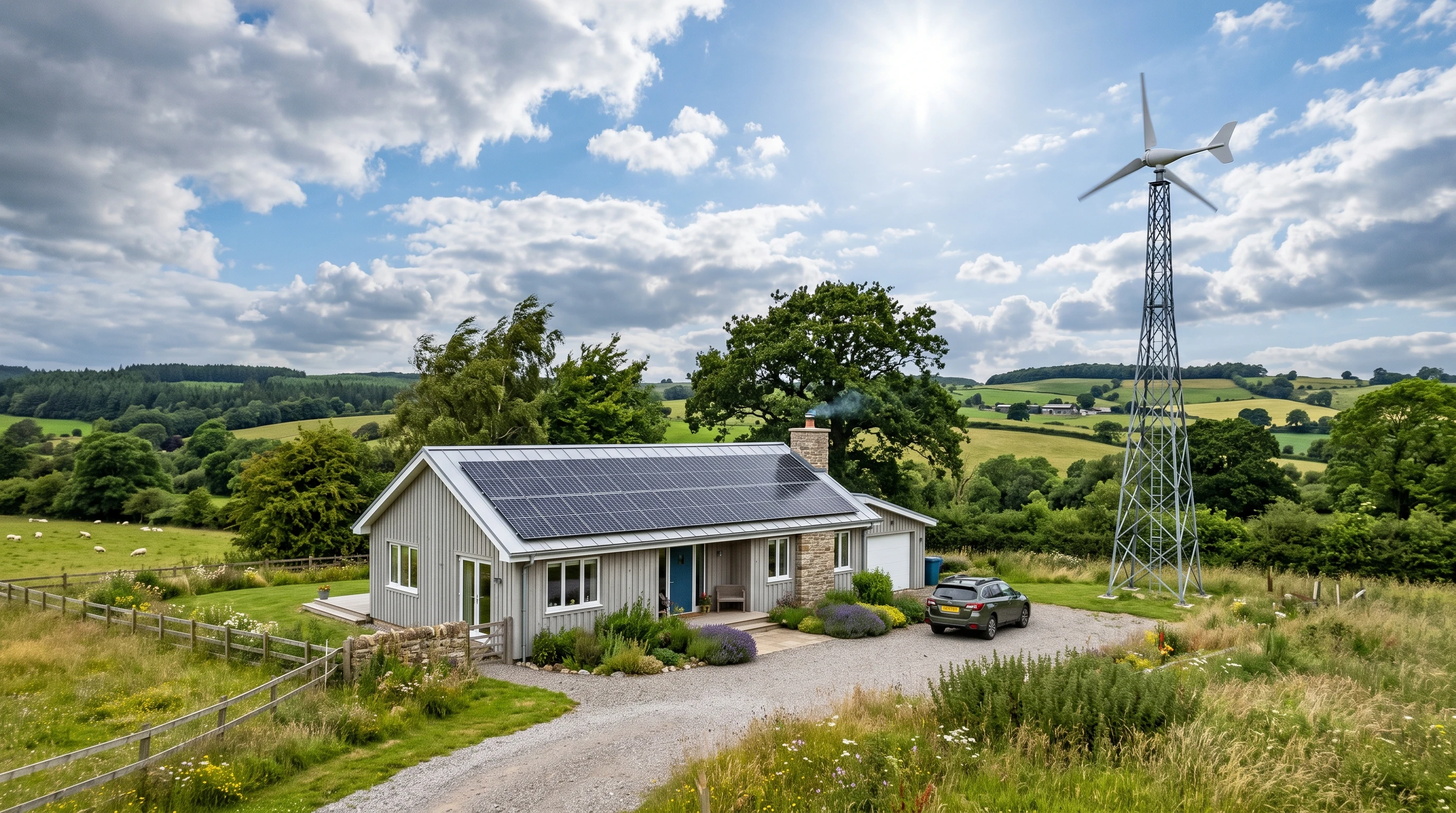
Quick Answer: Small Wind Turbine vs Solar Panels
For most homes, solar panels are usually the simpler and more practical choice. They are easier to install, work well in many neighborhoods and usually need less maintenance because they have no moving blades. Small wind turbines may make sense on open, windy properties with enough space, suitable permits and strong airflow above nearby obstacles. They are usually less practical in urban or suburban areas where buildings, trees and roof turbulence can reduce performance. Solar panels are often the better first option for most homeowners. A small wind turbine is worth considering only if the site has a reliable wind resource and the installation can be designed safely.
| Feature | Small Wind Turbine | Solar Panels |
|---|---|---|
| Best Condition | Consistent, strong wind, open area | Direct sunlight for most of the day |
| Maintenance | Blades, moving parts require checks | Low maintenance, no moving blades |
| Space Needed | Large, unobstructed space | Usually rooftop or yard |
| Permitting | Stricter, often includes height, sound rules | Could need simple building permit |
| Energy Predictability | Highly location dependent | More reliable in many areas |
How Small Wind Turbines Work
Small wind turbines use a set of blades (sometimes called a rotor) attached to a generator, usually mounted on a tower high enough to reach cleaner wind above nearby obstacles. As wind moves past the blades, it causes them to spin, which turns the generator and produces electricity. For a home wind generator to produce useful power, it needs access to strong, steady wind with very little turbulence. That usually means placing the turbine well above roofs, trees, and other obstacles. Even small reductions in wind speed, or increased turbulence from buildings or trees, can quickly drop the system’s power output. Local wind measurements over several months or longer can help reduce the risk of poor performance. Too little wind, or too much disruption, and the system may produce far less electricity than expected.
Most small turbines also need a strong foundation, safe wiring, and ongoing checks for wear. Moving parts create noise and vibration, which some neighbors could notice, and these same parts eventually need inspection or replacement. Home wind turbines also need to be sturdy enough to handle storms, ice, and very strong gusts. For properties that have lots of open land and a reliable wind resource, though, wind power can be a solid addition or alternative to solar. Sometimes, the location limits which solution is best.
For a deeper comparison of turbine designs, see our guide to Vertical vs Horizontal Wind Turbines.
How Solar Panels Work
Solar panels create electricity by capturing energy from sunlight. Typical rooftop solar setups use photovoltaic (PV) panels placed at a good angle, facing south in the northern hemisphere (or north in the southern hemisphere), to catch the maximum amount of midday sun. When sunlight hits the solar cells, direct current (DC) power flows through wires to an inverter, which converts it to the alternating current (AC) used in most homes. The process is quiet, with no moving blades and relatively low maintenance.
Solar panels work best on roofs that get direct sun most of the day, with little to no shade from trees, nearby buildings, or chimneys. Even small shaded spots can reduce output. The angle of the panels also matters. Panels mounted at the right tilt for the location capture the most yearly sunlight. In some climates, snow, dust, pollen, or bird droppings can block light and need to be cleaned when needed, following manufacturer guidance. Local weather matters too: areas with regular clouds or winter fogs may produce less power, but solar still works even in some cloudy conditions. Installers often design solar setups that can connect with batteries to store power for evenings or outages.
For the basics of storage, see Understanding Solar Battery Storage Systems.
Which Produces More Reliable Energy?
Solar panels usually provide more predictable energy day by day, as long as there is enough sunlight available. Solar output depends on season, latitude, shade, and local weather patterns, but power generation can often be estimated fairly well. Most regions have reliable sunrise and sunset times, and daily power flows are easy to track.
Wind turbines can generate electricity day or night, and even in bad weather, but only if the wind is strong and steady enough. Wind speed can change suddenly and unpredictably, with days, or even weeks, of little or no output in less windy areas. For homes in the right wind zone, turbines can produce power when the sun isn’t shining. However, for many locations, solar energy is usually easier to predict and use for estimating home energy production.
Installation and Maintenance
Solar panel systems are usually installed on the roof or sometimes on a sturdy ground mount. Most systems require permits, professional electrical work, and sometimes a simple structural inspection to make sure the roof can handle the panels’ weight. Once panels and inverters are in place, there is little ongoing work aside from occasional cleaning and an expert check every few years.
Small wind turbines require a strong, tall tower and a cleared area free of obstacles. Small wind turbines often need more detailed permitting because towers may require review for height, sound, visual impact and safety. Blades, bearings and other moving parts also need regular inspection, especially after storms or strong winds.
Blades, bearings, and other moving parts need regular inspection, especially after storms or extreme winds. Over time, parts can wear out and need replacing. For remote or hard-to-access sites, keeping the system running smoothly can take extra effort. Both types can add a battery backup for use during outages, and both benefit from a professional, safety-focused installation.
Cost and Payback
The total price for either a home solar or wind system depends on system size, equipment choice, local installer rates, site preparation, permitting, and the need for extras like batteries. Solar panels are often easier to install, especially because they do not need a tall tower or a big foundation. Incentives and rebates in some areas can also reduce the upfront cost of solar. Wind turbines can be more expensive because they need a tower and stronger hardware, and install costs may rise fast if heavy equipment is needed. Neither system can guarantee a fixed payback period, since output, electricity prices, incentives, maintenance costs and local conditions can vary over time.
Comparing costs should include local incentives, energy prices, replacement parts, and any site updates for better safety or compliance. If the system is hooked up to home batteries, this adds extra cost but may improve backup capability during outages.
Before investing, getting a site visit and a detailed quote from a trusted installer helps set realistic expectations. To fully understand your return on investment, ask installers about warranties and compare long-term maintenance plans, since those can reduce long-term cost or maintenance risk.
For more detail on wind system costs and returns, see Home Wind Turbine ROI.
Best Option for Suburban Homes
For homes in the suburbs, solar panels usually make a lot more sense. Rooftop solar needs only a clear, sunny roof with minimal shade. Most suburban plots do not have enough open space or consistent wind to make a wind turbine worth it, especially with nearby buildings and trees causing turbulence that lowers power output and raises wear on the equipment. Noise restrictions, homeowner association rules, and unclear permitting can also make wind turbines a tough sell in populated neighborhoods. Rooftop solar systems are often easier to approve than small wind turbines. Another perk is that solar panel technology keeps improving, so future panels might work better in less ideal spots.
Best Option for Rural or Coastal Homes
For people living on a rural, windy, open property, or on a coast with steady breezes, a home wind turbine may have a better shot at providing useful power. There needs to be plenty of open space, clear exposure away from nearby trees, buildings and other obstacles, and a strong average wind speed at the planned turbine height. Even then, checking wind data is really important before moving ahead. Coastal homes with strong gusts or properties on a hilltop can sometimes see high wind output, especially in seasons when solar drops off. Solar panels can still add value on rural properties, especially if they catch morning and afternoon sun. Adding battery storage can make solar more reliable even when the weather changes, and it also supports wind systems by storing power during extra breezy periods for later use. This combined approach may improve energy flexibility and help avoid power loss during cloudy or calm stretches.
If you are considering a larger home wind setup, read our guide to 5 kW Vertical Wind Turbine for Home Use before choosing a system.
Can You Combine Wind and Solar?
Some homeowners use a mix of wind and solar, known as a hybrid system. Combining both makes sense in areas where sunny weather and strong, reliable wind do not always occur at the same time. For example, a windy night and a sunny day can both contribute energy, and batteries can store extra power for times when both the sun and wind are low. Hybrid systems are more complicated and cost more up front, since both systems, wiring, and possibly more complex batteries and inverters are needed. Still, they can improve energy availability in some locations if set up and maintained correctly. People who want to reduce their reliance on the grid might see real benefits from a hybrid approach if their location supports it.
If backup power is part of your plan, compare this with Best Home Battery Storage Systems for Residential Use and Portable Power Station vs Home Battery Backup.
Common Mistakes to Avoid
- Choosing a wind turbine without checking local wind conditions first
- Ignoring shade on solar panels; just a little can drop output a lot
- Installing a wind turbine too low, where air is blocked or turbulent
- Assuming a rooftop wind turbine will work well on any house
- Forgetting about all the needed permits and approvals
- Comparing only the price of equipment, not total installed cost
- Expecting a small system to back up a whole house during an extended outage
- Not asking neighbors or local officials about noise and visual rules before installing big wind equipment
Related Guides
- Vertical vs Horizontal Wind Turbines
- 5 kW Vertical Wind Turbine for Home Use
- Best Home Wind Turbines for Residential Use
- Best Home Battery Storage Systems for Residential Use
- Understanding Solar Battery Storage Systems
- Portable Power Station vs Home Battery Backup
- Portable Power Station vs UPS
- Home Wind Turbine ROI
Frequently Asked Questions
Are solar panels better than small wind turbines?
For most homes, solar panels are the easier and more practical way to produce energy, since they need less space and maintenance and work in more locations. Wind turbines may help on properties with a strong, reliable wind resource.
Is wind power worth it for a home?
Wind power can work in places with steady, strong wind, lots of open space, and suitable local rules. It is less likely to work well in areas with low wind or many obstacles.
Can a small wind turbine power a house?
A home wind turbine can help offset power use, but the whole setup must match the house’s energy needs and local wind resource. Most homes won’t get full backup from a small wind turbine alone without big batteries and a strong wind location.
Do solar panels work better than wind turbines in suburbs?
Yes, solar panels usually work better in suburban areas. Wind turbines struggle with blocked or turbulent air from trees, houses, and other structures.
Can you use wind and solar together?
Yes, hybrid wind-solar systems are possible and may be useful in some areas, but they cost more and are more complex to design and maintain.
Do you need batteries for wind or solar power?
Batteries can be useful if you want backup power during outages or want to use more of the energy produced at home. Some people use wind or solar with battery storage to cover evening use or short outages. Without batteries, unused energy is usually sent back to the grid if allowed.
Wrapping Up
Solar panels are usually the more practical choice for most homeowners, especially in towns and suburbs where sunlight is easier to use than residential wind. They are simpler to install, need less maintenance and work well on many roofs with good sun exposure.
Small wind turbines may be worth considering on open rural or coastal properties with strong, unobstructed wind and enough space for a safe installation. In blocked, turbulent or low-wind locations, they are unlikely to perform well.
Before choosing either system, compare local conditions, permits, installation requirements, maintenance needs, battery options and total installed cost. A professional site assessment can help you avoid choosing a system that looks good on paper but does not fit the property.