
Vertical and horizontal wind turbines can both be used to generate renewable electricity, but they work in different ways and suit different locations. For home use, the better choice depends on wind speed, site quality, available space, tower height, local rules and installation design. Horizontal wind turbines are often more efficient in clean, steady wind, while vertical wind turbines are sometimes considered where wind direction changes often or where visual impact is a concern. However, neither type works well without strong, unobstructed airflow. This guide compares vertical and horizontal wind turbines for home use, including efficiency, rooftop issues, site quality, costs, maintenance and common mistakes to avoid.
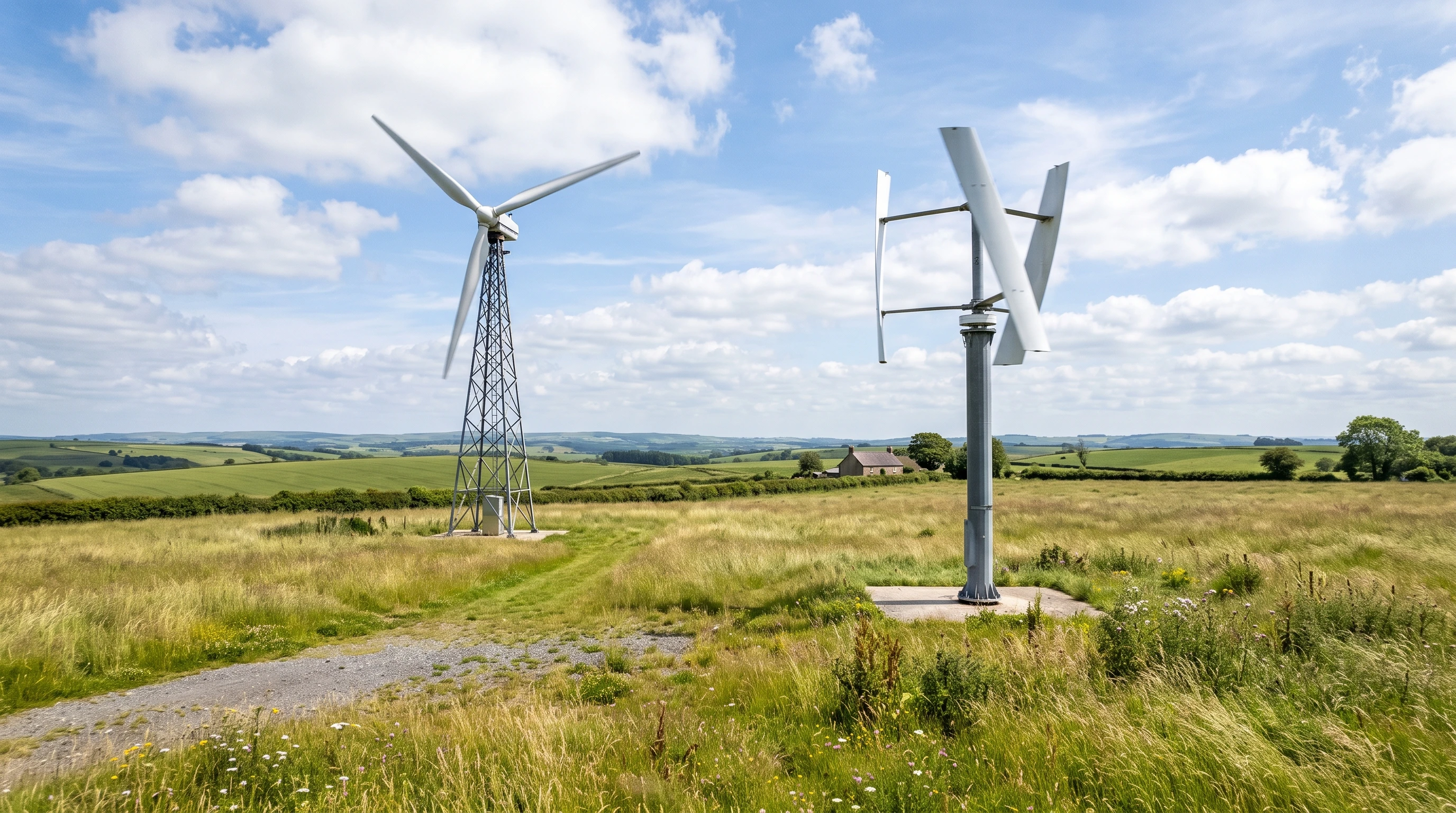
Quick Answer: Vertical vs Horizontal Wind Turbines
Horizontal-axis wind turbines are usually more efficient in clean, steady wind, especially in open rural or coastal locations. Vertical-axis wind turbines can accept wind from different directions, so they may be considered where wind direction changes often or where a lower visual profile is preferred. However, both types need suitable wind to produce useful electricity. If the site has weak, blocked or turbulent wind, neither a vertical nor a horizontal turbine is likely to perform well. For most homes, site quality, tower height and local wind conditions matter more than turbine shape alone.
| Feature | Vertical Wind Turbine | Horizontal Wind Turbine |
|---|---|---|
| Wind Direction | Can accept wind from any direction | Usually needs to face the wind |
| Efficiency | Often lower, depends on design | Often higher in clean, steady wind |
| Tower Height | Sometimes installed lower, but still needs clean airflow | Usually performs best on a taller tower |
| Noise | Can be quieter, but design matters | Varies by model, size and site |
| Maintenance | Some parts may be easier to access | Tower access may be needed |
| Visual Impact | Often more compact | Usually more visible |
| Typical Use | Sites with changing wind direction or space concerns | Open rural, coastal or exposed sites |
What Is a Vertical Wind Turbine?
A vertical-axis wind turbine (VAWT) has blades that spin around a vertical shaft, similar in look to an eggbeater or spinning column. One possible advantage is that a vertical-axis wind turbine can accept wind from different directions without needing to turn into the wind. However, this does not mean it can perform well in poor wind. Real output still depends on turbine design, tower height, airflow quality and local wind speed. Some homeowners consider vertical turbines for smaller spaces, but tight yards and rooftops often have turbulent wind, which can reduce performance. Still, the real-world power you get from a vertical-axis wind turbine for home use depends heavily on the specific turbine design and, more than anything else, your local wind quality. Some designs work better in gusty or ever-changing wind than others, but none are a magic solution for poor wind.
What Is a Horizontal Wind Turbine?
When most people picture a wind turbine, they’re usually thinking of the classic horizontal-axis wind turbine (HAWT) with large blades facing into the wind, just like the big towers you see in wind farms. The key part of this design is that the rotor must always face the oncoming wind, which is why these turbines usually have some form of tail or yaw control system. In suitable locations, horizontal-axis wind turbines are often more efficient because they are designed to face clean, steady wind. These usually require a taller tower to get the rotor up into smoother, faster wind away from the ground and obstacles.
Main Differences Between Vertical and Horizontal Wind Turbines
Here’s how these two residential wind turbine types compare on core points.
- Efficiency: Horizontal turbines usually capture more wind energy per square meter of rotor area, making them a better option for high production in the right spot. Vertical turbines are often less efficient, although some designs may handle changing wind direction better than horizontal models.
- Wind direction: Vertical turbines take wind from every direction without needing to turn. Horizontal turbines work best when wind has a prevailing direction.
- Tower height: Horizontal turbines do best on tall towers, often on a tower high enough to reach cleaner, faster wind above nearby obstacles. Vertical turbines are often installed lower, closer to the ground, though this can limit performance if the air is turbulent.
- Noise: A well-designed vertical wind turbine may run more quietly and with less vibration than a similarly sized horizontal model, mainly because of lower tip speeds. However, some low-cost or poorly maintained models can still create noticeable sound.
- Maintenance: Some vertical turbine designs place parts closer to the ground, which may make inspection easier, but maintenance still depends on the model, tower setup and installation design. Horizontal turbines often require climbing a tower for repairs.
- Space needs: Horizontal turbines need clear space around them to avoid wind blockage. Vertical turbines sometimes fit in narrower spaces, but still need unobstructed wind currents to avoid turbulence that reduces performance.
- Visual impact: The large spinning blades and tall towers of horizontal turbines are easy to spot, while vertical turbines can be more compact and blend in better in some settings.
- Residential use: Both types are used for homes, but the best option often depends on the home’s location, wind profile, and what the owner values more, such as efficiency, visual impact, or ease of maintenance.
Which Type Produces More Power?
Usually, a horizontal wind turbine will generate more electricity in good wind conditions than a vertical design of the same rotor size. This has to do with aerodynamics and the way blades capture the wind. But the real answer is more about your wind speed, turbine height, and how much clear, steady wind you get. Power curves from the manufacturer can show what to realistically expect, but results always vary with real-world conditions. No wind turbine performs well in spotty or slow wind, regardless of style.
Which Is Better for Home Use?
If your home is in an open rural area or near the coast with steady, predictable wind, a horizontal-axis wind turbine usually makes better use of the site and gives you more clean energy output. In places where wind direction changes a lot or your yard is tight and you’re concerned about visual impact, a vertical-axis option might seem tempting. Still, both types need strong, unobstructed airflow. If wind is blocked or disrupted by trees and buildings, neither is likely to produce useful electricity consistently. Careful site study and wind monitoring for at least a year helps avoid disappointment.
Rooftop Wind Turbines: Are They a Good Idea?
Rooftop wind installations promise convenient installation and reduced tower costs, but they often create more problems than they solve. Roofs produce turbulent airflow that can reduce the power you get from either vertical or horizontal turbines. On top of reduced wind quality, you might encounter vibration issues that could transfer to your home’s structure, causing noise or even damage over time. Always check with an experienced engineer and follow local building codes and manufacturer recommendations before putting any wind system on your roof. For most households, a pole-mounted turbine in open air is usually a better option for performance, safety and maintenance. Before considering a rooftop turbine, homeowners should check structural safety, vibration risk, noise rules, building permits and manufacturer guidance.
Why Site Quality Matters More Than Turbine Type
Site placement often has a bigger impact than which type you choose. A small, well-sited wind turbine can outperform a larger one installed in a poor wind spot. Good site quality usually means steady, unobstructed wind at the planned turbine height, away from trees, buildings and other sources of turbulence. Even moving the location by a few meters can make a visible difference in output. Taking wind measurements at the planned turbine height for several months or longer can help reduce the risk of poor performance.
Costs, Permits and Maintenance
Setting up a home wind energy system involves more than just buying a turbine. You’ll also budget for a tower or mounting system, an inverter to make the power usable, a charge controller, wiring, batteries (if the system includes storage), and professional installation, especially for tower work, grid-connected systems, electrical wiring and battery integration. Local permits, building codes, and inspections can add to the timeline and cost. Plan for maintenance every year, such as checking bolts, lubricating moving parts, and inspecting for wear. Replacement parts or repairs can occasionally be needed too. Costs vary by turbine size, brand, and labor, so collecting estimates and asking for references can help you compare installers more carefully.
Common Mistakes to Avoid
- Picking a turbine based only on how it looks instead of wind performance data
- Overlooking local wind speed and wind quality
- Installing the turbine too low, where wind is slow and turbulent
- Choosing a site blocked by trees, buildings, or hills
- Believing that vertical turbines always work better in cities (they still need good wind)
- Ignoring local permits, noise rules, and homeowner association restrictions
- Not checking the manufacturer’s actual performance data or power curve
-
Thinking residential wind is maintenance-free
Better Alternatives to Consider
In many cases, rooftop or ground-mounted solar panels might make more sense for a residential property, especially if you have good sun and marginal wind. Hybrid systems that combine solar and wind also exist, giving some flexibility as weather changes. For backup needs, portable power stations or home battery systems may be more practical than a permanent wind turbine, especially where wind conditions are weak or inconsistent. Compare options based on your property, local weather patterns, and budget before investing in a permanent wind system.
Related Wind and Backup Power Guides
- 5 kW Vertical Wind Turbine for Home Use
- Best Home Wind Turbines for Residential Use
- Installing a Home Wind Turbine Step-by-Step
- Home Wind Turbine ROI
- Wind Turbines at Home: Noise Levels and Their Impact on Residents
- Best Home Battery Storage Systems for Residential Use
- Understanding Solar Battery Storage Systems
- Portable Power Station vs UPS
Frequently Asked Questions
Are vertical wind turbines better than horizontal turbines?
Vertical wind turbines have advantages in certain situations, such as sites with wind from many directions or where space is limited. Horizontal turbines, though, tend to convert wind to electricity more efficiently when installed in higher, unobstructed locations with steady wind. No turbine type is best for every situation.
Which wind turbine is best for home use?
The best wind turbine for home use depends on your wind resource, available space, and what you value, such as quiet operation, visual profile, or ease of installation. In many suitable home wind sites, a horizontal-axis turbine on a properly sited tower may produce more useful electricity. Vertical turbines suit certain tight or variable-wind sites, but still need open, strong wind to deliver meaningful power.
Do vertical wind turbines work in low wind?
Most wind turbines need a minimum wind speed before they start producing power, and useful output usually requires stronger, more consistent wind than the cut-in speed shown in the product specification.
Are horizontal wind turbines more efficient?
Yes, in most cases, horizontal wind turbines are more efficient at turning wind into electricity than similarly sized vertical models, especially in clean, steady wind. The actual efficiency varies a lot by location, installation, and design.
Can you install a wind turbine on a roof?
Technically, you can mount a small wind turbine on a roof, but this often causes problems with turbulence, vibration, and structural stress. Most manufacturers and installers recommend pole-mounted turbines for better wind exposure and fewer risks.
Which wind turbine type is best for residential areas?
It depends on the wind environment around the residence. Horizontal turbines perform well in rural or open suburban spaces with strong, steady wind. Vertical models get considered for locations with switching wind directions, but both need clear exposure for real results.
Wrapping Up
Horizontal wind turbines typically deliver better performance in clean, steady wind, while vertical designs offer some advantages in changing wind conditions or where space and tower height are limited. For most home energy goals, your local wind speed, site quality, tower height, permits, and installation details matter far more than picking one turbine shape over the other. Careful planning, wind monitoring, and comparing all energy options will set you up for fewer surprises and better long-term satisfaction.