
A solar generator can usually be recharged during a power outage without grid electricity, provided it supports solar input and you have compatible panels. Solar is normally the most practical off-grid charging method, while some power stations can also recharge from a vehicle or another manufacturer-approved DC source.
The important part is compatibility. Panel voltage, current, connectors and the power station’s maximum solar input all need to stay within the manufacturer’s specifications. Charging speed then depends on available sunlight, panel output and how much power you are using while the battery charges.
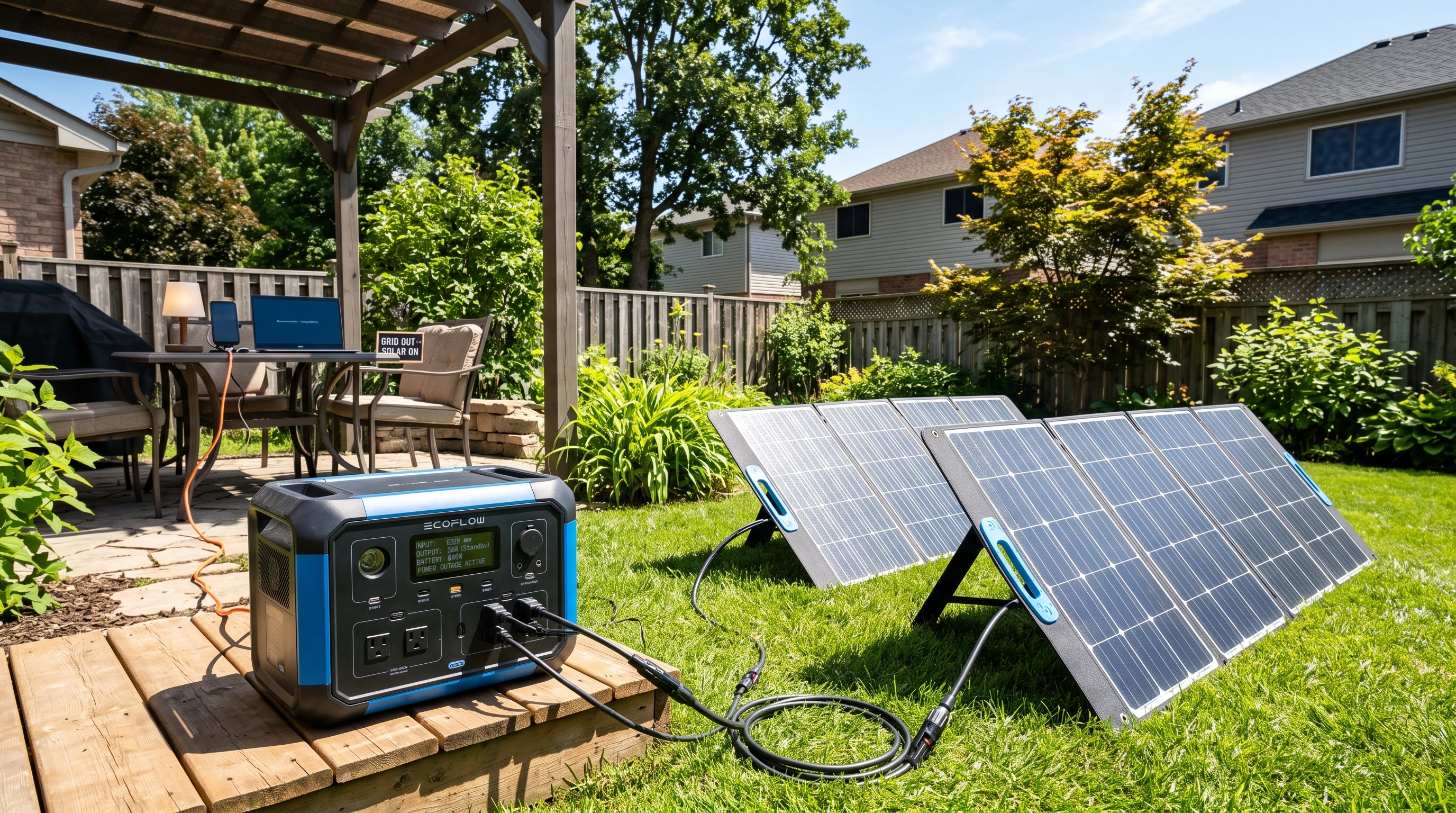
Quick Answer: How to Recharge a Solar Generator During a Power Outage
The simplest way to recharge a solar generator during an outage is with compatible solar panels connected directly to its solar input. Charging speed depends on actual panel output, sunlight, shade and the power station’s maximum input limit.
Some models can also recharge from a vehicle using an approved DC charging cable. Always check the manufacturer’s voltage, current and connection requirements before attaching panels or other charging equipment.
Can You Recharge a Solar Generator During a Power Outage?
Many solar generators are designed to allow recharging directly from solar panels, even when there is a total blackout. To do this, the power station must have a solar charging port and work with the solar panels you have. Compatibility depends on the connector type and the power station’s permitted solar input voltage and current range. Follow the manufacturer’s connection procedure, position the panels in suitable sunlight, and confirm on the power station’s display or app that solar input has started. Solar generators that do not have built-in or compatible solar charging ports usually cannot be recharged during an outage unless a car adapter or external DC input is supported. Reading the manufacturer’s information is highly recommended before using any new panels or charging accessories.
What Affects Solar Charging Speed?
Several factors influence how quickly a solar generator will recharge using solar panels:
- Sunlight intensity: Bright, midday sun provides the most power, while shade, clouds, or shorter winter days can greatly reduce charging speed.
- Panel wattage: Higher wattage panels supply more power when used together, but only up to the generator’s input limit.
- Shade and obstructions: Even partial shade, dirt, or heavy pollen on the panels can drop charging efficiency.
- Cloud cover and weather: Overcast days or rain reduce available solar energy, sometimes making recharging too slow to be practical.
- Season and daylight hours: Longer summer days provide more charging opportunities. In winter, sunlight may be weaker and less direct.
- Panel angle: Adjusting the angle of panels to face the sun directly helps maximize energy collection, especially during short or steeply angled daylight in fall or winter.
- Cable losses: Using long or thin cables can reduce power reaching the generator.
- Generator’s maximum solar input: Every generator limits how much power it can take in, so using many panels past this point will not increase speed.
Real-world solar output is normally lower than the panel’s laboratory-rated output and can vary significantly throughout the day.
Related reading: Portable Power Station Wattage Explained
Why Solar Input Limits Matter
Every solar generator has limits for the voltage (V), current (A) and total solar power (W) it can accept. These specifications are related, but they are not interchangeable. Exceeding the permitted input voltage can damage equipment and create a safety risk. Adding more panel wattage also does not necessarily make charging faster once the power station has reached its maximum supported solar input.
Choosing compatible solar panels is especially important. While many modern panels use common solar connector systems and manufacturer-specific adapters, the voltage and current produced by the panel array are just as important as the plug. Manufacturers often provide charts or recommendations for safe setups.
How Long Does It Take to Recharge?
The time needed to fully recharge a solar generator during a blackout depends on the battery size (usually measured in watt-hours or Wh) and how much power (watts) actually gets into the battery from your panels. A simple idealized estimate is:
Charging time ≈ battery capacity (Wh) ÷ actual charging input (W)
For example, if a solar generator has a 1000Wh battery and the panels deliver about 250 watts in full sun, recharging from empty, in theory, takes about 4 hours (1000 ÷ 250 = 4). In real use, charging takes longer because:
- Solar panels do not run at peak output all day
- The generator may slow charging to protect the battery when close to full
- Cable losses and inefficiencies reduce actual charging watts
- Weather, dirt, or shade can lower real input
Many battery systems reduce charging power as they approach full capacity to manage temperature and protect the battery. This gradual finish is normal and helps batteries last longer.
In cloudy weather, actual solar input may fall substantially, turning a recharge that takes several hours in strong sun into an all-day process or leaving the battery only partially recharged. Adding compatible panels in a manufacturer-approved configuration can increase available solar input, but the complete array must remain within the power station’s specified voltage, current and power limits.
Related reading: Portable Power Station Runtime Explained
Can You Use a Solar Generator While It Is Charging?
This feature, known as passthrough charging, is available on many but not all models. Using a solar generator while it is charging can extend the backup time or let you keep important devices running. However, using power while charging usually slows down how quickly the battery fills since some of the energy goes to devices instead of battery storage.
Some models may have limits or reduce charging speed if high power appliances are being run at the same time. Charging while simultaneously powering appliances can increase thermal load. Keep the unit within the manufacturer’s operating-temperature limits and make sure its ventilation openings remain unobstructed. Stop using the unit if it becomes unusually hot or shows swelling, smoke, a burning smell, sparking or persistent fault warnings. Follow the manufacturer’s shutdown guidance and do not continue charging a visibly damaged battery system.
Related reading: Can You Leave a Portable Power Station Plugged In?
Can You Recharge from a Car?
Some solar generators come with a car charging adapter that lets them charge from a 12V DC vehicle outlet (also called a cigarette lighter socket). While charging this way can be useful as a backup, it is almost always much slower than using solar panels in good sun or plugging into the grid. Follow the vehicle and power-station manufacturers’ instructions for DC charging. If charging requires the engine to run, do so only outdoors in a safe, well-ventilated location. Never run a combustion-engine vehicle in a garage, attached garage or other enclosed or poorly ventilated area. Carbon monoxide can build up quickly and can be fatal.
What If There Is No Sun?
Solar generators need sunlight to recharge, so when weather is cloudy or at night, options are limited. Here is what to do when the sun is not available:
- Prioritize only the devices or appliances that are truly needed to stretch remaining energy
- Reduce loads by unplugging chargers or small appliances not in use
- Consider starting storm season with a fully charged battery
- Add compatible extra panels or expansion batteries (only if supported by your generator) for more reserve power
It helps to have a plan for long outages, especially during seasons with frequent storms or extended periods of poor weather. Being realistic about what your generator can run and for how long will help keep expectations in check and prevent disappointment.
During a long outage with little usable sunlight, conserve the remaining battery for essential loads. If the power station supports another manufacturer-approved charging source, such as vehicle DC charging, that may provide an alternative. A separate fuel-powered generator is another backup option, but it must be operated outdoors and well away from occupied buildings according to its manufacturer’s safety instructions.
Related reading: What Can You Run on a Portable Power Station?
Related reading: Are Solar Generators Worth It for Heatwaves and Power Outages?
Safety Tips
During an outage, charging equipment may be used in less-than-ideal conditions, so a few basic precautions are especially important:
- Use solar panels and charging accessories that meet the power station manufacturer’s specified voltage, current, connector and input requirements.
- Keep the power station and electrical connections dry unless the manufacturer explicitly rates the equipment and connection method for those conditions.
- Inspect cables and connectors for cracks, damaged insulation, scorching or melted areas before use.
- Keep ventilation openings clean and unobstructed.
- Avoid placing the generator in direct sun for long periods. Heat can reduce performance or increase risk of overheating.
- Unplug and stop using your solar generator if you notice unusual heat, swelling, smoke, burning smells, sparks, or error codes.
Battery-based solar generators do not produce combustion exhaust during normal operation, unlike fuel-powered generators. However, they still require adequate airflow for cooling and should never be covered or operated with blocked ventilation openings. Follow the manufacturer’s indoor-use and temperature guidance.
Related reading: Can You Use a Portable Power Station Indoors?
Related reading: Portable Power Station Battery Care
Related reading: Portable Power Station Maintenance Checklist
Related Guides
- Best Solar Generators for Home Backup
- Best Solar Generators for Apartments
- Portable Power Station Wattage Explained
- Portable Power Station Runtime Explained
- What Can You Run on a Portable Power Station?
- Can You Use a Portable Power Station Indoors?
- Portable Power Station Battery Care
Frequently Asked Questions
Here are answers to some common questions about recharging a solar generator when the power goes out:
Can you recharge a solar generator during a power outage?
Yes, as long as the generator supports solar input and is connected to compatible solar panels with available sunlight.
How long does it take to recharge a solar generator with solar panels?
Charging time depends on battery size and real solar input. Estimate the time by dividing the battery’s watt-hours by the actual watts delivered by your panels. Weather, shade, season, and generator input limits affect real speed.
Can I use a solar generator while it is charging?
Many models support passthrough charging, but not all. Using the generator during charging can slow down recharge and increase heat. Always check your generator’s manual for details.
Can I charge a solar generator from a car?
Some solar generators can recharge from a vehicle using an approved DC adapter. Follow both the vehicle and power-station manufacturers’ instructions. If the charging method requires the engine to run, operate the vehicle only outdoors and never in an enclosed or poorly ventilated space.
Can I use any solar panel with a solar generator?
No. Use panels that match the power station’s permitted voltage, current, connector and solar input requirements. Check the manufacturer’s specifications before connecting a panel or panel array.
What happens if there is no sun during a power outage?
If there is no sun, solar panels produce little to no power. Use the stored energy for only essential devices and try to conserve battery until the sun is available or the grid returns.
Final Takeaway
Solar panels are usually the most practical way to recharge a compatible solar generator when the grid is down, but the panel setup must stay within the power station’s specified voltage, current and input limits.
During a longer outage, focus on two things: use the available daylight efficiently and conserve stored energy for the devices that matter most. If solar conditions are poor, use only alternative charging methods approved for your power station and follow the manufacturer’s safety instructions.