
Portable power station battery care can help reduce battery wear and keep the unit more reliable over time. Charging habits, storage conditions, temperature, cable condition, and basic maintenance can all affect battery health.
Not every care tip applies to every model or battery chemistry, so the manufacturer’s manual should always be the first reference. This guide explains simple battery care habits that may help extend portable power station battery life and reduce common problems.
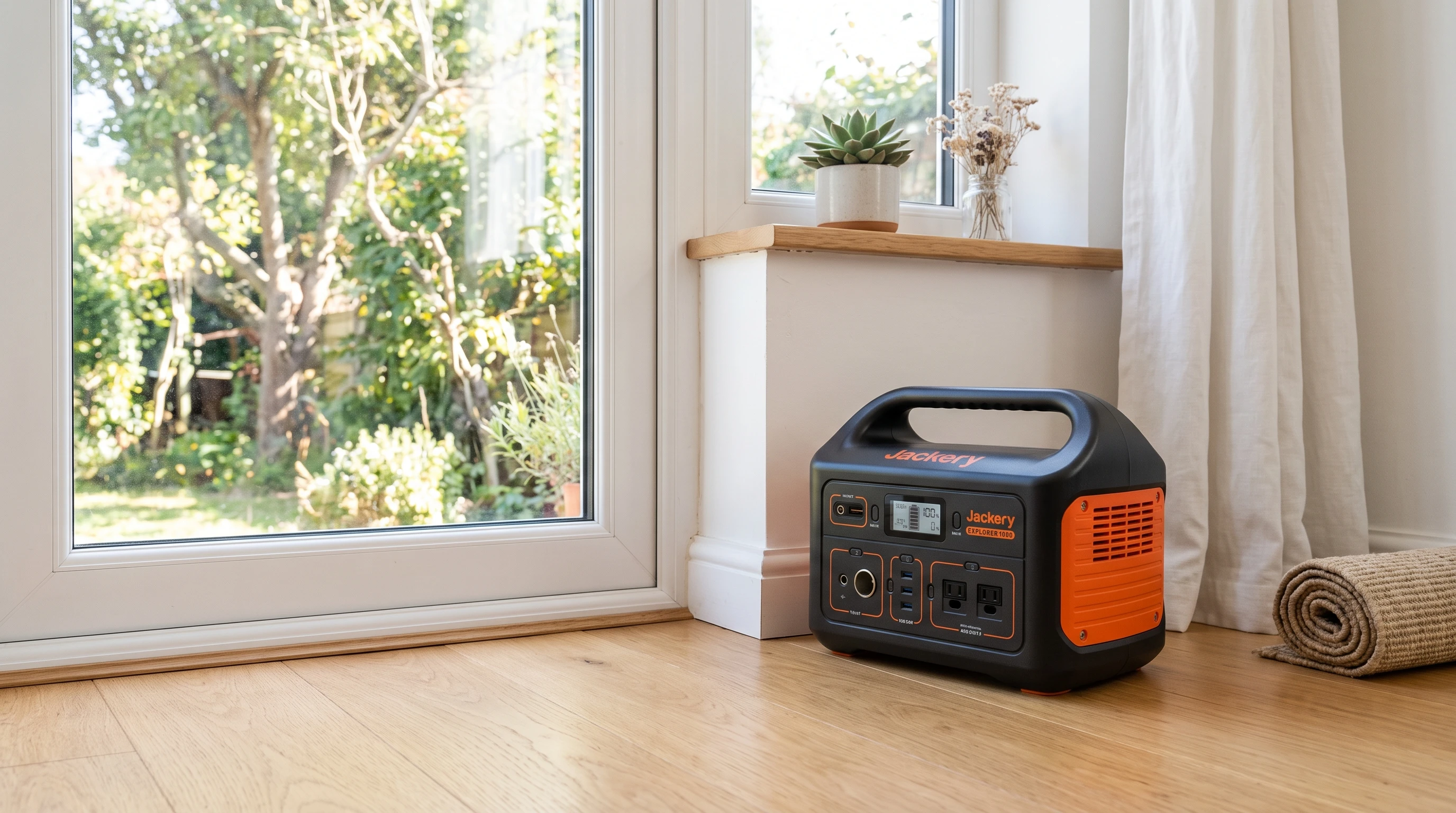
Quick Answer: Portable Power Station Battery Care
Portable power station battery care usually means using the supplied or manufacturer-approved charger, avoiding extreme heat and cold, not leaving the battery fully drained for long periods, storing it at the charge level recommended by the manufacturer, keeping vents clear, and checking the unit during long storage.
Battery care details can vary by model, battery chemistry, and battery management system, so always check the manual before relying on general advice.
Why Battery Care Matters
Battery care can affect runtime, charging speed, reliability, and long-term performance. A well-maintained power station may hold useful capacity for longer, while poor storage or repeated use outside recommended conditions can reduce performance over time.
If battery performance declines, the unit may provide shorter runtimes, charge more slowly, or shut down sooner than expected.
Understanding Battery Cycles
Batteries operate in cycles. A cycle is reached every time you use up 100% of a battery’s charge, though this might take several uses. For example, using 50% of the battery today, charging, then using another 50% tomorrow together counts as one cycle. Batteries are only rated for so many cycles. Each full cycle slowly wears down the battery over time. If you always let your portable power station drain completely before recharging, this may contribute to faster battery wear. Many batteries may last longer when deep discharges are avoided, depending on the model and chemistry. Each battery chemistry and model has its own cycle expectations and care guidelines.
LiFePO4 vs Lithium-Ion Batteries
Many newer portable power stations use lithium iron phosphate, also called LiFePO4, while some models use other lithium-ion battery chemistries.
LiFePO4 batteries are often rated for more charge cycles than many older lithium-ion types, but this does not guarantee a specific lifespan. Real battery life depends on charging habits, storage conditions, temperature, battery quality, and the specific model.
Charging Habits That May Help Battery Life
- Use supplied or manufacturer-approved chargers: Companies design their power stations to work with specific chargers. Using what came with your power station or an approved backup is generally safer when protecting overall battery health.
- Avoid damaged, frayed, or low-quality cables: Faulty, frayed, or low-quality cords can overheat or charge poorly, which shortens battery life or even causes safety hazards.
- Charge in a dry, well-ventilated area: Keep the unit away from high heat, water, and flammable materials during charging.
- Do not ignore error codes, warning lights, unusual heat, or strong smells: If the power station shows a warning, check the manual before using it again.
- Follow the manual for charging limits, storage mode, and long-term storage instructions: Some products allow for constant charging, while others encourage you to unplug once full. Sticking with the manual helps avoid battery problems down the line.
Related: Can You Leave a Portable Power Station Plugged In?
Smart Storage Habits
Storage conditions can affect portable power station battery life. Avoid storing the unit fully drained for long periods, because some batteries may become difficult to recharge if left empty too long.
Some manufacturers recommend a partial charge level, often around 50% to 80%, but the correct storage level depends on the model. Check the manual before long-term storage.
If the power station will not be used for several months, check the battery level periodically and recharge it if needed. Store the unit in a cool, dry place away from direct sunlight, moisture, heaters, ovens, and hot cars.
Related: How to Store a Portable Power Station Safely at Home
Heat, Cold, and Battery Health
Temperature can have a major effect on battery performance and ageing. High heat may speed up battery degradation, while cold weather can reduce output, shorten runtime, or affect charging.
Always check the manual for approved operating, charging, and storage temperature ranges. Charging a battery when it is too hot or too cold may damage the battery or trigger safety protection, depending on the model.
If the unit has been exposed to very hot or cold conditions, allow it to return to a suitable temperature before charging or heavy use.
Warning Signs of Battery Problems
Watch for warning signs such as:
- Shorter runtime than usual.
- Slower charging.
- Sudden shutdowns.
- Unusual heat during use or charging.
- Warning lights or error codes.
- Battery level dropping faster than expected.
- Swelling, leaking, smoke, sparks, or strong smells.
Stop using the power station immediately if you notice swelling, leaking, smoke, sparks, strong smells, or unusual heat. Contact the manufacturer or an authorized service center for guidance.
Related: Why Does My Portable Power Station Shut Off? | Portable Power Station Overload
Portable Power Station Battery Care Checklist
- Store the power station in a cool, dry place away from direct sunlight and moisture.
- Keep air vents clear and free from dust.
- Avoid frequent full discharges when possible.
- Check the battery level during long storage.
- Use the supplied or manufacturer-approved charger.
- Inspect cords and ports for wear, dirt, or damage.
- Keep the unit away from water and extreme temperatures.
- Follow the manufacturer’s manual for storage and charging guidance.
Related Guides
- Portable Power Station Maintenance Checklist
- Can You Leave a Portable Power Station Plugged In?
- How to Store a Portable Power Station Safely at Home
- Portable Power Station Runtime Explained
- Portable Power Station Wattage Explained
- Why Does My Portable Power Station Shut Off?
- Portable Power Station Overload
Frequently Asked Questions
How long do portable power station batteries last?
Portable power station batteries can last for years, but lifespan depends on battery chemistry, charge cycles, storage, temperature, usage, and the specific model. Many LiFePO4 models are rated for more cycles than older lithium-ion types, but real-world lifespan varies.
How do I make my portable power station’s battery last longer?
Charging habits, storage conditions, temperature, and using the correct charger can all affect battery life.
Is it bad to fully drain a portable power station?
Fully draining a portable power station occasionally may not cause immediate damage, but frequent deep discharges can add stress to the battery and may shorten its cycle life.
Should I store my portable power station fully charged?
Many manufacturers recommend storing a portable power station partly charged rather than completely full or empty, but the best storage level depends on the model. Check the manual for the recommended storage charge.
Can I leave my portable power station plugged in?
Some models are designed to remain plugged in, while others may have different charging recommendations. Follow the manufacturer’s manual for your specific unit.
Does heat shorten portable power station battery life?
Yes. High temperatures can speed up battery ageing and may reduce capacity over time.
How do I know if my battery is bad or damaged?
Typical signs of battery trouble include swelling, leaking liquid, strange smells, overheating, losing runtime, warning lights, smoke, or sparks. Stop using your station right away if you notice any of those. Contact the manufacturer or an authorized service center.
Bottom Line
Portable power station battery care depends on charging habits, storage conditions, temperature, battery chemistry, and manufacturer guidance.
To help extend battery life, avoid extreme heat and cold, avoid frequent full discharges when possible, use approved chargers, keep vents clear, and check the battery level during long storage.
Stop using the unit if you notice swelling, leaking, smoke, sparks, strong smells, or unusual heat, and contact the manufacturer or an authorized service center.